


Earlier I thought differently, many thanks for the information.
__________
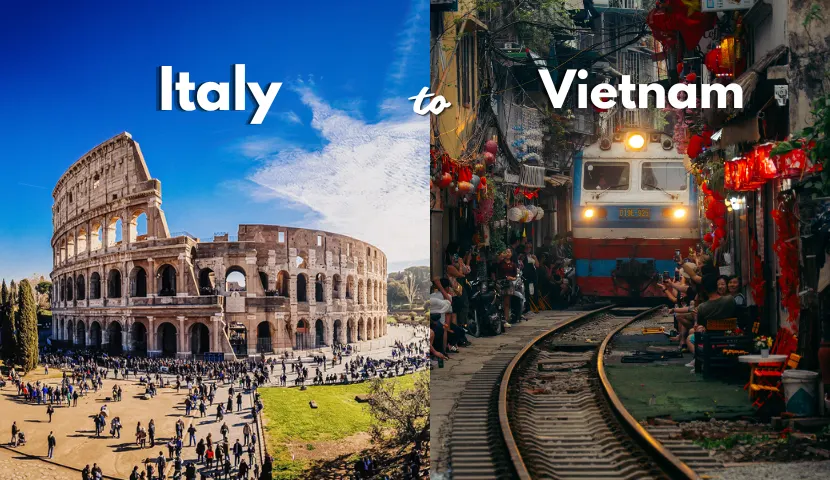
From the mist-covered mountains of Northern Vietnam to the waterways of the Mekong Delta, Vietnam reveals a different side of itself at every stop. Each city tells its own story, regional cuisines invite new discoveries, and everyday encounters often become some of the most memorable moments of a journey.
For travellers departing from Italy, this diversity calls for a little planning. Distances matter, the climate varies between regions, and travel documents need to be checked before departure. If you're looking for information on travelling to Vietnam from Italy, this guide brings together everything you need to know to plan a tailor-made Vietnam holiday based on your interests, available time and budget.
Diverse Landscapes Along the Same Journey
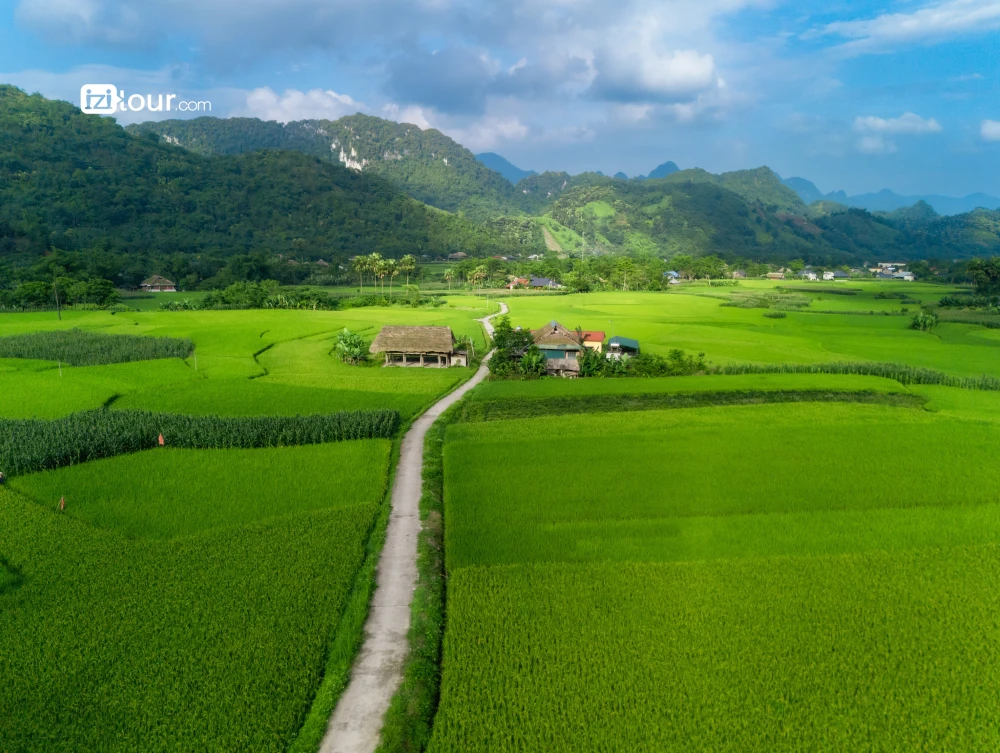
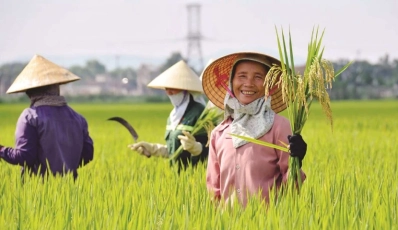
Rice terraces and mountain valleys, rivers winding between limestone cliffs, coastlines and tropical gardens make it possible to enjoy a wide range of experiences. You can explore the countryside on foot, take a boat trip or spend a few days relaxing by the sea. The best choice depends on the time of year and your preferred travel pace.
For travellers from Italy, Vietnam's diverse landscapes offer the opportunity to combine cities and nature without having to choose just one type of holiday. A day on the river can follow a cultural visit, while a countryside retreat can provide a break from the pace of city life. However, there's no need to include everything. Choosing the experiences that interest you most will make your journey more rewarding and cohesive.
Discover Vietnamese Culture Through Everyday Life
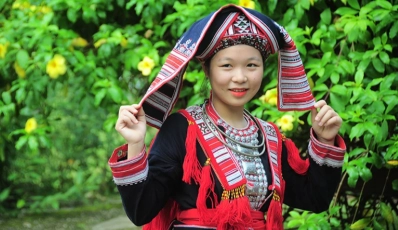
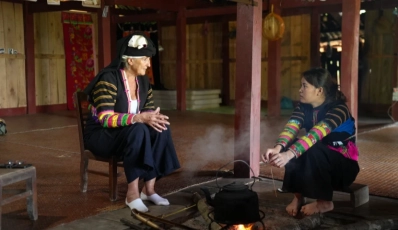
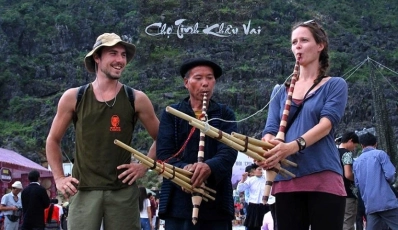
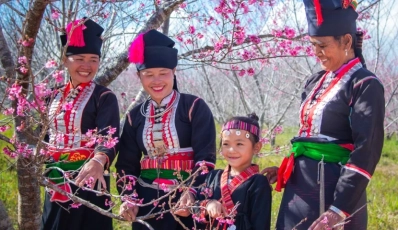
Citadels, pagodas and historic merchant houses tell the story of Vietnam's past, but a morning market or a traditional craft workshop can also offer a glimpse into the country. Combining sightseeing with opportunities to observe everyday life makes your journey more personal and helps you understand the differences between regions.
The value of these authentic cultural experiences in Vietnam also depends on how much time you allow for meaningful encounters. Choose workshops and visits where you know who will welcome you and how the activity is organised. A local guide can explain what you're seeing and help you discover local traditions while respecting the privacy and daily lives of residents.
A Culinary Journey Through Vietnam
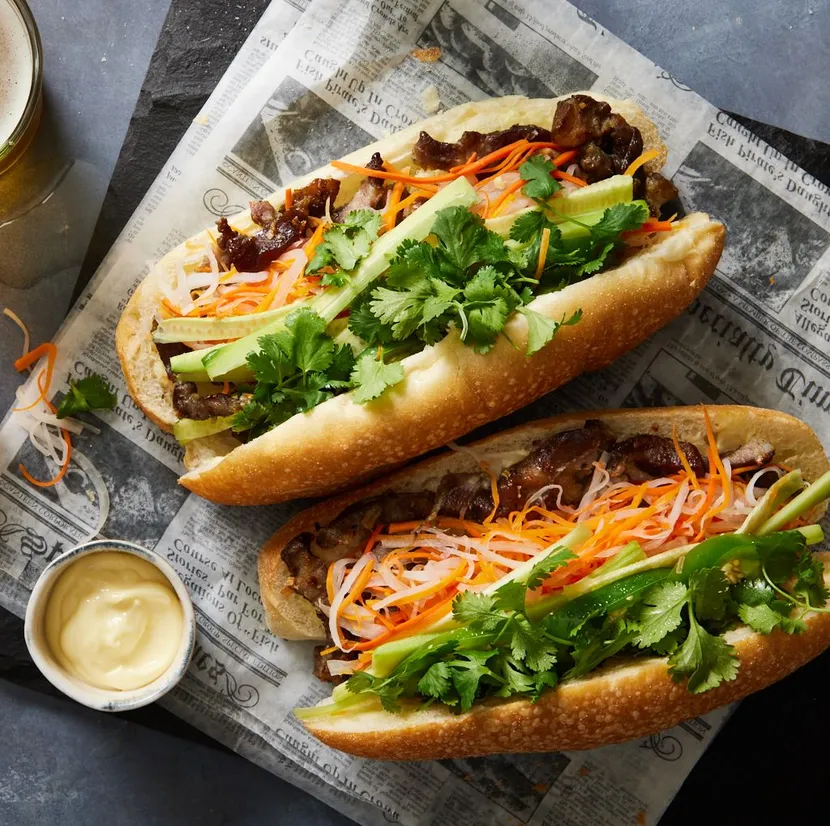
Hanoi's pho, Hoi An's cao lau and Southern Vietnamese specialities offer opportunities to explore local ingredients and food traditions. A Vietnamese street food tour or cooking class can help you become familiar with the cuisine, particularly at the beginning of your trip.
Markets and small local eateries provide opportunities to discover different ingredients and eating habits. Try the regional specialities wherever you travel, and ask your guide or local hosts for recommendations. If you have allergies or specific dietary requirements, prepare a written explanation in Vietnamese and check the ingredients used in broths and sauces.
A Vietnam Itinerary Tailored to Your Needs
With around ten days, it's best to focus on one or two regions. With two or three weeks, you can explore more destinations while allowing time to rest between transfers. A private Vietnam tour can make planning easier if you're travelling with family or prefer personalised activities and schedules.
For families, reducing the number of hotel changes can make the journey more comfortable. For couples, combining guided visits with free time allows both travellers to pursue different interests. If you enjoy walking, spending a few extra days in the same region may offer more opportunities than adding another domestic flight.
Official Italian guidance confirms that Italian citizens can enter Vietnam without a visa for stays of up to 45 days, provided they meet the applicable entry requirements. Your passport must have at least six months of remaining validity. You should also check that it is undamaged and has sufficient blank space.
Prepare a return or onward travel ticket. The Italian Embassy advises that airlines require proof of travel out of Vietnam. Vietnam's visa exemption depends on nationality, not residency. Anyone living in Italy who holds a passport from another country must check the requirements applicable to their nationality.
Check your travel dates carefully, particularly if you're planning to stay close to the permitted limit. Keep the details of your first accommodation and store copies of your travel documents separately from the originals. If you're unsure how the permitted days are calculated or have questions about your circumstances, contact the relevant authorities before departure.
A Vietnam e-visa can be issued for a maximum of 90 days, with either single or multiple entries. Applications must be submitted through the official portal, evisa.gov.vn, ensuring that your passport details, travel dates and the conditions stated on the approved visa are correct. The application fee is non-refundable if the visa is not granted. [3]
If your itinerary includes leaving Vietnam and returning, check which visa arrangement is appropriate for your entire journey. A multiple-entry visa is not automatically necessary for every Italian citizen who also visits another country.
Apply well in advance and carefully review your approved e-visa before travelling. Do not rely on any processing time being guaranteed. If you change your itinerary, make sure the dates and conditions of your travel authorisation remain compatible with your revised plans.
Do not confuse visa-free entry to Vietnam with a visa that can automatically be purchased at the airport. Any applicable visa-on-arrival procedures may require prior authorisation. For a standard tourist visit, start by checking your eligibility for the visa exemption or e-visa, and consult official sources before booking non-refundable travel services.
>>> Read more: Vietnam Visa-Exempt Countries (2026–2028): Complete Guide
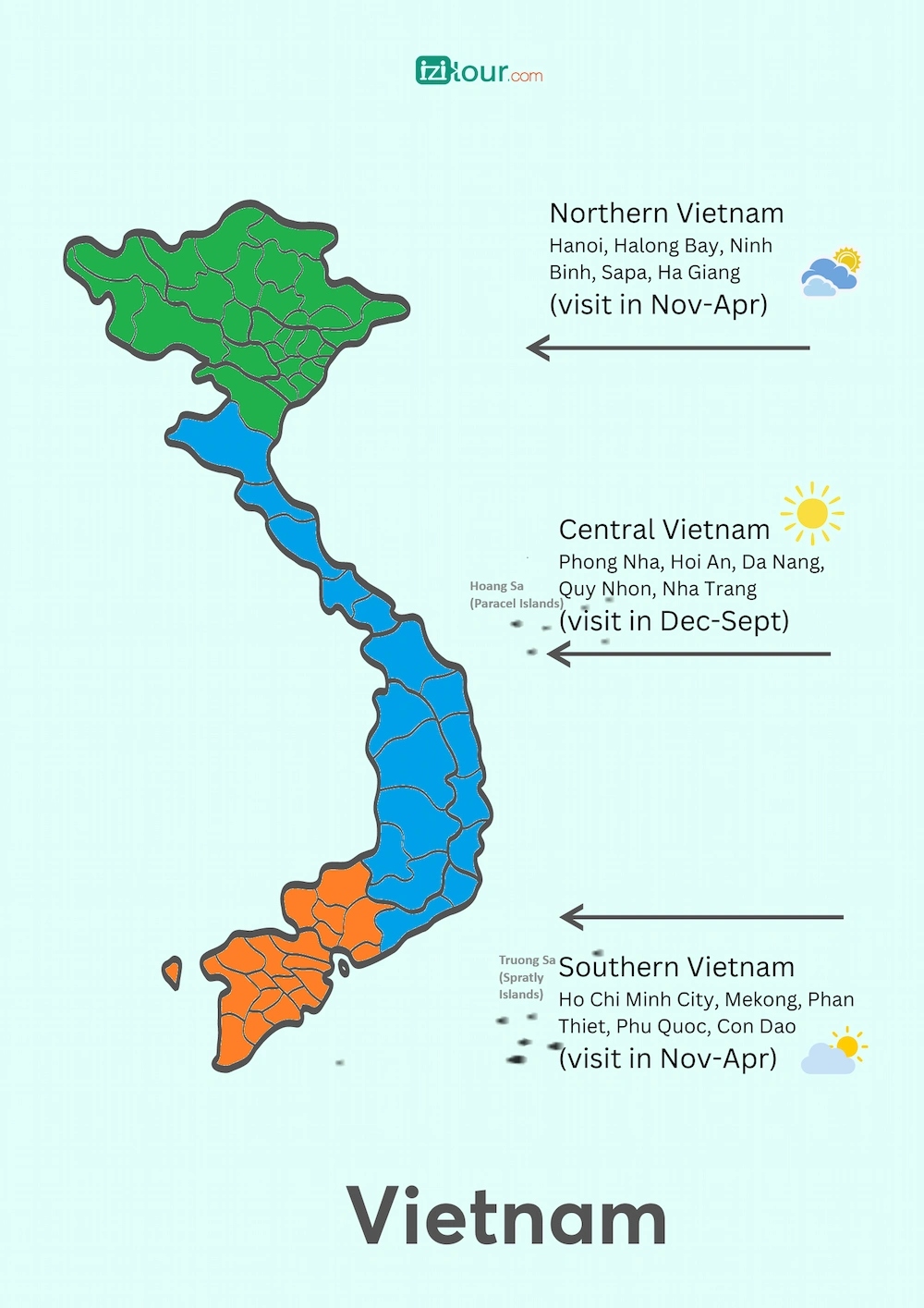
Best time to visit Vietnam by region
Hanoi, Ninh Binh and the bay generally offer good opportunities for travel in spring and autumn, although conditions vary between destinations. Summer can be very hot and rainy, while winter can be cold and misty, especially in mountainous areas. If your itinerary includes Sapa or Ha Giang, pack warmer clothing.
In autumn, staying for several days gives you greater flexibility for outdoor activities. In spring, be prepared for humidity and possible mist. If you want to see the rice fields at a particular stage of growth, check the local agricultural calendar. There is no single harvest season that applies to every valley.
For Hue, Hoi An and Da Nang, spring is often a good time to combine sightseeing with outdoor activities. Summer can be extremely hot. Rainfall increases in several parts of Central Vietnam towards the end of the year, with possible storms and flooding. Keep your excursions and transfers flexible.
For Hue and Hoi An, February to May is generally worth considering, although local conditions may differ. If you're travelling during the August holidays, plan breaks during the hottest hours of the day. Between September and November, weather forecasts are useful not only for deciding whether to go sightseeing but also for assessing transport connections.
Ho Chi Minh City and the Mekong Delta usually experience a drier season beginning in November. During the rainy months, some activities remain possible with flexible daily planning. For Phu Quoc, check wind conditions, sea conditions and weather forecasts separately.
If you're planning a beach holiday, check wind and sea conditions as well as the likelihood of rain. During the wetter months, a flexible itinerary remains useful, and you shouldn't assume that every downpour will be brief. Water-based activities should be confirmed with the operator according to local conditions.
March and April often offer a good compromise for a Vietnam itinerary covering multiple regions. October and November can be appealing for Northern Vietnam, but require particular attention to weather conditions in Central Vietnam. These are general climate guidelines, not guarantees for your specific travel dates.
>>> Read more: Best Time to Visit Vietnam by Region and Month (2026–2027)
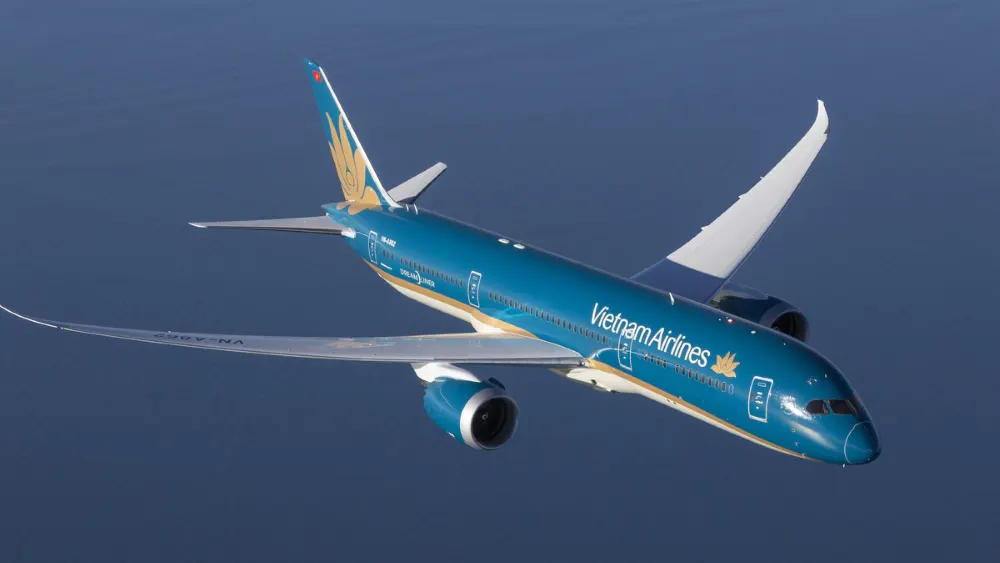
When planning travel to Vietnam from Italy, consider Vietnam Airlines' direct service between Milan Malpensa and Hanoi, launched on 1 July 2025. Check operating days, flight times and availability for your travel dates, as schedules may change.
The flight takes approximately 12 hours, although you should confirm the duration of your chosen service. Also consider the time needed to reach Malpensa Airport from your home city.
If you live far from Milan, include the cost of travelling to Malpensa and any overnight accommodation before departure in your comparison. Flying from your nearest regional airport with a connection may sometimes be more convenient. However, for families or travellers who prefer to minimise stopovers, the direct flight from Milan to Hanoi is still worth considering.
From Rome and other Italian airports, you can compare connecting flights to Vietnam, for example via Istanbul, Doha or Dubai, depending on available routes. Consider the total journey time, baggage allowances and transit requirements, as well as the ticket price.
If you're travelling on separate tickets, check whether you need to collect your luggage, check in again or enter the transit country. A short connection can make your journey more vulnerable to disruption.
Check whether all flight segments are issued on a single ticket and what conditions apply in the event of delays. Allow for possible terminal changes and additional security checks. A low fare represents good value only when the waiting times and travel conditions also suit your needs.
Hanoi is a natural starting point for exploring Northern Vietnam, while Ho Chi Minh City is convenient for the South and the Mekong Delta. Da Nang can be a useful arrival point if you're focusing on Central Vietnam.
If you're travelling across the country, compare itineraries that arrive in Hanoi and depart from Ho Chi Minh City.
A direct flight takes approximately 12 hours. With a connection, the total journey can easily exceed 15 hours, depending on the stopover. Always check your actual flight itinerary. Also confirm your arrival date, as you may land the day after departure.
If you arrive in the morning, ask your hotel whether early check-in is available and how much it costs. Booking a standard overnight stay does not necessarily mean you can access your room immediately upon arrival.
Vietnam is five hours ahead of Italy during Italian daylight saving time and six hours ahead during standard time. Plan a relaxed first day to adjust to the time difference.
Your Vietnam travel budget depends on flights, accommodation, travel pace and services. The following figures are illustrative planning estimates, not real-time prices or IZITOUR quotations. Request quotes based on your actual travel dates.
For international flights, you can initially budget €700–€1,200 per person in economy class, then check available fares. Prices may be higher during peak travel periods.
Compare the final price, including baggage, seat selection and ticket changes. During peak periods, fares may exceed the suggested range. Consider different departure dates without overlooking the cost of reaching the airport. This is an initial budget allowance, not a bookable offer.
For accommodation in Vietnam, use the following approximate nightly rates as a reference: €25–€40 per room for budget accommodation, €60–€100 for a comfortable mid-range option, and from €180 for high-end properties. Location and services matter just as much as the hotel's category.
Pay attention to location, soundproofing, maintenance and breakfast, as well as the star rating. If you're travelling alone, the room rate will not automatically be halved. For families, ask about the prices and availability of extra beds or connecting rooms.
For meals, a daily allowance of €12–€20 per person can serve as a guide for a simple travel style, while €25–€40 provides greater flexibility. Fine-dining restaurants and alcoholic drinks require a larger budget.
For a more extensive culinary experience, you may want to set aside €60 or more per day, particularly if you plan to visit high-end restaurants and enjoy wine. Include an allowance for coffee, water and snacks, and check which meals are already included in your excursions.
Entrance fees, guides, transfers, domestic flights and cruises can significantly affect the total cost of a Vietnam holiday. To avoid counting expenses twice, check whether an overnight cruise includes meals and excursions.
Before comparing two activities, check their duration, group size, guide arrangements and included services. A private day tour and a group excursion are not equivalent. For domestic flights, check baggage allowances. For cruises, confirm the cabin category, drinks and transfers.
Here are three illustrative 15-day Vietnam travel budgets for comparison, calculated per person sharing a double room, with 14 nights and international economy-class flights.
| Expense | Budget | Comfort | High-End |
|---|---|---|---|
| International flights | €700 | €900 | €1,200 |
| Accommodation share | €210 | €560 | €1,260 |
| Transport in Vietnam | €200 | €350 | €700 |
| Sightseeing and activities | €180 | €350 | €800 |
| Illustrative total | €1,515 | €2,610 | €4,860 |
Add travel insurance, any applicable visa fees, shopping expenses and a contingency allowance. A journey with a private driver and guide for many days may exceed these examples.
Hanoi
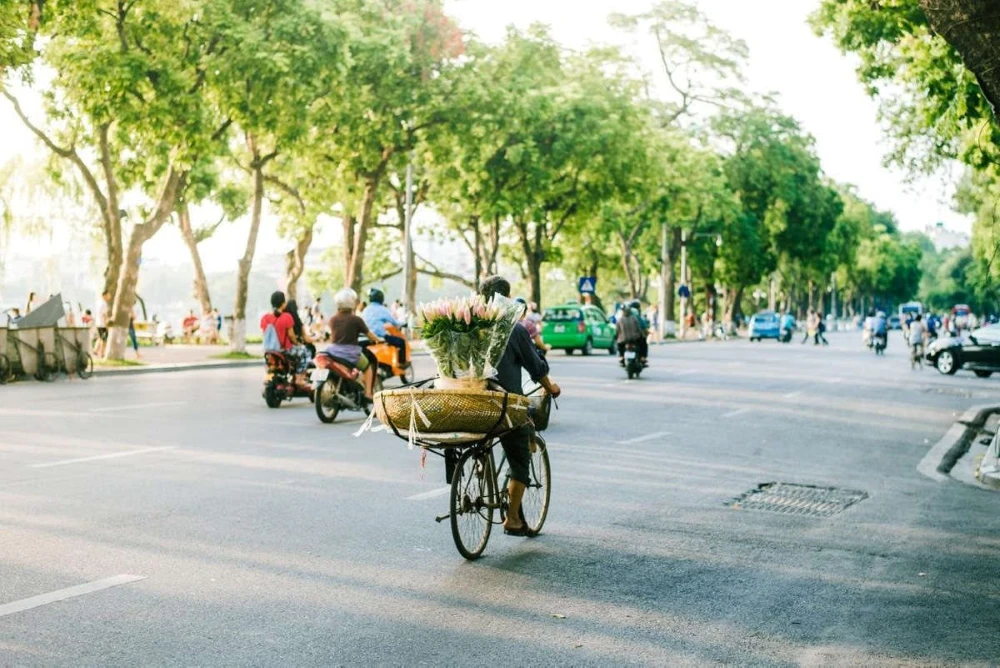
Start with the Hanoi Old Quarter, Hoan Kiem Lake and a cultural visit. Two or three days allow you to enjoy historical landmarks, cafés and local cuisine without trying to fit everything into your first day.
Vietnam's capital is best explored through small everyday moments: breakfast, a coffee stop and a walk around Hoan Kiem Lake. Make time for both history and daily life. A guide can help you understand the local context, while a free half-day gives you the opportunity to revisit your favourite neighbourhoods.
Recommended duration: Two to three days, with a relaxed first day.
Ninh Binh
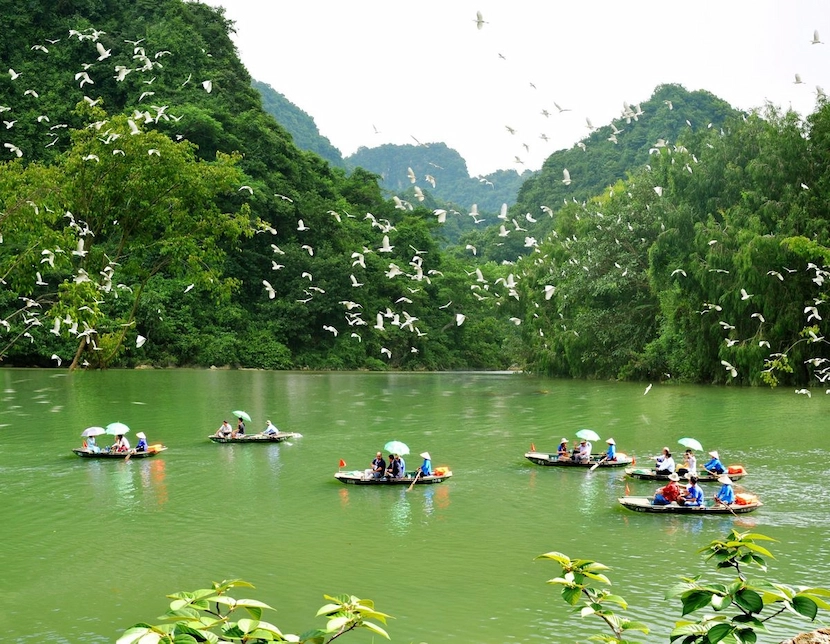
A boat trip in Trang An or Tam Coc can be combined with countryside walks and rural scenery. Staying overnight allows you to avoid spending most of your visit travelling to and from Hanoi.
Compare the boat routes in Trang An and Tam Coc rather than feeling you need to experience them all in one day. An overnight stay gives you more time to explore the countryside and reduces the rush to return to Hanoi. If you choose to cycle, ask for a route suited to your experience and local conditions.
Recommended duration: One to two days, preferably including at least one overnight stay.
Ha Long Bay and Lan Ha Bay
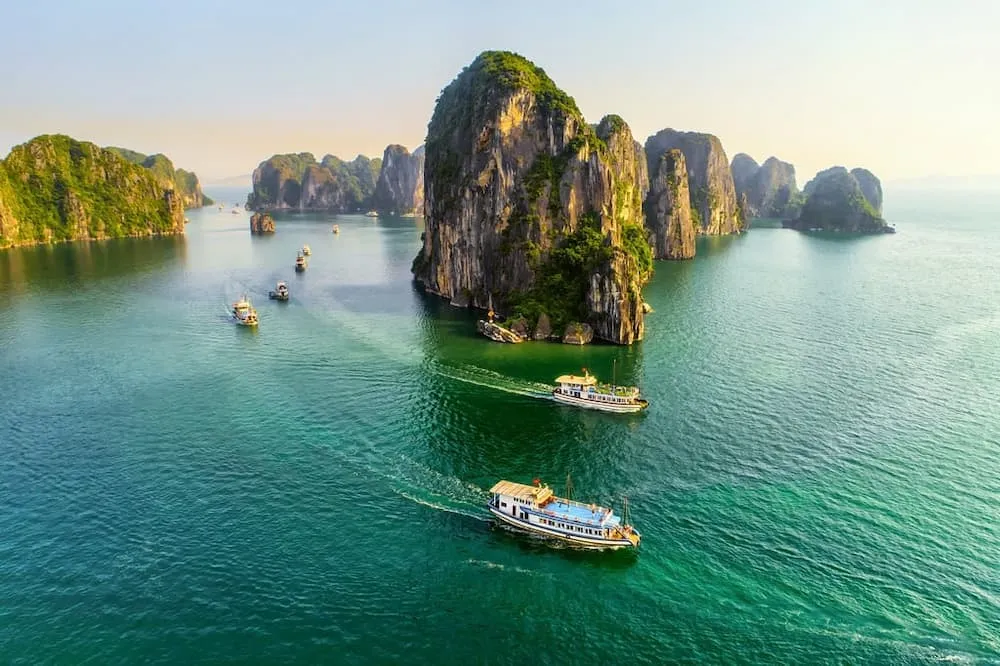
Choose your Ha Long Bay or Lan Ha Bay cruise based on its route, group size and included activities. Spending a night on board gives you more time to enjoy the experience, although itineraries and departures also depend on weather conditions.
Compare the number of cabins, boat size and included transfers. Don't choose a cruise solely because it promises a less crowded bay. The atmosphere and number of other boats depend on the specific area and time of year. Kayaking and other activities remain subject to local regulations and weather conditions.
Recommended duration: Two days and one night for a first experience, excluding transfer time.
Ha Giang
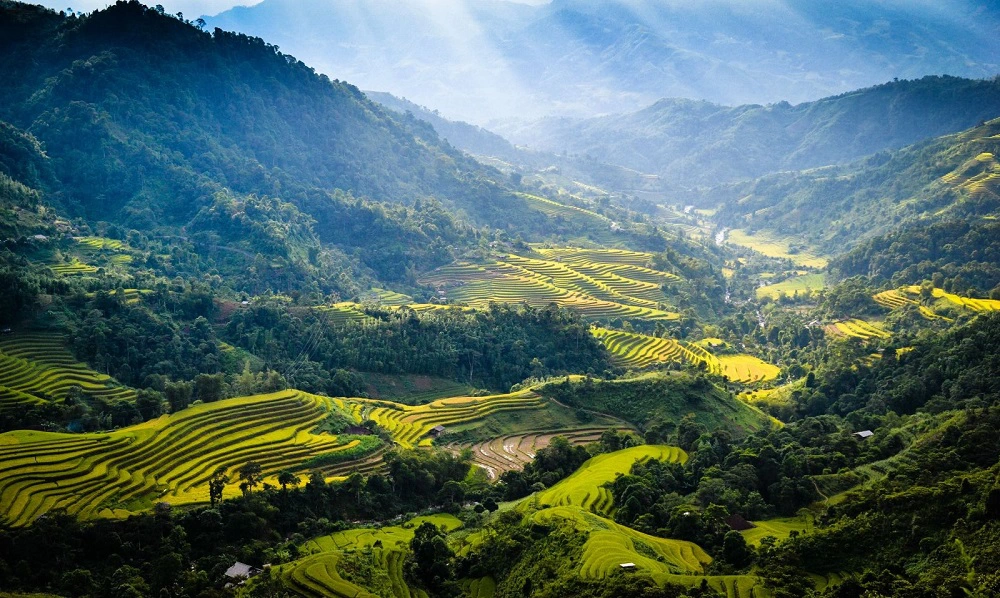 Ha Giang is an option for travellers seeking dramatic mountain scenery who have extra days available. Consider travelling by car with a driver or using a professional driver rather than attempting to navigate unfamiliar mountain roads without preparation.
This destination requires several dedicated days and should not be squeezed between tightly scheduled transfers. Ask about driving hours, planned stops and any formalities required for the areas you'll visit. The experience is also about taking time to observe and meet people, rather than simply completing a scenic circuit.
Recommended duration: At least three to four days in the region, excluding travel connections.
Sapa
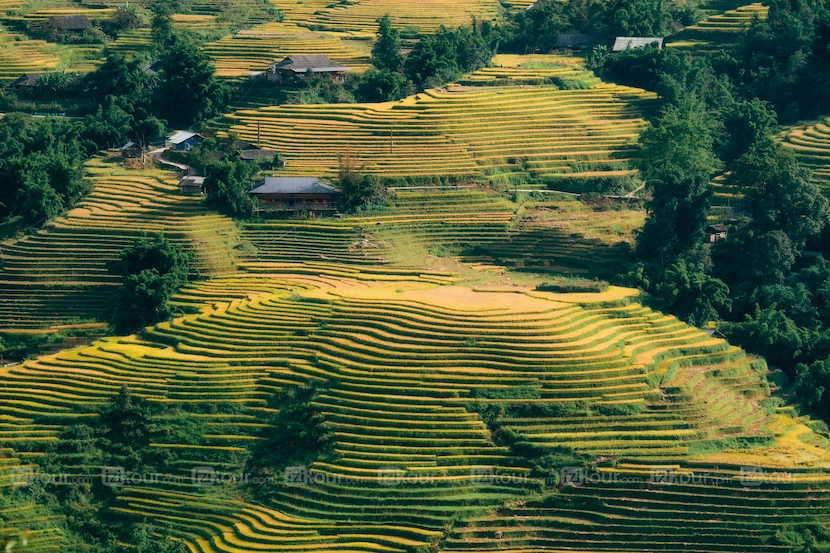
Walking and village visits offer opportunities to discover Sapa's mountain valleys. The appearance of the rice terraces and the condition of walking trails change with the seasons and agricultural activities, so choose your excursions with a local guide.
Mist and clouds can affect visibility, while the agricultural cycle transforms the landscape. Consider elevation changes and terrain before selecting a walk, and ask your guide about trail conditions. A shorter route may leave more time to discover village activities without turning the day into a physical challenge.
Recommended duration: Two to three days, depending on your itinerary.
Hue
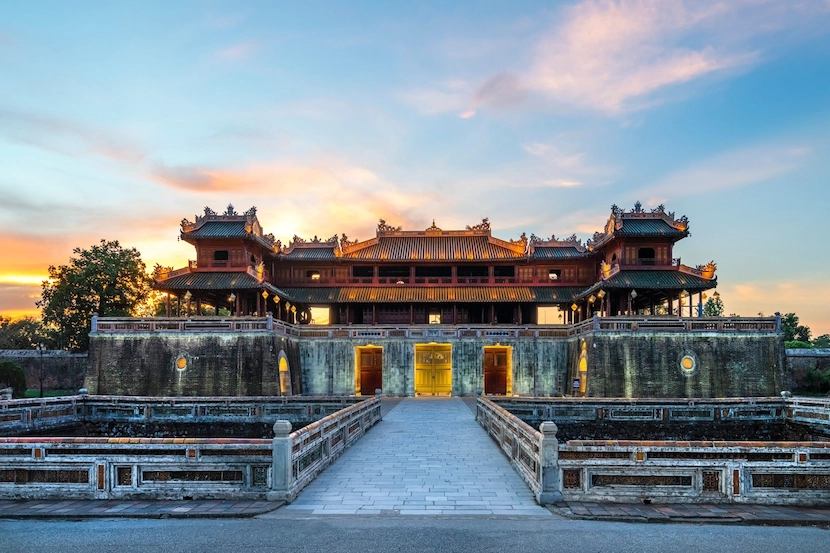
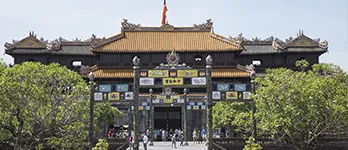
The Imperial Citadel of Hue and the royal tombs offer insights into the history of the Nguyen Dynasty. An Italian-speaking guide, subject to availability and advance booking, can provide a deeper understanding of the architecture.
Choose a selection of monuments and explore them at a relaxed pace, allowing time for explanations and architectural details. Balance historical sightseeing with opportunities to enjoy local cuisine and walk through the modern city. On hot days, spread visits between the morning and afternoon, with a break around midday.
Recommended duration: One to two days of sightseeing.
Hoi An
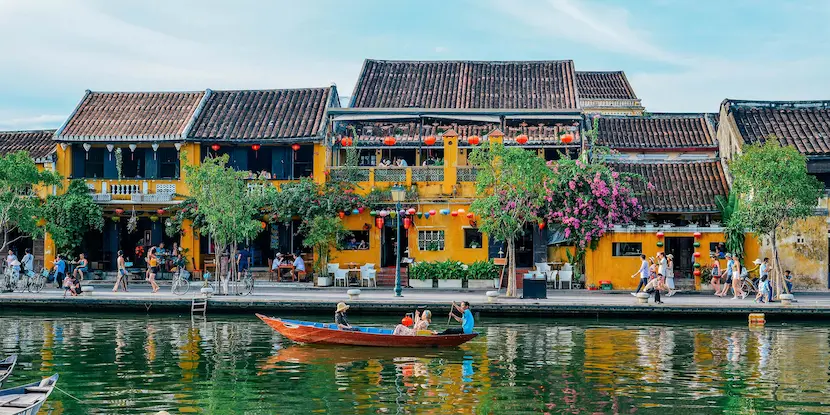
Spend time exploring Hoi An Ancient Town, then discover the surrounding countryside or visit a traditional craft workshop. Staying for two or three nights allows time for sightseeing and independent exploration.
The town is also worth discovering during the day, when you can appreciate the details of historic houses and browse local workshops. Nearby, a cooking class or craft experience can add another dimension to your stay. My Son Sanctuary is another option for exploring regional history, provided your schedule allows.
Recommended duration: Two to three days, with additional time for the beach and excursions.
Da Nang
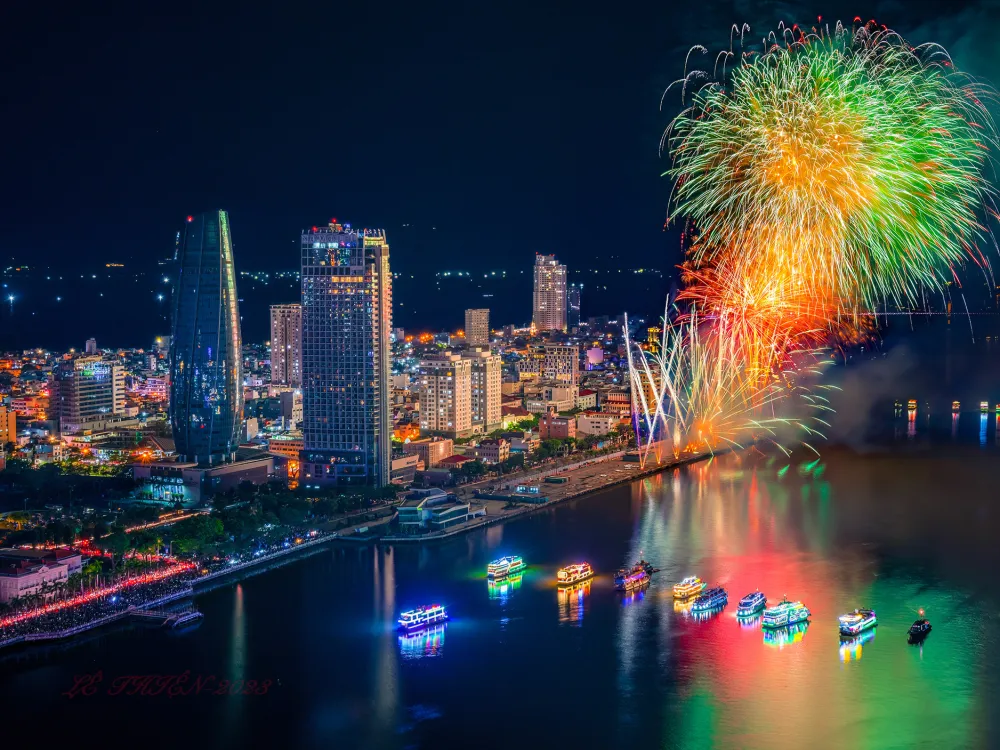
Da Nang is a convenient base for combining beach time with excursions to nearby attractions. Before planning a beach stay, check the seasonal conditions along the coast.
Possible excursions include the Marble Mountains and Son Tra Peninsula, depending on the weather and your interests. The journey towards Hue can also become part of the experience, with agreed stops along the way. Compare staying in Da Nang with staying in Hoi An according to the atmosphere and activities you prefer.
Recommended duration: One to two days, or longer for a beach holiday.
Ho Chi Minh City
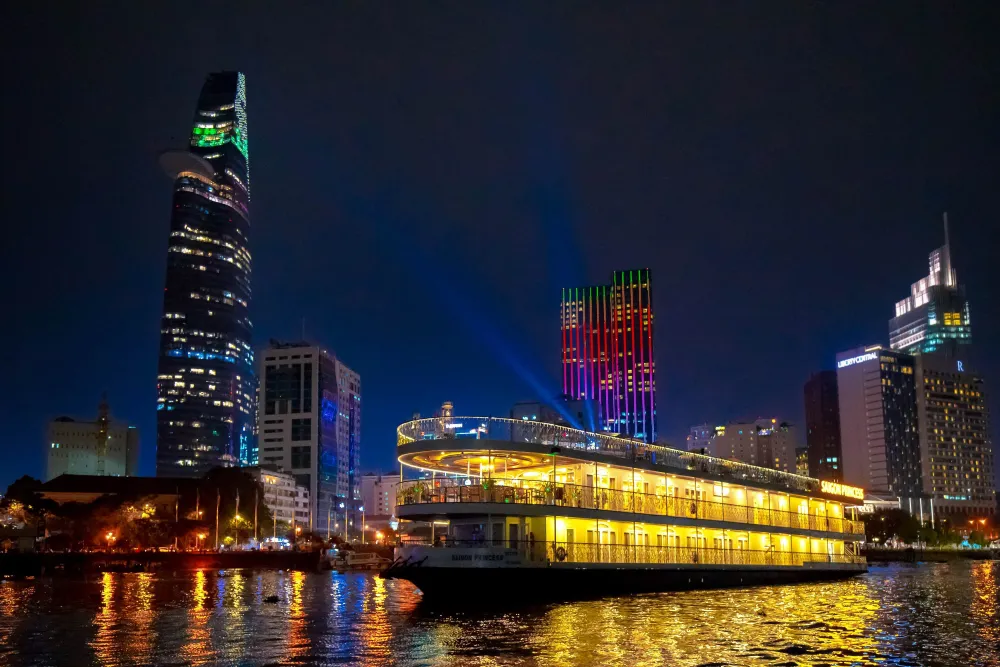
Museums, historic buildings and lively neighbourhoods offer different perspectives on Ho Chi Minh City. Plan your sightseeing around the heat, traffic and time required to travel between attractions.
The Independence Palace and War Remnants Museum are possible stops for learning more about the city's history. Markets and neighbourhood walks provide a different perspective on everyday urban life. Consider how much time you'd like to spend in museums and allow extra time for traffic, particularly before your departure flight.
Recommended duration: One to two days for a first visit.
Mekong Delta
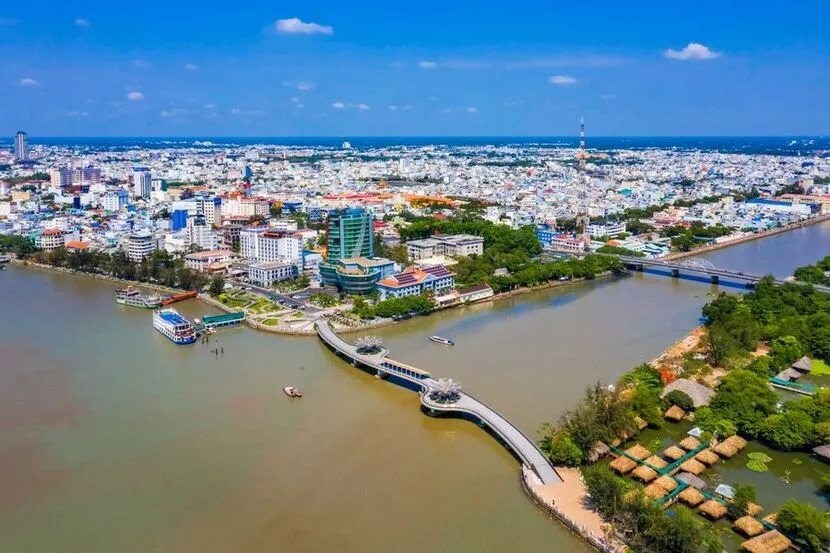
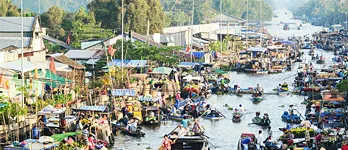
Canals, orchards and villages invite travellers to stay longer than a brief day trip. Spending a night in the Mekong Delta allows for a more relaxed itinerary. Local activities and floating market schedules should be checked in advance.
Choose the area according to the experience you want. A short excursion close to the city and an overnight stay in Can Tho require different amounts of time. Cai Rang Floating Market can be included in your itinerary, but its activities and scale should be checked rather than expecting the scene to remain unchanged. An overnight stay allows sightseeing and transfers to be spread out more comfortably.
Recommended duration: One to two days, including an overnight stay for a more relaxed pace.
Phu Quoc
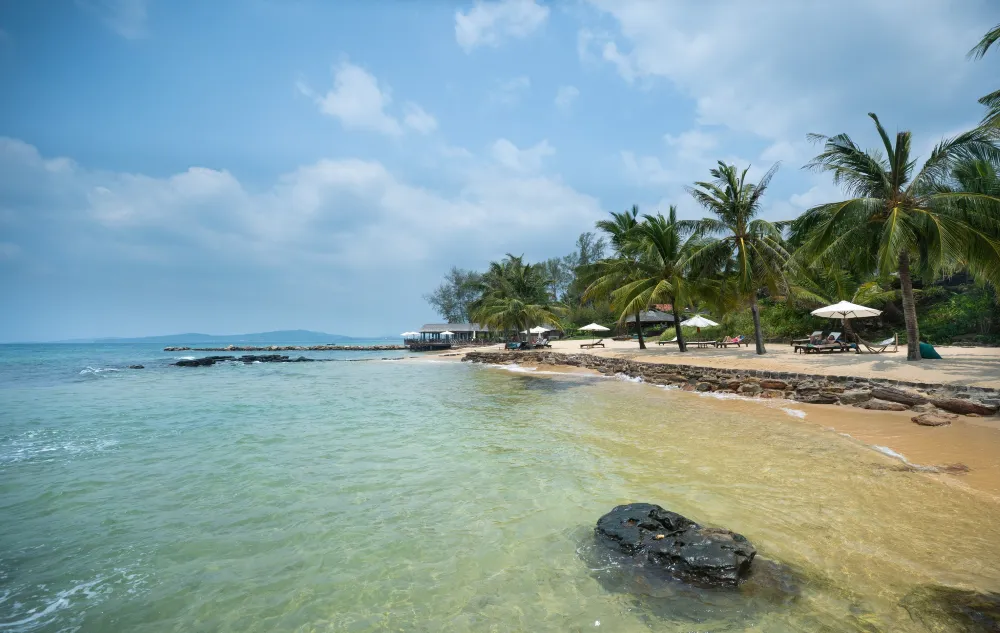
Phu Quoc Island can be a relaxing way to end your Vietnam journey. Include it by replacing other destinations or extending your stay, rather than turning your beach break into another rushed transfer.
Compare hotel locations, beaches and distances from local amenities, as different areas offer different atmospheres. Boat trips depend on sea conditions. If your aim is to relax, avoid planning such a short stay that most of your time is taken up by flights and transfers.
Recommended duration: Two to four days, depending on your preferences.
If you're planning to travel to Vietnam from Italy, this itinerary offers a journey from North to South, combining culture, landscapes and local life. The 15 days are spent in Vietnam; international flights may require additional travel days.
Suggested itinerary:
Day 1: Arrival in Hanoi and rest
Day 2: Hanoi: culture, Old Quarter and local cuisine
Day 3: Hanoi – Mai Chau
Day 4: Mai Chau – Ninh Binh
Day 5: Ninh Binh
Day 6: Transfer to Lan Ha Bay and overnight cruise
Day 7: Disembarkation, transfer to Hanoi Airport, flight to Da Nang and onward journey to Hoi An
Days 8–9: Hoi An and surrounding areas
Day 10: Hoi An – Hue
Day 11: Hue and flight to Ho Chi Minh City, depending on available flight schedules
Day 12: Ho Chi Minh City
Day 13: Ho Chi Minh City – Cai Be – Can Tho, with an overnight stay in the Mekong Delta
Day 14: Can Tho and return to Ho Chi Minh City
Day 15: Free time and departure
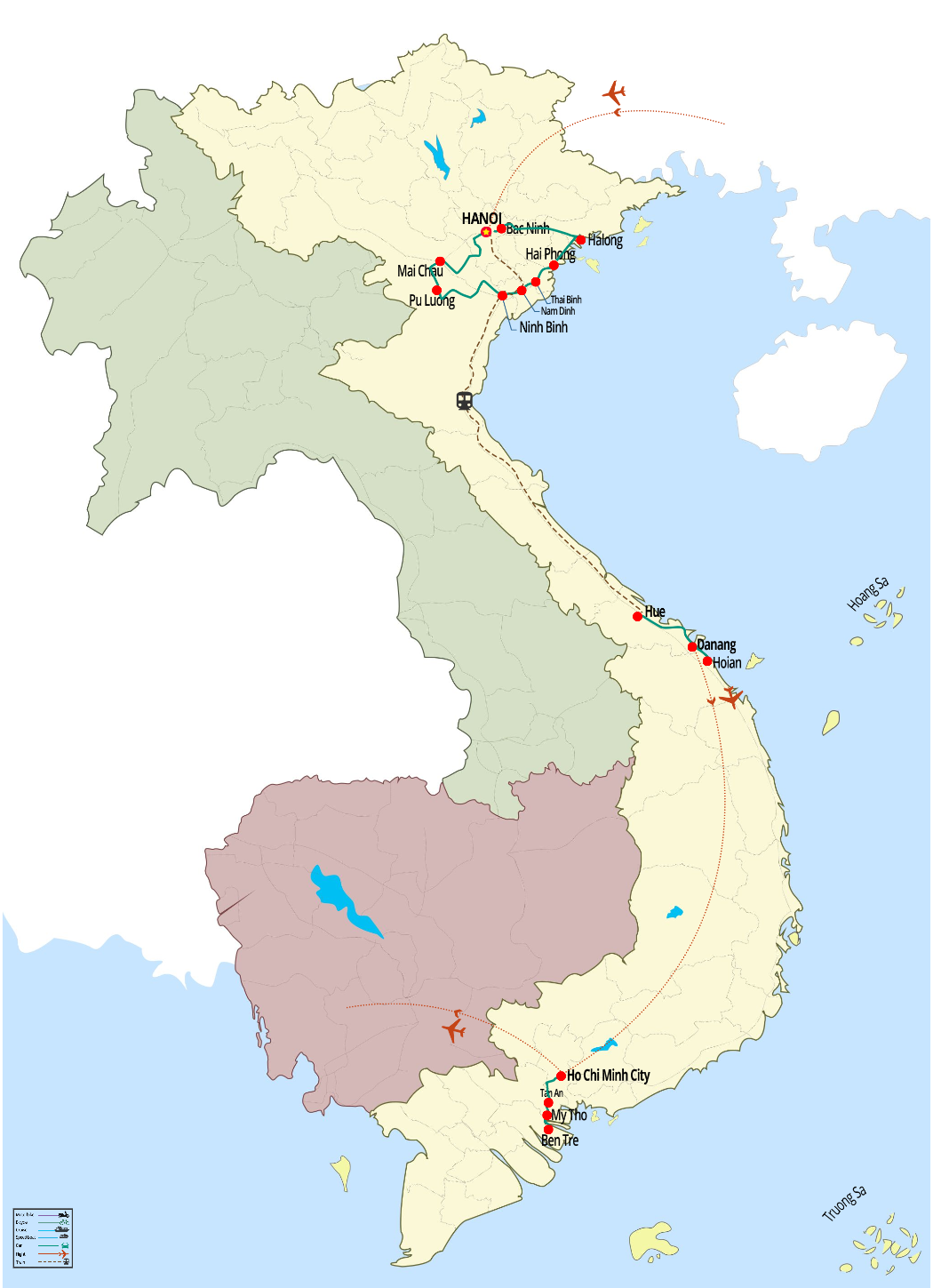
This 15-day Vietnam itinerary involves frequent transfers. Day 7 requires sufficient time between disembarkation and your flight, while Day 11 should also be adjusted according to flight schedules. For a more relaxed pace, consider removing Mai Chau or the overnight stay in the Mekong Delta and redistributing the nights across the remaining destinations.
Check Your Travel Documents and Insurance
Review the Vietnam entry requirements before departure, keep offline copies of important documents and check your health insurance coverage. Make sure your travel insurance includes your planned activities and any necessary emergency transfers.
Pack for the Regions You Plan to Visit
Bring lightweight clothing for warmer areas, comfortable shoes and rain protection. Add a jacket if you're visiting the mountains or Northern Vietnam in winter. Avoid packing as though the entire country has the same tropical climate.
Plan a Realistic Vietnam Itinerary
For every transfer, allow time for checking out, waiting and arriving at your next accommodation. Flying does not eliminate these additional travel times. If you're travelling with children or people who prefer a slower pace, limit hotel changes and leave a few half-days free.
The destinations listed are alternatives to choose from, not stops that all need to be included in the same itinerary. To add Sapa, Ha Giang or Phu Quoc, replace other visits or extend your stay.
Respect Local Customs and Places of Worship
Allow some free time and follow the guidelines at places of worship. Wear clothing that covers your shoulders and knees where required, remove your shoes when instructed and speak quietly in prayer areas. Ask permission before photographing people, particularly in family settings and villages.
Prepare Different Payment Methods
The local currency is the Vietnamese dong (VND). Carry cash for small purchases and a bank card for businesses that accept card payments. Check bank fees, SIM or eSIM compatibility, and whether you can access important contact details without an internet connection.
Consider Booking with a Local Vietnam Travel Agency
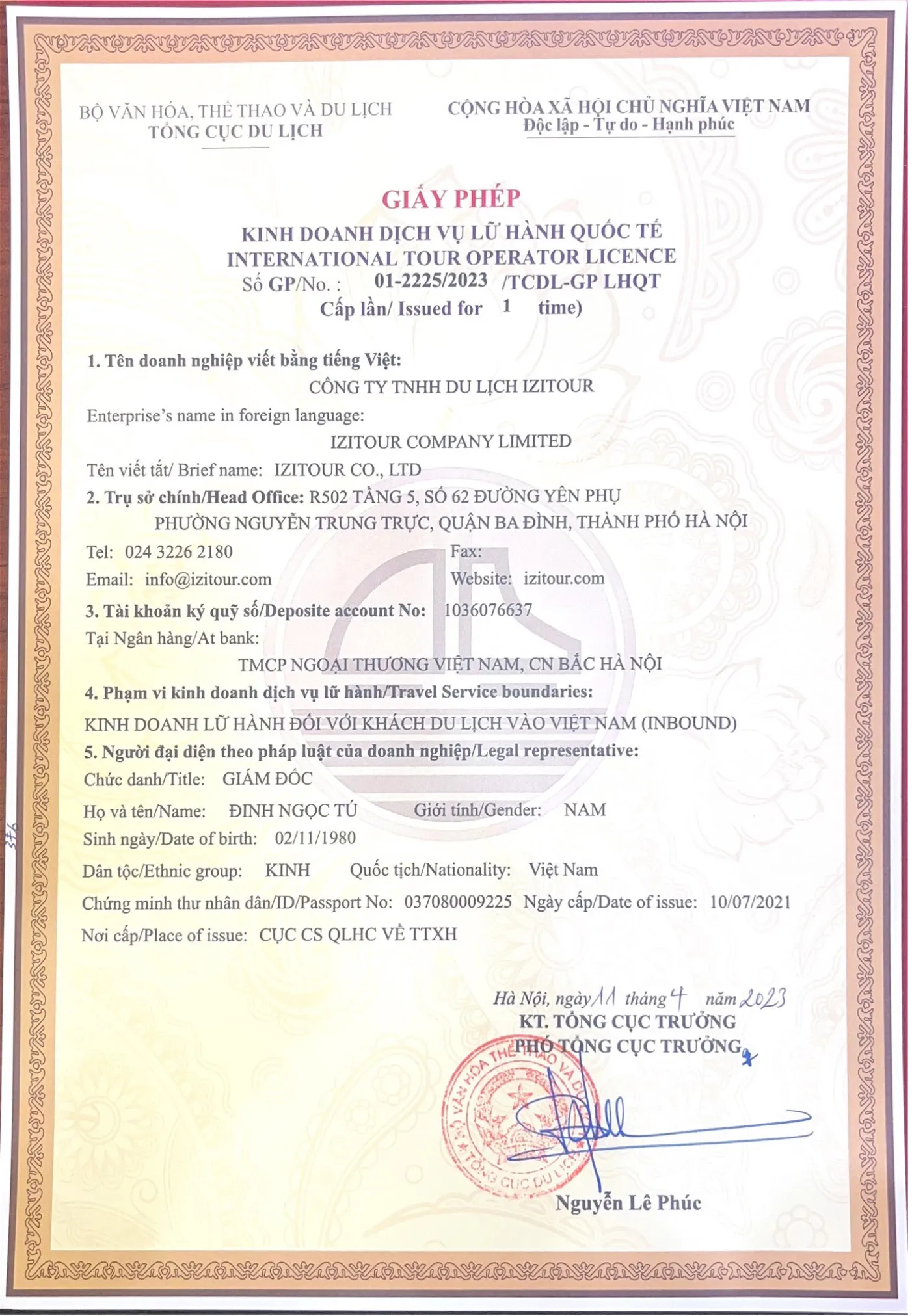
Coordinating Italian-speaking guides, transport and accommodation takes time. A local travel agency in Vietnam can help you create a realistic itinerary and manage changes along the way. Always check what's included, cancellation conditions and the availability of travel assistance.
Having a local contact can be helpful when weather conditions affect your plans. Ask how itinerary changes are communicated and which alternatives may involve additional charges. To receive a useful travel proposal, provide your travel dates, number of travellers, interests, preferred pace and approximate budget.
IZITOUR offers private, tailor-made tours in Vietnam. You can start with an existing itinerary and request adjustments to suit your needs.
A memorable Vietnam journey begins with thoughtful choices: the regions you want to explore, the season you travel in and the time you wish to spend in each destination. You don't need to see everything to return home with lasting memories.
Planning your first trip to Vietnam? IZITOUR can help you create a private, tailor-made Vietnam itinerary designed around your budget, interests and preferred travel pace. Contact our team to start planning your journey by email at [email protected] or via WhatsApp on +84 382 536 266.
Read more:





 TRAVELERS' CHOICE 2026