

Earlier I thought differently, many thanks for the information.
__________
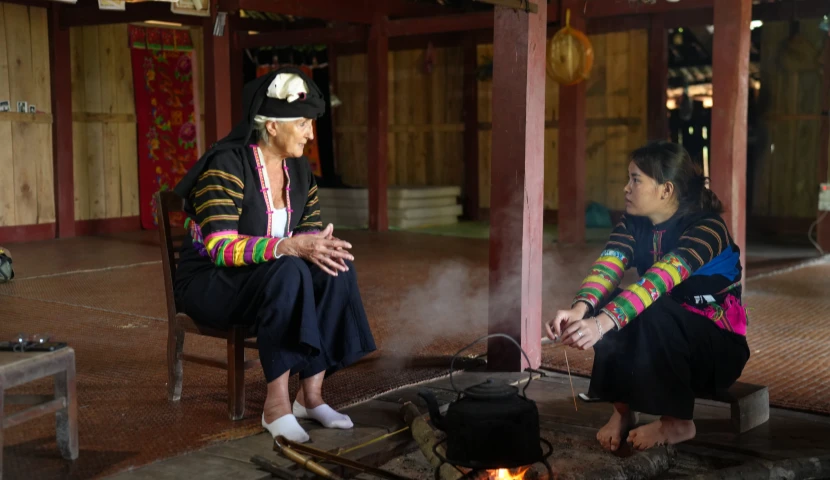
A homestay experience offers far more than simple accommodation: it allows you to live a genuine cultural immersion at the heart of ethnic minority villages, to form authentic connections, and to see Vietnam through a different lens. In this guide, discover why homestay experience in Northern Vietnam remains one of the most treasured memories of a journey through northern Vietnam, along with the best regions in which to live it.
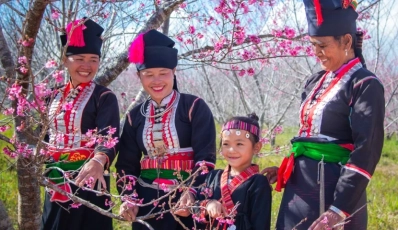
Staying with a local family allows you to experience northern Vietnam far closer to its communities. Much more than mere lodging, this experience offers the chance to better understand the traditions, customs, and way of life of the different ethnic groups who inhabit the mountainous regions.
One of the greatest strengths of a homestay experience lies in the exchanges with local families. Behind every home lie stories, skills, and a warm welcome that often turn a simple stop into one of the most memorable parts of the trip.
Far from large hotels and standard tourist circuits, a homestay invites you to travel at a slower pace and explore unspoilt villages, where nature and tradition still hold a central place. It is another, more intimate and authentic, way of discovering Vietnam.
Choosing a homestay experience also means supporting local communities and helping preserve their cultural heritage. The income generated benefits host families directly, while encouraging more sustainable tourism that respects local traditions.
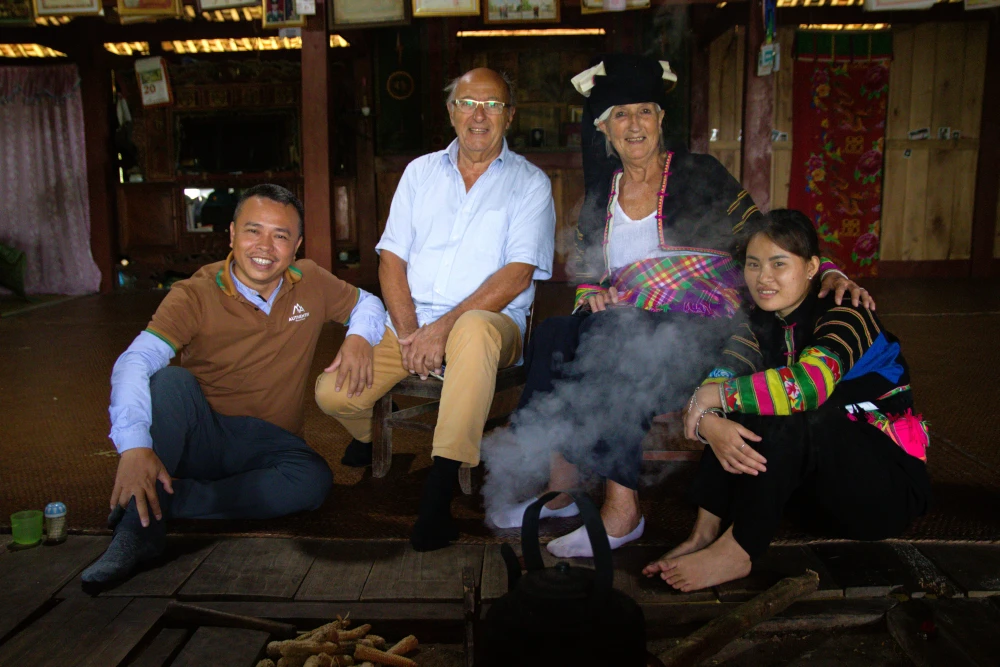
A night in a homestay begins well before bedtime. As soon as you arrive in a village, you're welcomed by a local family, often with a cup of tea or a few words of greeting. Through the trips we organise across northern Vietnam, we've seen time and again how this simplicity and hospitality make an immediate impression on travellers.
You then settle into a traditional stilt house, typical of many ethnic communities in northern Vietnam such as the Tay, Thai, or Dao people. Built from wood and open to the surrounding landscape, these homes offer a peaceful setting, far from the bustle of the cities. Comfort is deliberately simple, but it is precisely this authenticity that gives the experience its charm.
As night falls, the whole family gathers for a meal prepared with local produce. Even when language differs, smiles, gestures, and warmth are often enough to create real connection. Many travellers tell us that these shared moments, far removed from any tourist programme, rank among the most precious memories of their stay in Vietnam.
Depending on the family and the region, the evening may continue with conversation, a demonstration of traditional crafts, or a performance of traditional music. Nothing here is truly staged: every encounter is different, and it's this very spontaneity that makes the experience so authentic.
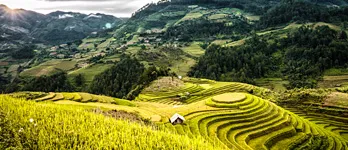
Early in the morning, the village slowly wakes. Birdsong, the first rays of sun over the rice terraces and mountains, and villagers beginning their daily tasks make for a very different awakening than in a hotel. Before setting off again, one last shared breakfast often leaves you feeling you've experienced far more than just a night: a genuine immersion in local life.
A homestay is not limited to spending a night in a traditional house. It's a chance to take part in local life, to discover age-old skills, and to share simple moments with the communities who welcome you.
3.1. Sharing a meal with a local family
One of the most cherished moments for travellers is undoubtedly the meal shared with their hosts. Seated together at the same table, guests can savour traditional dishes prepared with local produce, while chatting with the family about their daily lives and habits.
Specialities vary by region: locally grown rice, vegetables from the family garden, meat or fish raised on-site, and various recipes passed down through generations. Beyond the food itself, this moment above all represents an opportunity to form a genuine bond with local people.
3.2. Sleeping in a traditional house and living at the village's pace
Spending the night in a traditional stilt house is one of the most memorable experiences of a homestay in northern Vietnam. Unlike conventional accommodation, travellers discover a shared living space, often built from wood and blended harmoniously into its natural surroundings.
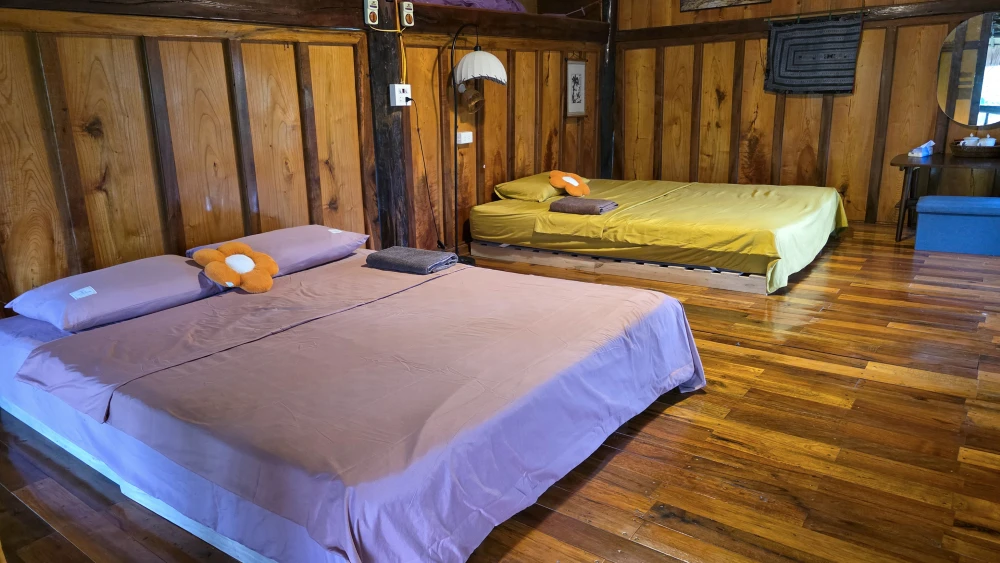
Comfort can sometimes be more basic than in accommodation found in larger towns: modern amenities are deliberately limited to preserve the authenticity of the place and the local way of life. Yet it is precisely this simplicity that gives the experience its charm. Sleeping in a house on stilts, listening to the sounds of the village at sunset, and waking up amid mountains or rice terraces makes for a truly unique moment, lived close to nature and to the people who call it home.
3.3. Taking part in the village's daily activities
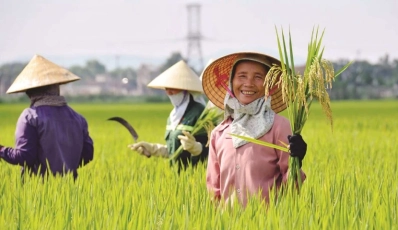
To go further in the immersion, travellers can take part in aspects of local life. Depending on the season and region, this might mean helping prepare a meal, harvesting vegetables, discovering work in the rice paddies, or simply accompanying locals in their everyday tasks.
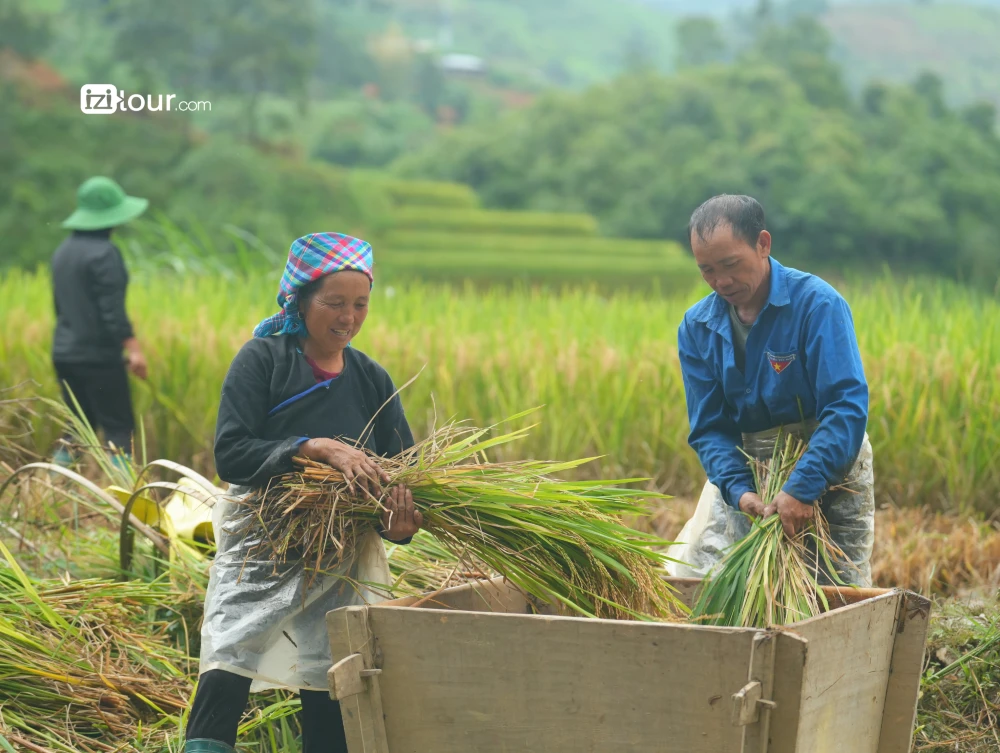
Among these experiences, harvesting local produce is often one of the moments our travellers value most. Getting your hands into the soil, picking vegetables from the family garden, or joining in farm work offers a glimpse of a different pace of life, while sharing a simple, convivial moment with your hosts.
These simple experiences help you better understand the daily life of rural communities and observe gestures that have been part of local life for generations.
3.4. Discovering local traditions and craftsmanship
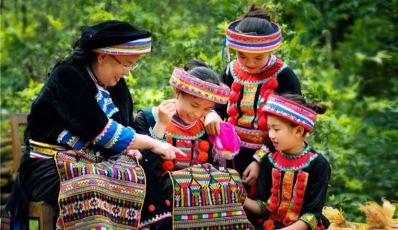
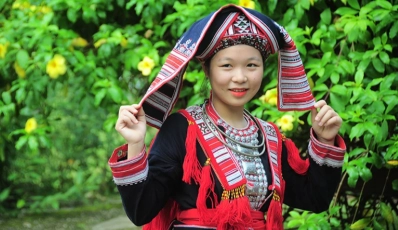
Each ethnic community in northern Vietnam has its own traditions and skills, passed down through generations. During a homestay, travellers can discover traditional crafts such as weaving, basket-making, or the creation of everyday objects from simple natural materials.
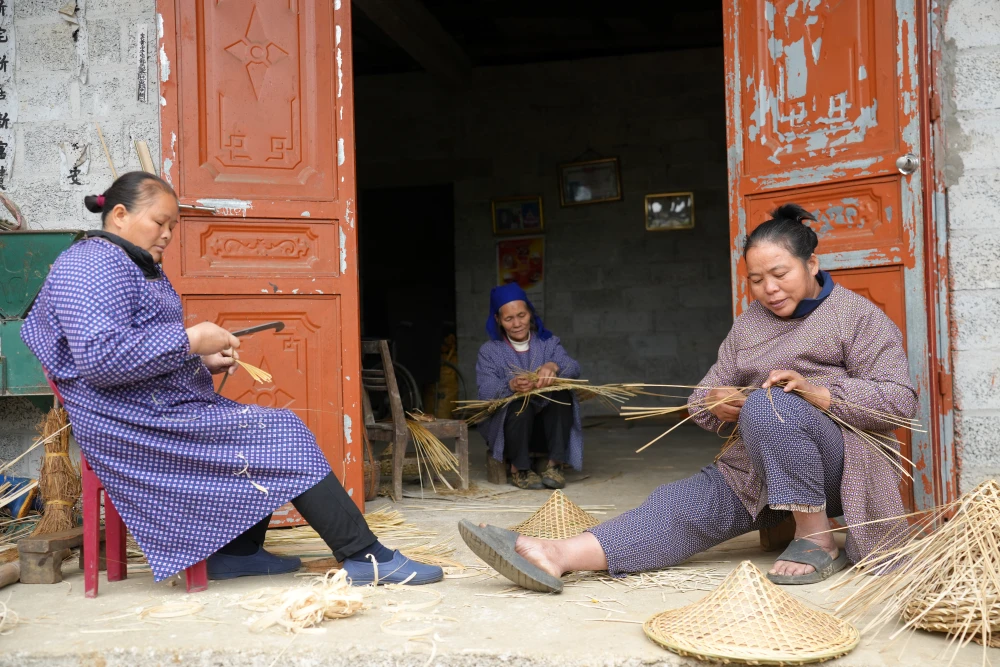
These workshops are often particularly appreciated by our travellers. Turning a few natural fibres or pieces of bamboo into a useful everyday object reveals the full creativity and skill of local artisans. As one IZITOUR traveller shared after a homestay in Ha Giang: they hadn't expected that an object made from such simple materials could require so much patience and precision, and the experience opened their eyes to the exceptional craftsmanship and creativity of local people.
Beyond the activity itself, these exchanges help you better understand the history and culture of communities who continue to keep these traditions alive today.
3.5. Exploring the surroundings and enjoying the local pace of life
Staying with a local family also allows you to discover the surrounding landscape at a gentler pace. On foot or by bicycle, travellers can wander through rice paddies, mountain paths, and small villages, sometimes accompanied by their hosts or a local guide.
But the experience isn't only about exploring the surroundings. It also invites you to slow down: sitting on the terrace of a stilt house, drinking tea, watching villagers go about their daily activities, or simply enjoying the calm of the mountains. These simple moments are often the ones that stay longest in travellers' memories.
Northern Vietnam is home to many ethnic communities who have preserved their traditions and way of life. Depending on the region chosen, the homestay experience takes on a different character: between terraced rice fields, karst mountains, peaceful valleys, and remote villages, each destination offers a unique immersion.
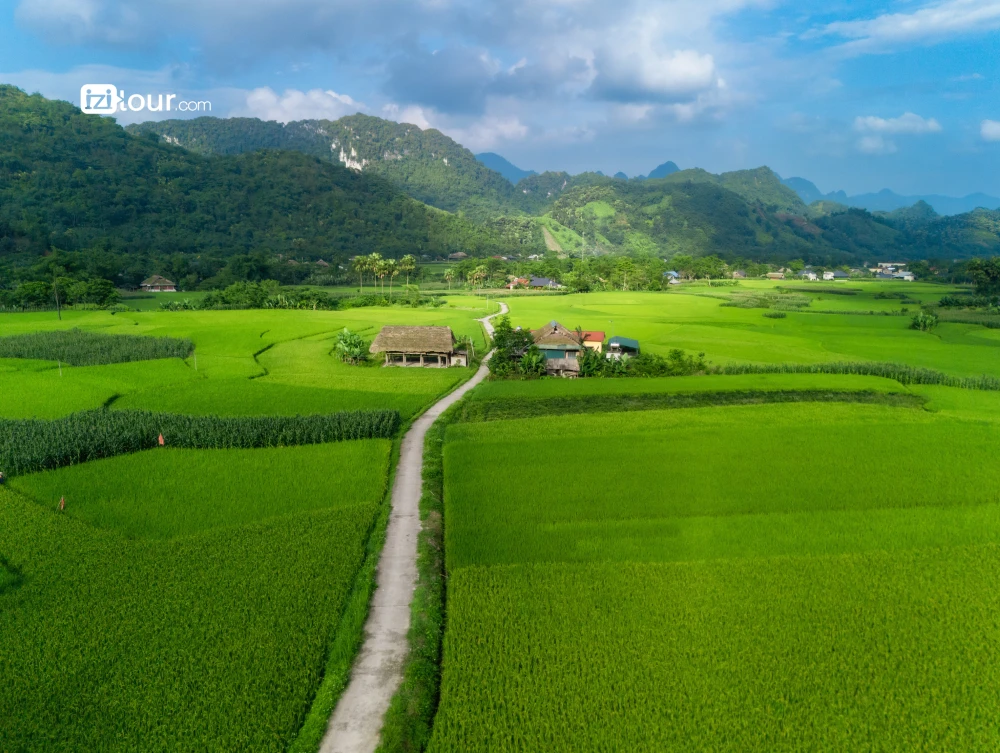
Located just a few hours from Hanoi, Mai Chau is an ideal destination for a first homestay experience. Travellers can stay in traditional stilt houses, discover Thai culture, and enjoy a setting surrounded by rice paddies and mountains.
Less visited than some other northern destinations, Pu Luong captivates with its unspoilt scenery and authentic atmosphere. Homestays here allow you to discover the daily life of Thai communities, walk through valleys, and observe a way of life still closely tied to nature.
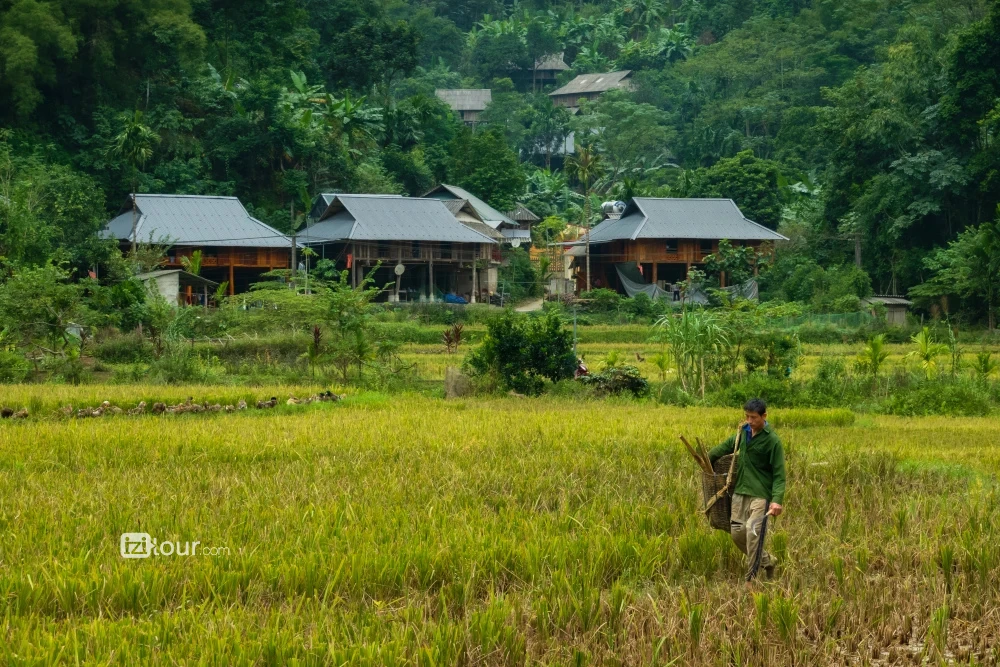
Beyond the touristy town of Sapa, the surrounding villages offer genuine immersive experiences among Hmong and Dao communities. Travellers can discover their traditions, craftsmanship, and unique relationship with the mountains.
With its dramatic scenery and rich ethnic diversity, Ha Giang is one of the most remarkable regions for a homestay. Sleeping in a local village allows you to meet different communities such as the Tay, Dao, or Lo Lo, and to discover a Vietnam that remains deeply unspoilt.
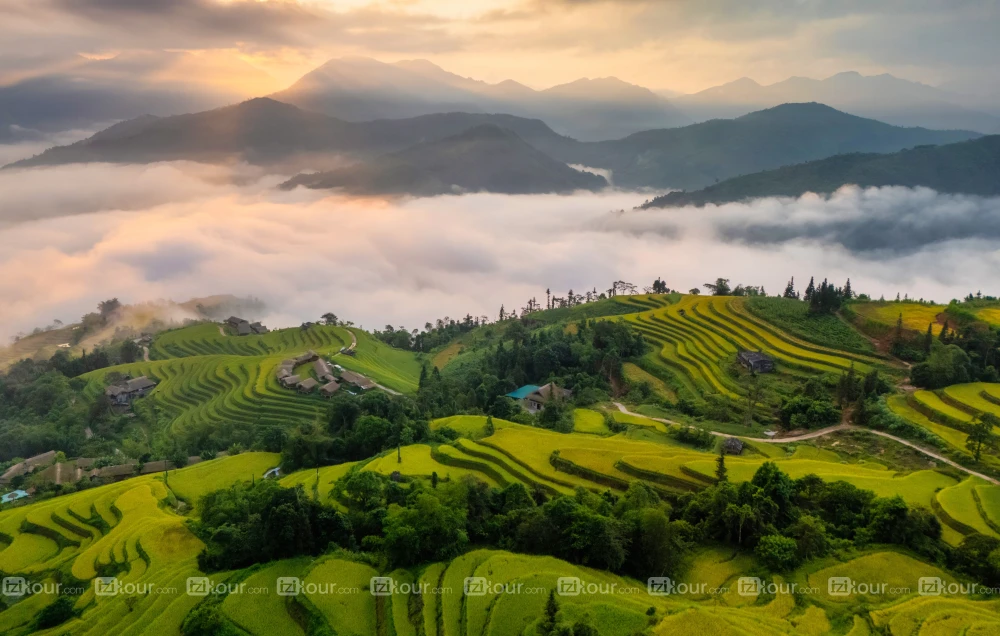
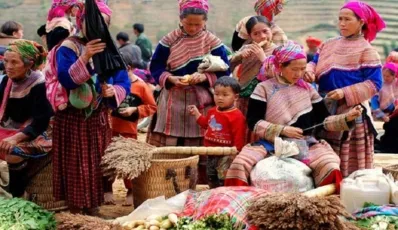
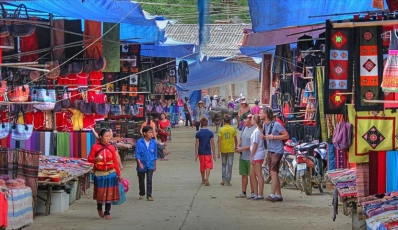
Less well-known than Sapa, Bac Ha offers a more intimate experience at the heart of northern Vietnam's villages. Famous for its colourful ethnic markets and the presence of the Flower Hmong, the region allows travellers to meet local people, discover their crafts, and share in their daily life amid authentic mountain surroundings.
Located in the far north-east of Vietnam, Cao Bang enchants with its wild scenery, limestone mountains, rivers, and traditional villages. A homestay here allows you to discover the daily life of local communities, including the Tay, Nung, and Dao, while enjoying a peaceful atmosphere far from the major tourist routes.
Still little known to international travellers, Lam Thuong charms with its natural landscapes, Tay villages, and peaceful atmosphere. Staying with a local family in this valley offers an immersion far from mass tourism, among stilt houses, unspoilt nature, and heartfelt encounters with local people.
Not all homestay experiences are alike. We recommend favouring local families experienced in welcoming travellers, who offer a clean, warm environment that respects local traditions.
A homestay offers an authentic experience, but the level of comfort may differ from that of a conventional hotel. Rooms are generally simple, spaces are sometimes shared, and amenities can be limited in mountainous regions. Even so, this simplicity is part of what makes the experience so charming.
Each community has its own habits and traditions. A few simple gestures can help build a more pleasant relationship with your hosts: asking before taking photographs, respecting private spaces, and taking time to talk with the family.
A single night is enough to get a feel for a village's atmosphere, but staying two nights or more allows for a deeper immersion. You'll have more time to take part in local activities, explore the surrounding area, and build genuine connections with your hosts.
Staying with a local family in northern Vietnam is about far more than choosing different accommodation. It's about taking the time to discover a different pace of life, sharing simple moments with local people, and understanding traditions that remain deeply rooted in village life. If you'd like to live an authentic experience and discover a more intimate side of Vietnam, feel free to contact us on +84 382 536 266 or by email at [email protected]. Our IZITOUR team is on hand to design an itinerary tailored to your interests.
>> Read more:




 TRAVELERS' CHOICE 2026