
Earlier I thought differently, many thanks for the information.
__________
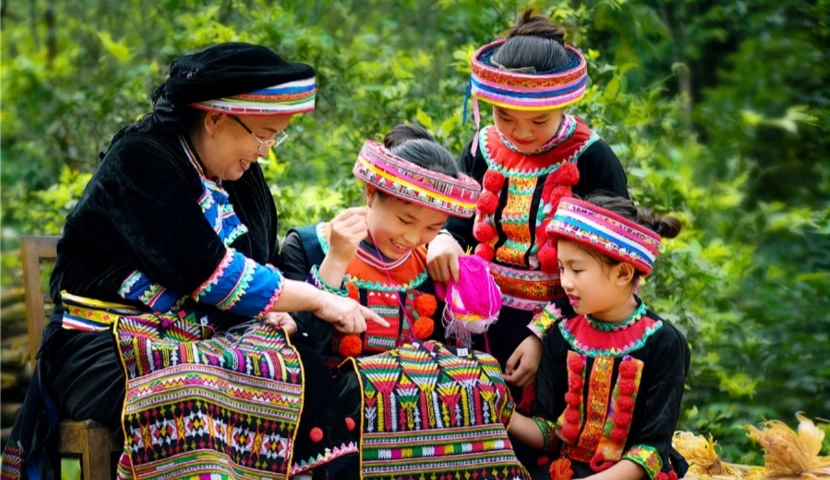
With 54 ethnic groups living across the country, Vietnam boasts exceptional cultural diversity. While the major cities tell the story of the country’s modern history, the northern mountains are home to a true living heritage, where traditions, colourful costumes, ancestral crafts, and communal lifestyles are passed down from generation to generation. From the north-west to the north-east, each region offers the opportunity to meet indigenous communities with unique identities, providing some of the most extraordinary places to experience Vietnam ethnic cultures and discover a more authentic side of Vietnam.
Situated in the north-west mountains, Sa Pa is one of the most famous destinations for discovering Vietnam's ethnic cultures. The region is home to several communities, notably the Hmong and the Giay (Dzay), who continue to preserve their traditions, costumes, and ancestral way of life.
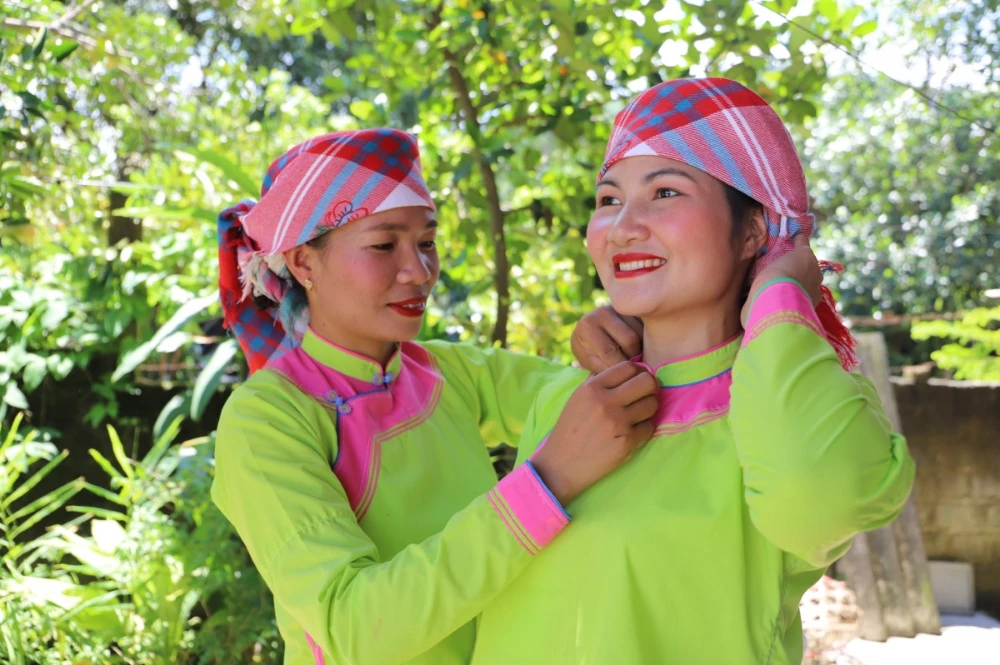
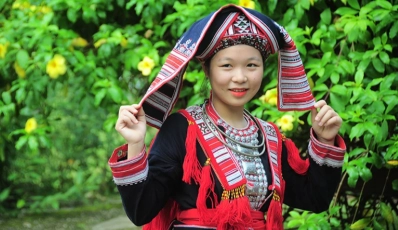
The villages of Lao Chai and Y Linh Ho are primarily inhabited by the Black Hmong. They are well-known for their traditional textile crafts, particularly indigo dyeing and hand-embroidered clothing. Further along, Ta Van village is renowned for its Giay community. The Giay live mainly in fertile valleys near watercourses. The choice of location and orientation of their houses still follows specific traditional beliefs passed down through generations today. According to their beliefs, a house built in a harmonious environment and oriented according to ancestral rules is a symbol of prosperity and family happiness.
Beyond the spectacular landscapes of terraced rice fields, Sa Pa offers a genuine cultural immersion through local markets, encounters with residents, and authentic homestays. It is an ideal destination to experience the living cultural heritage of ethnic minorities in northern Vietnam.
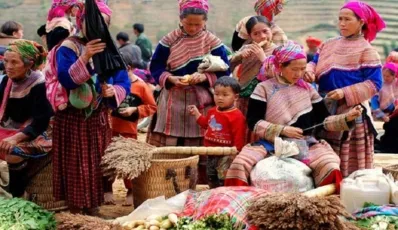
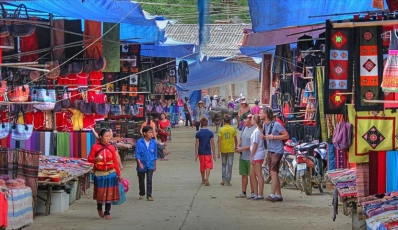
Located in Lao Cai province, Bac Ha is famous for its authentic atmosphere and its renowned Sunday market, one of the most colourful in northern Vietnam. This region is inhabited by several ethnic groups, including the Flower Hmong, Phu La, and Tay, who still perpetuate their ancestral traditions and craftsmanship today.
The Hmong are celebrated for the khèn, an emblematic instrument of their culture. Far more than a simple musical instrument, the khèn is considered a means of communicating with spirits and ancestors. It accompanies traditional festivals, the Hmong New Year, and funeral ceremonies, and sometimes serves as a language of love, allowing young men to express their feelings through music.
The Bac Ha market serves as a vital gathering place where inhabitants from neighbouring villages come to trade agricultural products, local handicrafts, and livestock. It is also a wonderful opportunity to admire vividly colourful traditional costumes and discover the cultural richness of the north-western Vietnamese mountain communities.
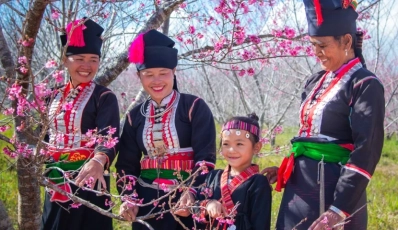
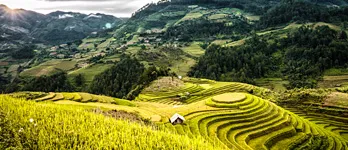
Renowned for its spectacular terraced rice fields, Mu Cang Chai is also one of the best places to discover the culture of the Black Hmong. In the villages of La Pan Tan, Che Cu Nha, and De Xu Phinh, traditions remain deeply rooted in daily life.
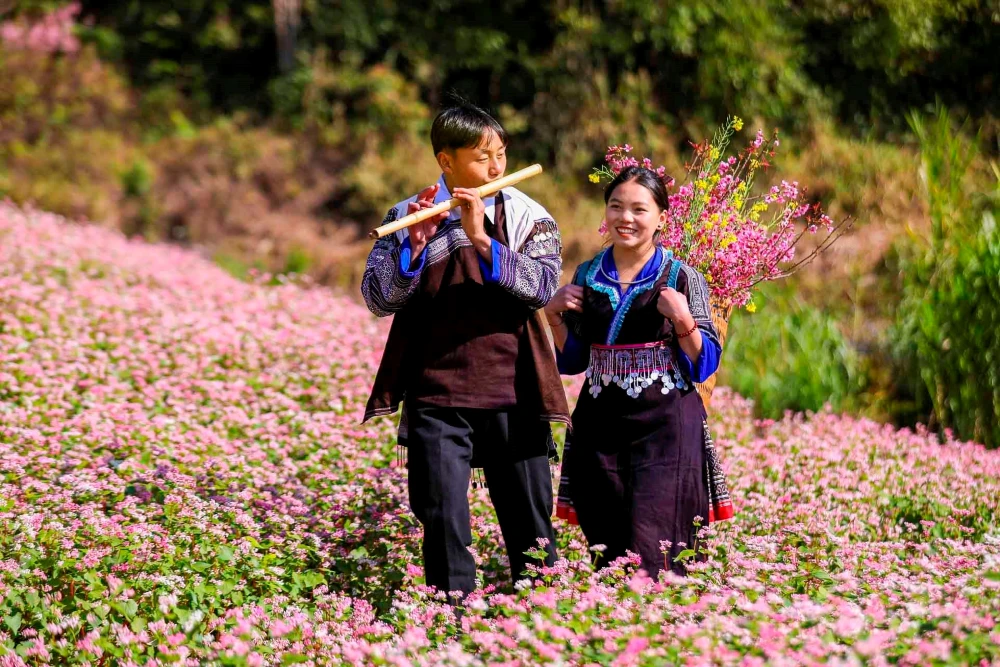
The locals continue to practice mountain farming, traditional weaving, and indigo dyeing—know-how transmitted for generations. At the end of the year and the beginning of spring, the region comes alive to the rhythm of the Hmong Khen Festival, where the melodies of this traditional instrument resonate at the heart of the celebrations. This is also the season when To Day flowers (wild peach blossoms) cover the mountains in a magnificent pink coat, creating one of the most beautiful landscapes in northern Vietnam.
Nestled in the Muong Lo valley, Nghia Lo is considered one of the most important cultural centres of the Black Thai people. The region also welcomes Hmong and Red Dao communities, contributing to the cultural tapestry of north-west Vietnam.
The Black Thai people preserve many ancestral customs. Married women traditionally wear the tằng cẩu, a high bun styled on top of the head that marks their status within the community. Their traditional houses are distinguished by the khau cút, a wooden structure shaped like buffalo horns placed on the roof. Inherited from the wet-rice civilisation, this architectural element symbolises prosperity, protection of the home, and attachment to communal values.
Visitors can discover traditional stilt houses, sample local gastronomy, and witness the famous Xoe dance, which is inscribed on the UNESCO Intangible Cultural Heritage list. A symbol of conviviality and sharing, this collective dance occupies an essential place in the community life of the Thai people.
Located in Ha Giang province, the mountainous region of Hoang Su Phi is one of the richest in Vietnam regarding cultural diversity. The Dao, La Chi, Phu La, Tay, Nung, Hmong, and Pu Peo have coexisted here for generations, each retaining their own traditions, costumes, and community festivals.
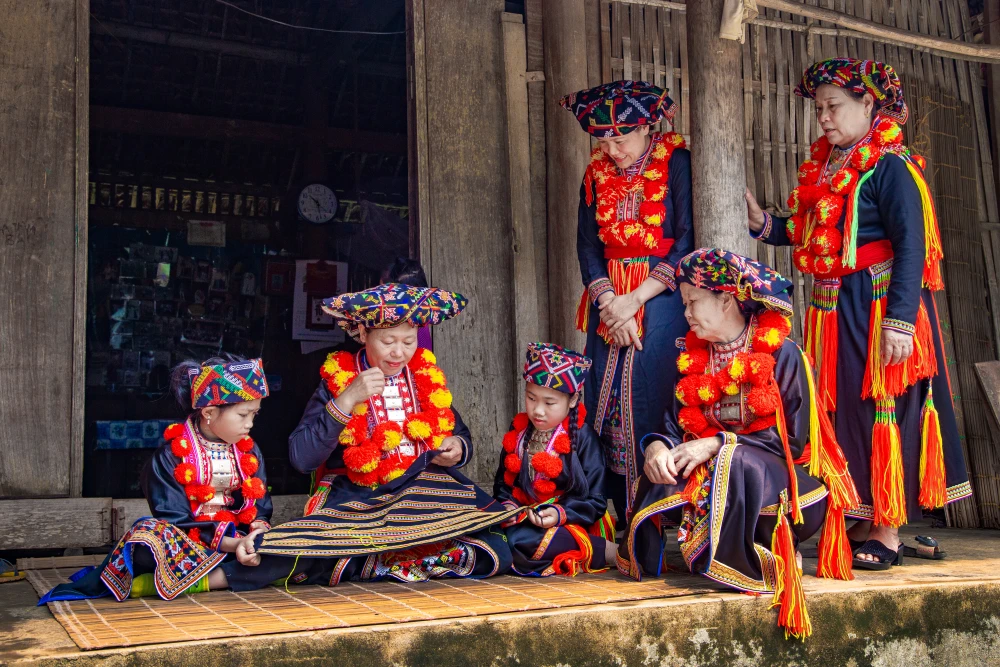
Among the Red Dao, fire plays a vital role in daily life as well as in spiritual beliefs. Considered a symbol of protection, it is believed to ward off evil spirits and illnesses while bringing warmth, prosperity, and abundance to the community. For this reason, in early spring and during the New Year, many Red Dao villages celebrate the Fire Jumping Festival, one of their most spectacular traditions. According to local beliefs, this ceremony invokes the benevolence of the fire spirit to ensure a peaceful year, favourable weather conditions, and bountiful harvests.
Beyond its famous terraced fields, Hoang Su Phi offers a rare immersion into the daily life of north-eastern ethnic minorities. Local markets, isolated villages, and traditional houses allow travellers to discover a living cultural heritage that remains largely preserved from mass tourism.
At the heart of the Dong Van Karst Plateau, several ethnic communities continue to preserve their cultural identity, notably the Bo Y people—one of the 16 extremely small ethnic groups in Vietnam, numbering just over 3,000 people nationwide. Despite their small population, this group possesses its own distinct traditions, architecture, and costumes.
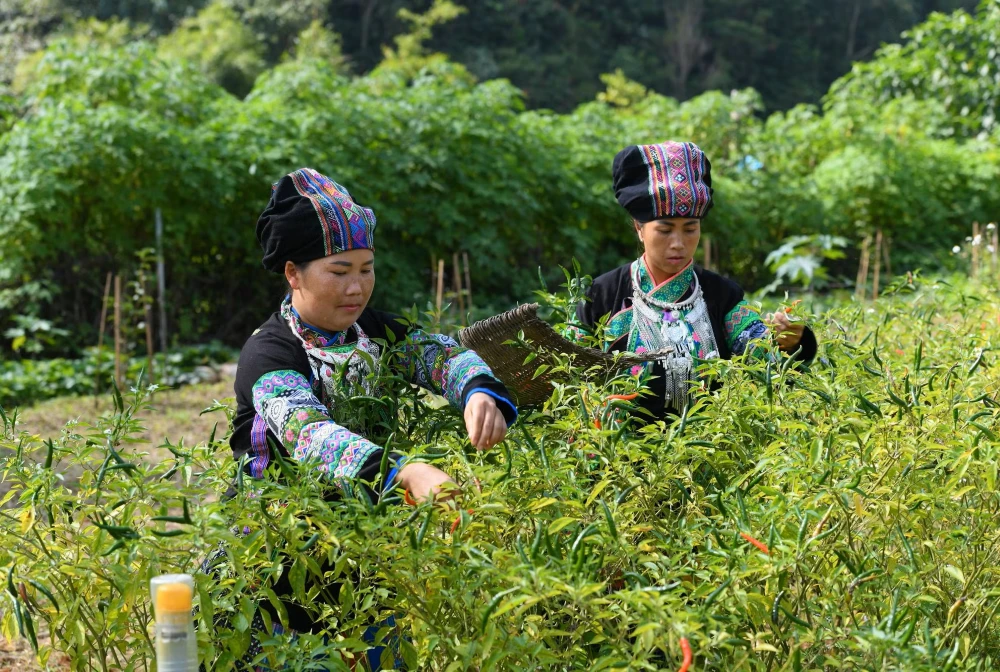
Every year, on the 8th day of the 4th lunar month, the Bo Y people celebrate a unique traditional festival called "Sử giề pà", also known as the Buffalo Gratitude Festival. This ceremony originates from a legend that a sacred buffalo descended to earth to help villagers find water during a drought and cultivate the rice fields. In Bo Y culture, the buffalo is regarded as a protective spirit linked to agriculture. The festival is thus organised to express recognition and gratitude towards the animal, whilst praying for good harvests and a prosperous year.
The region also captivates visitors with its dramatic landscapes and traditional ethnic markets, where different communities meet to exchange agricultural goods, local crafts, and regional delicacies. It is an ideal destination to combine cultural discovery with the exploration of the northern Vietnam mountains.
The province of Cao Bang is home to several ethnic groups, among which the Tay and Nung hold a prominent place. In rural villages, visitors can discover traditional houses, artisanal skills, and a lifestyle closely tied to the region's mountains and valleys.
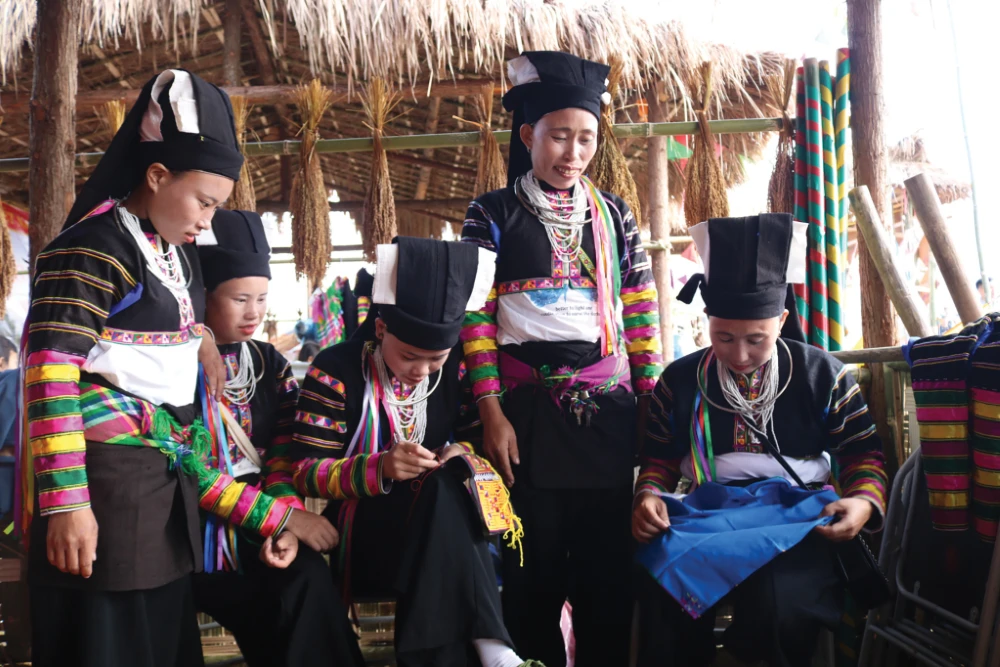
Further north, in the Bao Lac district, live the Black Lolo, one of the most remarkable ethnic groups in Vietnam. The Black Lolo are famous for preserving an exceptional musical heritage tied to bronze drums, inherited from the ancient Dong Son culture. In their belief system, life and death remain deeply interconnected, and the souls of the deceased continue to belong to the community. This is why the funeral ritual known as "ma khô" occupies a central role. During this ceremony, a spiritual master recites epic chants that can last for several days and nights, accompanied by bronze drums played in pairs. These sounds are intended to guide the soul of the deceased to their ancestors. During the chants and invocations, family and village members dance to the rhythm of the drums. Each Lolo village still preserves several pairs of ancient drums used during ceremonies and passed down from generation to generation, bearing witness to a unique cultural legacy in Vietnam.
Around Ba Be Lake, the village of Pac Ngoi stands as one of the best places to discover the culture of the Tay people. The stilt houses of the Tay are distinguished by their simple architecture, which is perfectly adapted to the natural environment. Built mainly of wood, they are elevated to protect against humidity, flooding, and wild animals. Generally located close to terraced fields, rivers, or streams, these dwellings blend harmoniously into the landscape. The space beneath the house is often used to store farming tools or shelter livestock, while the upper floor serves as the family living area. The layout of the house also reflects the communal lifestyle of the Tay, where nature, water, and cultivated land occupy a central position in their daily balance.
Visitors can share the daily life of the inhabitants, taste local specialities, and attend performances of Then singing, an emblematic cultural tradition of the Tay communities. Between unspoiled nature and human encounters, Ba Be allows you to discover another facet of northern Vietnam's cultural heritage.
Nestled in a lush valley, Mai Chau is one of the most accessible destinations to experience the culture of the White Thai. The villages of Lac and Pom Coong are renowned for their traditional stilt houses, artisanal activities, and warm hospitality.
The White Thai people of Mai Chau still preserve several ancient matrimonial traditions today, including the practice of "Khươi quản", a form of matrilocal residence where the groom lives with the future bride’s family. This trial period, which can last from one to several years, allows the young man to participate in the daily life of his fiancée's family. More than just a custom, this tradition demonstrates a deep sense of responsibility and family respect. During this period, the future husband helps with agricultural work, gets to know his future wife better, and proves his ability to build a life together.
Once indispensable before the official marriage, this rite is no longer compulsory today, but it remains an important cultural tradition, illustrating the values of solidarity, hard work, and family cohesion specific to the White Thai.
Staying in a local homestay allows travellers to share the daily routine of local families, sample traditional cuisine, and enjoy folk music and dance performances. Thanks to its peaceful setting and rich cultural heritage, Mai Chau serves as an excellent introduction to the ethnic minority cultures of Northern Vietnam.
Located just a few hours' drive from Mai Chau, the Pu Luong Nature Reserve offers a more intimate experience among the Thai and Muong communities. They still live today in a well-preserved environment, amidst terraced rice fields, isolated hamlets, and traditional stilt houses.
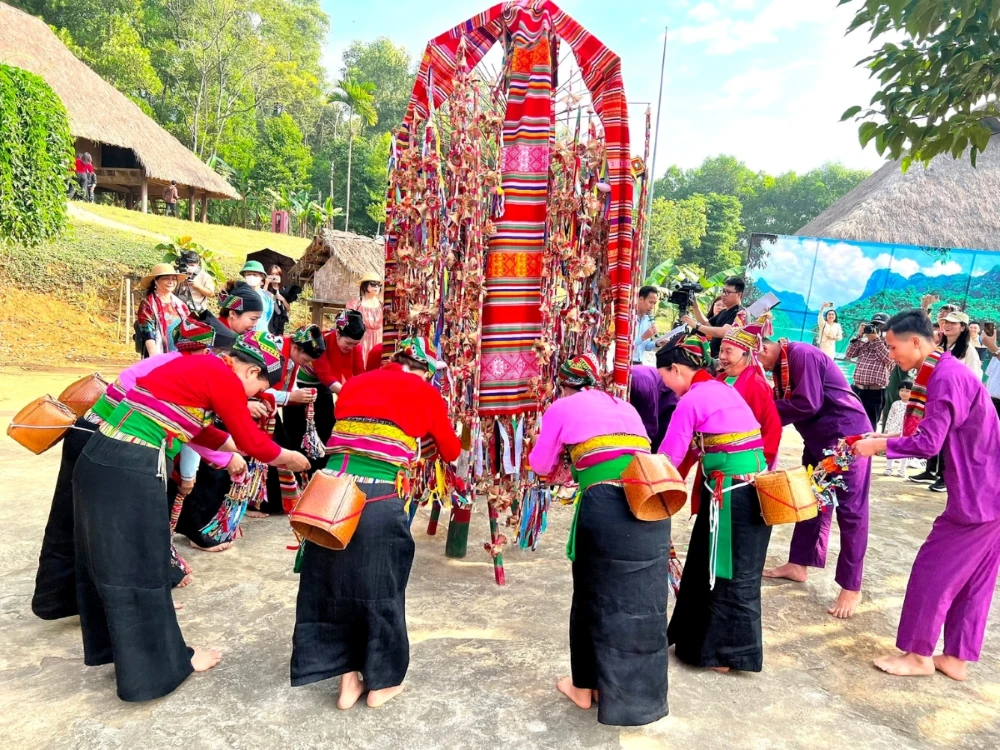
The Muong live in houses built of wood, covered with palm leaf or thatch roofs. The hearth occupies a central place in daily life. When constructing a new house, they perform the ritual of "đắp bếp", a ceremony dedicated to the domestic fire and ancestors. This rite aims to thank the protective spirits and bless the new dwelling. In Muong culture, fire symbolises family warmth, prosperity, and the cohesion of the household. It is considered a sacred element, guaranteeing happiness and protecting the house from negative influences.
Thanks to its traditional lifestyle and developing community-based tourism, Pu Luong offers an authentic immersion into the local cultures of Vietnam.
Discovering the ethnic cultures of Vietnam means exploring a country of many faces, where each region reveals its own traditions, costumes, festivals, and craftsmanship. Well beyond the landscapes, it is often the encounters with the locals that make a trip truly memorable. This is an open invitation to experience Vietnam differently, getting as close as possible to its living heritage and human richness.
See more:




 TRAVELERS' CHOICE 2026