
Earlier I thought differently, many thanks for the information.
__________
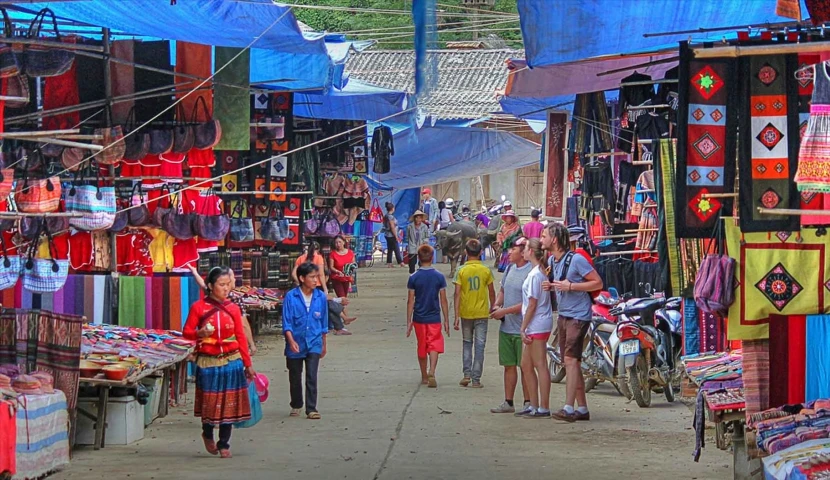
When planning a holiday to Vietnam, most travellers picture tropical beaches or bustling cities. However, the true cultural heart of the country lies in the north: the vibrant ethnic markets of the mountainous regions. Far more than simple trading posts, these ethnic markets are the beating heart of local communities. They offer a unique cultural experience where you can witness ethnic minorities in brilliant traditional costumes, discover authentic handmade crafts, and experience the true soul of the Vietnamese mountains. In this article, we highlight why these local markets are essential for an authentic travel to Vietnam and which destinations to add to your Vietnam itinerary.
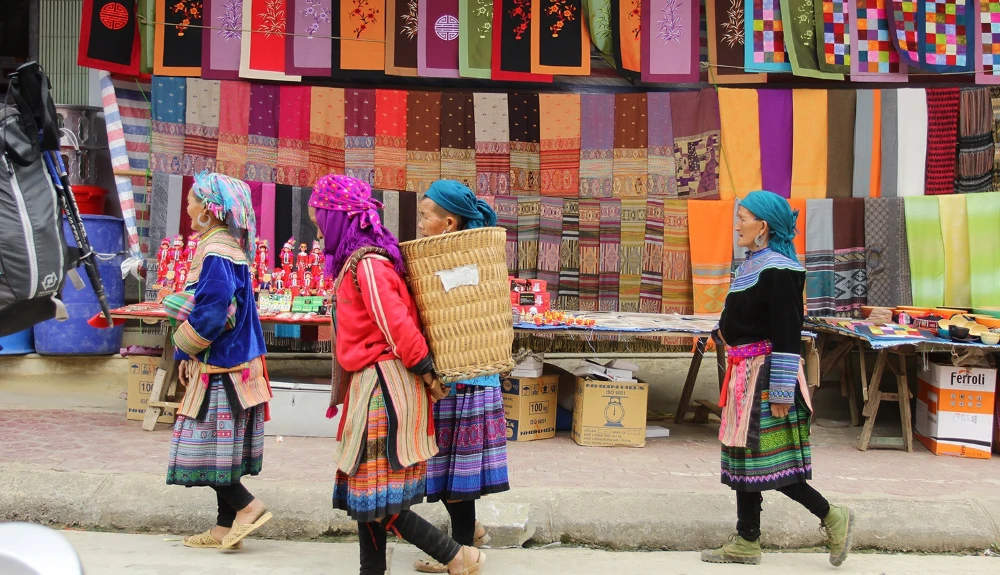
Ethnic markets represent a unique cultural experience, a perfect fusion of history, social encounters, commercial trade, and ancient traditions.
Established centuries ago, these markets have always played a fundamental role in the economy and social life of local communities. The characteristic that distinguishes them from conventional markets is their periodicity. Instead of being open every day, they take place only on specific days. Today, most are held once a week, although in the past, the dates were determined according to the lunar calendar.
Much more than a market
Beyond the buying and selling of essential goods, these local markets are important meeting points where different mountain communities gather to share stories, news, knowledge, and traditions.
In the North Vietnam mountain regions, where villages are often isolated and homes are far apart, these markets represent a true hub of social life. Here, people meet, exchange information, participate in traditional games, eat together, and enjoy moments of conviviality.
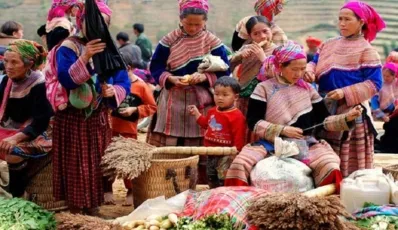
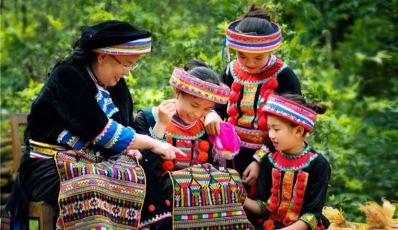
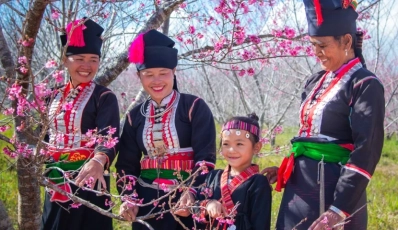
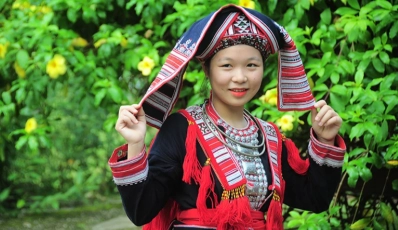
For the occasion, locals proudly wear their stunning traditional attire, richly hand-embroidered and characterised by bright colours. Children also eagerly await the market day, happy to see friends from neighbouring villages again.
An explosion of colours and products
The ethnic markets are famous for their extraordinary variety of fresh agricultural produce, handmade crafts, and traditional textiles that reflect the talent and creativity of each ethnic group.
Strolling through the stalls, you can admire freshly harvested vegetables, fragrant spices, magnificent handmade fabrics, and witness lively negotiations in the livestock sections.
In addition to local produce, the markets also offer household items, traditional medicines, blankets, tools, and everything needed for the daily life of mountain families. Despite the growth of modern supermarkets and shopping centres, these markets continue to thrive today thanks to the strong support of local communities.
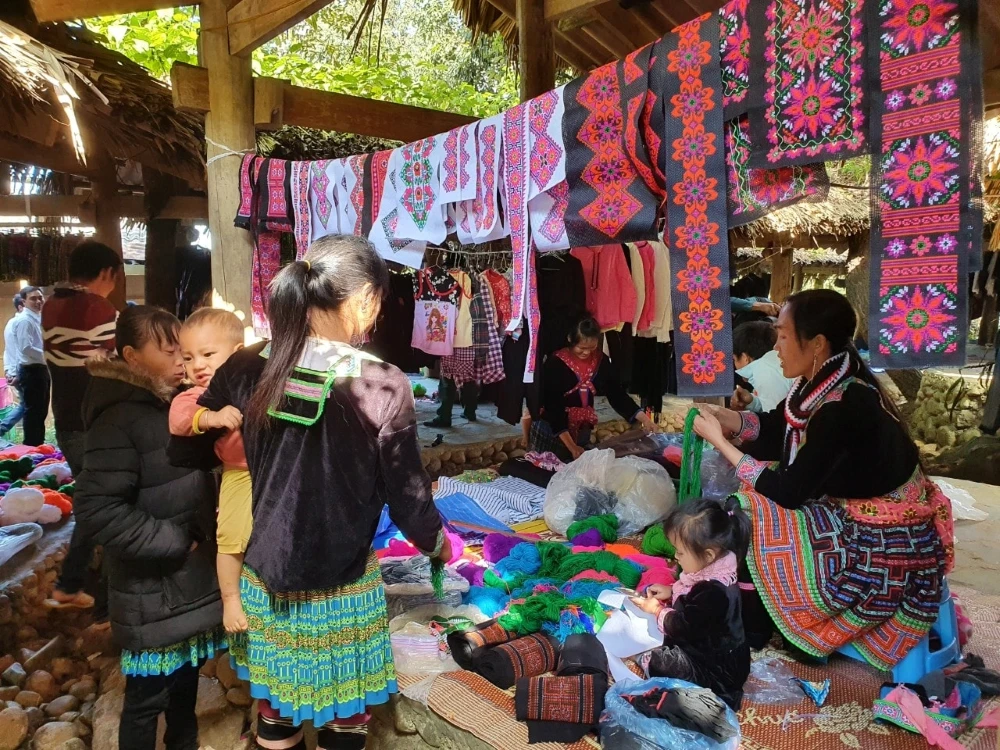
Ethnic markets allow you to come into contact with the extraordinary cultural richness of Vietnam’s numerous ethnic minority groups.
Each community possesses distinctive traditions, crafts, clothing, music, and gastronomy. By observing market life, you will gain a deeper understanding of their lifestyle and customs.
These markets offer an open and welcoming environment where you can interact directly with the locals.
It is the ideal opportunity to meet artisans, talk to traders, learn a few words in their language, and share authentic moments with the local community. The hospitality and genuine smiles of the mountain people always leave an indelible memory.
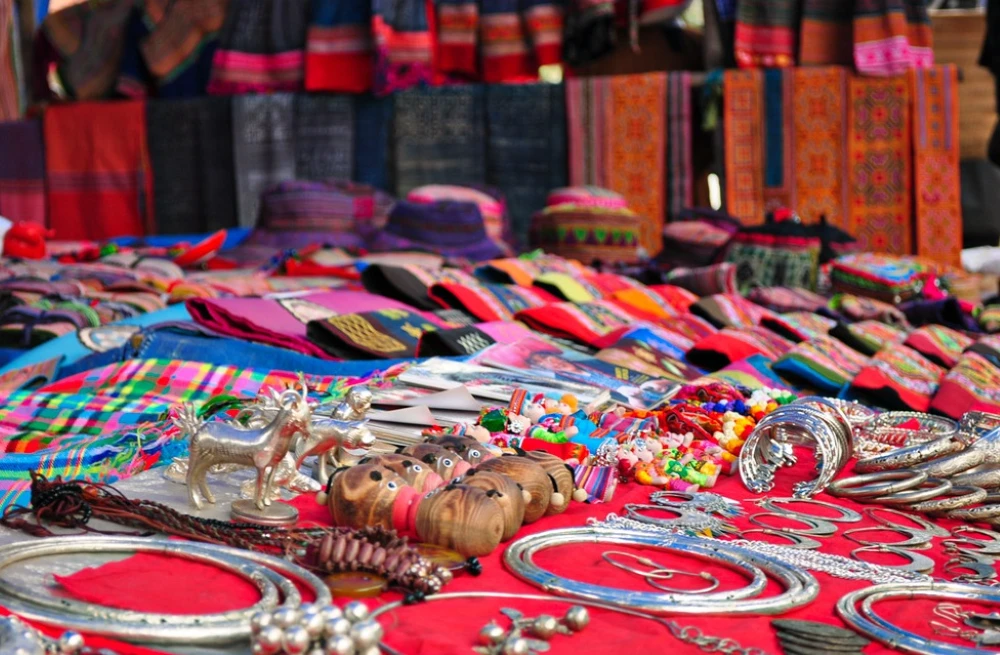
If you love unique, handmade items, these markets are a true paradise. You will find colourful textiles, finely crafted silver jewellery, wood carvings, and numerous other traditional handicrafts.
By purchasing directly from the artisans, you will not only bring home a special Vietnam souvenir, but you will also contribute to supporting the local economy. Furthermore, the markets are the perfect place to sample regional culinary specialties, traditional spices, and fresh agricultural products.
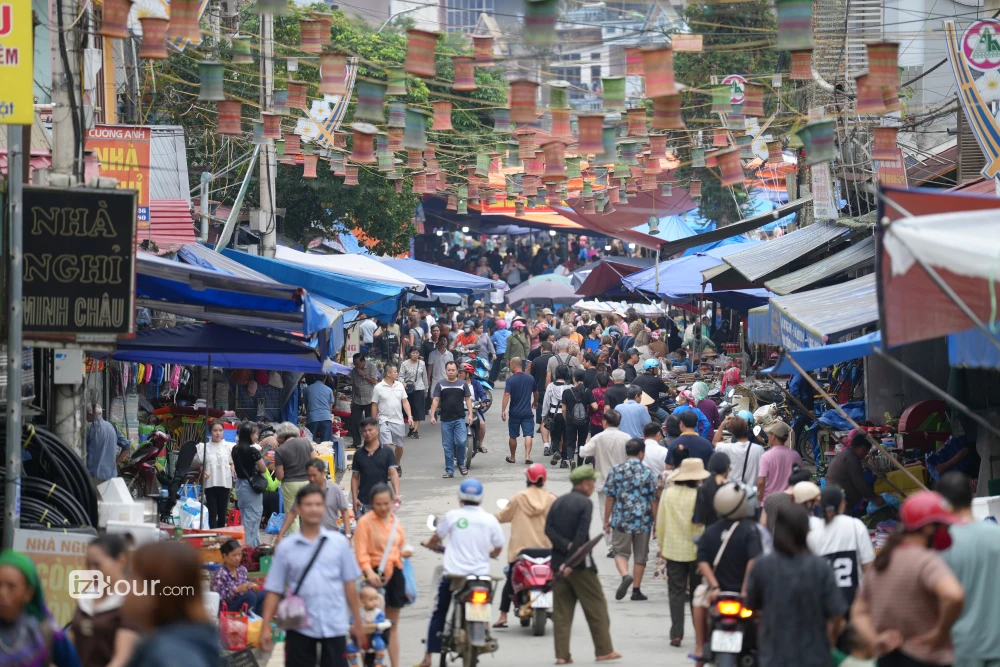
Held every Sunday in the mountainous province of Lao Cai, Bac Ha Market is probably the most famous market in Northern Vietnam. Here, numerous ethnic groups meet, including the Flower H'Mong, Dao, Tay, and Nung.
Among the specialties to try, Thang Co (a traditional meat soup), five-coloured sticky rice, and many other typical dishes stand out. The stalls are packed with brocade fabrics, local crafts, silver jewellery, and bamboo products. Particularly interesting is the livestock market, where horses, buffaloes, and cattle are bought and sold in a lively and authentic atmosphere.
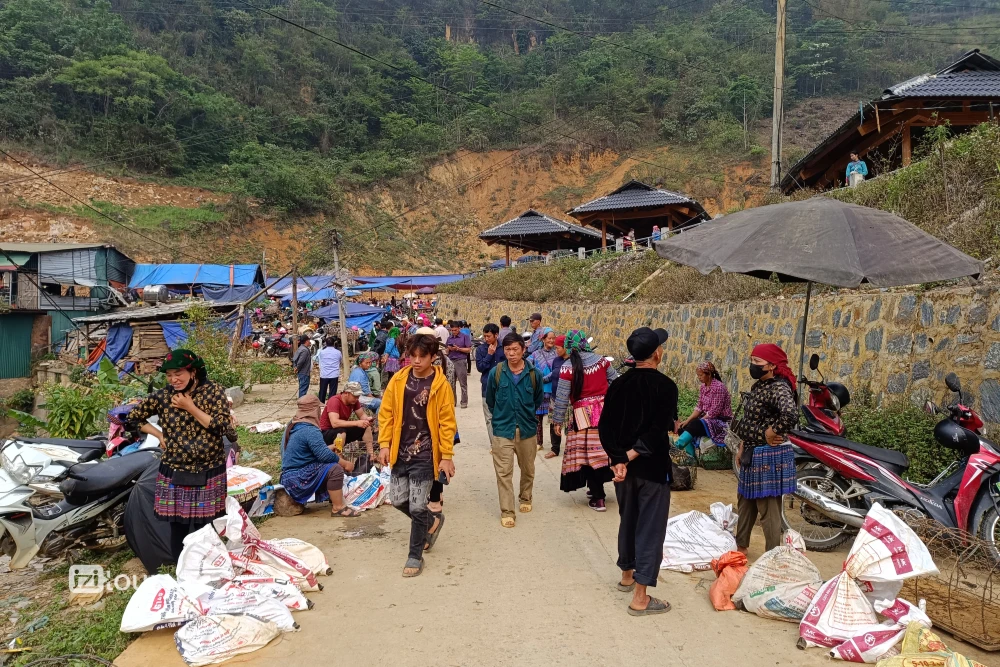
Every Saturday, Can Cau Market offers a deep dive into mountain culture. Smaller and less crowded than Bac Ha, it retains a particularly authentic traditional atmosphere.
Frequented mainly by the Flower H'Mong, Phu La, and Red Dao, it is famous for its splendid hand-embroidered clothing and handcrafted silver jewellery. Here you can buy textiles, traditional costumes, musical instruments, and local agricultural products. Do not miss the grilled chicken skewers and the famous corn wine, known for its strong character.
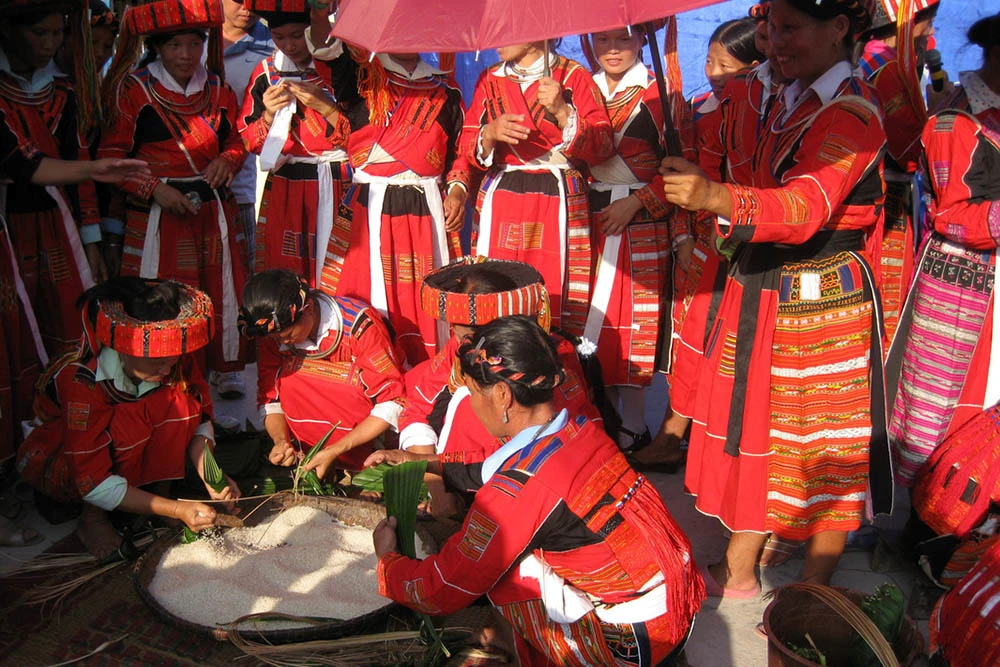
Considered a true hidden gem, Coc Ly Market takes place every Tuesday. It is attended by the Tay, H'Mong, Giay, and Dao communities, who are easily recognisable by their colourful traditional clothing.
Less touristy than other markets in the region, it offers a peaceful and genuine atmosphere. Among the stalls, you will find artisanal textiles, silver jewellery, traditional musical instruments, and numerous medicinal herbs, all set against a mountain backdrop of extraordinary beauty.
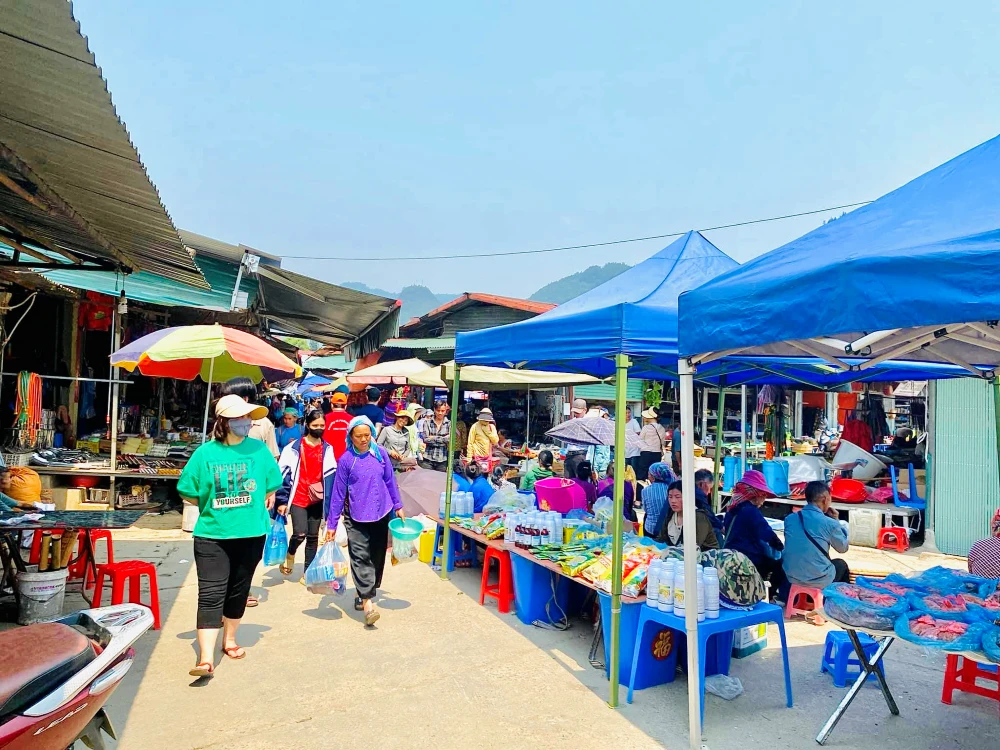
Located about 50 km from Lao Cai city, Cao Son Market is held every Wednesday morning. The H'Mong, Dao, Tay, and Nung communities participate in it.
It is the ideal place to admire and purchase magnificent hand-embroidered textiles, traditional garments, and cotton or linen fabrics. Highly appreciated are also the silver jewellery pieces decorated with tribal motifs. Among the stalls, corn, vegetables, aromatic herbs, and fresh fruit abound. The livestock area, where buffaloes, pigs, and poultry are traded, is one of the market's most characteristic aspects.
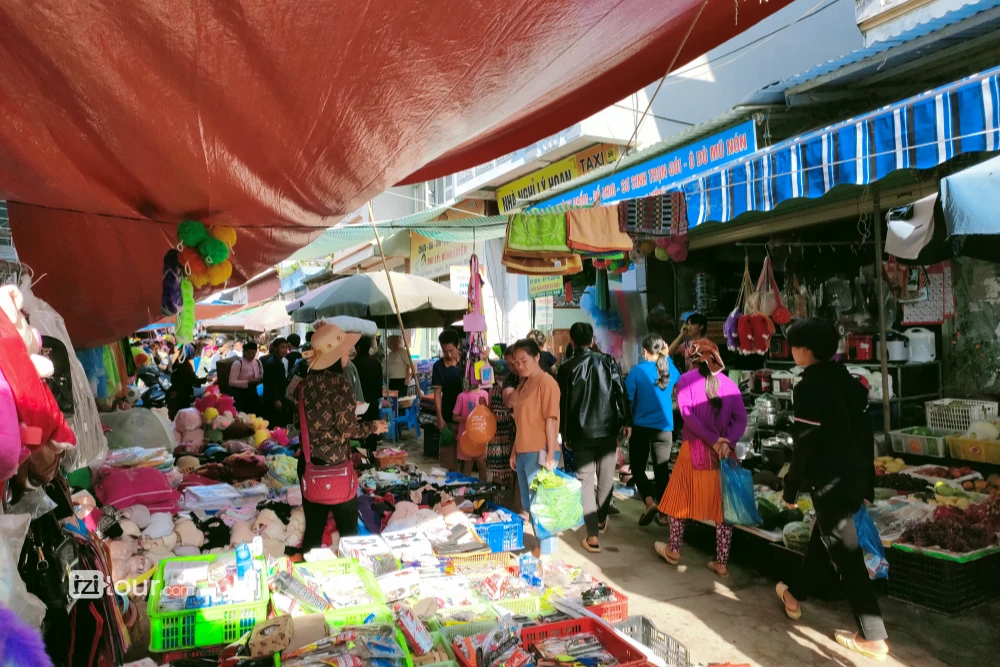
In the heart of the Ha Giang karst plateau, Dong Van Market takes place every Sunday and is one of the most fascinating markets in Northern Vietnam. The journey to reach it crosses spectacular mountain passes and unique limestone landscapes.
The market brings together the H'Mong, Tay, and Lo Lo communities in an extraordinary cultural mosaic. Traditional textiles, silver jewellery, and refined artisanal products can be found among the stalls. One of the most famous specialties is mint honey, produced by bees that collect nectar from the wild flowers of the limestone mountains, giving it a pure and unmistakable aroma. Visiting Dong Van means living an intense cultural experience immersed in one of Vietnam's most spectacular natural settings.
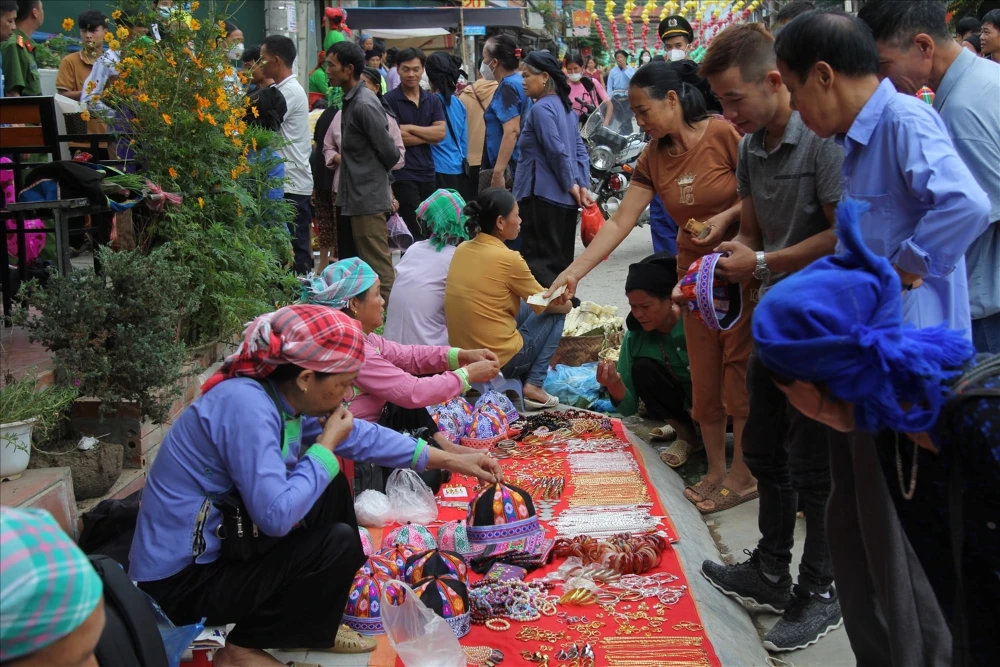
Located in Cao Bang, Bao Lac Market is one of the culturally richest mountain markets in the northern mountainous region.
The market is held every five days and brings together numerous ethnic groups such as the H'Mong, Dao, Tay, Nung, and Lo Lo, all dressed in their vibrant traditional clothing. Here, visitors can discover local products such as wild vegetables, aromatic herbs, honey, livestock, and traditional crafts. More than a simple commercial centre, the market is also a gathering place for the community, reflecting the life and culture of the highland inhabitants, with an authentic atmosphere unspoilt by mass tourism.
Another peculiar feature of Bao Lac Market is its strong sense of community interaction. On market days, it is not only a lively place to buy and sell, but also a space to meet, chat, and forge bonds between people from different villages.
The ethnic markets of Vietnam are not merely places of commerce: they are true living museums that safeguard the soul of the mountains. From the vibrant atmosphere of Bac Ha to the tranquility of Coc Ly, each market tells a unique story made of traditions, culture, and human encounters.
If you are planning an authentic trip to Vietnam, dedicate some time to exploring these extraordinary places. They will allow you to discover the most genuine face of the country and the incredible hospitality of its local communities.
See more:





 TRAVELERS' CHOICE 2026