

Earlier I thought differently, many thanks for the information.
__________
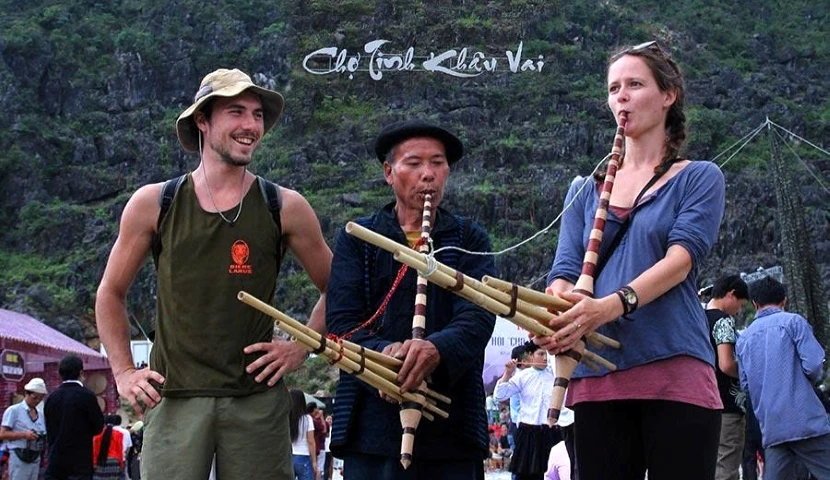
Your second trip to Vietnam is your chance to experience the country differently. Instead of rushing from one famous landmark to the next, you have the freedom to revisit the places you loved and discover those you didn't have time to see. Without the pressure to check off the highlights, every day feels more relaxed, more personal, and full of unexpected discoveries. For many travelers, that's what makes a return visit even more rewarding.
To help you make the most of your return, here are some of the best things to do on your second trip to Vietnam.
If your first trip stopped at Sapa or Ha Long Bay, it's time to go further off the map. The far north — Cao Bang, Ba Be, Hoang Su Phi, and Mu Cang Chai — is where Vietnam gets raw and dramatic.
The Cao Bang Loop winds through the Non Nuoc Cao Bang Global Geopark, past Angel Eye Mountain, a natural rock arch locals call "the mountain with a hole through its heart," and through the wide, emerald-green Phong Nam Valley. It leads to the thundering, three-tiered Ban Gioc Waterfall straddling the Vietnam-China border, then into the Nguom Ngao Cave, where centuries of dripping water have carved out an underground world of stalactites and stalagmites. Compared to the Ha Giang Loop, Cao Bang feels gentler. The valleys are wider, and there are more lakes and flatter stretches of road woven between the mountains, waterfalls, caves, and villages. It's less about conquering hairpin passes and more about slowing down to take in the scenery.
Further west, in Hoang Su Phi, terraced rice fields spill down the mountainsides in every direction. They're arguably even more dramatic than Sapa's, yet far less crowded, with local Dao and Nung villages tucked quietly into the folds of the hills.
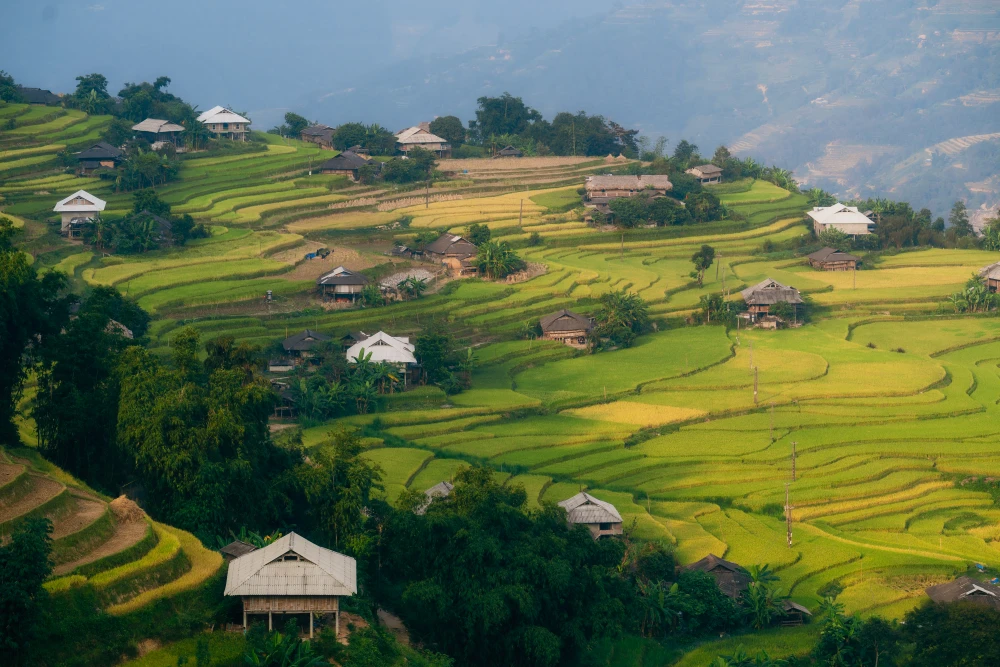
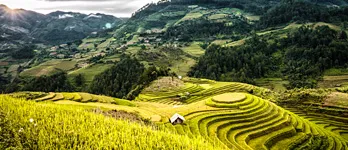
In Mu Cang Chai, the terraced rice fields cascade down the hillsides like giant staircases, changing color with the season — golden in September and October, mirror-like when flooded in May and June.
Villages here move at their own rhythm, and weekend markets in remote highland towns still function the way they have for generations — no performance, no filters, just life as it's always been.
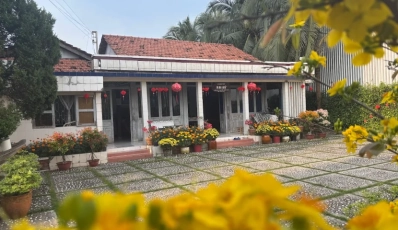
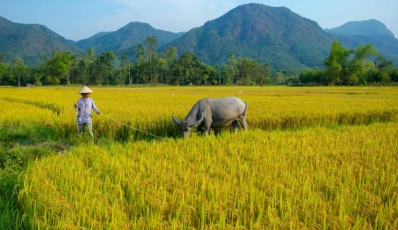
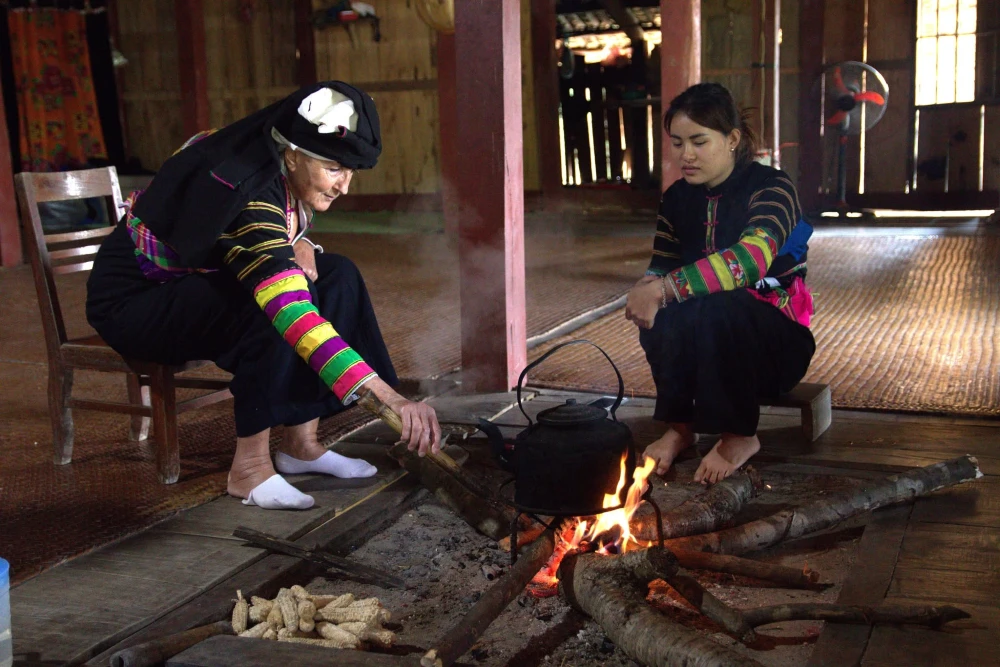
A guided city tour shows you Vietnam. A homestay lets you live inside it, even briefly. In several rural places in Vietnam like Mai Chau, Pu Luong, and Cao Bang, Ha Giang, staying overnight with a local family means home-cooked meals, quiet mornings over rice paddies, and conversations that no itinerary can script.
You will feel warm and unguarded — hosts are happy to teach a phrase or two of their language, and invite you to help prepare dinner over an open fire. Many of these community-based homestay models have been developed with the support of local tourism development programs, which help ethnic minority families build and manage sustainable tourism on their own terms — turning hospitality into a real source of income and a way to keep their culture, and their communities, thriving.
One thing worth knowing: not every place labeled "homestay" is quite what it claims. Some are family-run in name only — staffed by hired employees while the actual owners live elsewhere, functioning much like a small hotel with a receptionist rather than a host. If living alongside a local family is the experience you're after, it's worth seeking out the real thing, where the people serving your meal are also the people who call that house home.
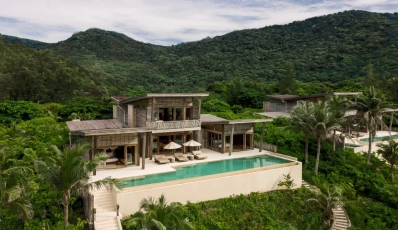
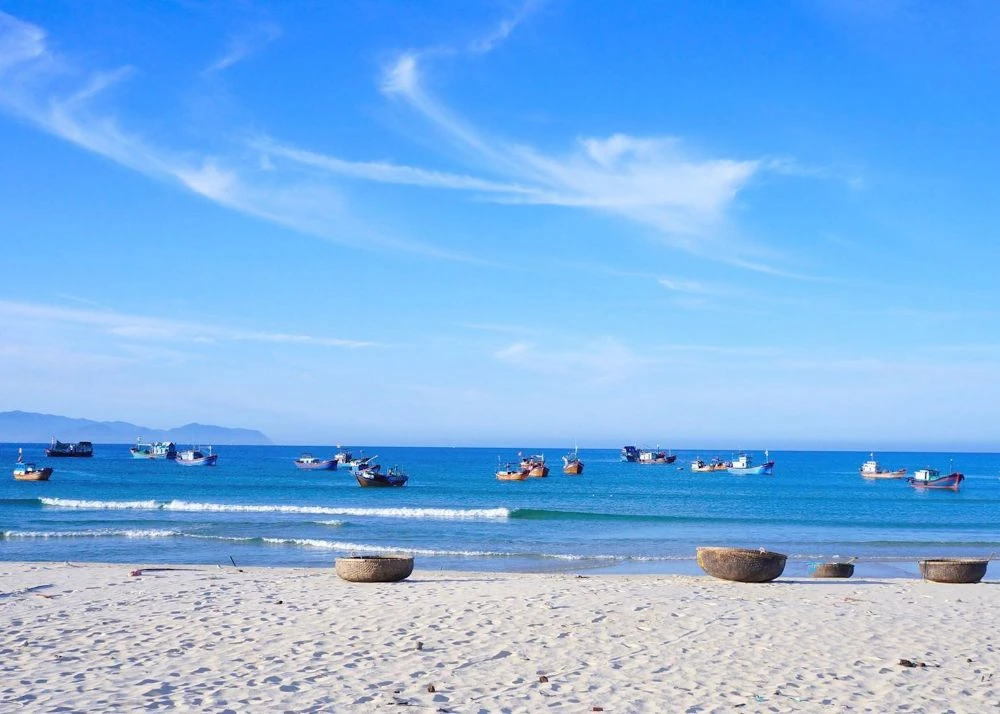
Phu Quoc and Nha Trang tend to dominate the "Vietnam beach" conversation, but there's a quieter side to the coastline worth discovering on your second trip. Con Dao Island offers pristine coral reefs and a resident population of nesting sea turtles, alongside a layer of history that gives the island a quiet, reflective depth. Further along the south-central coast, Mui Ne charms with its rolling red and white sand dunes, laid-back fishing village atmosphere, and a coastline made for slow mornings by the water. And in Hoi An, in recent years, a stretch of beautiful, uncrowded coastline has quietly attracted a wave of stylish, high-quality resorts — proof that Hoi An isn't just for lantern-lit evenings in the Old Town, but for genuinely relaxing beach time too.
Tucked between the mountains of the north and the beaches of the south, the Central Highlands remain one of Vietnam's most overlooked regions — and one worth carving out space for on a second trip. Da Lat, set among pine forests and rolling hills at 1,500 meters, offers a cool climate that feels worlds away from the tropical lowlands — a welcome change of pace if your first trip was all heat and humidity. Beyond the city, coffee farms stretch across the surrounding hills, and a visit to one is a chance to see, up close, how Vietnam became one of the world's largest coffee exporters, from the ripening cherries to the cup in your hand.
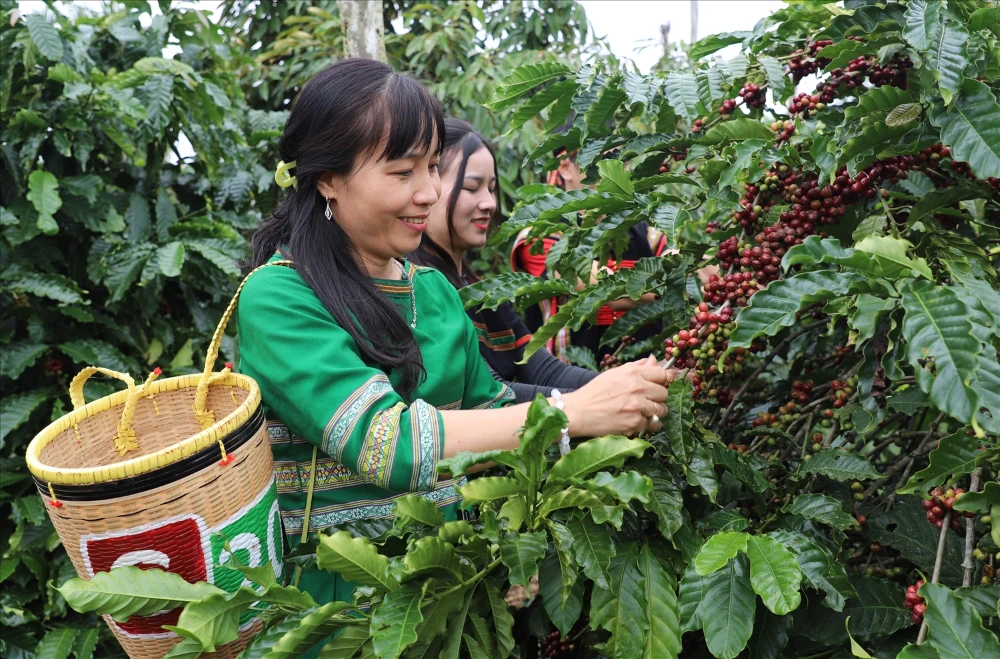
Further into the highlands, K'Ho and Lach ethnic communities still live around the base of Lang Biang mountain, holding onto traditions quite different from those found in the northern mountains or Mekong Delta. For travelers who've already experienced Vietnam's mountains and coastline, the Central Highlands offer a third, quieter side of the country — one built around coffee, cool mist, and a noticeably slower pace of life.
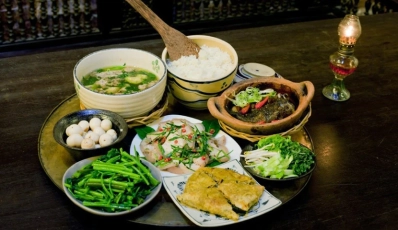
Vietnamese cuisine shifts dramatically from north to south, shaped by geography, climate, and centuries of local tradition — and your second trip is the perfect excuse to taste that diversity properly.
The north favors subtle, balanced flavors and lighter broths; the central region, especially Hue, is famous for both its refined royal-style cuisine — delicate, artfully plated dishes once served to the Nguyen Dynasty's emperors — and its equally beloved rustic street food, like bun bo Hue or banh beo, sold from humble stalls just steps from the Imperial City. Further south, dishes turn sweeter and bolder, layered with fresh herbs, coconut, and tropical produce from the Mekong Delta.
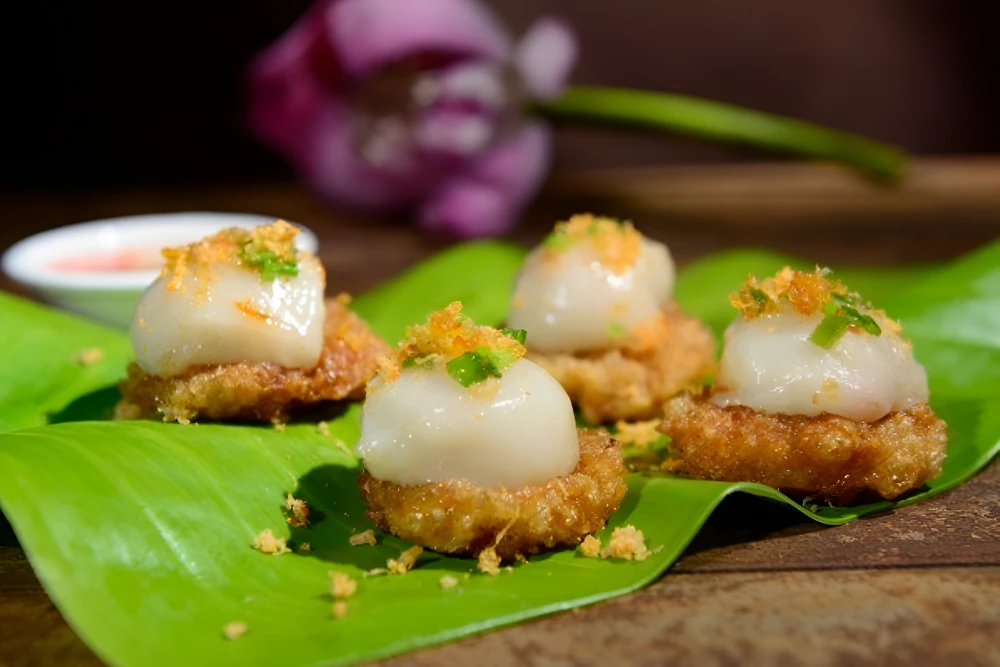
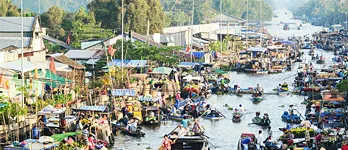
Besides, also try Thang Co, a hearty stew simmered for hours with mountain spices, at a highland market in Ha Giang. Spend a morning at a floating market in the Mekong Delta, sampling fruit straight from the boat. Every region in Vietnam has dishes that rarely make it onto a tourist menu — and finding them is half the fun.
Long before mass production, Vietnam's villages each specialized in a craft passed down through generations — bronze casting, weaving, blacksmithing, pottery.
In Cao Bang, villages like Phia Thap keep the centuries-old craft of natural incense-making alive, while Pac Rang has produced hand-forged blacksmith tools for over 500 years.
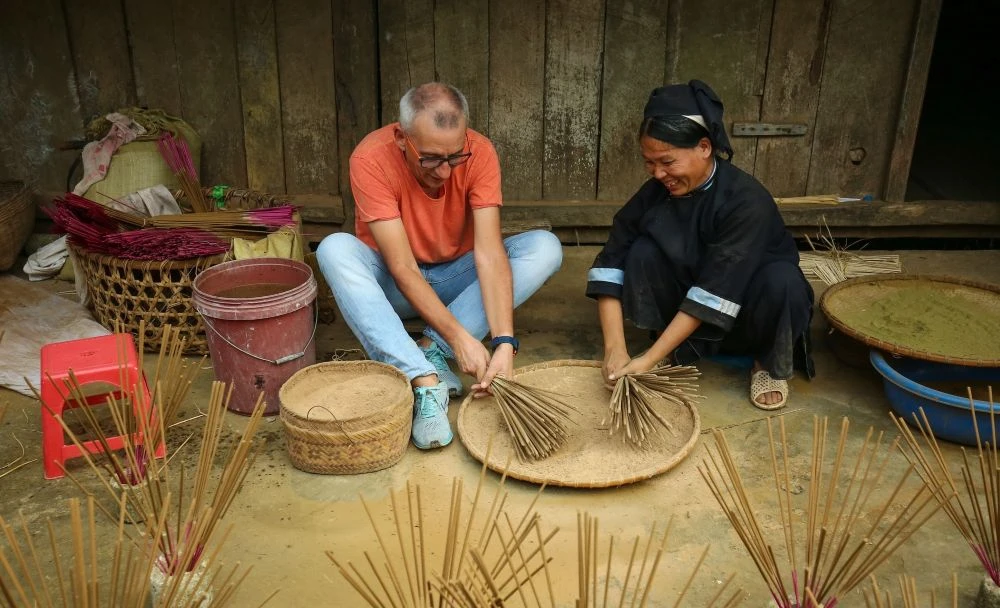
Nom Village, just outside Hanoi, is a living time capsule of northern rural life, complete with a 200-year-old stone bridge, ancient communal houses, and a market that still runs on a lunar-calendar schedule.
Closer to Hanoi, Xuan La village is known for its tò he — small, brightly colored figurines molded from sticky rice dough, a folk art form once sold at village fairs and now kept alive by a handful of dedicated artisans. A short drive away, Bat Trang has been shaping clay into pottery for centuries, and visitors can still sit down at a spinning wheel to try the craft for themselves. Watching artisans at work in any of these villages adds a layer of appreciation no souvenir shop can replicate.
Halong Bay earns its fame, but these days it rarely feels peaceful. For a second trip, Bai Tu Long Bay and Lan Ha Bay offer the same dramatic limestone karsts and emerald waters, with a fraction of the boat traffic. Bai Tu Long, further from the mainland, tends to stay especially calm and undisturbed, with quiet coves and white sand beaches you can often have almost entirely to yourself. Lan Ha, just next door to Cat Ba Island, is equally stunning and slightly more accessible, with excellent kayaking around hidden lagoons.
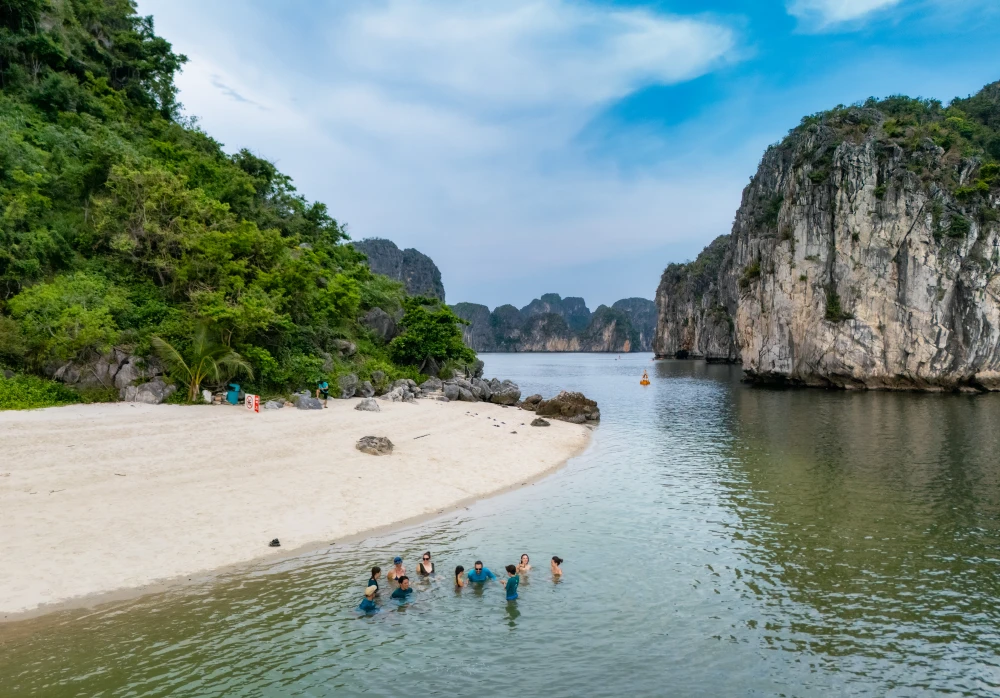
If you've already cruised one of these bays on a previous trip, the other is still very much worth exploring — each has its own rhythm and hidden corners, and neither feels like a repeat of the other. Either way, you'll trade Halong's crowded viewpoints for a slower, more intimate side of Vietnam's karst coastline.
Vietnam's traditional performing arts run deeper than most travelers realize — several are recognized by UNESCO as Intangible Cultural Heritage, a testament to how rich and enduring these art forms remain. Nha nhac, the refined court music once performed for the Nguyen Dynasty in Hue, is one of Vietnam's most treasured recognized traditions, alongside Quan Ho folk singing from Bac Ninh, Ca Tru singing, and hat then performed by ethnic Tay and Nung communities in the north. Then there's Thuc hanh Tin nguong Tho Mau, the practice of Mother Goddess worship, whose elaborate hau dong ceremonies — with their vivid costumes, music, and trance-like dance — were inscribed by UNESCO as one of Vietnam's most fascinating living traditions.
>> Also read: Traditional Vietnamese music: genres and instruments
If your first trip included a water puppet show at a Hanoi theatre, this time try meeting the art form up close. Master puppeteer Phan Thanh Liem, born into a family lineage of water puppeteers from Nam Dinh, performs out of a small studio in Hanoi where the "stage" is a tank barely a few meters wide — close enough to see every string and rod at work. After the show, he often invites guests to step behind the screen and try controlling a puppet themselves, hands submerged, feeling firsthand just how much skill hides beneath the water's surface. Talking with an artist like him, about a craft passed down through generations with dwindling demand, gives you an interesting story about Vietnam's cultural identity.
Your second trip is the moment to turn a taste into the full experience.
If Sapa was your stop before, come back for a multi-day trek through Pu Luong’s hills and Thai and Muong villages, staying in a different stilt house each night as the landscape shifts around you. In Ba Be, extend a quick boat ride into a fuller adventure — combining the Cao Bang Loop with a few unhurried days exploring Ba Be Lake by boat, wandering into Hua Ma Cave and Puong Cave, and cycling the quiet trails between lakeside villages.
Further south, Phong Nha-Ke Bang National Park holds some of the most spectacular cave systems on Earth, carved deep into ancient limestone mountains. A multi-day expedition here — trekking through the jungle by day and camping inside cathedral-like caverns by night — is an entirely different side of Vietnam's landscape, far removed from the coastlines and rice terraces.
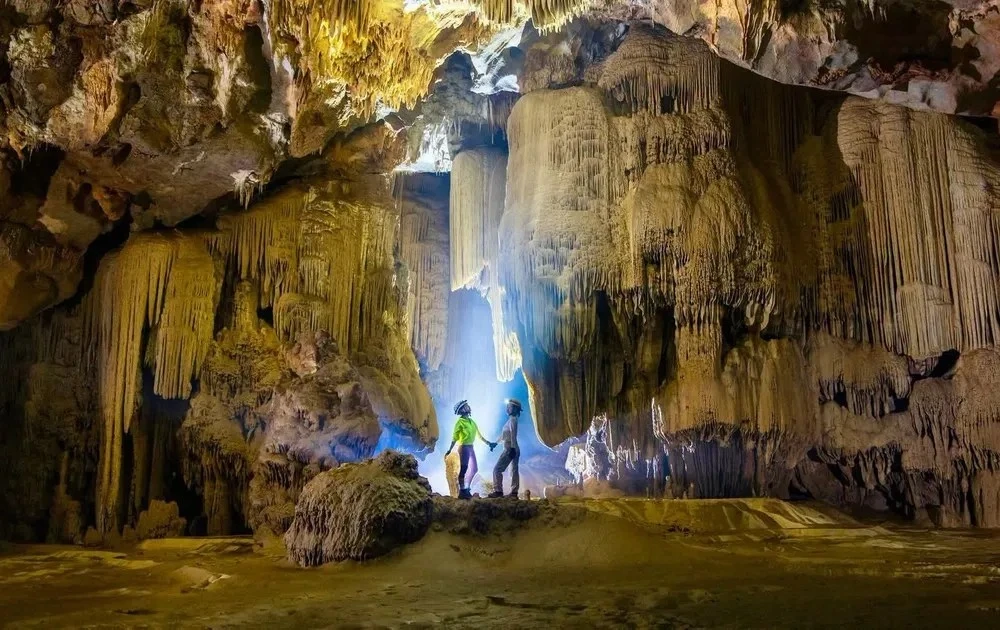
These longer, slower routes are where Vietnam's wild landscapes really open up — and where a good local guide, who knows exactly which trail or cave is worth the extra effort, makes all the difference.
Here's the truth about second trips: the "must-see list" is gone, which means there's no fixed thing for what comes next. This is exactly where a local travel expert makes the biggest difference — someone who knows which village market is worth the detour, which homestay family will make your week, and how to string it all together into a route that actually flows.
At IZITOUR, we've had the privilege of crafting personalized journeys for more than 3,000 travelers from around the world, with a satisfaction rate our team is genuinely proud of — 99% of our travelers leave happy with their trip. What means even more to us, though, is how many of them come back. Many of our guests return for a second, even third trip. If you're standing at that same crossroads, wondering what your Vietnam looks like the second time around, our local experts are ready to help you.
The deeper you go, the more Vietnam opens up — layer after layer of landscape, culture, and unscripted moments that a first-timer's itinerary simply doesn't have room for. With no boxes left to tick, your second trip can be shaped entirely around what actually excites you.
If you're ready to start planning that return, let IZITOUR's local experts do what they do best — turn your curiosity into a fully personalized itinerary built around a version of Vietnam only a second trip can reveal. Reach out to us at [email protected] to start crafting a journey made just for you.
See more:





 TRAVELERS' CHOICE 2026