



Earlier I thought differently, many thanks for the information.
__________
Vietnamese cuisine is often praised for its freshness, balance, and diversity. While dishes like pho and banh mi are widely known around the world, the culinary culture behind them reveals many interesting characteristics that make Vietnamese food unique.
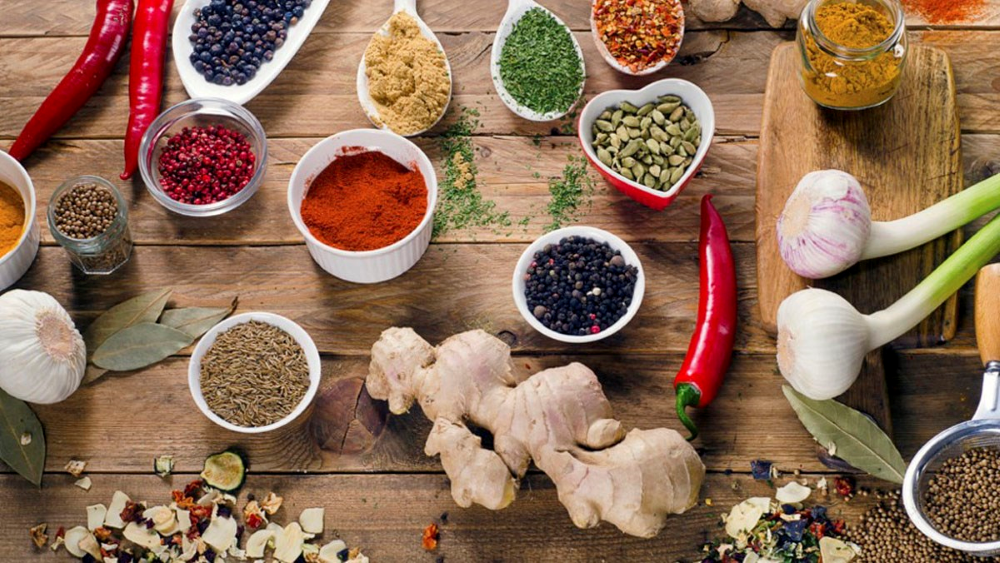
One of the most essential elements of Vietnamese cooking is the pursuit of balance. Rather than emphasizing a single taste, Vietnamese cooks aim for a harmonious blend of multiple elements to create a well-rounded dish.
The five fundamental flavours—sweet, sour, salty, bitter, and spicy—are almost always present, yet no single one dominates. This reflects a deeper "Yin-Yang" philosophy, where ingredients are classified by their "heating" or "cooling" properties. For example, fried dishes (hot) are typically balanced with raw vegetables (cool) to aid digestion and provide a lighter feel.
Beyond taste, balance is reflected in texture and colour. An ideal dish typically combines soft and crunchy, hot and cold, and a variety of natural colours such as the green of vegetables, the red of chilli, the yellow of turmeric, or the white of rice noodles.
Take a bowl of pho as an example. It is not just broth and noodles; it is a combination of savoury broth, tender meat, and elastic noodles, alongside the aroma of herbs and a hint of spice. This creates a complete gastronomic experience, ensuring diners feel satisfied without feeling overwhelmed. It is this equilibrium that makes Vietnamese food universally "easy to eat" and adaptable to diverse palates.
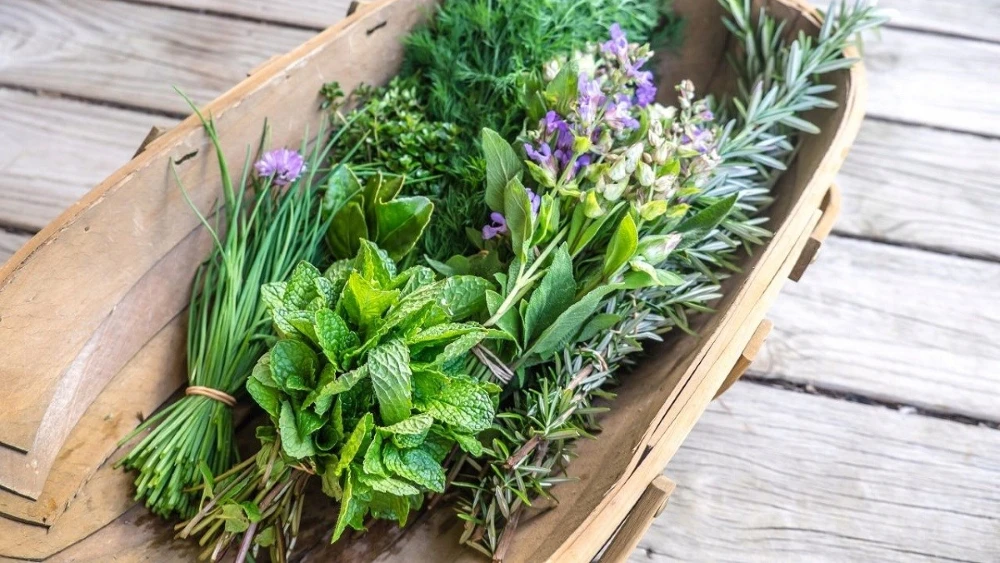
If one characteristic distinguishes Vietnamese cuisine from others, it is the rich and creative use of aromatic herbs.
In many cultures, greenery is merely a garnish, but in Vietnam, fresh herbs like basil, coriander, perilla, and mint are primary ingredients. Each herb has a distinctive aroma: some are delicately fragrant, others spicy, bitter, or refreshing. When paired with food, they create a complex and intriguing "layer of flavour".
These herbs are often served raw and unprocessed, preserving their natural aroma and nutritional value. They add complex layers of flavour and a signature "crunch" that balances richer, spiced dishes. In summer rolls (fresh spring rolls), vegetables are a core component, creating that signature refreshing taste. This focus on fresh herbs not only enhances the taste but also provides numerous health benefits, making the food feel significantly lighter than other cuisines.
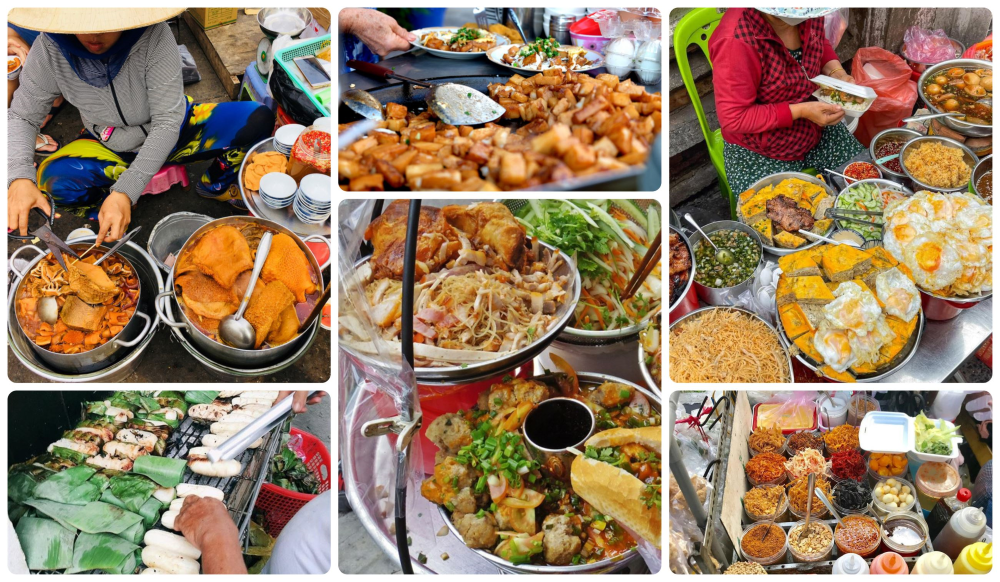
Vietnamese street food is not just a part of daily life; it is the heart of the country's culinary identity. This is where you find the most authentic and delicious local specialities.
Unlike countries where "fine dining" is the gold standard, in Vietnam, the best meals are often found at small street stalls. Low plastic chairs and simple tables are the settings for family recipes passed down through generations.
A unique feature is specialisation. Many vendors focus on just one or two dishes, dedicating their lives to perfecting them, from ingredient selection to cooking techniques. This focus ensures consistent quality and unforgettable flavours.
The street food scene also reflects the rhythm of Vietnamese life:
For travellers, exploring street food is the fastest way to understand the local culture. It’s about the atmosphere: the sounds of the traffic, the steam rising from the pots, and the joy of enjoying a hot meal amidst the city's energy.
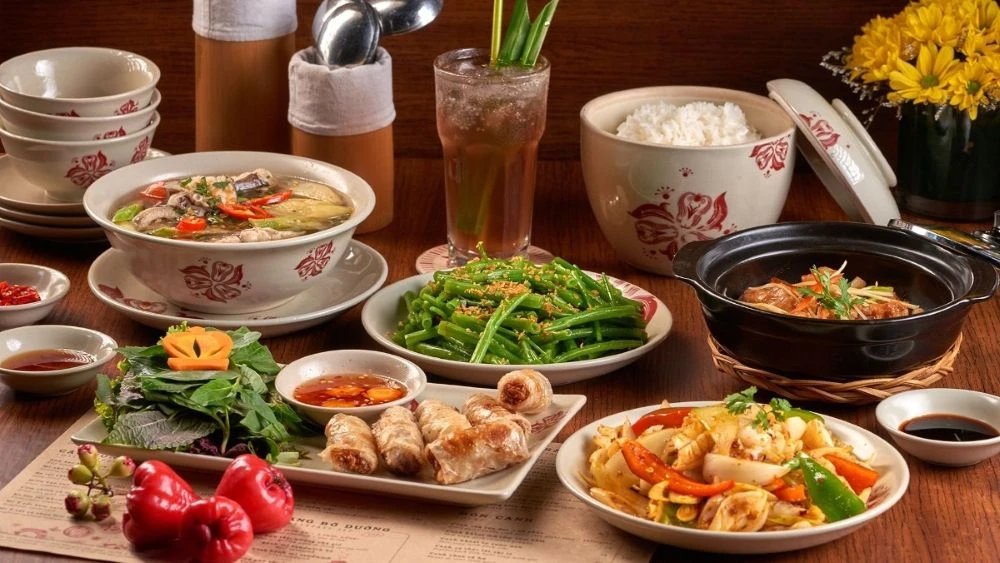
Vietnam’s diverse geography and climate have created three distinct culinary regions, each with its own identity.
In the North, the cuisine is often light and delicate. People focus on preserving the natural flavours of ingredients, avoiding over-seasoning. Dishes are generally less spicy and less sweet than in other regions, distinguished by a sophisticated, understated balance. Clear broths and simple yet meticulous preparations reflect an elegant culinary style.
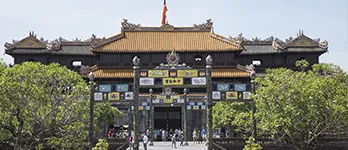
In contrast, Central Vietnamese cuisine offers a much more intense experience. Influenced by the harsh climate and the legacy of the Imperial City of Hue, the food here is rich, spicy, and elaborate. Aesthetic appeal is vital; dishes are often visually stunning with vibrant colours and refined presentations, echoing the traditions of ancient royal cuisine.
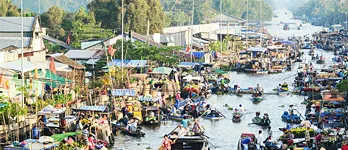
The South is characterised by its generosity and variety. Thanks to the abundance of the Mekong Delta, dishes here tend to be sweeter and richer. The use of coconut milk, palm sugar, and fresh seafood is widespread. The southern style is often seen as more "approachable" and bold, reflecting the relaxed and hospitable nature of the locals.
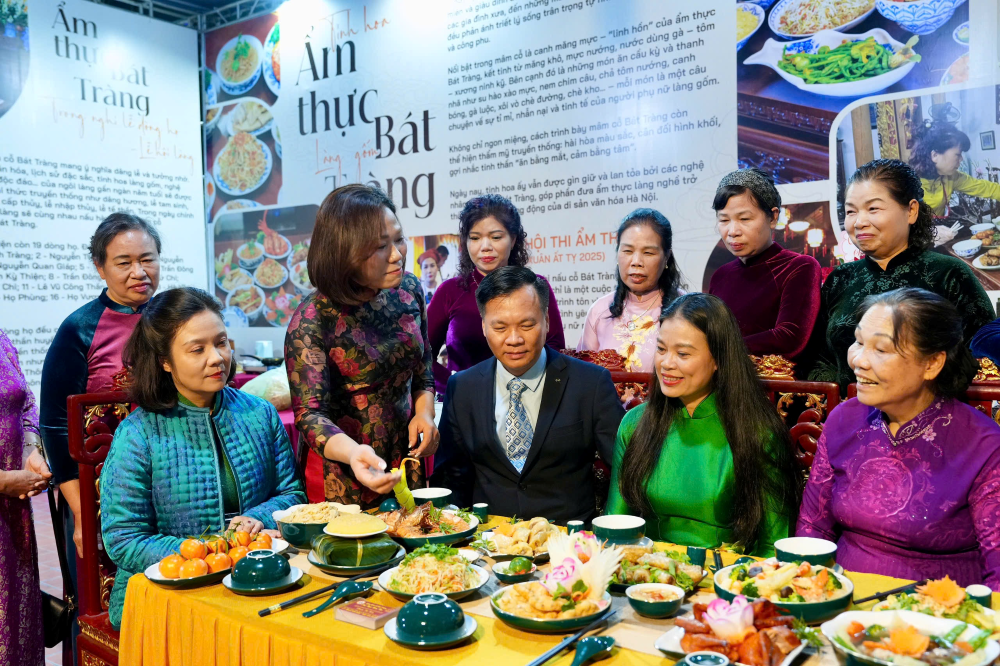
Vietnamese gastronomy is a story of people and deep social bonds. Eating in Vietnam is never a purely individual act; it is a moment of sharing and connection.
In Vietnamese culture, family meals are paramount. It is the time when members gather after a long day to share stories and emotions. Unlike Western habits of individual portions, Vietnamese people typically eat communal style. Dishes are placed in the centre of the table, and everyone shares, fostering a sense of equality, respect, and harmony.
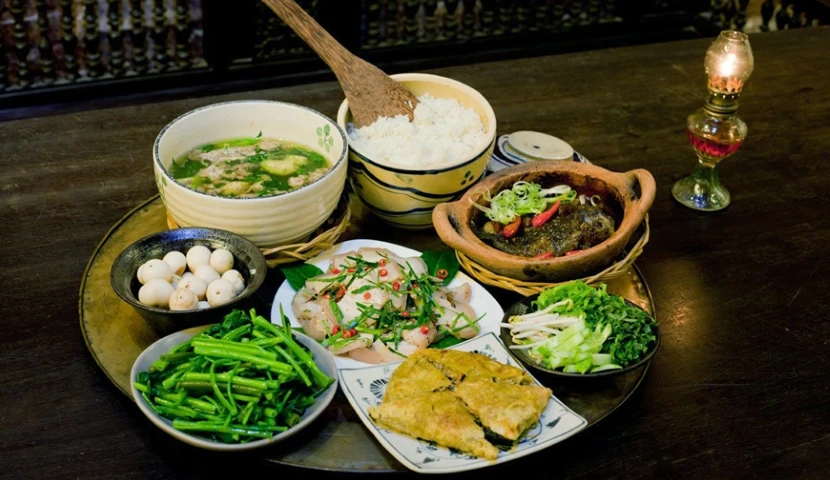
A traditional Vietnamese meal usually includes white rice, a main protein dish, a soup (canh), and vegetables. This combination provides nutritional balance and carries spiritual significance, especially during traditional festivals like Tet. Food is offered to ancestors as a sign of gratitude, linking the past to the present.
Vietnamese cuisine is a perfect fusion of flavour, philosophy, and lifestyle. For international tourists, exploring this food is not just about tasting; it is about gaining a deeper understanding of the people. It is this blend of simplicity and sophistication that has made Vietnamese food a global favourite.
See more:




 TRAVELERS' CHOICE 2026