

Earlier I thought differently, many thanks for the information.
__________
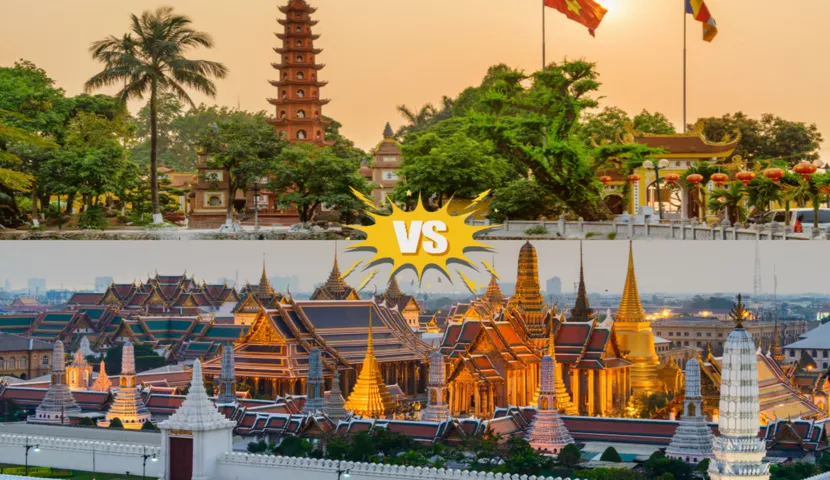
Both Vietnam and Thailand sit in the vibrant heart of Southeast Asia, drawing global travellers with their breathtaking landscapes, warm hospitality, and unforgettable flavours. However, choosing between them for your first journey can be a delightful challenge. To help you decide, we will explore fascinating aspects of Vietnam vs Thailand, ensuring you find the destination that resonates most with your travel style.
A successful holiday often hinges on the weather. While both nations are shaped by a tropical monsoon climate, their unique geographies create distinct seasonal patterns that every international tourist should consider.
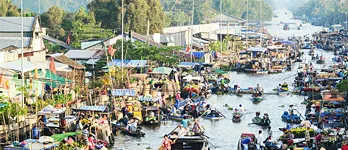
Vietnam spans multiple latitudes, resulting in three clear climatic zones. The North is the only region boasting four distinct seasons, where the "golden periods" of autumn (October to November) and spring (March to April) offer mild temperatures perfect for trekking or cruising. In contrast, the mountainous regions can become quite chilly from December to February, requiring extra layers for the misty peaks. The Central region is best visited between January and July to avoid the typhoon season later in the year. During these months, the golden sands of Da Nang, Nha Trang, and the ancient charm of Hoi An shine under a brilliant sun. Meanwhile, Southern Vietnam enjoys a stable rhythm with two seasons; the dry season from December to April provides clear blue skies, ideal for navigating the bustling streets of Ho Chi Minh City or the vibrant Mekong Delta floating markets.
Thailand’s climate is more uniform, generally split into the dry, hot, and rainy seasons. The Northern and Central regions are most popular during the cool season from November to February, which coincides with the enchanting lantern festivals. A unique quirk of Thailand tourism is the differing rainfall between its two coasts. The East Coast remains beautiful from June to October when much of Southeast Asia is drenched in rain. Conversely, the West Coast offers prime conditions for diving and island hopping from March to May, just before the monsoon arrives in June.
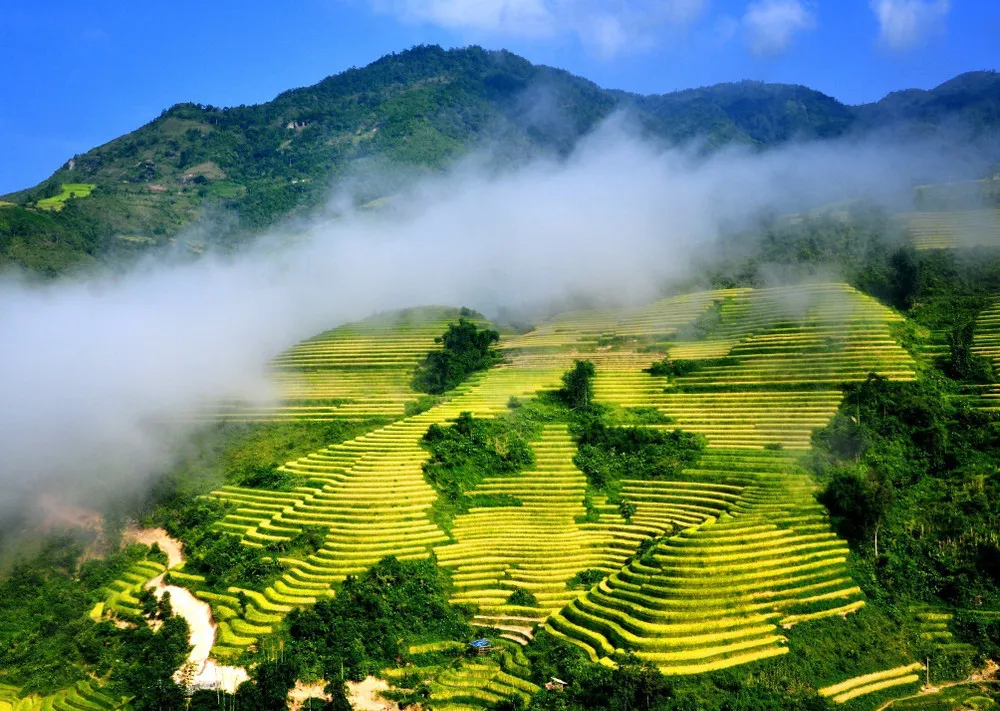
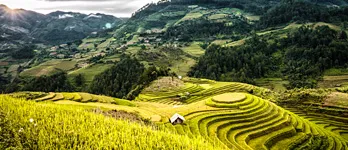
The impression of Vietnam’s landscape lies in its dramatic verticality and untouched mystery, offering a stark contrast to the more uniform coastal plains of its neighbours. In the far North, the Hoang Lien Son mountain range creates a "Far East Alps" atmosphere, where the iconic terraced rice fields of Sapa serve as living land art with a visual depth that flatter terrains simply cannot match. For adventure seekers, the Ha Giang Loop provides a extraodinary scale of limestone pinnacles and deep canyons that feel like a cinematic odyssey.
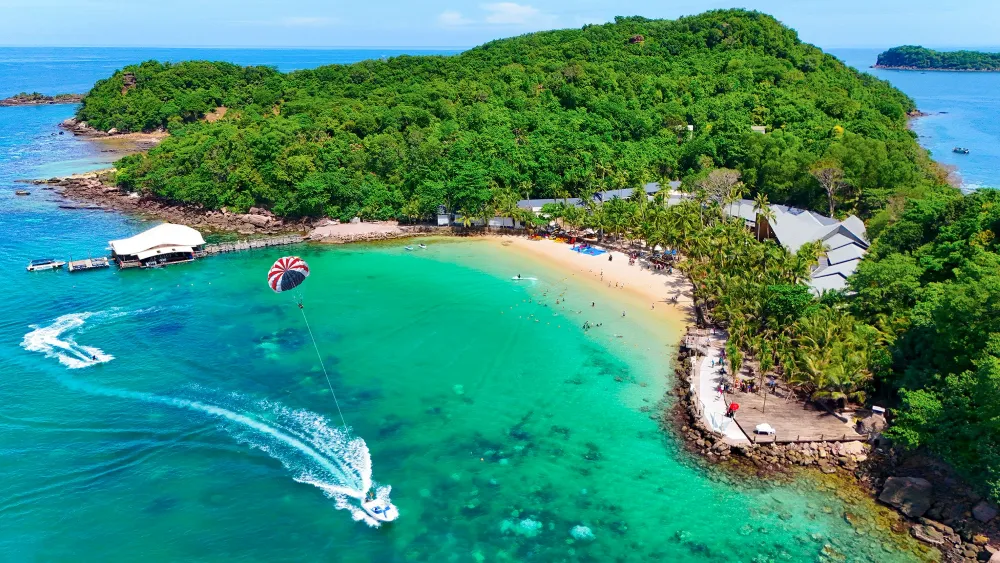
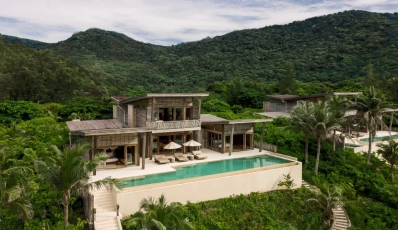
Along the long coast, Vietnam reveals its wonders: the unparalleled labyrinth of nearly 2,000 islands in Ha Long Bay and the serene Lan Ha Bay. While Thailand offers beautiful karsts, the sheer scale of the Gulf of Tonkin remains globally unmatched. This coastal grandeur is perfectly bookended in the South by Phu Quoc, Vietnam's largest island, which provides a sophisticated tropical escape with its white-sand beaches and turquoise , watersoffering a more tranquil and authentic alternative to Thailand’s crowded resorts. This natural grandeur extends underground in Phong Nha-Ke Bang National Park, home to the world’s largest caves, cementing Vietnam as the ultimate destination for sustainable adventure tourism.
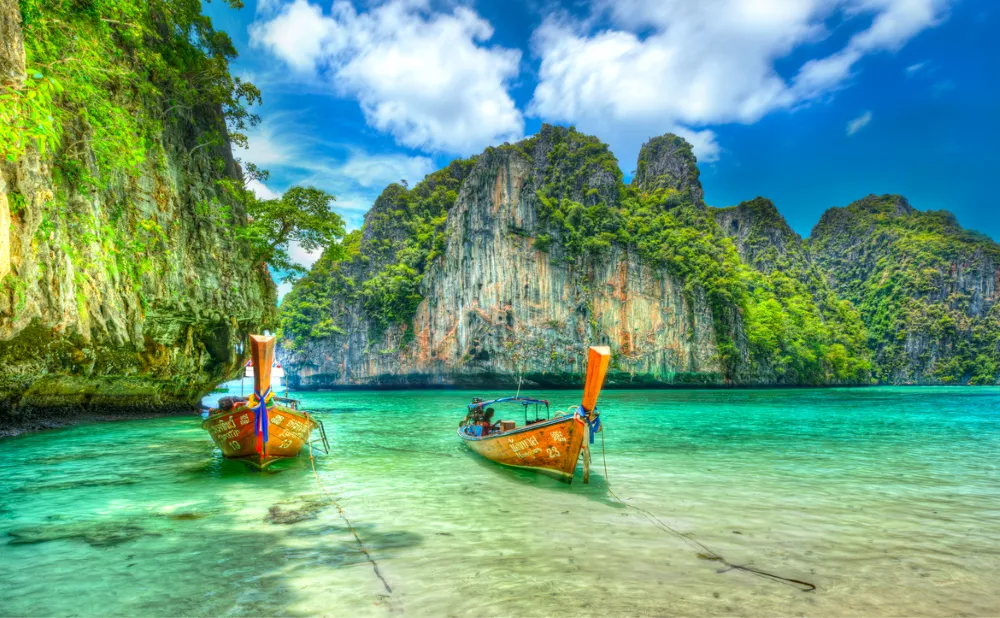
Thailand is world-renowned as a premier beach destination, featuring highly developed tropical islands. The marine ecosystems are a major draw, with Phang Nga Bay offering limestone formations similar to Vietnam but with a distinct tropical flair. Archipelagos like Phi Phi and Koh Lipe are the crown jewels, where crystal-clear waters reveal vibrant coral reefs perfect for those seeking a classic sun-and-sand holiday.
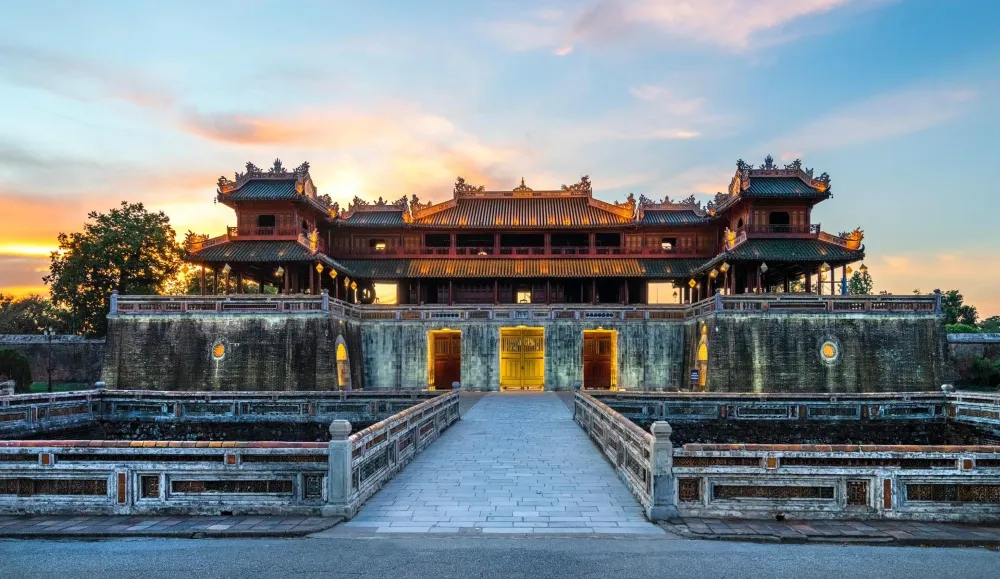
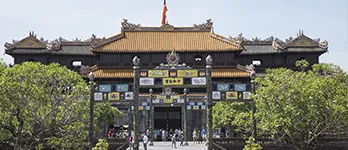
Vietnamese culture is the result of thousands of years of adaptation. Visitors will notice the Confucian influence in ancient pagodas alongside the elegant French colonial architecture in the theatres of Hanoi. However, the true essence of Vietnam lies in its resilience. Historic sites like the Cu Chi Tunnels, Hoa Lo Prison, and the Imperial City of Hue do not just recount the past; they tell a story of rebirth from ruins. This indomitable spirit makes Vietnam a place to be felt and understood rather than just seen.
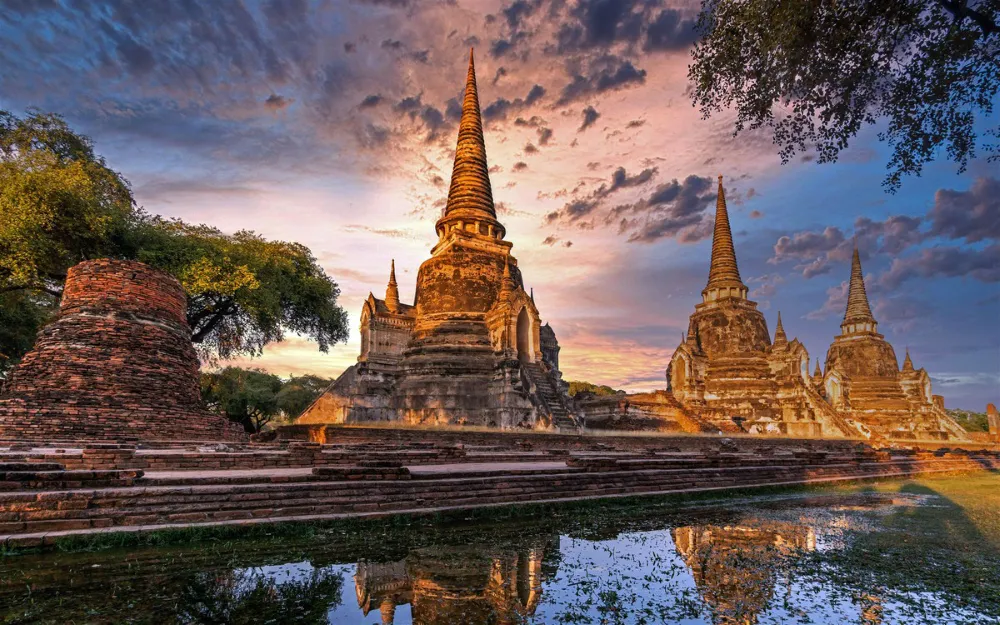
Thailand boasts a relatively stable history with less direct impact from foreign conflicts. Ancient sites like Ayutthaya and Sukhothai testify to a flourishing, continuous civilization. This historical stability has allowed for the preservation of grand Buddhist traditions and a refined cultural identity that feels seamless and peaceful.
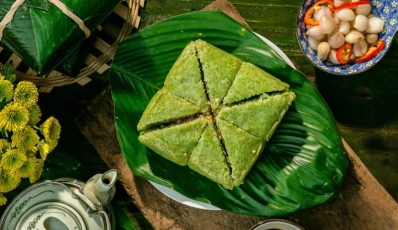
Vietnamese food is often described by food critics as a "symphony" because of its meticulous attention to the five taste elements: sour, bitter, sweet, spicy, and salty. The fundamental philosophy here is Yin and Yang, ensuring that every dish is not only delicious but also cooling or warming for the body. This makes Vietnam one of the premier destinations for healthy food, as the cuisine relies heavily on raw herbs, lime juice, and clear broths rather than heavy oils or dairy.
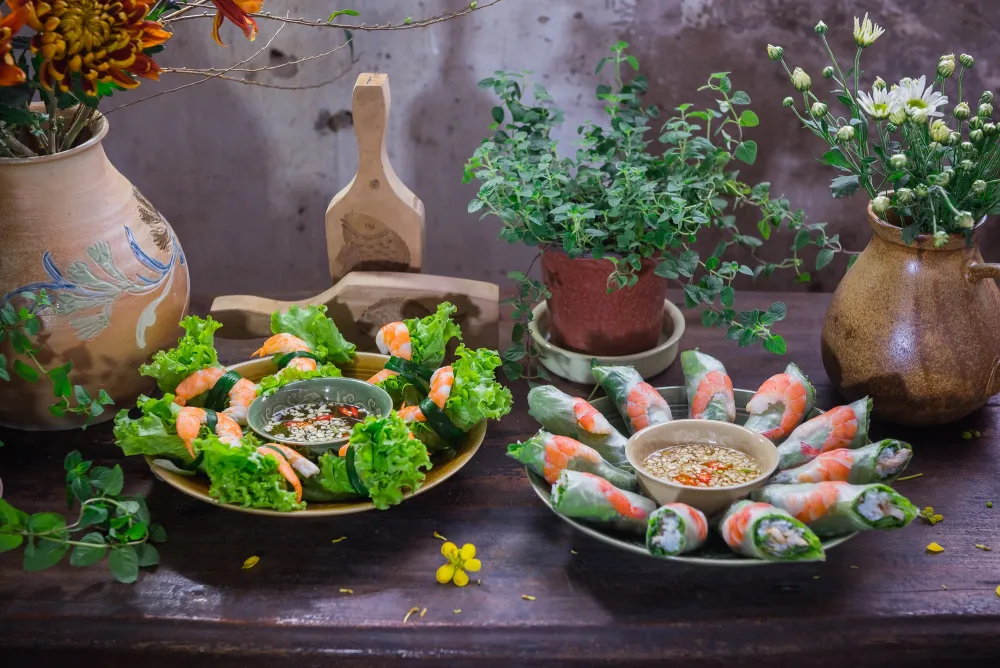
The regional diversity within the country adds layers of complexity for any international foodie. In the North, you will find a preference for subtle, savoury flavours and black pepper, exemplified by the iconic Pho Hanoi or the smoky Bun Cha. Moving to Central Vietnam, particularly around the ancient capital of Hue, the palate becomes more sophisticated and spicy, reflecting its royal heritage through intricate small plates like Banh Beo. Finally, the South embraces a sweeter profile, drawing influence from the abundant coconut groves of the Mekong Delta and the vibrant sugar-palm culture.
Beyond the plate, the Vietnamese coffee culture is a standalone attraction. From the potent "Ca Phe Sua Da" (iced coffee with condensed milk) to the legendary Egg Coffee in Hanoi’s hidden alleys, the country offers a slow-paced ritual that contrasts sharply with the fast-food culture found elsewhere.
In contrast, Thai cuisine is a high-octane explosion of flavours that aims to excite the palate instantly. While Vietnam seeks balance through subtlety, Thailand achieves it through the aggressive interplay of aromatic spices, fermented fish sauce, and rich coconut creams. This results in a much heavier and more pungent profile that is undeniably addictive but can be more taxing on the digestive system for those unaccustomed to such intensity.
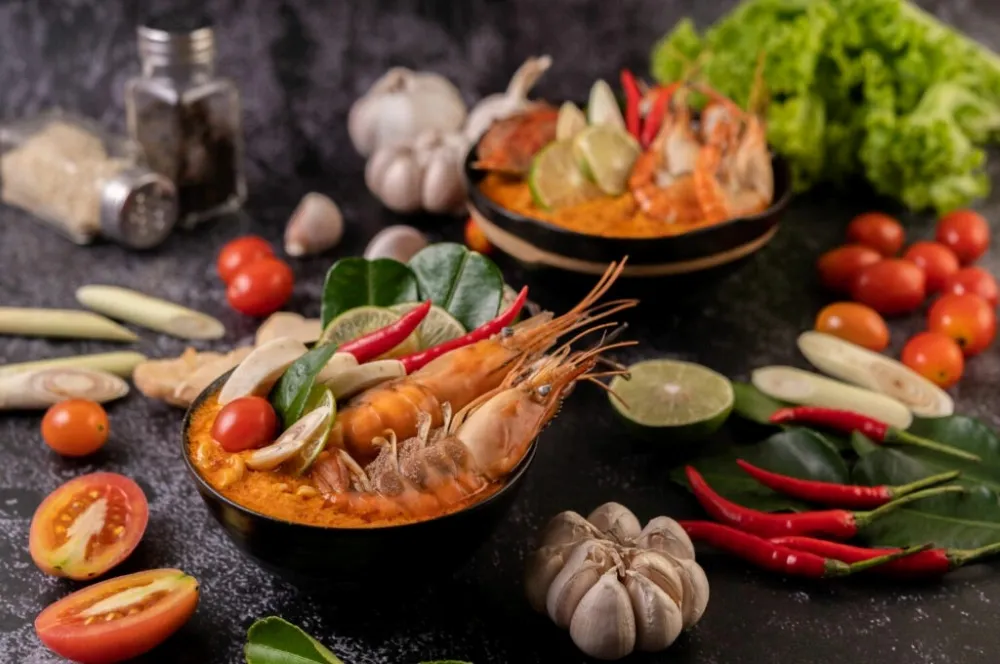
The soul of Thai cooking lies in its "curry pastes"—freshly pounded mixtures of lemongrass, galangal, and bird's eye chillies. From the creamy Green Curry of the Central plains to the fiery, turmeric-heavy dishes of the South, the heat level in Thailand is significantly higher than in Vietnam. Furthermore, the street food in Bangkok is world-famous for its wok-fried masterpieces like Pad Thai or Pad Kra Pao, which rely on high heat to create charred, savoury notes.
Vietnam is an exceptional destination for explorers and travellers looking for raw authenticity and off-the-beaten-path adventures. For those with an explorer’s spirit, trekking in Northern Vietnam is an immersive journey through the clouds and the ancestral homelands of ethnic communities. Embarking on the Ha Giang Loop has become a rite of passage for many, offering a sense of freedom that is unparalleled in Southeast Asia.
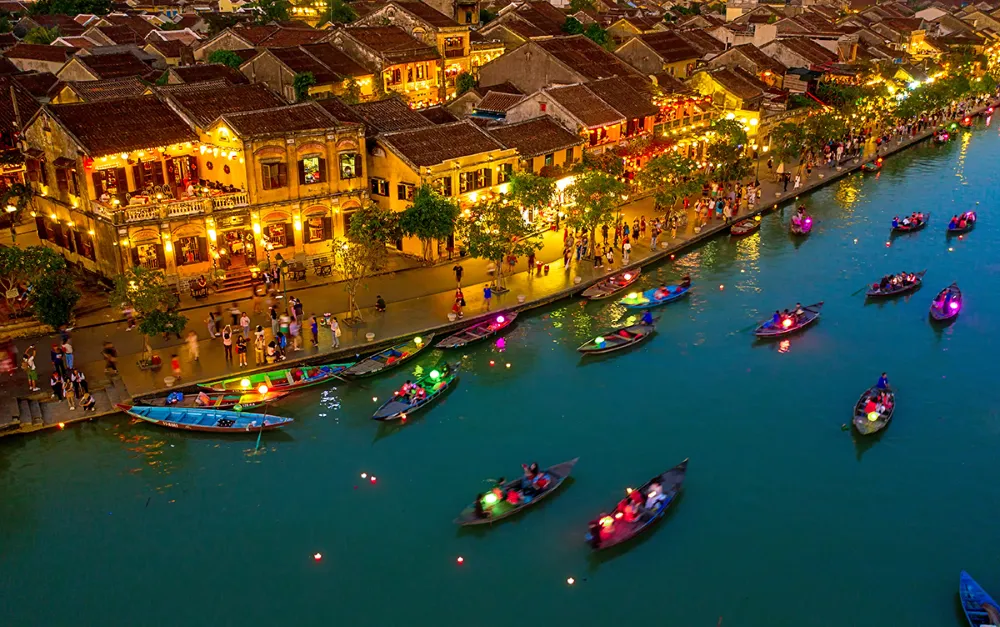
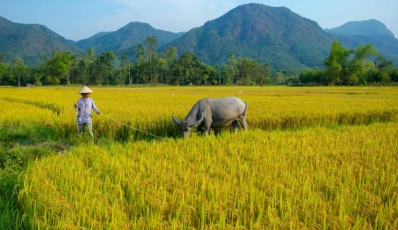
As you move toward the south of Vietnam, the pace shifts from adrenaline to poetry. The colorful lantern-lit streets of Hoi An Ancient Town offer a world-class blend of history and artisanal craftsmanship, where travellers can commission bespoke tailoring in a single day. Meanwhile, the Mekong Delta serves as a lush, emerald window into a traditional riverine way of life, where the rhythm of the water dictates the prosperity of the land. This combination of rugged peaks and serene heritage makes Vietnam a uniquely multi-dimensional destination.
Thailand has long established itself as a cornerstone of Southeast Asian tourism. Bangkok is a city that never sleeps, where modern skyscrapers tower over ancient temples. The city is famous for its vast array of shopping options, ranging from massive air-conditioned malls to sprawling street markets. It offers an unmatched scale of variety, from high-end global brands to quirky local fashion. Chiang Mai serves as a hub for ethical elephant sanctuaries and cooking classes, while the southern islands are famous for vibrant nightlife.
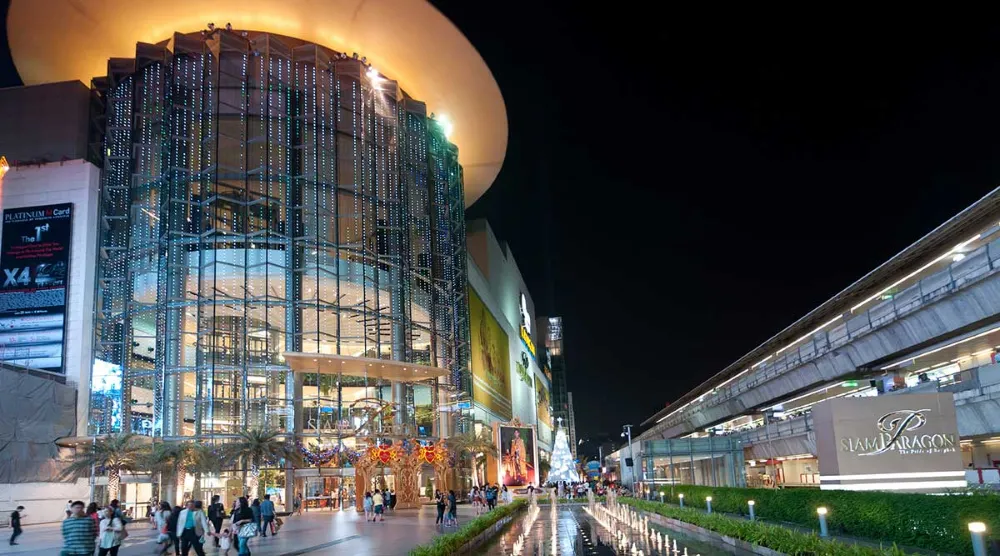
Thailand’s strength lies in its professional hospitality. The entertainment here is well-organised and socially oriented. The tourism industry is a well-oiled machine, ensuring that communication is straightforward and services are consistent. While it may lack the raw, unscripted feel of some of its neighbours, it compensates with a high level of comfort and a fun-first philosophy. It is a destination that focuses on providing a smooth and high-energy experience for every visitor.
For any international tourist, especially those embarking on their first Southeast Asian odyssey, safety is paramount. Both Vietnam and Thailand are highly ranked for safety. Vietnam sits at 38th on the Global Peace Index, making it one of the safest countries for solo female travellers. The hospitality here is felt through sincere, warm interactions with locals. Thailand, ranked 86th, excels in professional tourism services and ease of communication, as English is more widely spoken, and the famous "Thai smile" ensures every visitor feels welcome.
Ultimately, choosing between Vietnam or Thailand depends on your soul’s craving. If you seek authenticity, diverse landscapes, and deep historical resonance, Vietnam will surprise you at every turn. If you prefer polished tourism, dreamlike islands, and a high-energy social scene, Thailand is a tried-and-tested paradise. Both promise a journey you will never forget.
See more:





 TRAVELERS' CHOICE 2026