


Earlier I thought differently, many thanks for the information.
__________
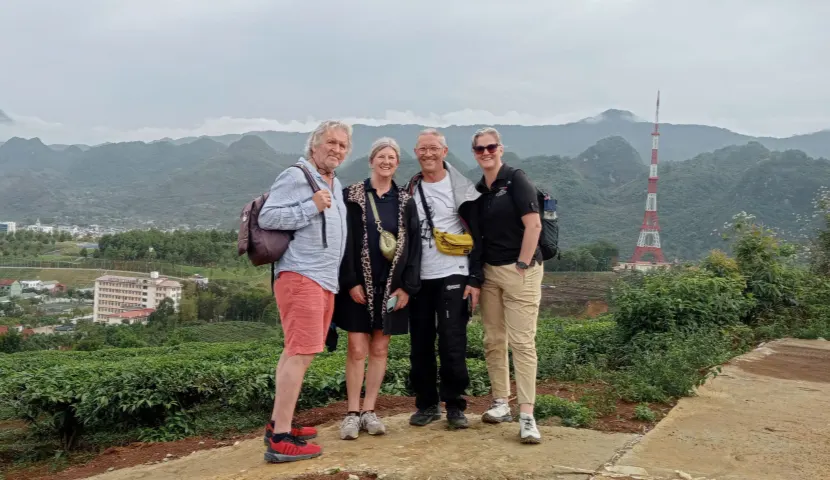
From the morning mist in the mountains of Northern Vietnam to the floating markets of the Mekong Delta, Vietnam reveals itself through a remarkable variety of landscapes, flavours and ways of life. For first-time visitors to Vietnam, this diversity is part of the country's appeal, but it also requires some planning: distances are considerable, the climate varies from one region to another, and certain travel formalities need to be arranged in advance. When is the best time to visit Vietnam? Which itinerary should you choose? How long should you stay, and how should you prepare for your trip? Here are the essential tips to help you plan a journey that suits your interests, without trying to see everything in a single visit.
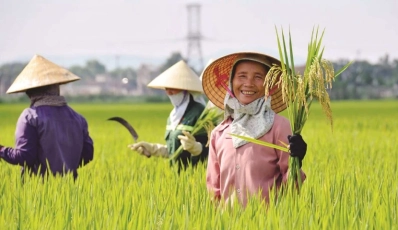
Vietnam stretches over 1,600 kilometres from north to south. Its geography gives the country an impressive variety of landscapes: terraced rice fields and mountain valleys in the north, karst formations in Ninh Binh, beaches and lagoons in Central Vietnam, and canals and tropical orchards in the Mekong Delta. Each region has its own character, allowing you to create a Vietnam travel itinerary around your interests, whether you enjoy hiking, boat trips, days by the sea or exploring cities.
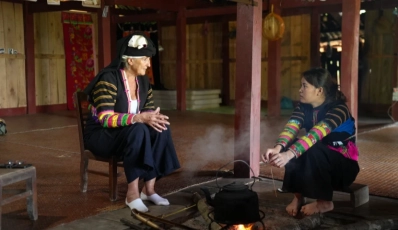
Vietnam's history can be seen in its imperial citadels, pagodas and historic merchants' houses. But it also comes to life in more everyday scenes: a market bustling at dawn, a meal shared at a small local eatery, or a family preserving traditional craftsmanship. Travelling in Vietnam therefore means visiting iconic landmarks while taking the time to observe local life and gain a deeper understanding of the traditions that shape each region.
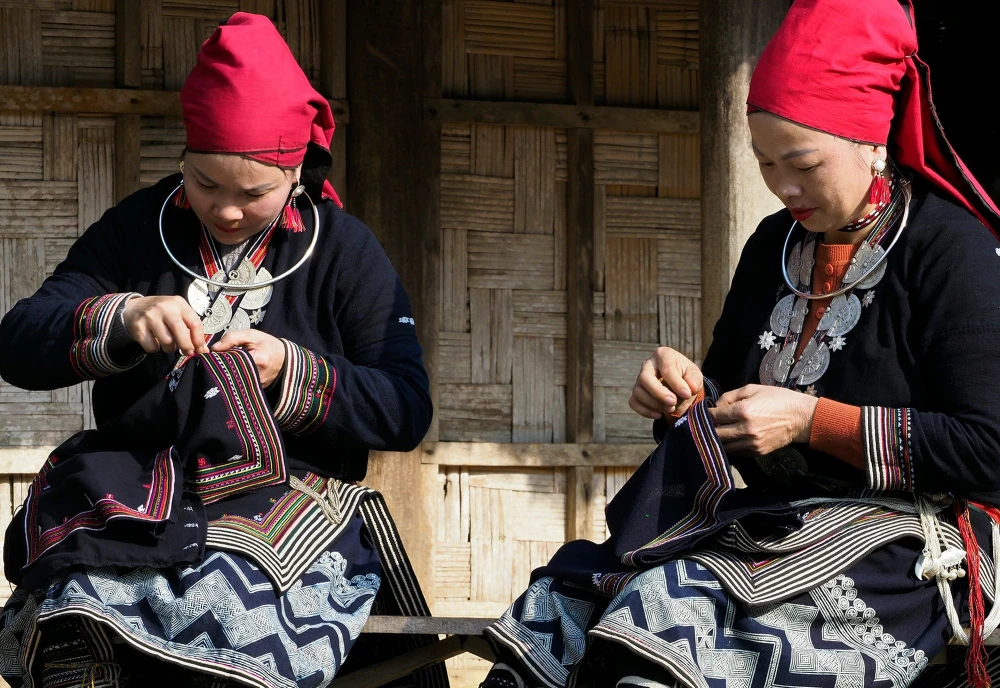
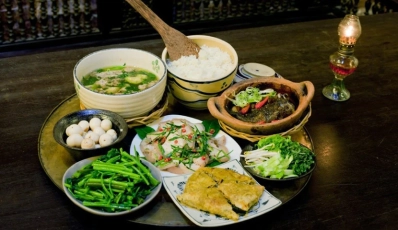
Vietnamese cuisine also changes as you travel through the country. A steaming bowl of phở in Hanoi, a bowl of cao lầu in Hoi An, or tropical fruits enjoyed in the Mekong Delta offer a glimpse into local eating habits. Markets, small neighbourhood eateries and home-cooked meals with local families allow you to go beyond the best-known dishes and discover the differences in flavours, ingredients and culinary traditions between Northern, Central and Southern Vietnam.
Whether you have around ten days or three weeks, there are many ways to explore Vietnam. A first trip can focus on one or two regions to avoid spending too much time travelling between destinations. With more time, you can connect Northern, Central and Southern Vietnam, combining cultural visits, natural landscapes and encounters with local people. A private Vietnam tour with an itinerary tailored to your pace can also make planning easier, particularly if you want to venture beyond the most popular tourist routes or travel with your family.
Good news if you are planning your first trip to Vietnam: French travellers do not necessarily need to apply for a visa before departure. The entry document you need mainly depends on the length of your stay and your individual circumstances. Before booking your flights, make sure you check the Vietnam entry requirements that apply to your itinerary.
Read more:Vietnam Visa Exemption (2026–2028) | Complete Guide
French nationals holding a valid passport can stay in Vietnam without a visa for up to 45 days, including both the day of arrival and the day of departure. This Vietnam visa exemption is particularly suitable for travellers planning to explore the country over two or three weeks.
Your passport must be valid for at least six months from your date of entry into Vietnam. If you plan to stay for more than 45 days, you will need to obtain an appropriate visa before arrival.
If your trip exceeds 45 days, or if you would like the flexibility to enter and leave Vietnam during your stay, the Vietnam e-visa is an option worth considering. This electronic travel authorisation can be issued for a maximum of 90 days, with either single-entry or multiple-entry options.
You can apply for a Vietnam e-visa online through the official Vietnamese immigration portal: evisa.gov.vn. Make sure you enter your passport details, travel dates and entry point correctly. Application fees are non-refundable if your application is rejected. It is therefore advisable to apply well in advance and check all the information on your e-visa before departure.
See also:Vietnam E-Visa 2026: Cost, Processing Time and Application Procedure
You may have heard of the Vietnam visa on arrival. This term refers to a procedure that differs from the e-visa and should not be confused with an entry permit automatically issued at the airport. It may require arrangements before departure and is not generally the preferred option for a standard tourist visit.
For most French travellers, the choice is therefore straightforward: for stays of up to 45 days, the visa exemption applies; for longer stays, an e-visa suited to the planned duration is required. As Vietnam visa regulations may change, check the latest official information before travelling, particularly on the France Diplomatie website.
Vietnam can be visited all year round, but the best time to visit Vietnam mainly depends on which regions you want to explore.
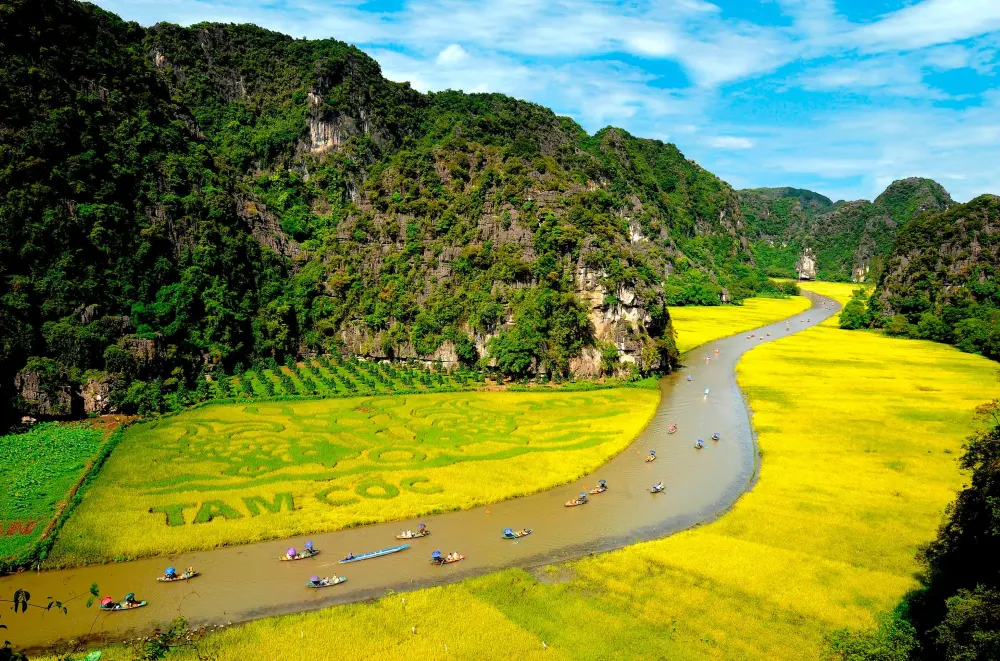
Northern Vietnam, including Hanoi, Ha Long Bay, Ninh Binh, Sapa and Ha Giang, is particularly enjoyable in spring and autumn. From September to November, temperatures become more comfortable after the summer, and the mountain landscapes offer favourable conditions for hiking and excursions. In spring, from March to April, the weather gradually becomes warmer, making it a pleasant time for cultural sightseeing and outdoor activities.
Winter, from December to February, also has its charm, particularly in Hanoi, although temperatures can sometimes be low and skies may remain overcast. In the mountains, the cold is more noticeable, so pack warm clothing if you plan to visit Sapa or Ha Giang.
To explore Hue, Hoi An, Da Nang and the surrounding areas, February to May is generally the recommended period. Weather conditions are often favourable for exploring historic cities, taking countryside excursions and spending time by the sea before the intense summer heat arrives.
From September onwards, rainfall increases across several parts of Central Vietnam, with a particularly high risk of storms and flooding during autumn. If your Vietnam itinerary includes Hoi An or Hue between September and November, check the weather forecast before confirming your excursions.
Southern Vietnam, particularly Ho Chi Minh City, the Mekong Delta and Phu Quoc Island, is generally more pleasant during the dry season, from December to April. Days are warm and rainfall is less frequent, making it easier to enjoy city sightseeing, boat trips and beach holidays.
From May to November, the rainy season in Southern Vietnam often brings heavy showers, particularly in the late afternoon. However, this does not mean you need to avoid the south during this period. Mornings are often still suitable for sightseeing, provided you plan a flexible itinerary and take weather conditions into account.
If you want to explore Vietnam from north to south in a single trip, March and April are generally good choices for combining the country's main regions. October and November can also be appealing, particularly for exploring Northern and Southern Vietnam, although rainfall may still disrupt parts of your journey through Central Vietnam.
However, there is no single best time to travel to Vietnam that is ideal for every destination. The most important thing is to choose your travel dates based on the regions you want to prioritise, the length of your stay and the activities you would most like to enjoy. A well-planned Vietnam travel itinerary allows you to make the most of your trip even when the weather is not perfect everywhere.
Read also:Best Time to Visit Vietnam by Region and Month
Travelling to Vietnam from France generally involves a non-stop flight of around 12 hours, or longer if you choose a connecting flight. For a first trip, two airports serve as the country's main international gateways: Hanoi in the north and Ho Chi Minh City in the south. Your choice will depend mainly on your itinerary and your preferred travel dates.

If you want to minimise your travel time, a direct flight from Paris to Vietnam is a convenient option. Vietnam Airlines operates a non-stop service between Paris Charles de Gaulle Airport and Hanoi, with a flight time of approximately 11 hours and 40 minutes. Available connections to Ho Chi Minh City and flight schedules may vary depending on the airline and time of year, so check which flights are available for your travel dates.
Departing from Paris is often the easiest way to find a direct flight. If you live in Lyon, Marseille, Bordeaux or another French city, you can compare routes departing from your regional airport with those connecting through Paris.
Connecting flights to Vietnam offer another way to reach the country. They may provide more options in terms of departure times, airlines and fares, although the total journey time depends on the length of your connection.
Depending on the airline and travel dates, you may find routes connecting through Istanbul (Turkey), Doha (Qatar), Dubai (United Arab Emirates), Singapore, Taipei (Taiwan) or Seoul (South Korea).
These are just a few examples, as available routes vary according to the season and airline schedules. Before booking, compare the total journey time, airport waiting times and transfer requirements. If you book your flights separately, allow sufficient time for possible delays and check whether you need to collect your luggage or complete any additional formalities.
Vietnam has several international airports, but Hanoi and Ho Chi Minh City are generally the two most convenient arrival points for a first-time Vietnam itinerary.
Hanoi (Noi Bai International Airport): Ideal if you want to start your journey in Northern Vietnam, exploring Hanoi, Ninh Binh, Ha Long Bay, Sapa or Ha Giang.
Ho Chi Minh City (Tan Son Nhat International Airport): Convenient for discovering Southern Vietnam, including Ho Chi Minh City, the Mekong Delta and the region's beach destinations.
If your Vietnam itinerary runs from north to south, you can also compare flights arriving in Hanoi and departing from Ho Chi Minh City, or vice versa. This open-jaw flight option can sometimes save you from having to return to your original arrival city just to catch your flight home.
A direct flight from Paris to Hanoi takes approximately 12 hours. With a connection, the total journey time can reach 15 to 22 hours, or even longer depending on the transit city and connection time. You should also consider the time difference between France and Vietnam, which varies throughout the year.
For a more comfortable journey, compare arrival times as well as ticket prices. Landing in the morning or early afternoon can make it easier to organise your first day. If you arrive after a long journey, plan a light schedule so you can rest before starting your sightseeing.
Vietnam remains a destination where it is possible to travel on a wide range of budgets. The cost of a trip to Vietnam mainly depends on international airfares, your choice of accommodation, dining preferences and the excursions you want to experience. To help you plan your journey, here is an estimated budget for 15 days in Vietnam, including international flights.
For a return economy-class flight from Paris to Vietnam, you should generally budget between €550 and €1,200 per person. The most attractive fares are often available when booking in advance and remaining flexible with your travel dates. A direct flight may cost more than a connecting itinerary.
If you travel during school holidays, Christmas or other periods of high demand, ticket prices can increase considerably. Compare several departure dates and always check whether checked baggage is included in the advertised fare.
Vietnam offers accommodation for every budget, from hostels to boutique hotels and luxury resorts.
Budget accommodation: Approximately €15–€30 per night for a basic room or economical accommodation.
Mid-range accommodation: Approximately €40–€80 per night for a room in a comfortable hotel, often rated 3 or 4 stars depending on the destination.
Luxury accommodation: From €150 per night, including luxury hotels, boutique properties and resorts offering additional services.
These prices are indicative and vary depending on the city, season and standard of accommodation. The cost per person can be more affordable when two travellers share a room.
Vietnamese cuisine allows you to eat well without spending a large proportion of your travel budget on meals. A bowl of phở, a bánh mì or a dish at a small local eatery generally costs less than a meal at a tourist-oriented or international restaurant.
As a guide, allow €10–€15 per day for budget-friendly meals, €20–€30 per day for a mix of local food and more comfortable restaurants, and €40–€80 per day or more if you prefer fine dining and high-end establishments.
Remember to set aside a little extra for coffee, drinks, desserts and local specialities you may want to try along the way.
Some experiences cost almost nothing, such as walking through historic neighbourhoods, browsing local markets or admiring the countryside. Other activities require a larger budget, particularly guided excursions, boat trips and overnight cruises in Ha Long Bay or Lan Ha Bay.
For a 15-day trip to Vietnam, you can budget approximately:
Costs depend mainly on the number of excursions, their duration and the level of service you choose. Check what is included in the price, such as meals, transfers, entrance fees or water-based activities.
For a 15-day trip to Vietnam from France, here are the main estimated budget ranges per person, including international flights:
These estimates include international flights, accommodation, meals, transport within Vietnam and the main activities. They assume that two travellers share a double room and fly economy class, including those choosing the luxury travel category. Personal expenses, shopping, travel insurance and any applicable visa fees are not included.
Our advice: Start by defining your overall travel budget, then choose the regions and experiences that matter most to you. You do not need to book numerous expensive excursions to enjoy Vietnam. A well-organised itinerary, a few nights in charming accommodation and opportunities to meet local people can make your journey memorable without pushing your expenses too high.
Hanoi
Hanoi is often the starting point for a first trip to Vietnam. In the Old Quarter, bustling shopping streets, cafés and street food stalls offer a glimpse into everyday local life. Just a short walk away, Hoan Kiem Lake provides a pleasant place to relax, while the Temple of Literature and the Imperial Citadel of Thang Long offer insights into the country's history. Allow two to three days in Hanoi to explore the capital, sample Vietnamese specialities and soak up its atmosphere.
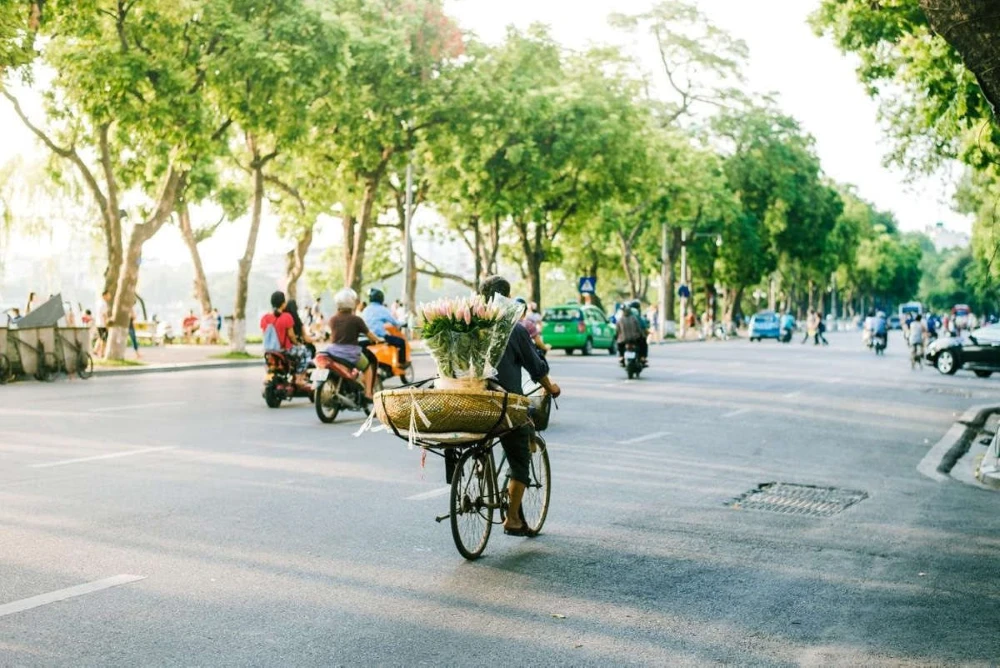
Ninh Binh
Around two hours from Hanoi, Ninh Binh captivates visitors with its limestone cliffs, rice fields and peaceful rivers. A boat trip in Trang An or Tam Coc takes you through spectacular landscapes and, in some places, natural caves. For panoramic views over the valley, climb the steps at Mua Cave. You can also visit Hoa Lu, Vietnam's ancient capital, or explore the countryside by bicycle. Allow one to two days in Ninh Binh to enjoy the region at a relaxed pace.
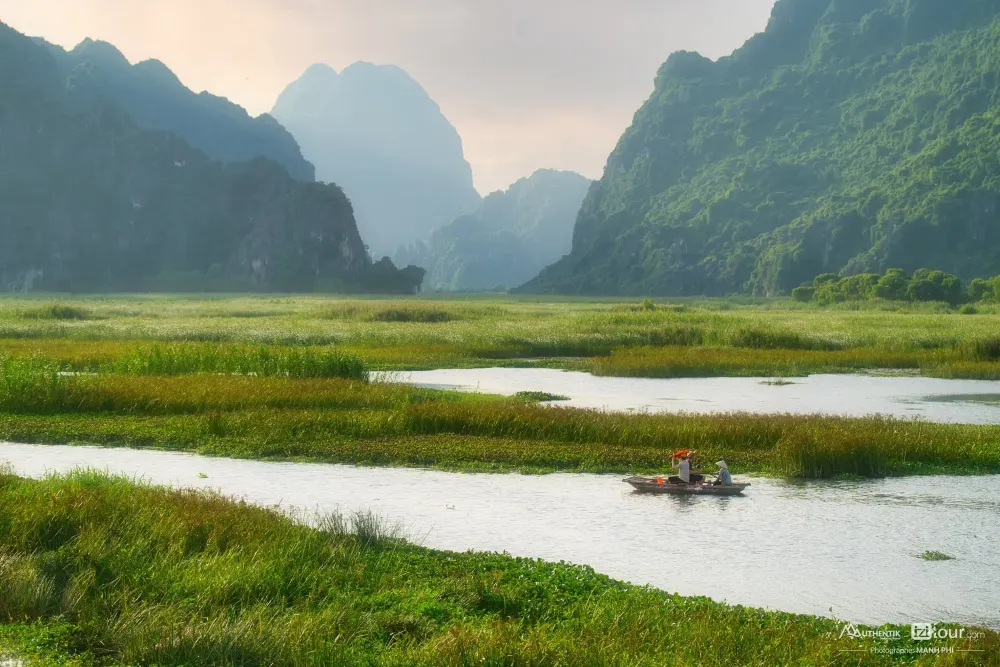
Ha Long Bay and Lan Ha Bay
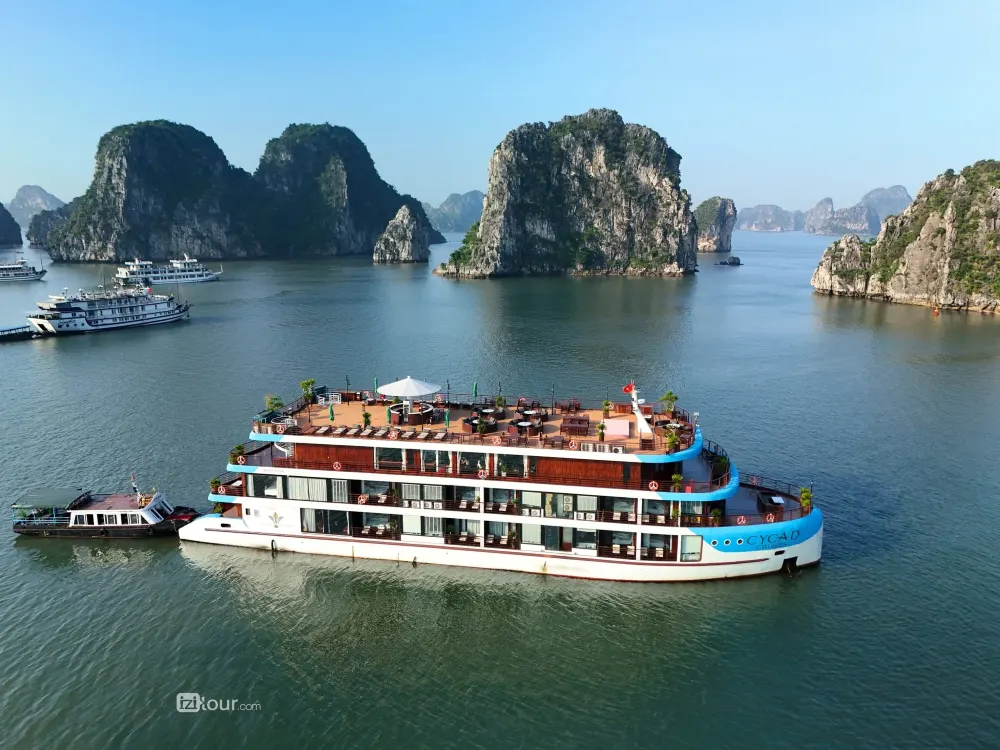
Ha Long Bay and Lan Ha Bay are famous for their limestone islets rising from emerald-green waters. A bay cruise allows you to admire these landscapes, go kayaking or visit certain caves, depending on the itinerary. Spending a night on board offers a more complete experience, particularly at sunrise. Located near Cat Ba Island, Lan Ha Bay may appeal to travellers looking for routes that are sometimes less crowded. Compare the boats, included activities and group sizes before booking.
Ha Giang
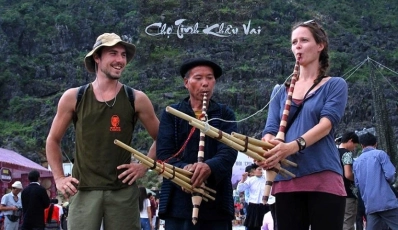
Ha Giang is an ideal destination for travellers seeking wide-open spaces and spectacular mountain roads. The Dong Van Karst Plateau, deep valleys and Ma Pi Leng Pass are among the most impressive landscapes in Northern Vietnam. Along the way, local markets and villages offer opportunities to discover the traditions of different ethnic communities. You can explore the region by private car with a driver or by motorbike with an experienced rider. Allow at least three to four days for the Ha Giang Loop to explore without having to rush through long journeys.
Sapa
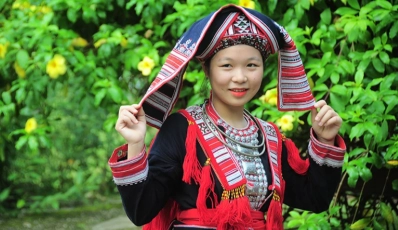
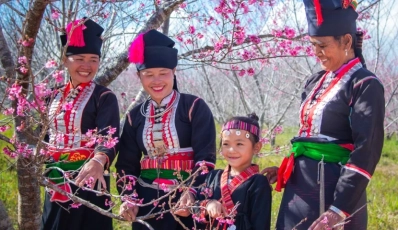
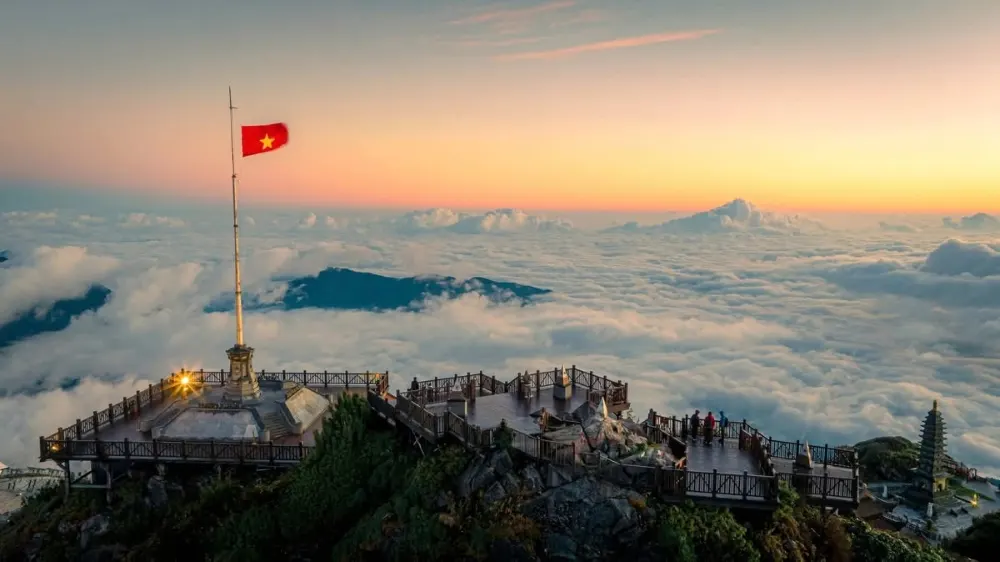
Nestled in the mountains of Northern Vietnam, Sapa is known for its terraced rice fields and villages inhabited by communities including the Hmong and Red Dao. Trekking through the valleys allows you to observe farming activities and discover traditional local crafts. The landscapes change with the seasons, with lush green rice terraces in summer and golden fields as harvest time approaches. As Sapa is a popular destination, consider exploring the surrounding trails and villages for a quieter experience. Allow two to three days in Sapa, depending on your itinerary.
Hue
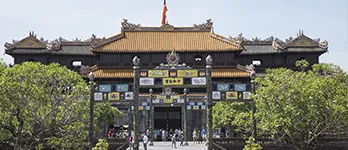
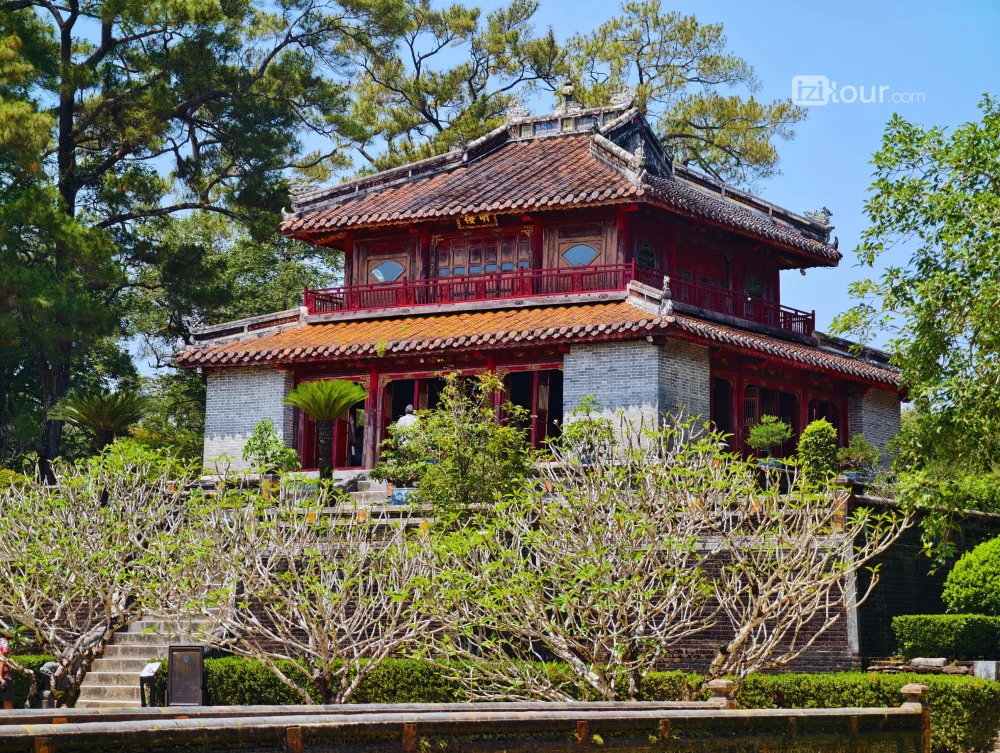
The former imperial capital, Hue is a must-visit destination in Vietnam for anyone interested in understanding part of the country's history. Its citadel, palaces and temples reflect the reign of the Nguyen Dynasty. Nearby, the imperial tombs of Tu Duc and Khai Dinh stand out for their distinctive architecture and decoration. A walk along the Perfume River and an introduction to local cuisine make pleasant additions to your sightseeing. Allow one to two days in Hue to explore the main monuments at your own pace, ideally with a French-speaking guide to gain a deeper understanding of their history.
Hoi An
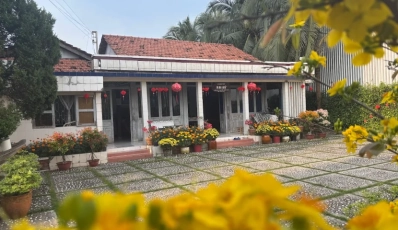
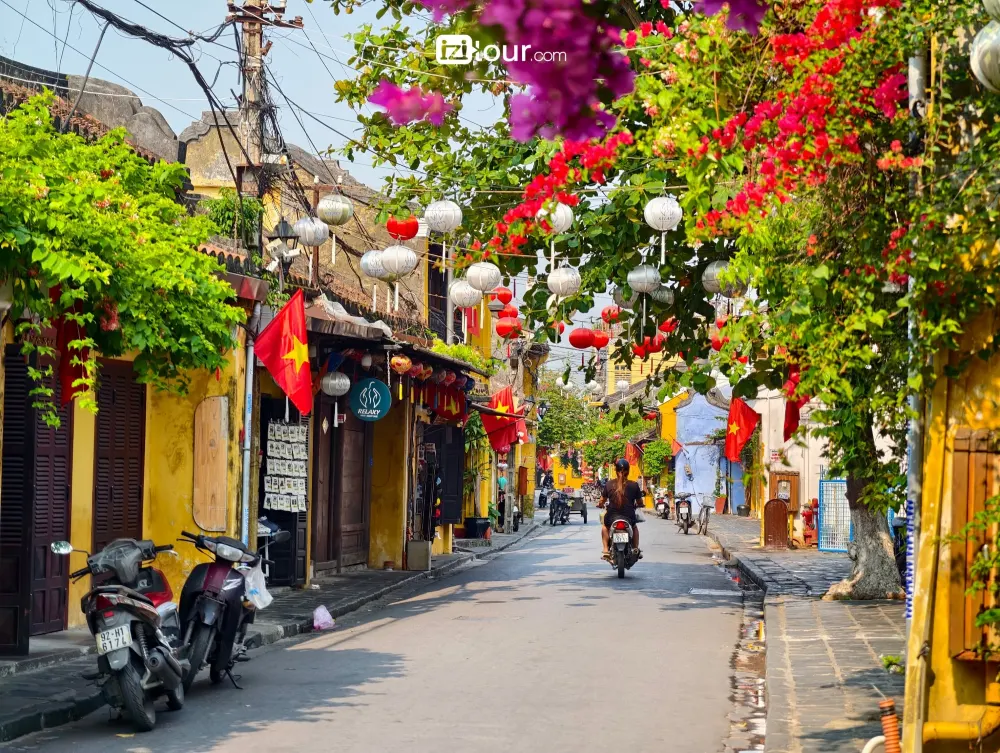
With its yellow-painted houses, lanterns and pedestrianised streets, Hoi An has a distinctive atmosphere. Once a thriving trading port, the town retains Vietnamese, Chinese and Japanese influences that can still be seen in its architecture. Beyond the historic centre, you can explore the countryside by bicycle, visit traditional craft villages or join a Vietnamese cooking class. Hoi An Ancient Town is particularly pleasant in the late afternoon and evening, when the lanterns light up. Allow two to three days in Hoi An to discover the surrounding area and enjoy the town beyond its busiest attractions.
Da Nang
Located on Vietnam's central coast, Da Nang appeals to visitors with its long sandy beaches, waterfront and mountain scenery. You can relax on My Khe Beach, visit the Marble Mountains or admire the views from the Son Tra Peninsula. The city is also a convenient starting point for exploring Hoi An and Hai Van Pass. For a first trip to Vietnam, Da Nang offers a combination of cultural sightseeing, nature excursions and relaxation by the sea.
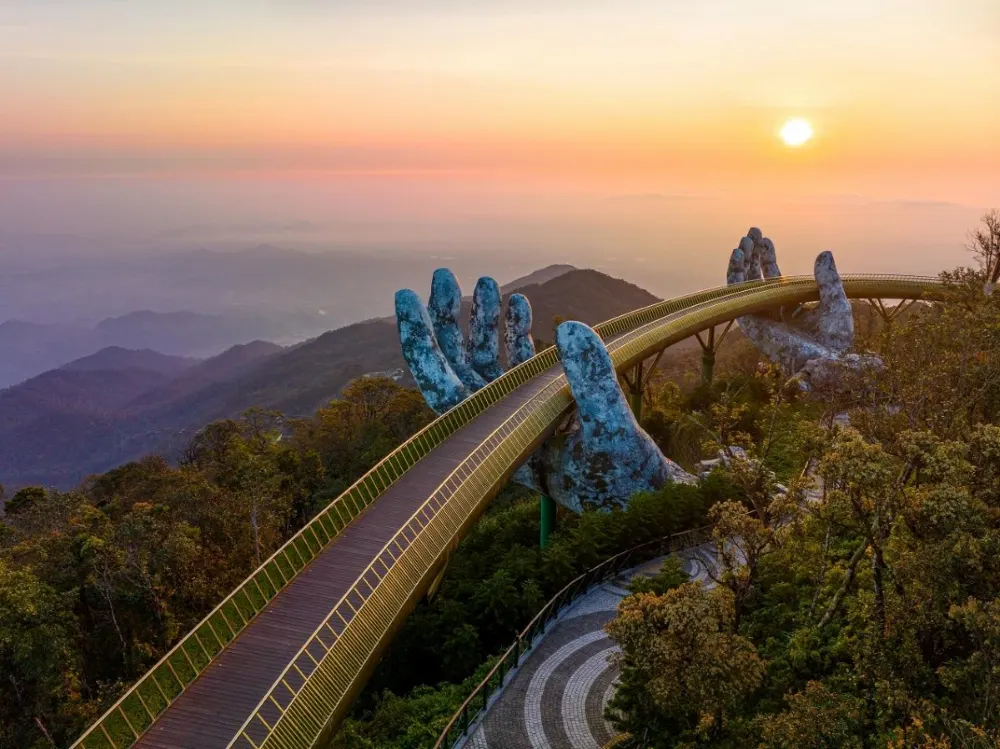
Ho Chi Minh City
Ho Chi Minh City, formerly known as Saigon, is a vibrant metropolis where historic buildings stand alongside modern cafés and busy boulevards. The Independence Palace, Central Post Office and War Remnants Museum offer insights into different periods of the country's history. To experience local life, wander through the markets and sample Southern Vietnamese specialities. The traffic can seem overwhelming, but the city reveals many different sides to those who take the time to explore it. One to two days in Ho Chi Minh City is enough for a first introduction.
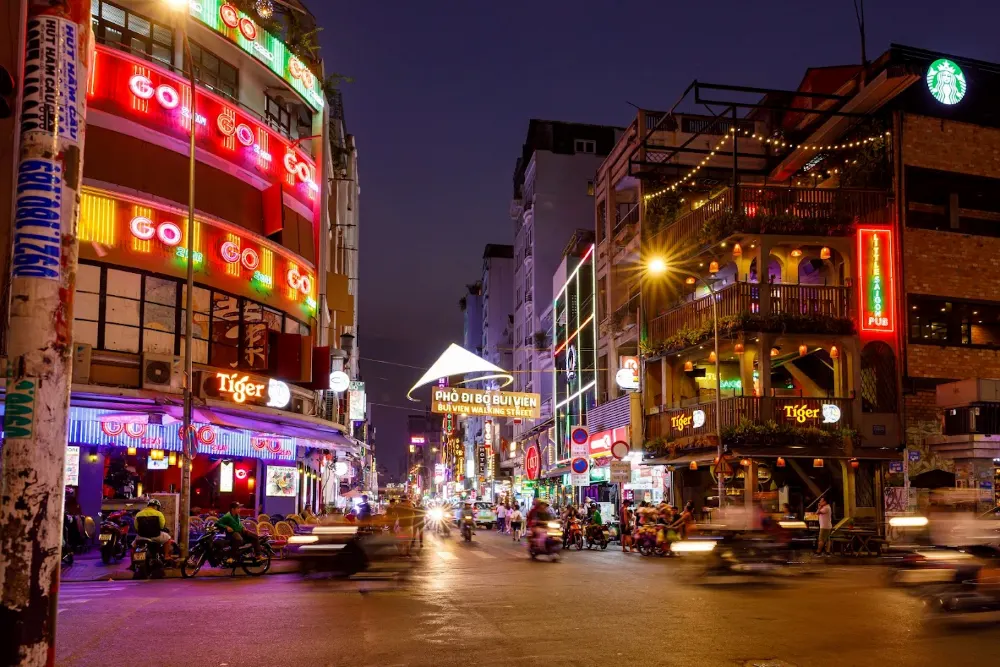
Mekong Delta
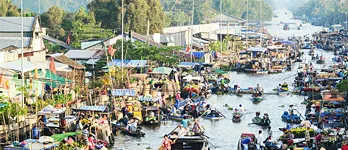
The Mekong Delta reveals a rural side of Vietnam shaped by canals, tropical orchards and fertile farmland. A boat trip through the Mekong Delta allows you to observe life along the waterways, visit traditional craft workshops and navigate narrow canals lined with lush vegetation. Cai Rang Floating Market, near Can Tho, offers a glimpse into traditional river trading, although activity levels vary depending on the time of day. To experience more of the region, stay overnight and explore the villages by bicycle. Allow one to two days in the Mekong Delta.
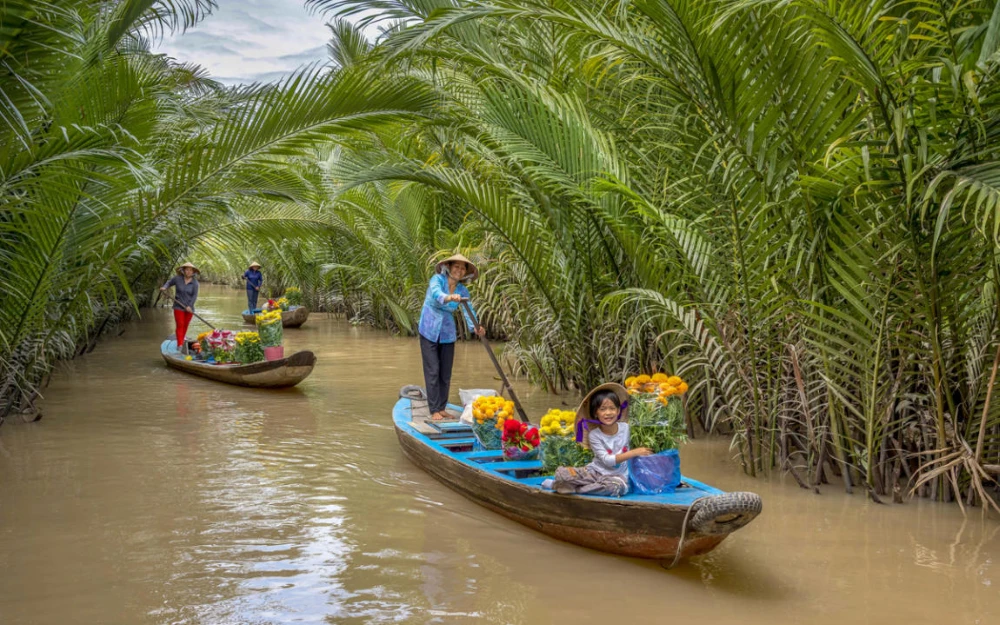
Phu Quoc
Phu Quoc is popular for its tropical beaches, warm waters and coastal scenery. It is a good place to end a Vietnam itinerary with a few days of relaxation. You can enjoy the beaches, take a boat trip to nearby islands or discover local pepper and fish sauce production. Some areas are highly developed for tourism, while others remain quieter. The dry season, generally from December to April, is often the most favourable time to visit. Allow two to four days in Phu Quoc, depending on your preferences.
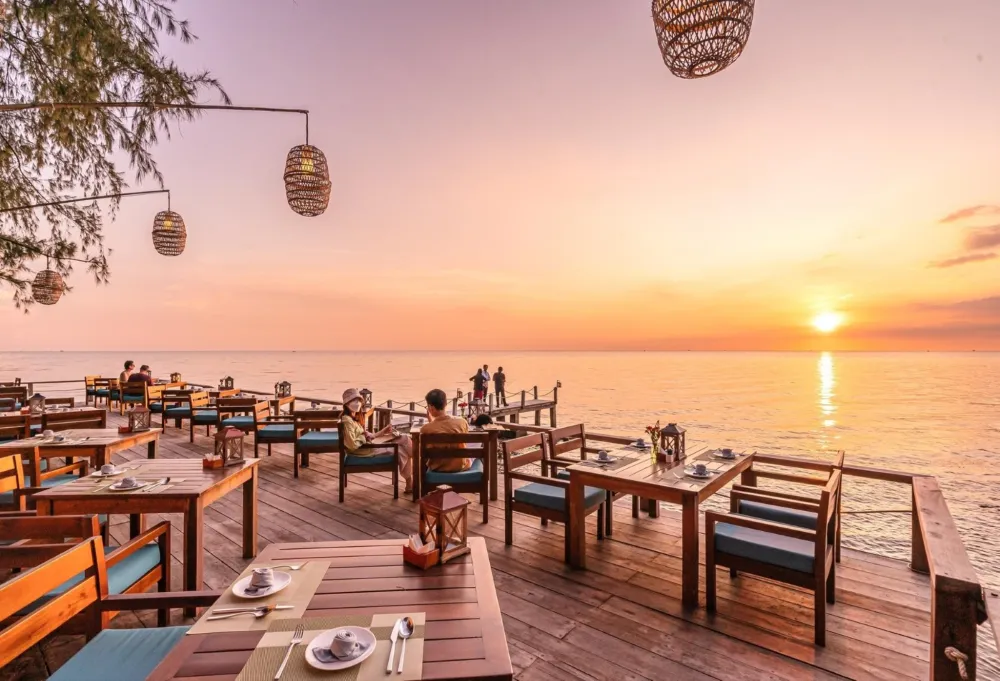
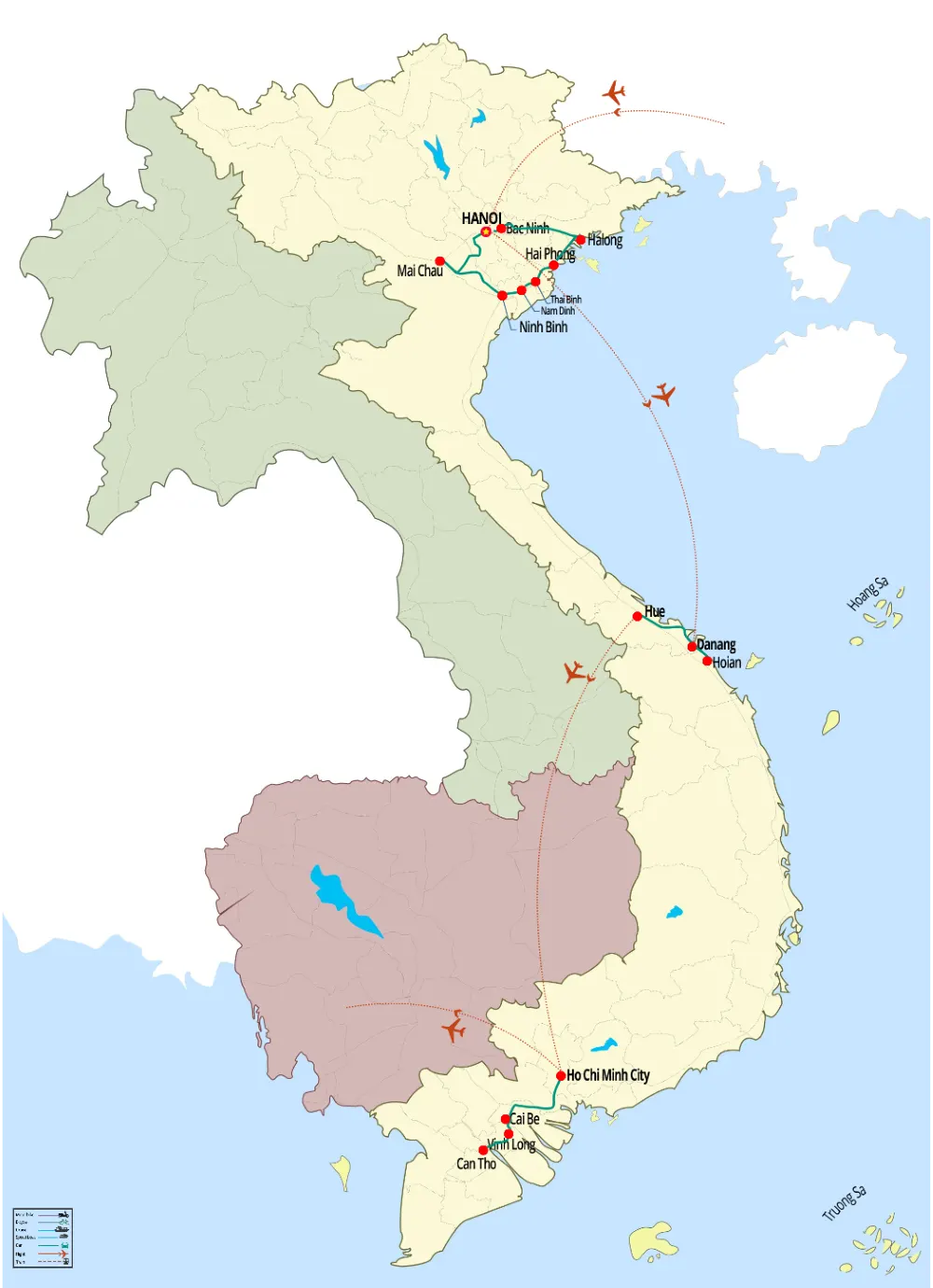
For a first trip to Vietnam, we suggest a 15-day Vietnam itinerary that combines culture, nature, food and moments of relaxation, without having to rush from one destination to the next. Here is an example of a tour that allows you to discover the country's must-see attractions while taking the time to enjoy each stop along the way.
Days 1–2: Welcome to Hanoi
Day 3: Hanoi – Mai Chau
Day 4: Mai Chau – Ninh Binh
Day 5: Ninh Binh
Day 6: Ninh Binh – Lan Ha Bay
Day 7: Lan Ha Bay – Hanoi – Hoi An
Days 8–9: Hoi An
Day 10: Hoi An – Hue
Day 11: Hue – Ho Chi Minh City (Saigon)
Day 12: Ho Chi Minh City
Day 13: Ho Chi Minh City – Cai Be – Can Tho
Day 14: Can Tho – Ho Chi Minh City
Day 15: Ho Chi Minh City – Departure
Check your travel documents before departure
Before booking your trip, check the Vietnam entry requirements based on your passport and the length of your stay. Make sure your passport has sufficient validity remaining and keep copies of your important documents. If you need a Vietnam visa, complete the application through the official portal and double-check all the details before departure. You should also consider taking out travel insurance for Vietnam that covers medical expenses and unexpected situations.
Pack suitable clothing for Vietnam's climate
The climate in Vietnam varies considerably between the North, Central and Southern regions. Check the weather forecasts for the destinations you plan to visit and pack accordingly. Lightweight, breathable clothing is useful in warmer regions, while a jacket may be necessary in the mountains of Northern Vietnam during winter. Pack comfortable shoes for sightseeing and hiking, as well as a lightweight raincoat if you are travelling during the rainy season in Vietnam.
Choose a realistic Vietnam itinerary
Vietnam is a long country, and distances between certain destinations can be considerable. Although there are plenty of domestic transport options in Vietnam, journeys can take longer than expected. For a two-week trip to Vietnam, it is better to select a few priority destinations rather than trying to see everything. Allow some free time to rest, go for a walk or enjoy an unexpected discovery. A manageable travel pace will help you appreciate the landscapes and encounters with local people even more.
Respect local customs and places of worship
When visiting temples, pagodas and religious sites in Vietnam, wear clothing that covers your shoulders and knees. Remove your shoes when requested and avoid speaking loudly in prayer areas. If you would like to photograph local people, ask for their permission first. These simple gestures show respect for Vietnamese traditions and local customs and help create more positive interactions with the people you meet during your journey.
Prepare different payment options
The local currency is the Vietnamese dong (VND). Cash remains useful for small restaurants, markets and certain shops, while bank cards are accepted in many hotels and tourist establishments. You can withdraw money from ATMs in Vietnam, keeping in mind any applicable bank charges. Before departure, inform your bank about your trip if necessary and check the conditions for using your card abroad.
Consider booking with a local Vietnam travel agency
Planning a trip to Vietnam independently is entirely possible, but some arrangements can take time: choosing suitable transport, coordinating accommodation, finding French-speaking guides or adapting your itinerary to local conditions. A local Vietnam travel agency can help simplify these arrangements and create an itinerary tailored to your pace, interests and budget.
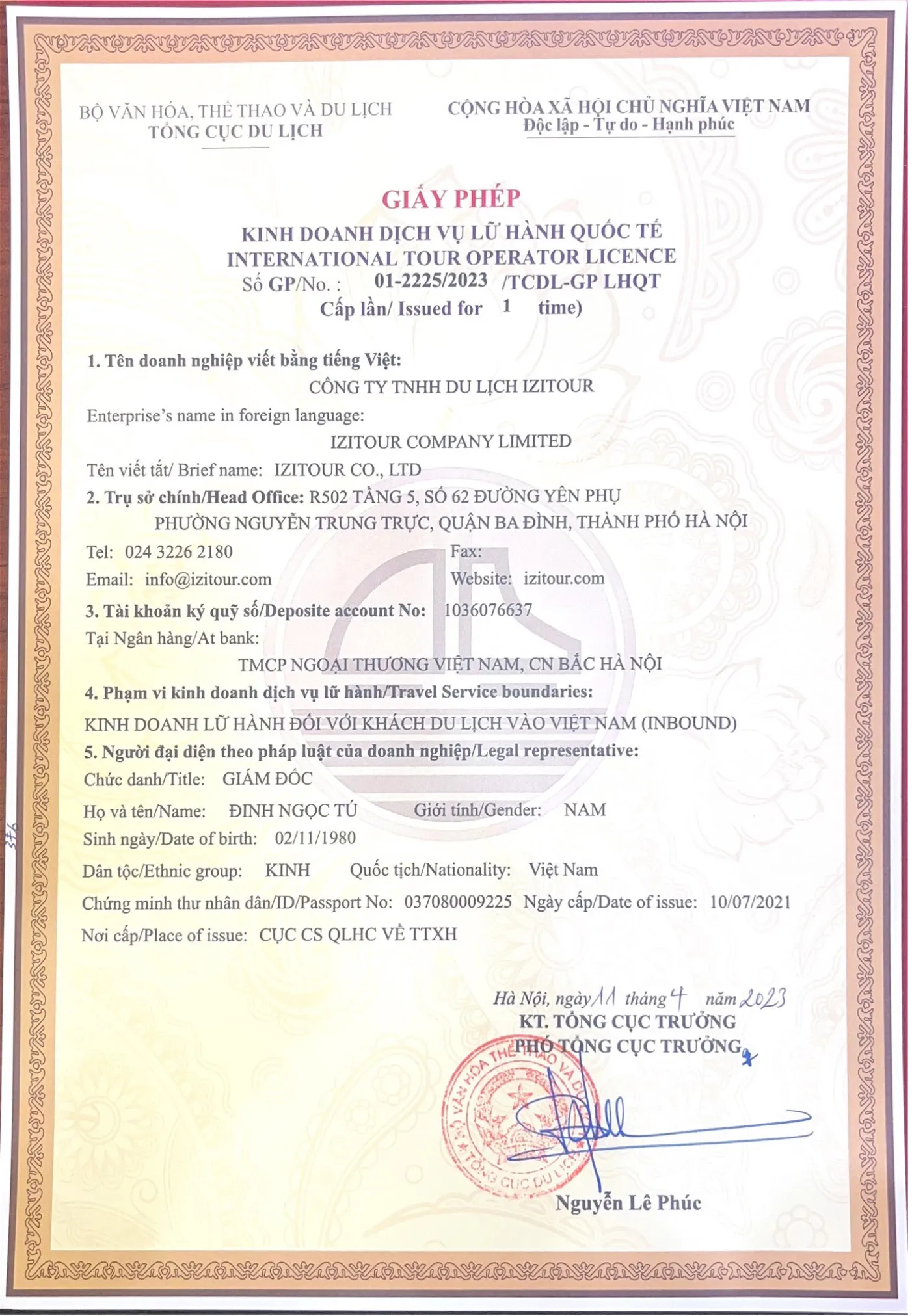
By working with a travel agency based in Vietnam, you also benefit from local knowledge and a point of contact in the country if unexpected situations arise. At IZITOUR, we design private and tailor-made Vietnam tours that allow you to explore the country at your own pace, combining cultural experiences, diverse landscapes and encounters with local people. This is an option worth considering if you want to make the most of your holiday without having to manage every detail of the planning process.
A trip to Vietnam is an opportunity to discover remarkable landscapes, a rich history and a culture that reveals itself through encounters with local people. Whether you have two weeks or more, the key is to choose a Vietnam itinerary that suits your interests and enjoy each destination without rushing.
Are you planning your first trip to Vietnam? IZITOUR can help you create a private, tailor-made Vietnam tour designed around your budget, interests and preferred travel pace. Contact our team to start planning your journey by email at [email protected] or via WhatsApp on +84 382 536 266.
Read more:




 TRAVELERS' CHOICE 2026