

Are these tours guided tours? What’s the best time to travel with good weather?
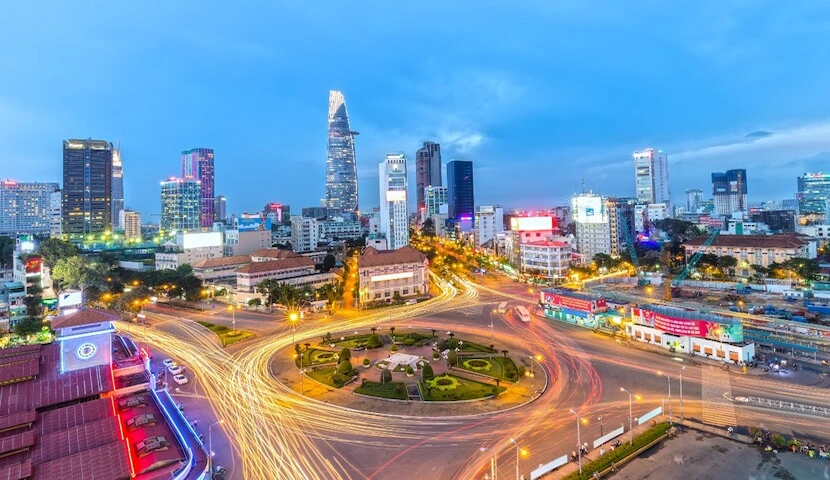
How to navigate Vietnam’s traffic like a pro? In this article, you will find essential tips for both pedestrians and drivers—from decoding "flexible" rules to mastering the art of crossing the street safely.
Vietnam is a must-visit Southeast Asian country - there is nothing to question. However, this article is not about that beauty. Since every country has its own downside, in this article, we are going to share more about a practical situation which is somehow not really comfortable to many travelers (especially ones from Western countries) but you will mostly have to deal with it - Vietnamese traffic. We hope that with the guide we am providing, you are aware of Vietnam traffic and can successfully deal with it without irritation in your travel experience in Vietnam.
Vietnam remains one of the world's leading nations in motorcycle density. As of 2026, there are approximately 77 to 80 million registered motorbikes, meaning nearly 8 out of 10 people own one. You can truly witness this dominance in major metropolises like Hanoi or Ho Chi Minh City, where motorbike lineups are longer and more vibrant than ever.
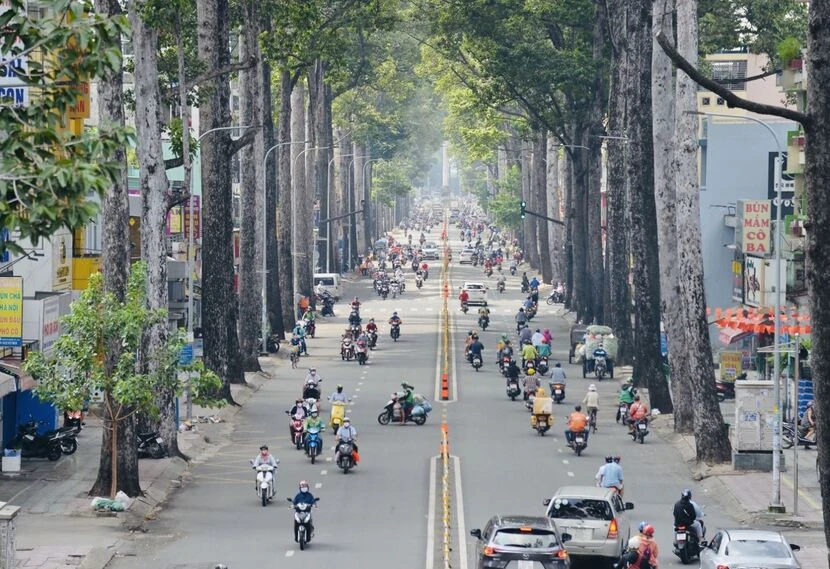
Motorcycles are now appropriate and common in Vietnam due to their practicality and ease of usage on small roadways. Therefore, Vietnam owns one of the most distinctive traffic cultures, with a large number of motorbikes. You can totally witness how dominant this vehicle is when traveling to this country in major cities. If you are unlucky enough to be stuck in that line of cars, you will have a thrilling time when the air is filled with the smell of dust, the sounds of engines and horns, and occasionally even unidentifiable furious noises.
While traffic safety was a major concern in the past, the landscape has changed dramatically in recent years. According to the Vietnam National Traffic Safety Committee, the number of accidents and fatalities has seen a consistent decline from 2020 to 2026. This positive shift is largely due to the strict enforcement of the "Zero Alcohol" policy and the expansion of modern highway networks.
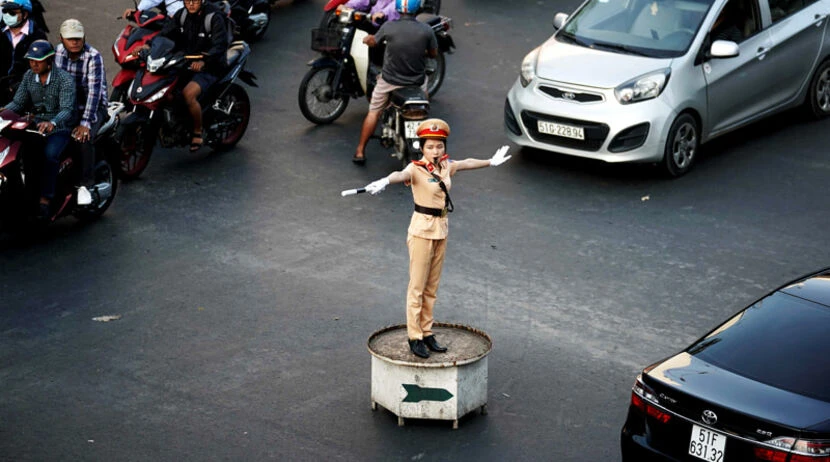
The introduction of elevated highways, pedestrian bridges in tourist hubs, and the modern Metro system has created safer "bubbles" for commuters and travelers alike. Better driver education and the widespread use of high-quality helmets have contributed to making the streets of Hanoi and Ho Chi Minh City less "wild" than they used to be.
Traffic in Vietnam becomes extremely busy during rush hour. Intersections and roundabout areas, in particular, are seen to be the hub for “the culture" of traffic in this nation.
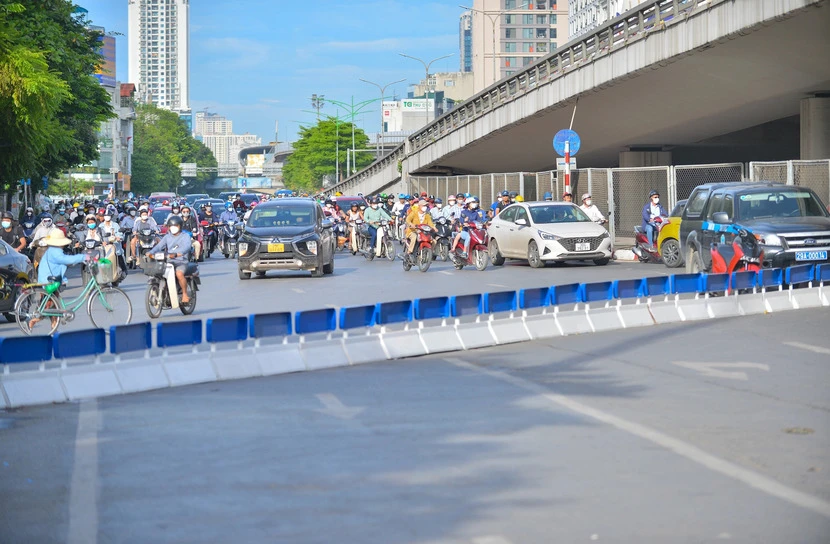
Any roundabout's intricate traffic flow may be observed by standing just in front of it and looking at it from above. However, the more you examine, the less you will be able to discern the primary guidelines that drivers follow when they are on the road. It causes vertigo, much like a hypnotic circle. Whether it's the sidewalk or the automobile lane during rush hour, a motorbike will naturally take up any available space right away.
Vietnamese people are conscious of traffic rules and have their driving permits (or not), but when it comes to the traffic jam situation, they prefer to “go with the flow". Therefore, the Vietnam traffic jam from above looks like a maze with so many vehicles coming from different directions and trying to escape the crowd by their own ways. You are not likely to find a rule by watching it.
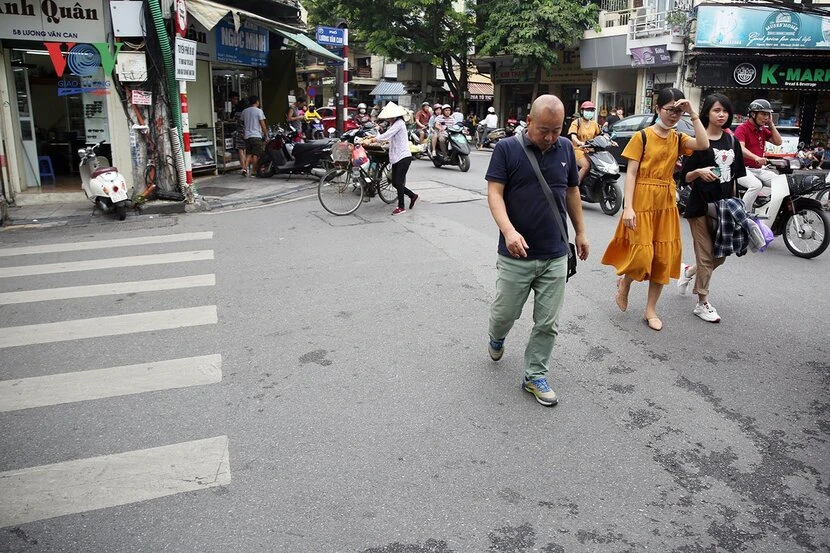
For residents, crossing the street looks effortless, but for visitors, it is a breathtaking task. When visiting Vietnam for the first time, a lot of foreign visitors test their bravery at pedestrian crossings.
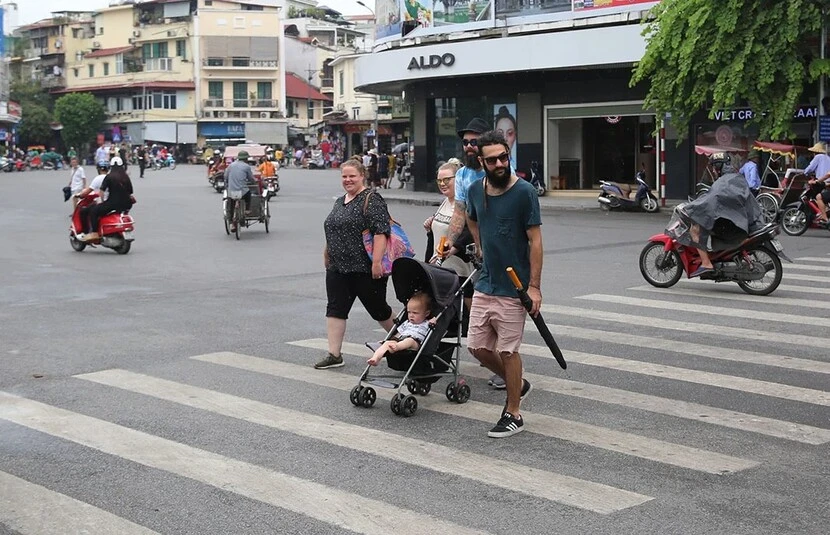
They ought to quickly return to the sidewalk the moment they attempt to step onto the road. A lot of visitors claim that walking the streets of Vietnam is like embarking on a free adventure tour. Yes, it is one of the adventurous things to do in Vietnam.
Updated:
While traffic may still look like a "coordinated mess," it’s important to know that Vietnam has stepped up its game with technology. Major cities like Hanoi, Ho Chi Minh City, and Da Nang have deployed an extensive network of AI-powered traffic cameras.
"Cold Fines" - Don't be surprised if you don't see a police officer at every corner. These cameras automatically record violations such as running red lights, going the wrong way, or illegal parking. This shift is making local drivers more cautious. For travelers renting motorbikes, be aware that any violation recorded will be sent back to the rental agency, and you’ll likely have to settle the fine before leaving.
Since Vietnam traffic is pretty difficult for first-timers in the country and other nations in the Southeast Asian region.
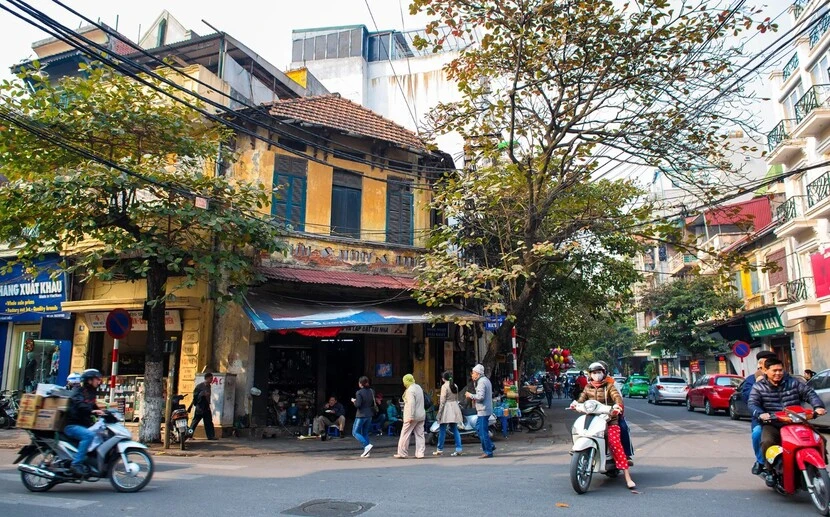
In Vietnam, pedestrian street crossings might seem quite difficult because of the busy traffic and lack of safe crossing locations. To get to where you want to be, you might sometimes have to make your way through dense traffic. Nonetheless, by using the following advice, you may effectively find Vietnam's colorful streets and cross the street with assurance while putting your safety first.
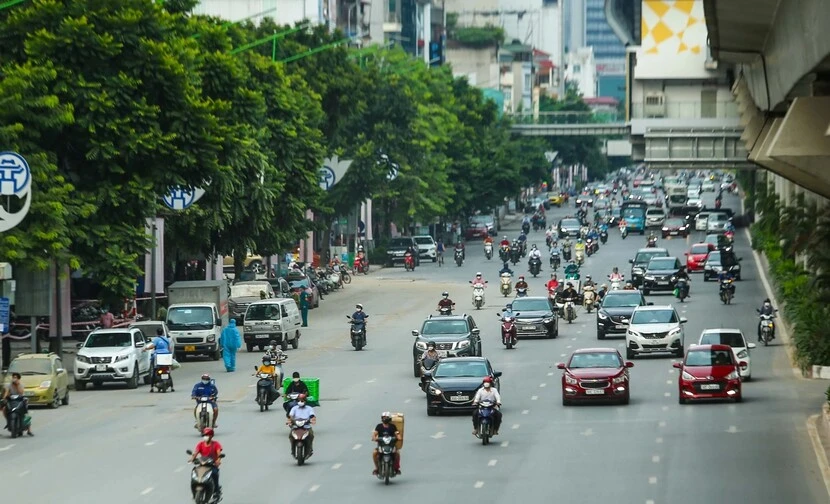
We hope you had a great time learning more about Vietnam traffic. See you in the next article!
See more about Vietnam:





 TRAVELERS' CHOICE 2026