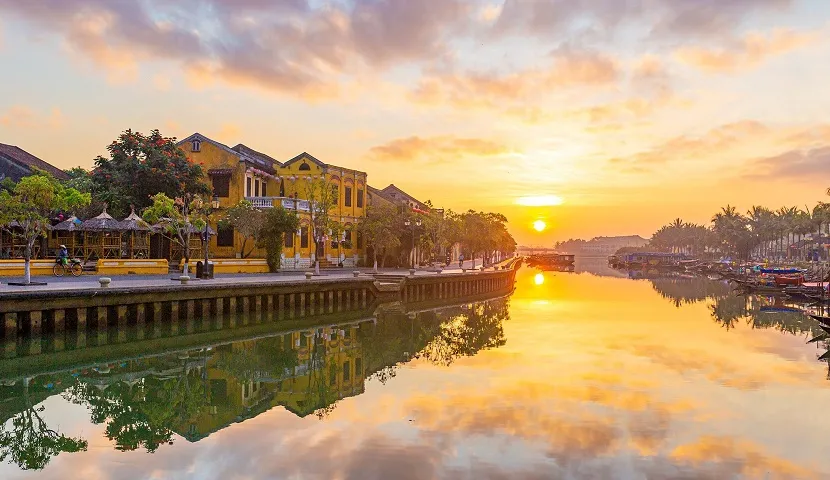



Are you passionate about photography and hunting for a new destination in Southeast Asia this year? Vietnam deserves a spot on your bucket list — few places offer this much authentic, unfiltered beauty to capture. From misty rice terraces to bustling street life, the country is a playground for anyone who loves landscape and portrait photography. In this guide, we'll help you plan an unforgettable Vietnam photography tour — the destinations worth chasing, the best time to visit each one, and what to know before you go.
Table of Content[Hide]
1. What to consider when planning your Vietnam photography tour
Great photography destinations aren't just about pretty scenery — timing, patience, and the right camera settings matter just as much. Some photographers wait days in one spot for that perfect moment to appear. Vietnam photo tour gives you plenty of places worth the wait.
Look for destinations with authentic, untouched landscapes — places where the scenery still takes your breath away with every step. Stretching across 16 latitudes, Vietnam packs in over 42% forest cover, mountains and plateaus across three-quarters of its land, and 1,700km of coastline. That kind of geological diversity means daily life in the more remote corners of the country still holds onto its own distinct color, largely untouched by mass tourism. Ha Giang, Mu Cang Chai, Cao Bang, Ba Be, Pu Luong, Quang Binh, and the South Central Coast are among the most rewarding regions for this kind of shot.
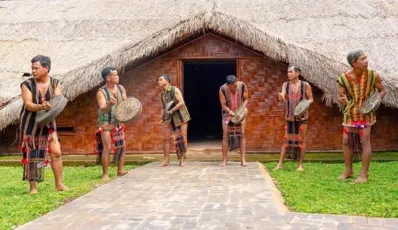
History and culture add another layer of photographic potential. Vietnam is home to 54 ethnic groups, each preserving its own customs — a rich, living archive for anyone who loves to photograph people and place. Take the time to understand local ways of life, and let colorful traditional dress and everyday moments guide your shots — that's what gives a photo real emotional weight, beyond just technical skill. For portrait and lifestyle photography, Hanoi, Sapa, Mai Chau, and Pu Luong are excellent starting points.
And respect matters as much as timing. Always ask before photographing someone up close, especially in ethnic minority villages — a smile and a moment of patience often go further than a zoom lens.
2. Top destinations for your Vietnam photography tour
2.1. Hanoi
Hanoi is one of the most photogenic cities in Vietnam, thanks to its layered history and architecture that wears the passage of time beautifully. Every season brings Hanoi its own mood, which is exactly why the city has long inspired musicians, painters, and photographers alike. Plan for 2-3 days here to properly explore its most photogenic corners:
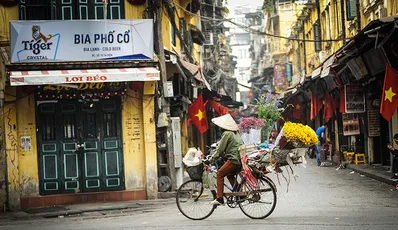
- Hanoi's Old Quarter: Chaotic but full of life — early morning and sunset are the best times to feel the city's rhythm. Local markets are also great for candid, authentic shots of daily life.
- Spiritual and religious sites: Perfume Pagoda (limestone mountain backdrop, reached by boat), Tay Phuong Pagoda (centuries-old wooden statues, hilltop setting), Tran Quoc Pagoda (Vietnam's oldest pagoda, lakeside at sunset), and Temple of Literature (Vietnam's first university, classic Confucian architecture)
- Craft villages: Tho Ha (rice paper), Bat Trang (pottery), or head further west to Chuong (conical hats), Thu Sy (bamboo fish trap) and Quang Phu Cau (incense making). Duong Lam Ancient Village is another excellent stop for scenes of rural daily life.
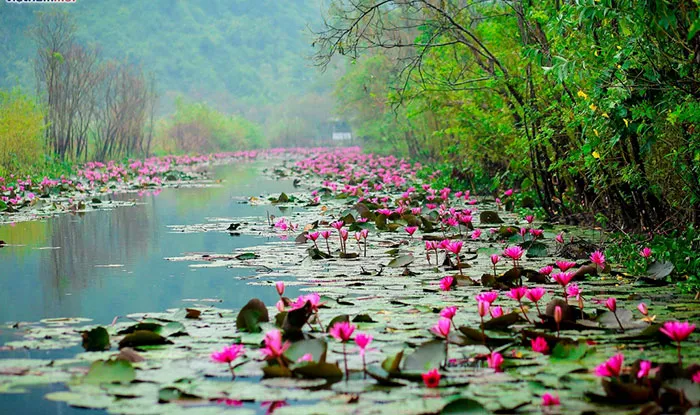
Water lilies bloom along Suoi Yen Stream on the way to Perfume Pagoda.
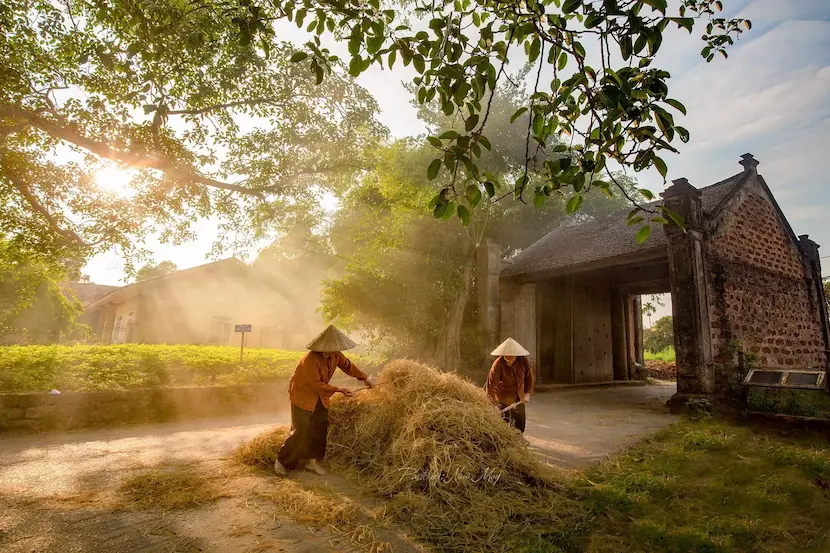
Time-worn laterite walls in Duong Lam Ancient Village.
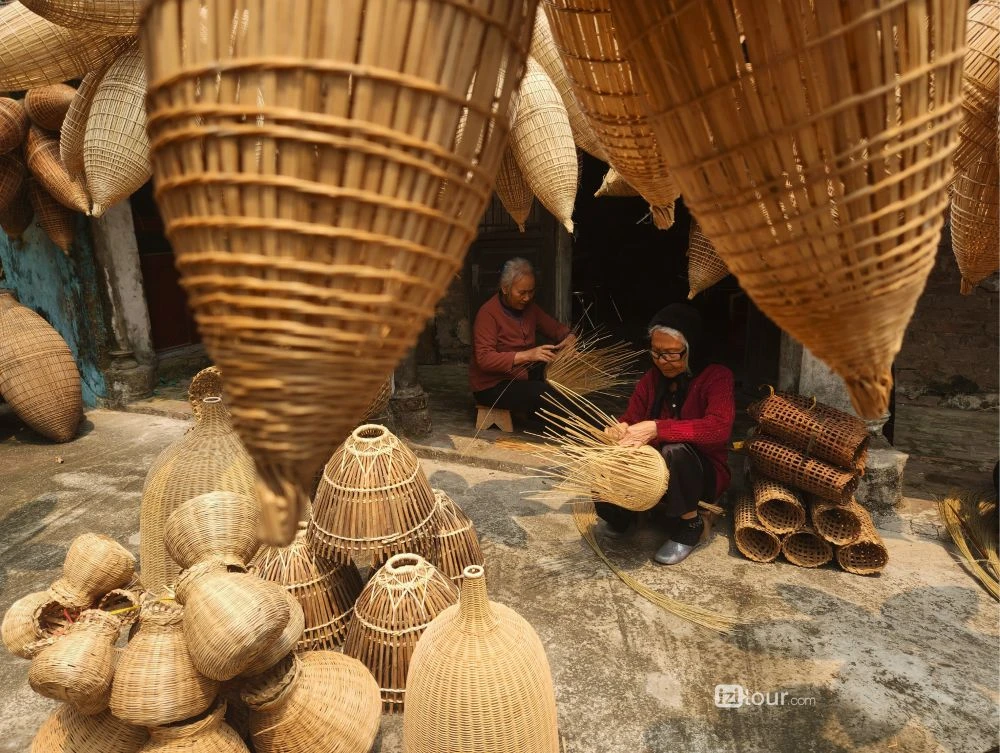
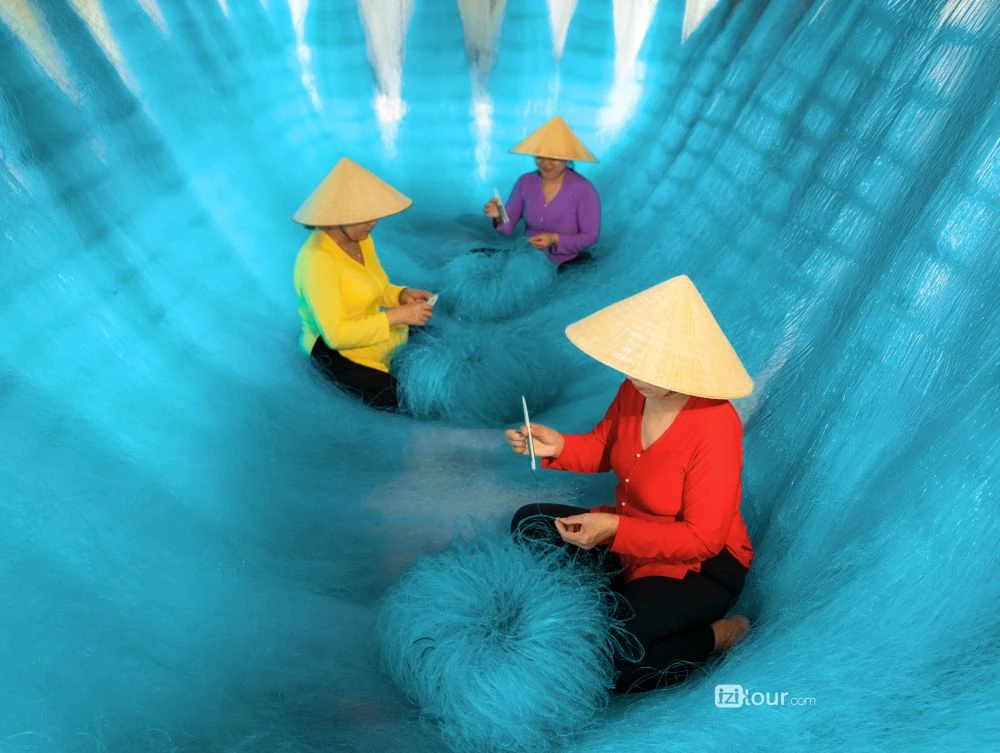
The old women weave bamboo fish traps in Thu Sy Village.
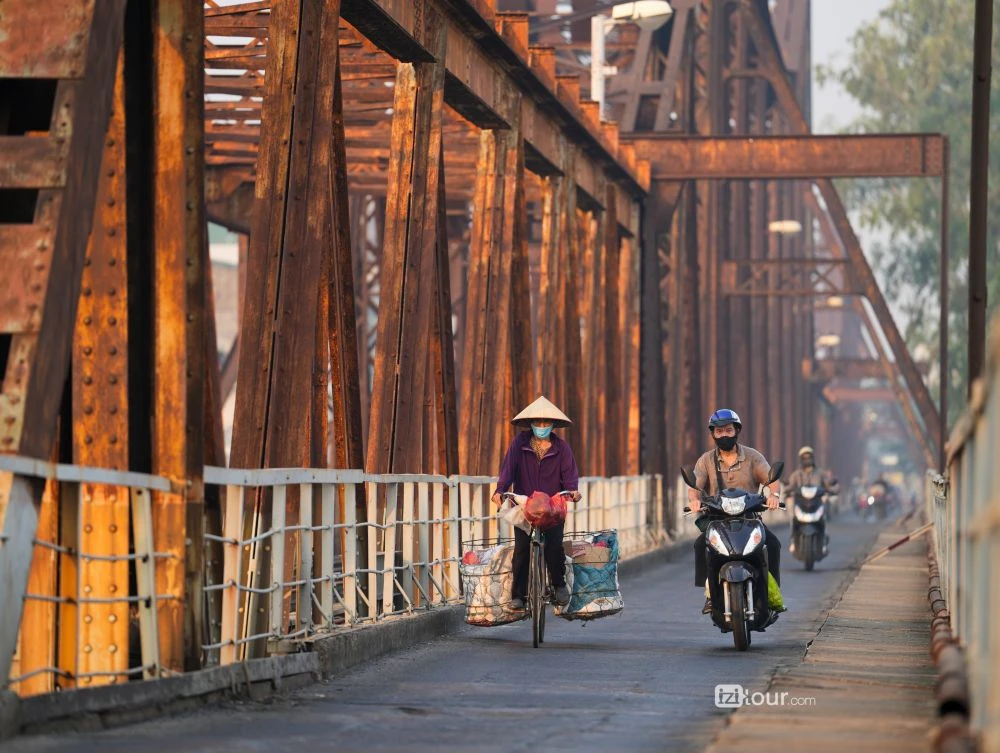
Long Bien Bridge, a century-old witness to Hanoi's everyday life.
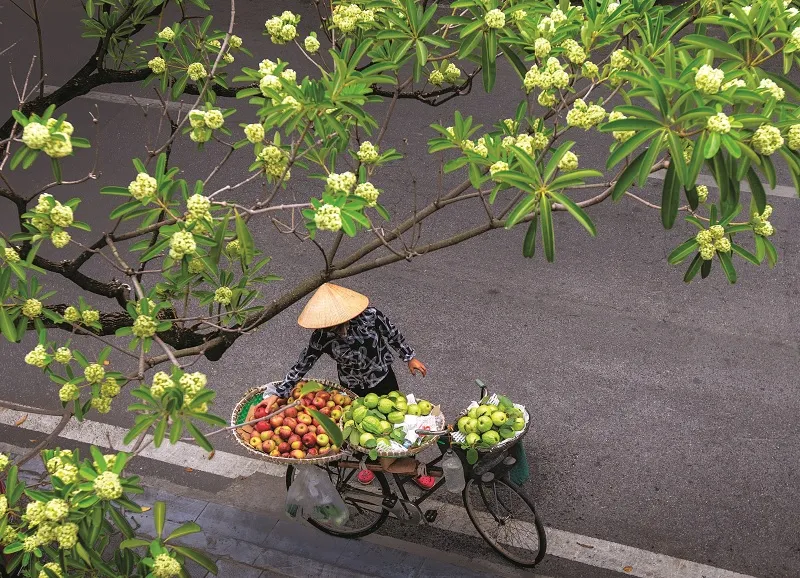
Everyday life unfolds on the streets of Hanoi's Old Quarter.
2.2. Mai Chau - Pu Luong
Mai Chau and Pu Luong are known for their ethnic villages tucked between endless rice paddies and mountains. Late afternoon is especially rewarding, when smoke curls up from the kitchens of wooden stilt houses. It is impressive scenery of tranquility.
Recommended spots:
- Mai Hich, a hidden gem of Mai Chau
- Kho Muong Village, framed by mountains and rice terraces
- Ban Hieu, known for its tranquility and welcoming locals
Ideal time to visit: April–May and September–October
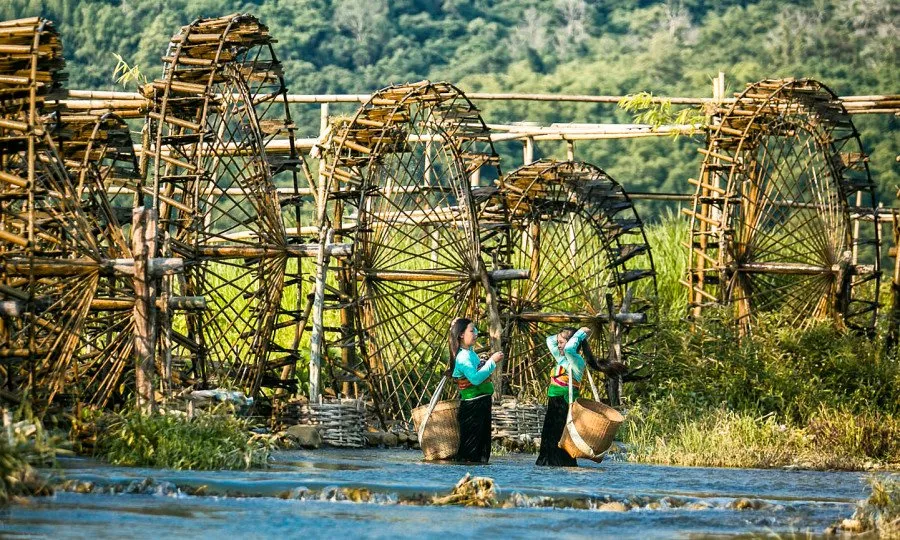
A traditional water wheel turns quietly along the streams.
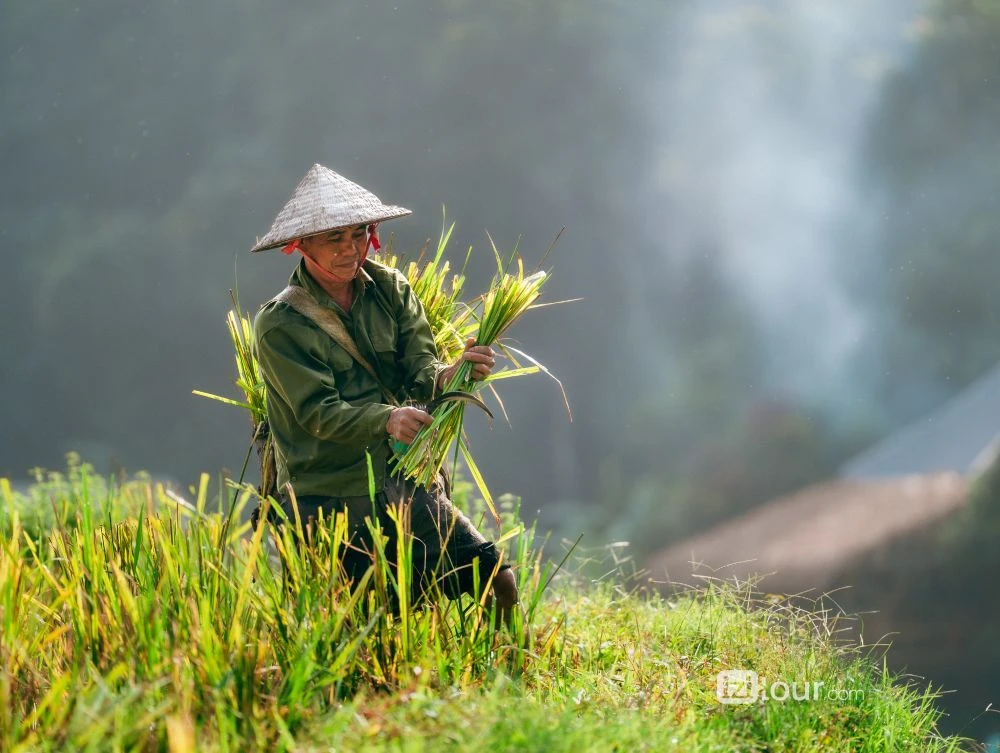
Golden hour harvest in the terraced fields of Mai Chau.
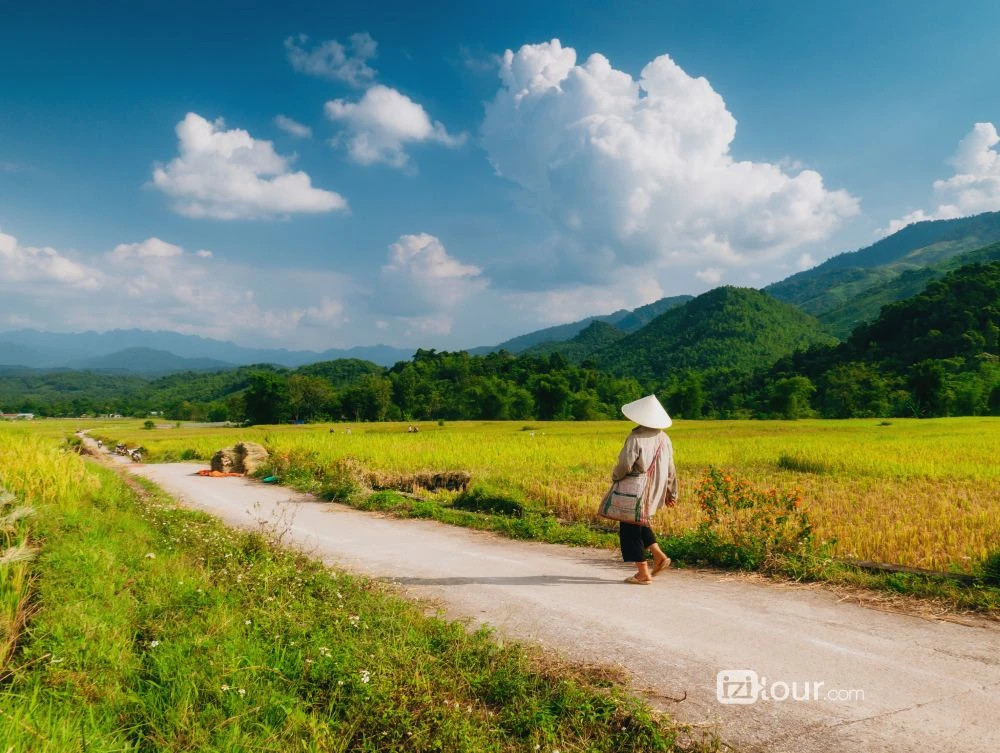
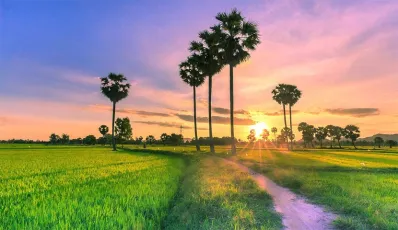
A familiar path through Mai Chau's rice fields, framed by distant mountains.
2.3. Mu Cang Chai
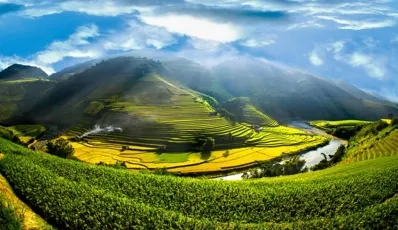
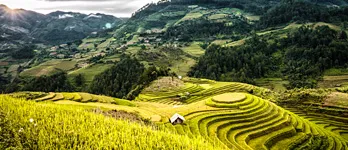
Mu Cang Chai is where Vietnam's rice terraces truly shine. From May, when the paddies fill with water, through early October's harvest, this region rarely disappoints. September brings the terraces to their golden peak — a view (and scent) that draws photographers back year after year.
Early morning is best for catching the mist still settled over the valleys, while late afternoon light brings out the deepest gold and green tones in the terraces. For the most dramatic wide shots, head to a high viewpoint like La Pan Tan, where the curves of the fields fold across the hillsides like a giant amphitheater. If you're lucky, you'll also catch H'mong farmers working the fields at harvest time — a moment that adds life and scale to any landscape shot.
Best terraced fields: La Pan Tan, Che Cu Nha, Tu Le
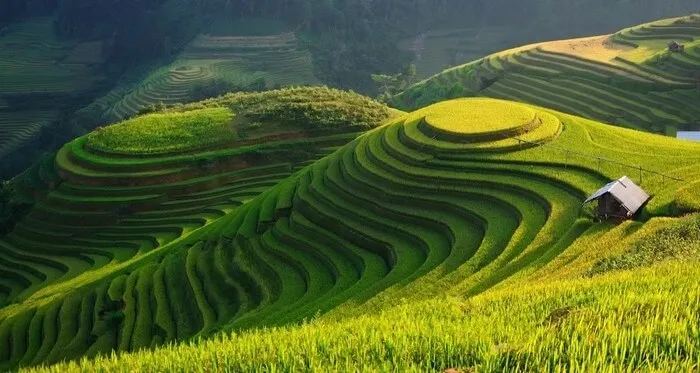
Mam Xoi Hill's terraces turn a fresh, vivid green before harvest.
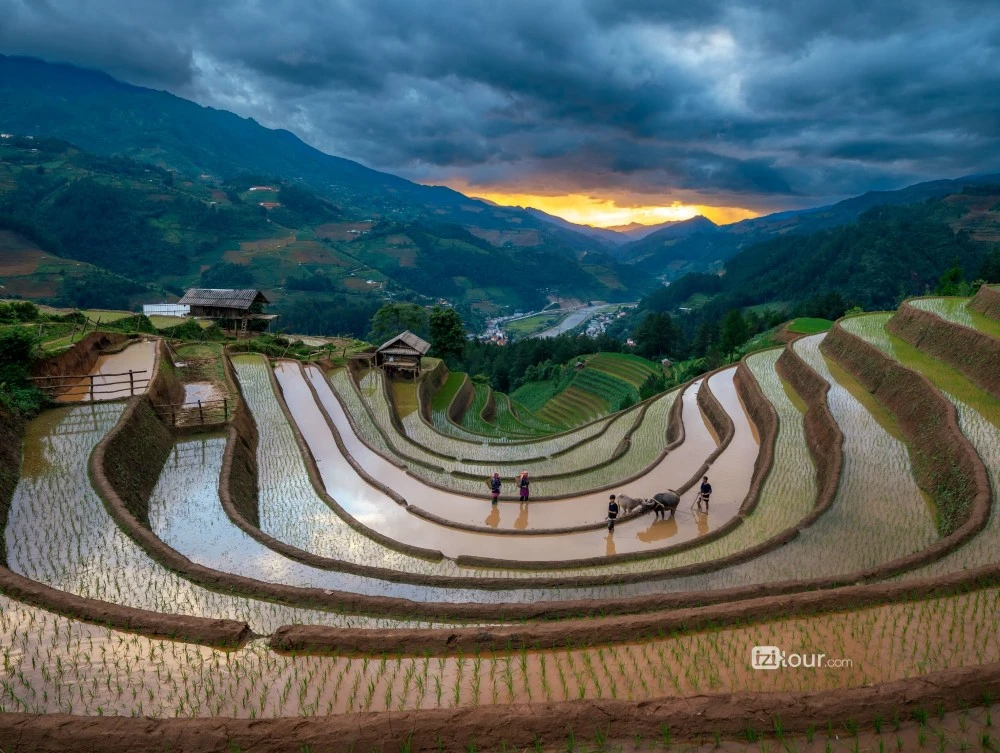
Farmers at work as Mu Cang Chai's terraces flood for the new season.
2.4. Sapa and Bac Ha
Sapa and Bac Ha have drawn travelers — international and domestic alike — for decades. Despite the growth of hotels in downtown Sapa, the everyday life of ethnic minority communities in the surrounding hills still feels genuinely untouched.
For cloud-hunting photographers, sunrise at O Quy Ho Pass is worth the early wake-up call. You may like to arrive before 6 AM to catch the sea of clouds rolling through the valley just as the first light breaks over the peaks. Beyond the pass, the terraced hillsides around Sapa town offer a quieter alternative for capturing daily life, with local women in traditional dress often seen tending their fields in the early hours or going to the weekend market.
Recommended spots:
- Muong Hoa Valley's multicolored terraces
- Ta Phin Village, home to the Red Dzao community
- Bac Ha's lively ethnic markets
- Y Ty, famous for its sea of clouds and steep terraced fields
- Sin Chai Village, a quiet Black H'mong village at the base of Fansipan
Ideal time to visit: Year-round, best between May–September
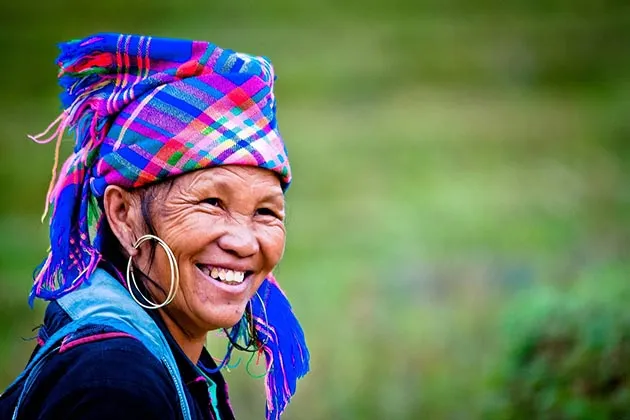
Faces from Northern mountains.
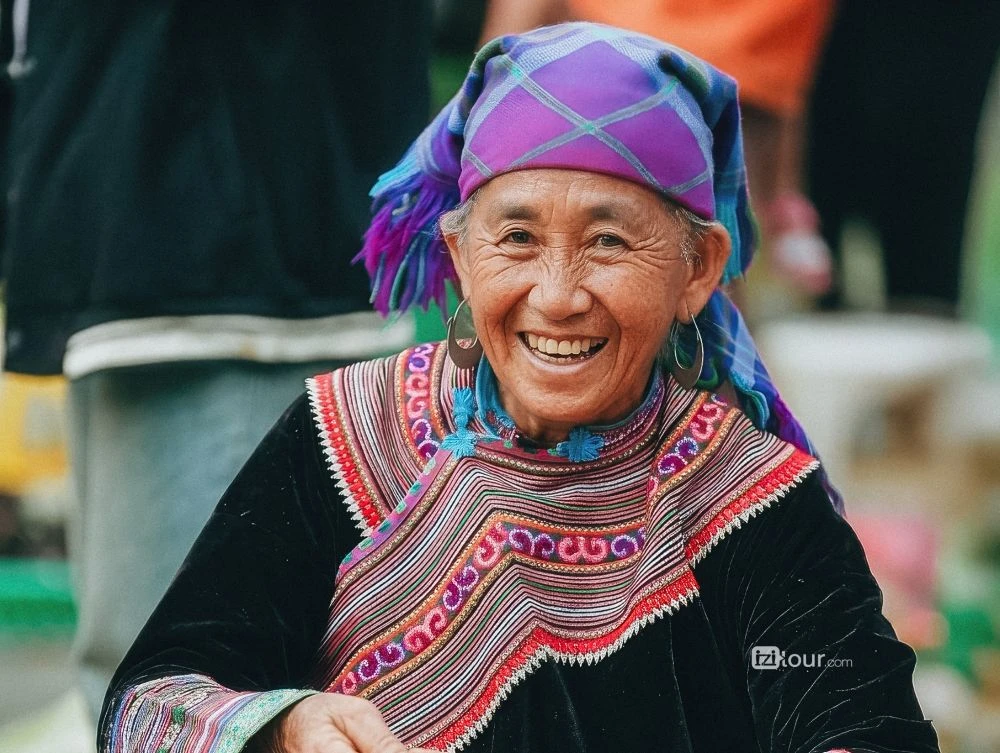
The woman portrait from Bac Ha's morning market.
2.5. Ha Giang
Ha Giang is a perfect place for photography. Not only possessing the majestic natural scenery such as Hoang Su Phi, Quan Ba Twin Mountains, Ma Pi Leng Pass, Tu San Canyon and Nho Que River, Ha Giang is also home to 19 ethnic minorities of Vietnam. The region is famous for the wildness and colourful costumes of the tribes. The karst geopark plateau in Dong Van is a masterpiece of God and local people with mountainous vistas, ethnic villages, ethnic markets, all converge harmoniously in Ha Giang.
Ideal time to visit: May–September
>> See more: Colorful life in the mountains of Vietnam
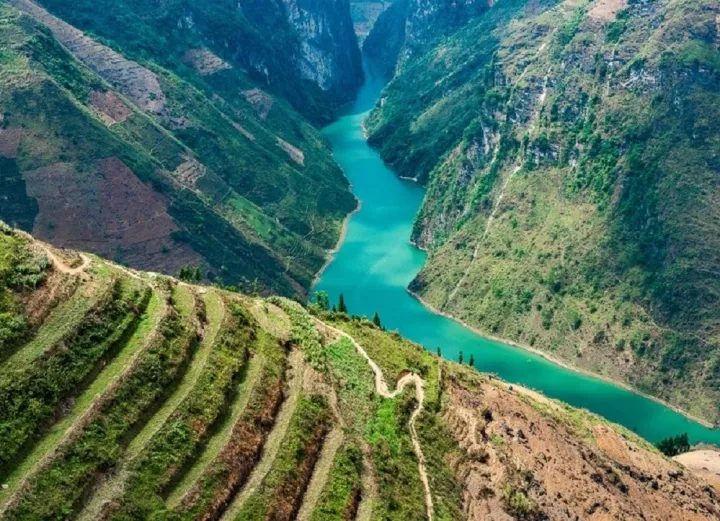
Nho Que River winding beneath Ha Giang's towering karst cliffs.
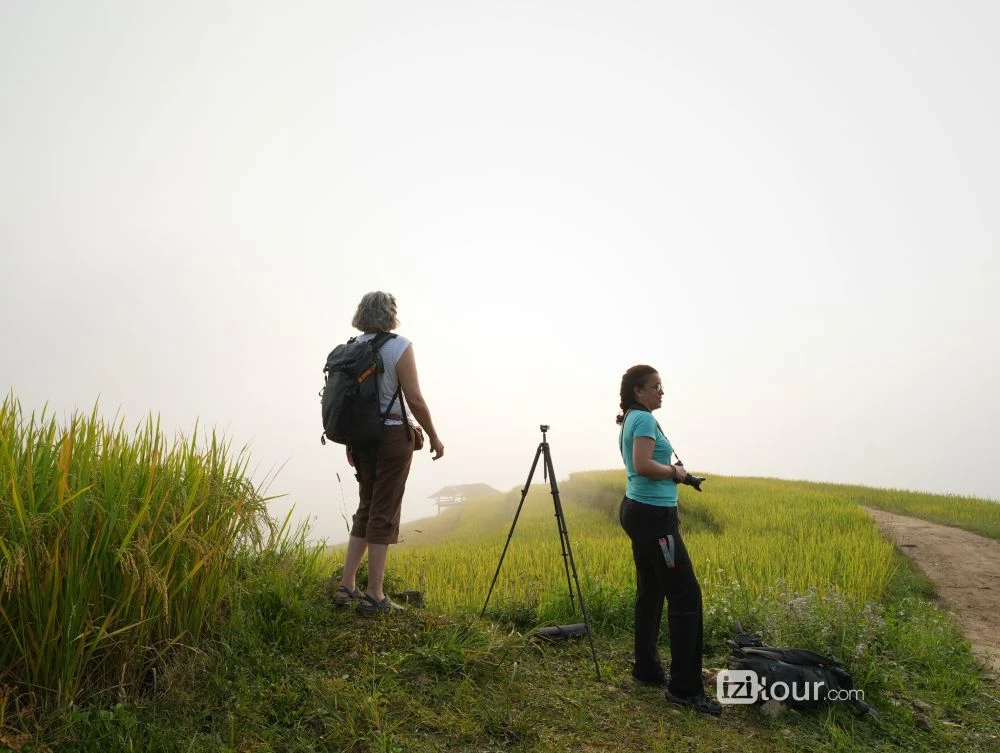
Photographers chase the first light over Ha Giang's ripening rice fields.
2.6. Ba Be
Ba Be is Vietnam's largest freshwater lake, its local name translating loosely to "three seas" — a nod to its scale and scenery. It's also one of the country's richest national parks for biodiversity, and home to the Tay ethnic community, whose bamboo-wood villages blend seamlessly into the natural landscape. The morning boat rides across the still lake offer some of the best reflections in the region, especially when mist lingers over the limestone karsts that ring the shoreline. Nam Mau village, where longtail boats depart, is also worth a slow walk for glimpses of daily fishing life along the water's edge.
Ideal time to visit: April–November
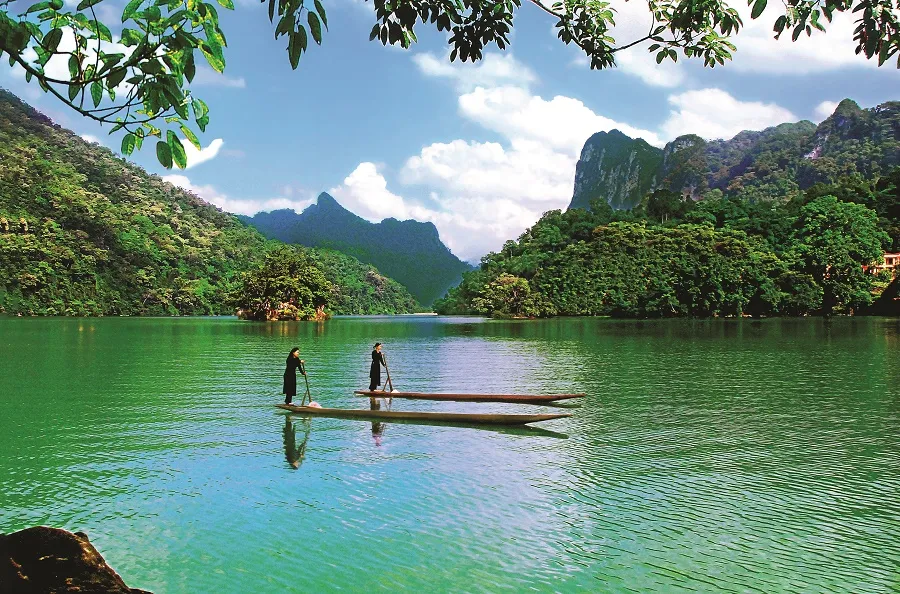
Wooden boats, carved from a single tree trunk, crossing Ba Be lake the way it always has
2.7. Cao Bang
Most travelers already know Cao Bang through photos of Ban Gioc Waterfall — a sweeping cascade straddling the Vietnam-China border, its white spray drawing visitors from all over. But the waterfall is only the beginning; Cao Bang is quietly one of the best photography destinations in northern Vietnam, with a landscape that shifts from limestone valleys to terraced hillsides within a single day's drive. The Phong Nam Valley is framed by karst mountains and dotted with duck ponds and rice fields that turn gold at harvest.
Cao Bang is also home to nearly 35 of Vietnam's ethnic groups, giving photographers no shortage of color and story to work with, and traditional craft villages like Phia Thap (incense making) and Khuoi Ky (stone-walled Tay houses) offer a view into everyday life that rarely makes it onto a postcard.
Ideal time to visit: July–October
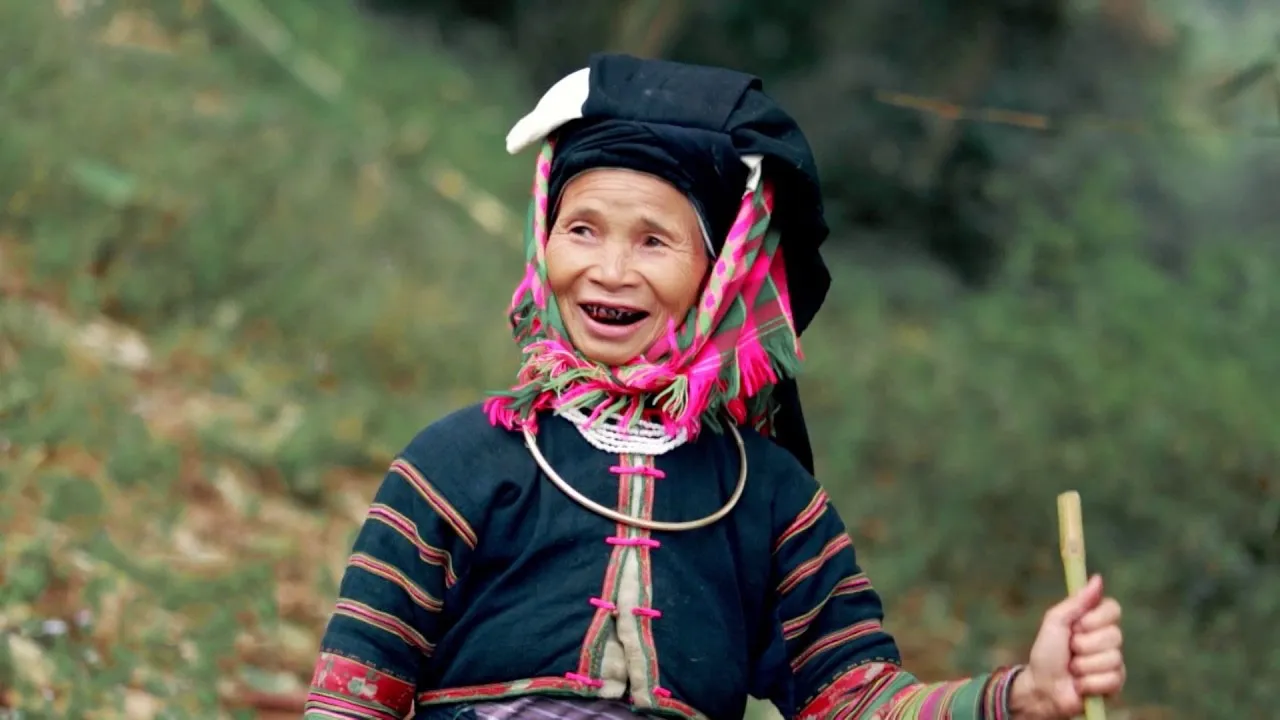
A Lo Lo woman in traditional dress, Cao Bang
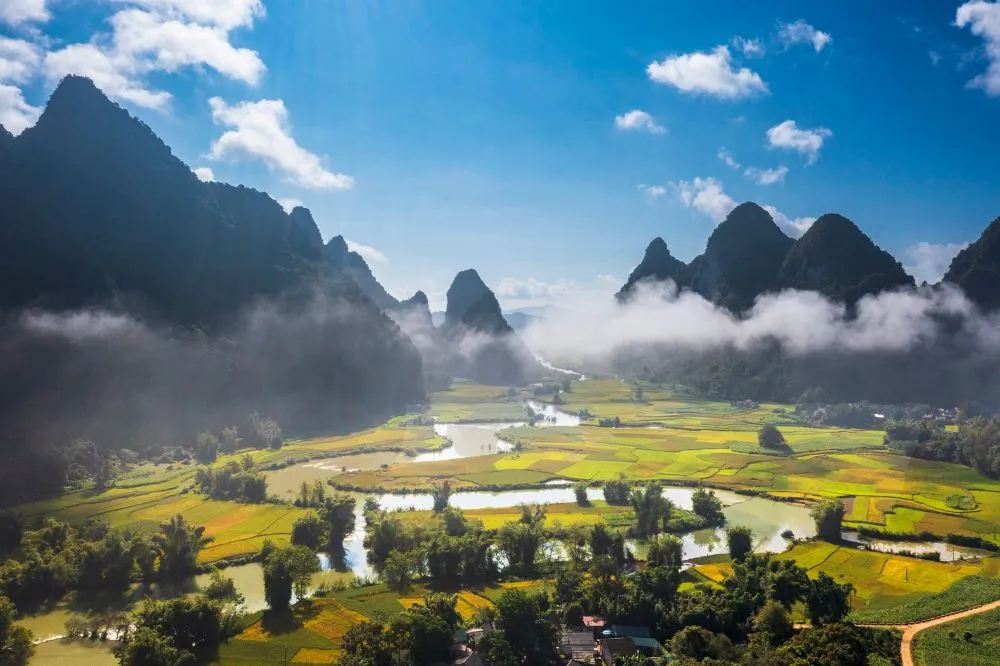
Phong Nam valley, Cao Bang
2.8. Lan Ha Bay
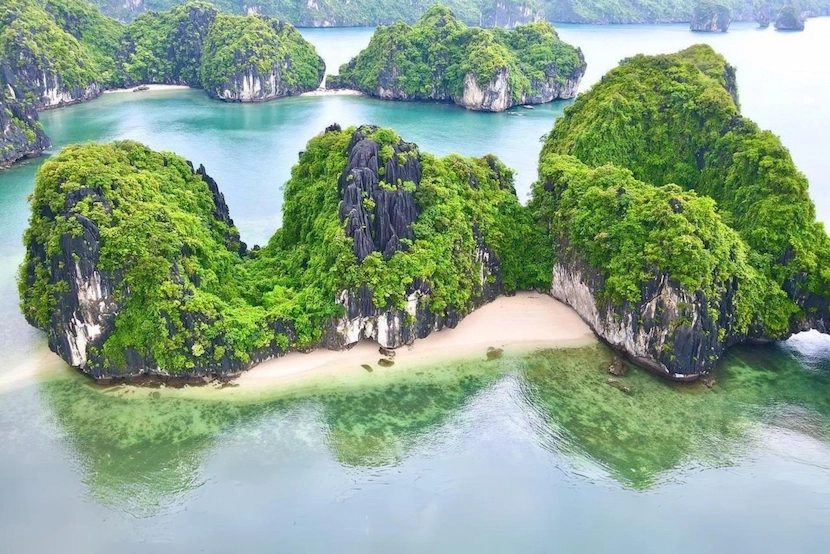
If you are familiar with Halong Bay and its interesting legends already and would like to avoid the touristic area, Lan Ha Bay is a nice choice for you. There is a floating village named Cai Beo on the bay with the breeding of various kinds of fish. If you are on the hunt for the photos of life on the bay, it is a perfect place.
In addition to the wonderful bay with limestone rocks emerging from the sea on Lan Ha Bay, you can also go to Cat Ba Island, the largest island in Halong Bay in the Gulf of Tonkin, on top of which there is an interesting vantage point for taking photos of the bay from above.
Ideal time to visit: Year-round, though July–August can bring occasional tropical storms.
2.9. South Coast of Central Vietnam
Covering Nha Trang, Ninh Thuan, and Binh Thuan, this coastal stretch is one of Vietnam's most beautiful drives — full of sea breeze, salt fields, and fishing villages scattered along white sand. Sunrise and sunset here bring out the working rhythm of local life, giving photos real visual impact.
Recommended spots:
- The salt fields of Ninh Chu
- Fishermen's daily life in Phan Ri
- The early morning fish market in Phan Thiet
- The sand dunes of Mui Ne, often called Vietnam's "little Sahara"
- La Gi fishing village, known for its thúng chai (round bamboo boats) and lively morning harbor scenes
Ideal time to visit: March–December
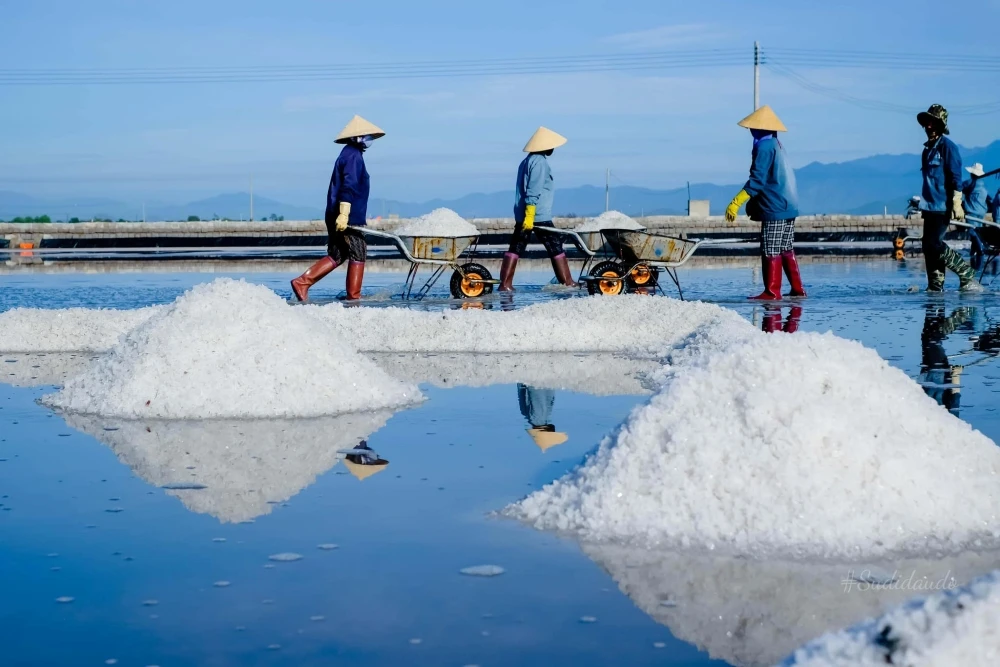
Salt fields along the central coast, harvested by hand under the blue sky.
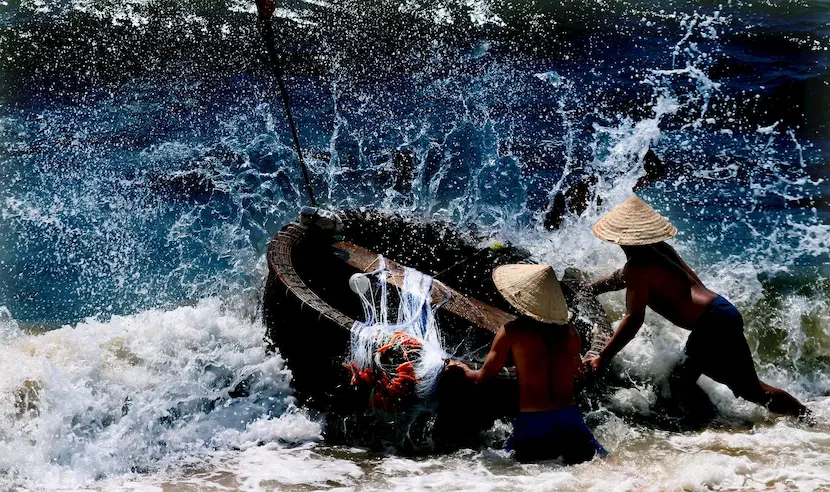
The sea doesn't give anything away for free.
2.10. Mekong Delta
The Mekong Delta's river life is unlike anywhere else in Vietnam — a slower, water-bound rhythm worth experiencing at least once. Early morning is the best time to be on the water, when floating markets like Cai Rang are at their busiest and boats piled high with fruit and vegetables drift past in the soft morning light. A low vantage point from your own small boat often makes for the most immersive shots, capturing vendors and buyers haggling at eye level rather than from a distance. Away from the markets, the quiet canals around Ben Tre and Chau Doc offer a different kind of scene — coconut palms leaning over still water, and locals paddling by in traditional dugout boats.
Recommended spots:
- The coconut villages of Ben Tre
- Bang Lang Stork Garden
- Floating markets at Cai Rang and Phong Dien
- The border life near Chau Doc, close to Cambodia
Ideal time to visit: September–November
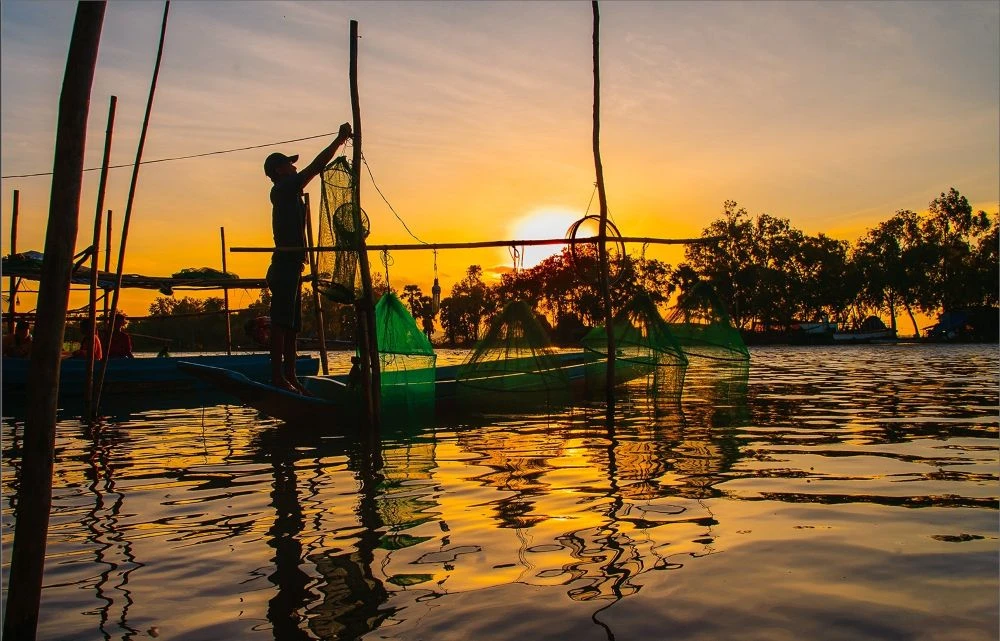
As the Mekong turns gold.
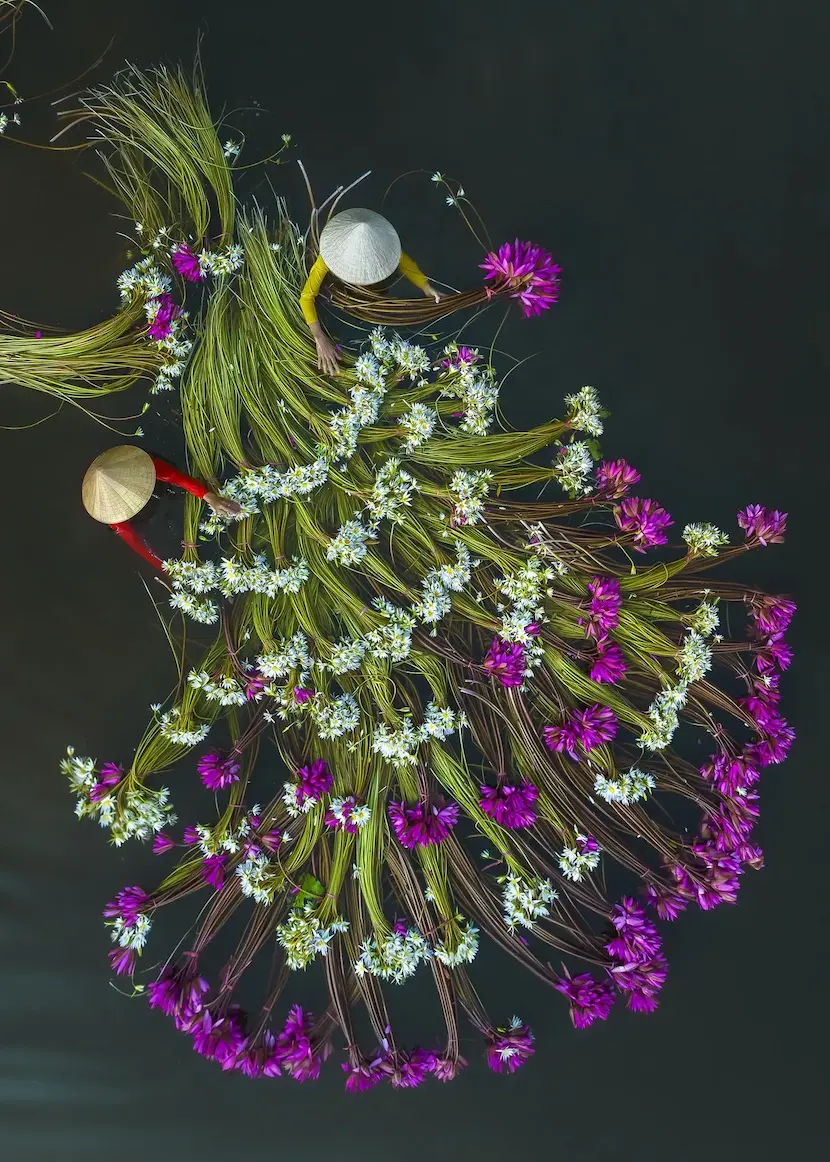
Water lily season on the Mekong (staged for the photo).
3. Itineraries for your Vietnam photography tour
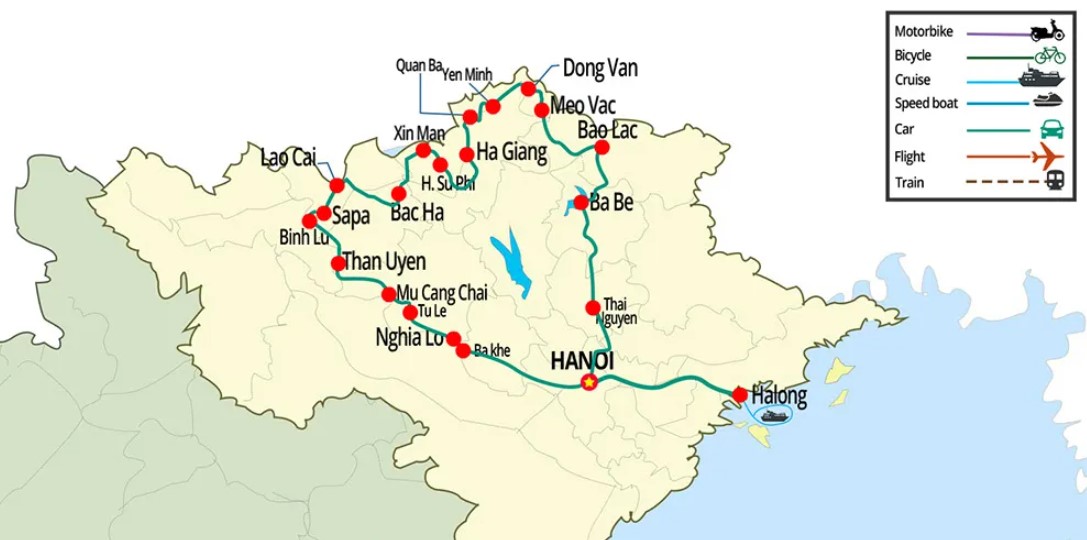
The 15-Day Northern Vietnam Photography Tour remains the most popular route for photographers, covering the region's most iconic scenery in one continuous journey. Brief itinerary:
Day 01: Hanoi arrival
Day 02: Hanoi City tour
Day 03: Hanoi (Villages discovery)
Day 04: Hanoi - Nghia Lo
Day 05: Nghia Lo - Mu Cang Chai
Day 06: Mu Cang Chai - Sapa
Day 07: Sapa - Bac Ha
Day 08: Bac Ha - Xin Man
Day 09: Xin Man - Hoang Su Phi - Ha Giang
Day 10: Ha Giang - Dong Van
Day 11: Dong Van - Bao Lac
Day 12: Bao Lac - Ba Be
Day 13: Ba Be - Hanoi
Day 14: Hanoi - Lan Ha Bay
Day 15: Lan Ha Bay - Cat Ba Island - Hanoi - Departure
Day 02: Hanoi City tour
Day 03: Hanoi (Villages discovery)
Day 04: Hanoi - Nghia Lo
Day 05: Nghia Lo - Mu Cang Chai
Day 06: Mu Cang Chai - Sapa
Day 07: Sapa - Bac Ha
Day 08: Bac Ha - Xin Man
Day 09: Xin Man - Hoang Su Phi - Ha Giang
Day 10: Ha Giang - Dong Van
Day 11: Dong Van - Bao Lac
Day 12: Bao Lac - Ba Be
Day 13: Ba Be - Hanoi
Day 14: Hanoi - Lan Ha Bay
Day 15: Lan Ha Bay - Cat Ba Island - Hanoi - Departure
Southern Vietnam Photography Tour (3-4 days)
Day 01: Arrive in Nha Trang, transfer to Vinh Hy
Day 02: Vinh Hy – Ninh Chu
Day 03: Rice fields of Ninh Chu – Ca Na – Phan Ri – Phan Thiet
Day 04: Mui Ne sand dunes – transfer to Saigon
Day 02: Vinh Hy – Ninh Chu
Day 03: Rice fields of Ninh Chu – Ca Na – Phan Ri – Phan Thiet
Day 04: Mui Ne sand dunes – transfer to Saigon
Mekong Delta Photography Tour (3-4 days)
Day 01: Sai Gon - Ben Tre- Can Tho
Day 02: Can Tho - Long Xuyen
Day 03: Long Xuyen - Chau Doc
Day 04: Chau Doc - Sa Dec - Sai Gon
Day 02: Can Tho - Long Xuyen
Day 03: Long Xuyen - Chau Doc
Day 04: Chau Doc - Sa Dec - Sai Gon
If you want to know more about one of these itinerary, please leave your details in the contact form below, and our team will get back to you with a detailed program and pricing tailored to your dates and preferences. IZITOUR's local experts will tailor every detail — from transport to homestays — so all you need to do is show up and anjoy your trip.
4. What to prepare before your Vietnam photo trip
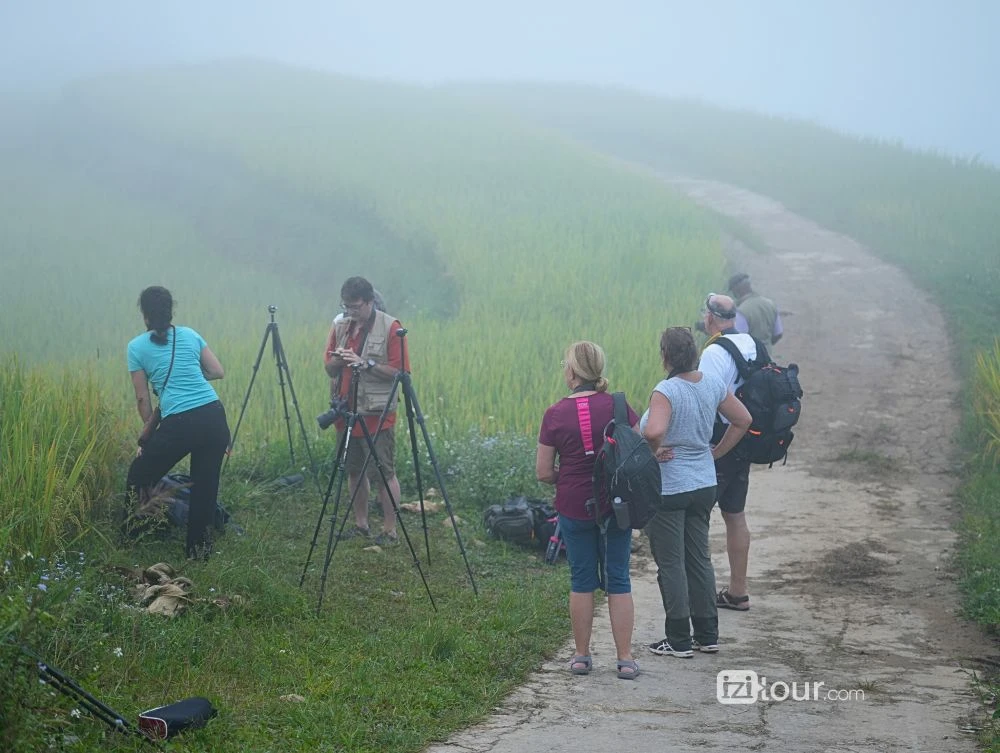
Gear: A versatile zoom lens (24-70mm) covers most landscape and street scenes, while a longer lens (70-200mm) helps for candid portraits from a respectful distance. A lightweight tripod is useful for low-light shots at sunrise or in caves like Tu San Canyon.
Weather protection: A rain cover for your gear is essential in mountainous regions like Ha Giang and Sapa, where weather shifts quickly.
Respect and consent: Always ask before photographing someone up close — a smile, a nod, or a simple gesture goes a long way, especially in ethnic minority communities where trust matters more than the perfect shot.
Local guidance: A local photography guide doesn't just navigate — they know which week the rice terraces peak, which hour the light hits the karst cliffs just right, and how to introduce you properly to the communities you'll be photographing.
5. FAQs
- When is the best time for a Vietnam photography tour?
It depends on the region. Northern Vietnam is best from September to November (dry, golden light) and April to May (blooming season), while Mu Cang Chai's rice terraces peak in September. Central and southern Vietnam are more forgiving year-round, though the dry season (November–April) offers the most consistent light.
See more: Best Time to Visit Vietnam by Region and Month
- Do I need a permit to fly a drone in Vietnam?
Yes. Drone photography in Vietnam requires prior approval from local authorities, and rules can vary by region — some border areas restrict drone use entirely. It's best to check with your local guide before bringing one along.
- Is it okay to photograph ethnic minority communities?
Yes, but asking for permission beforehand is the right thing to do. A simple gesture or smile goes a long way, and traveling with a local guide who knows the community helps you approach people respectfully rather than treating them as a photo subject.
- Do I need a local guide for a photography tour in Vietnam?
It's not required, but highly recommended. A local guide knows exactly when the light, weather, and season align — timing that's nearly impossible to plan from abroad — and can also open doors to communities and locations you wouldn't easily reach on your own.
- How many days do I need for a Vietnam photography tour?
It depends on your route. A full Northern Vietnam loop typically takes around 14 days, while regional trips like the South Central Coast or Mekong Delta can be done in 4-5 days each or more.
Right now, somewhere in Vietnam, the light is doing something beautiful, mist rolling over the rice terraces, a boat drifting through floating market at sunrise, the last glow of afternoon hitting the bay. Vietnam is waiting for you.
Let IZITOUR's local experts help you plan a photography tour built entirely around the shots you're chasing, timed to the light, the season, and the stories only this country can tell. Get in touch with us via email [email protected] and start turning your Vietnam photography tour from an idea into an itinerary.
See more:


 TRAVELERS' CHOICE 2026


03 Comments
Italy
Singapore
Vietnam
Write Reply