









Earlier I thought differently, many thanks for the information.
__________
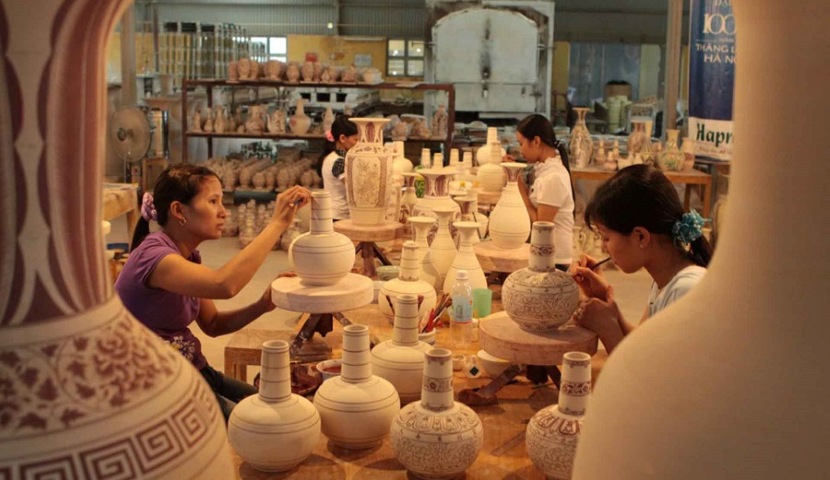
Bat Trang Ceramic Village is widely considered the cradle of traditional Vietnamese ceramic art, boasting a history of nearly 700 years of formation and development. Despite numerous changes and the challenges of time, local ceramic products still retain a unique character today, clearly expressing the spirit and cultural identity of Vietnam through the skilled hands of master artisans. In this article, you will have the opportunity to deepen your knowledge of Bat Trang Ceramic Village and the traditional values that constitute its distinctive charm.
Bat Trang Ceramic Village, famous for its handicraft tradition, is located approximately 13 kilometres south-east of Hanoi city centre.
Bat Trang Ceramic Village was formed around the 14th – 15th centuries, at the end of the Tran dynasty and the beginning of the Le dynasty. Its historical development is divided into three main phases: the period of prosperity, the period of decline, and the phase of renewal and development.
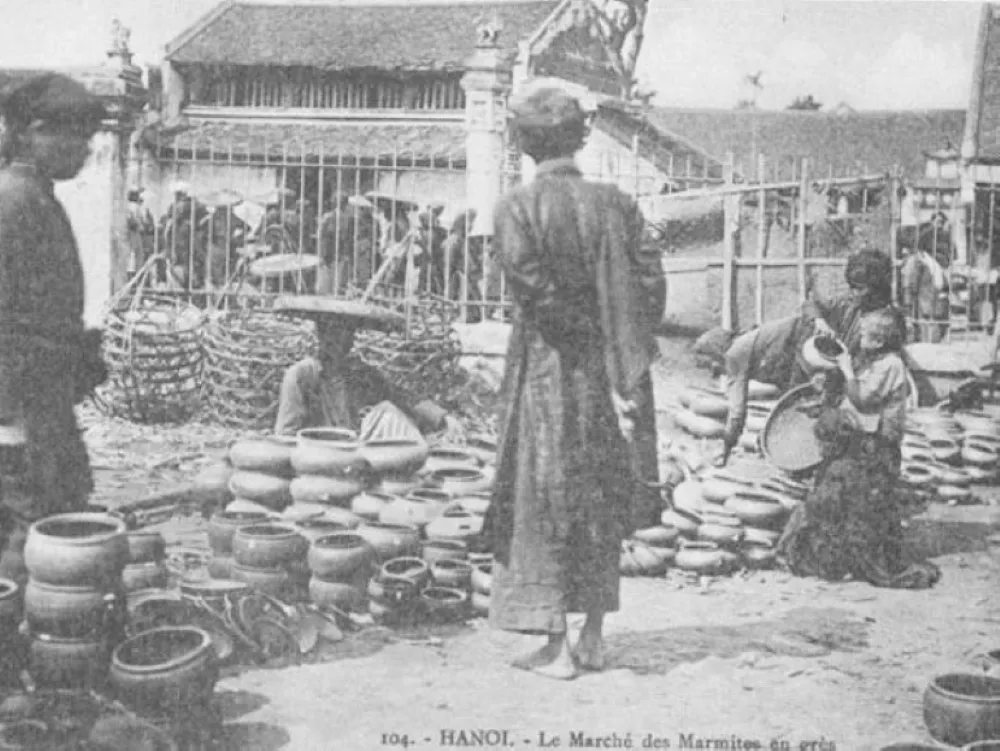
During the Mac dynasty (15th – 17th centuries), the strong development of trade favoured the spread of Bat Trang ceramics throughout the country and its export to Japan, China, Southeast Asia, and Western Europe, thanks also to its strategic position along the Red River and a favourable international exchange context. Due to the resurgence of Chinese ceramic production during 18th – 19th centuries, the growth of the Japanese market, and the foreign trade limitation policies adopted by the Trinh – Nguyen authorities, Bat Trang ceramics progressively lost export markets, entering a phase of great difficulty.
Since 1960s till today, ceramic art experienced a rebirth thanks to the cooperative model and the contribution of prominent master artisans. With the transition to a market economy, Bat Trang has recorded significant growth through enterprises and craft workshops, establishing itself as one of the country's leading ceramic centres and a renowned destination, capable of preserving tradition while simultaneously innovating.
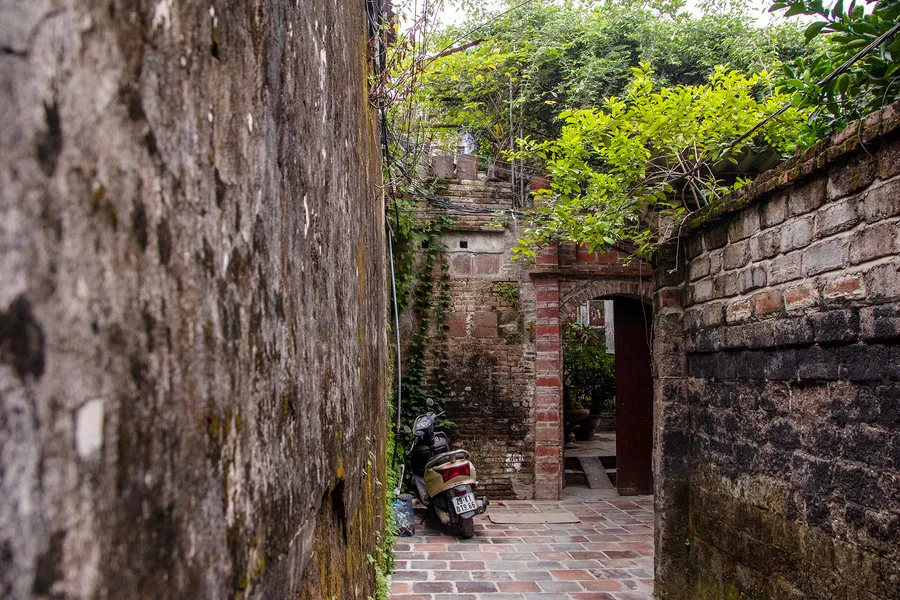
With nearly 700 years of history and continuous development, Bat Trang Ceramic Village has now been brought back to its peak and prospers, becoming an attractive destination for domestic and international tourists, particularly for those who appreciate ceramic art and wish to explore the traditional culture of Vietnam.
Visiting Bat Trang Ceramic Village, you will not only be able to admire beautiful ceramic products but also have the opportunity to try many other interesting activities.
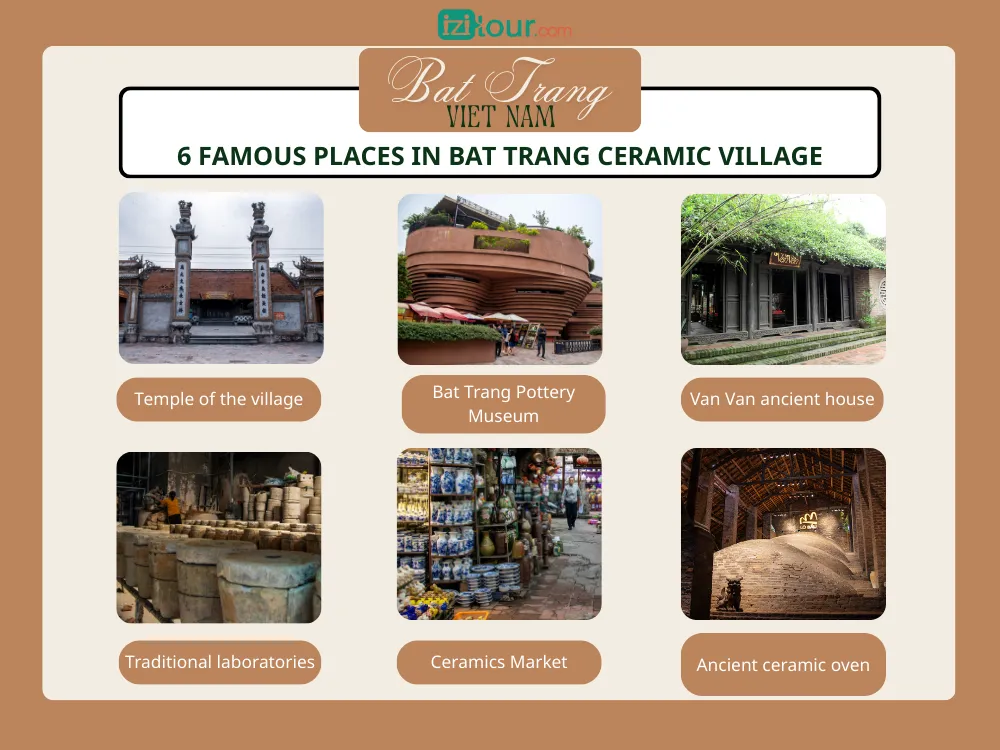
This is one of the most representative structures bearing the historical and cultural imprint of this famous traditional craft village. It is a place of worship dedicated to the patron saints and village ancestors who contributed to protecting the country, providing shelter to the inhabitants, and ensuring a peaceful life. With its ancient architecture and solemn atmosphere, the communal house is not only a place of worship but also preserves many unique cultural values over the centuries.
In particular, the Bat Trang communal house is also the centre of important activities during the traditional ceramic village festival, held annually from the 14th to the 16th of the second lunar month. During these days, visitors have the opportunity to immerse themselves in the lively atmosphere of the festival with many traditional ceremonies, unique cultural experiences, and characteristic folk games, which contribute to vividly recreating the spiritual life and age-old cultural beauty of the Bat Trang people.
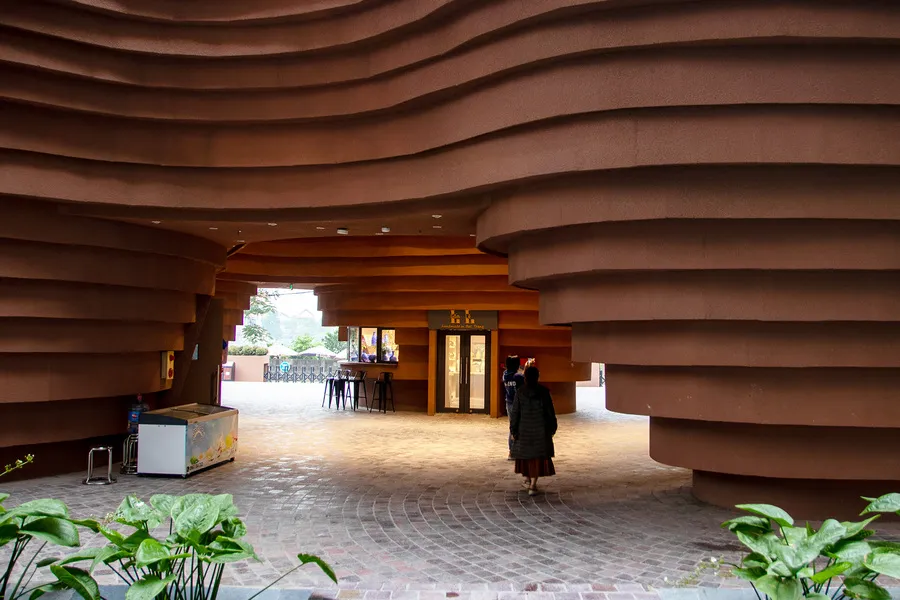
Also known as the Vietnam Craft Centre, Bat Trang Ceramic Museum is a leading cultural destination for those who love ceramics and wish to deepen their knowledge of this ancient traditional craft. The building is striking for its unique architecture, inspired by the image of the potter's wheel, a familiar symbol associated with the shaping process of Bat Trang potters. The design is modern and at the same time pays homage to the spirit of traditional craftsmanship, creating a fresh and exciting space for visitors.
The museum spans five floors, where the history and development of Bat Trang ceramics through different eras are exhibited, honouring the essence of Vietnamese ceramic art. Beyond its role in preserving and presenting heritage, the museum is also a space where tradition and modernity meet, offering a variety of activities such as specialised exhibitions, experiential tours, ceramic shopping, relaxation, and participation in auctions of rare and artistically valuable ceramic pieces.
Regarding entry tickets, those to explore the ceramic space on floors 1, 2, and 4 cost 60,000 VND per person. Additionally, visitors can choose from a variety of other experiences such as contemporary art spaces, hands-on ceramic workshops, meditation, and culinary delights, with prices ranging from 50,000 to 250,000 VND, including convenient combination packages. This is an ideal destination for exploring culture while enjoying creative and relaxing experiences in the heart of the ceramic village.
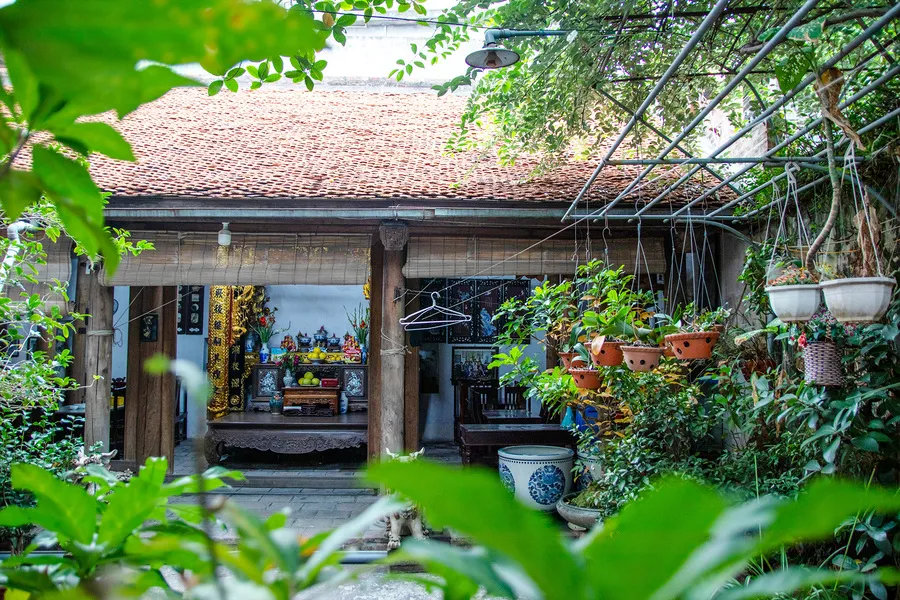
This is a special attraction for those who love ancient spaces and the traditional cultural values of Bat Trang Ceramic Village. The house is situated in a small alley near the ceramic market, with a nostalgic beauty and a quiet, peaceful space separated from the outside bustle. The architecture and interior design evoke a sense of familiarity, allowing visitors to feel as if they have travelled back in time to explore the cultural life of ancient Bat Trang. The highlight of the Van Van ancient house is its collection of over 300 rare ceramic artefacts, dating from the 15th to the 19th century.
These are an ideal stop for visitors wishing to learn more about the region's ancient art of pottery. During a visit to the ceramic workshops, visitors have the opportunity to see first-hand the handcrafted ceramic production process, from clay selection, shaping, and decoration to the firing stage, all operations meticulously performed by skilled artisans.
Visitors can not only observe but are also guided and receive detailed explanations from the artisans themselves, helping them better understand the traditional techniques handed down over many generations. Notably, during the tour, artisans will share interesting stories behind each piece, from the inspiration for its creation to the cultural significance and the role of each ceramic product in the daily life and beliefs of the Vietnamese people. These experiences not only impart knowledge but also help visitors fully appreciate the spiritual value, refinement, and dedication embodied in every piece of Bat Trang pottery.
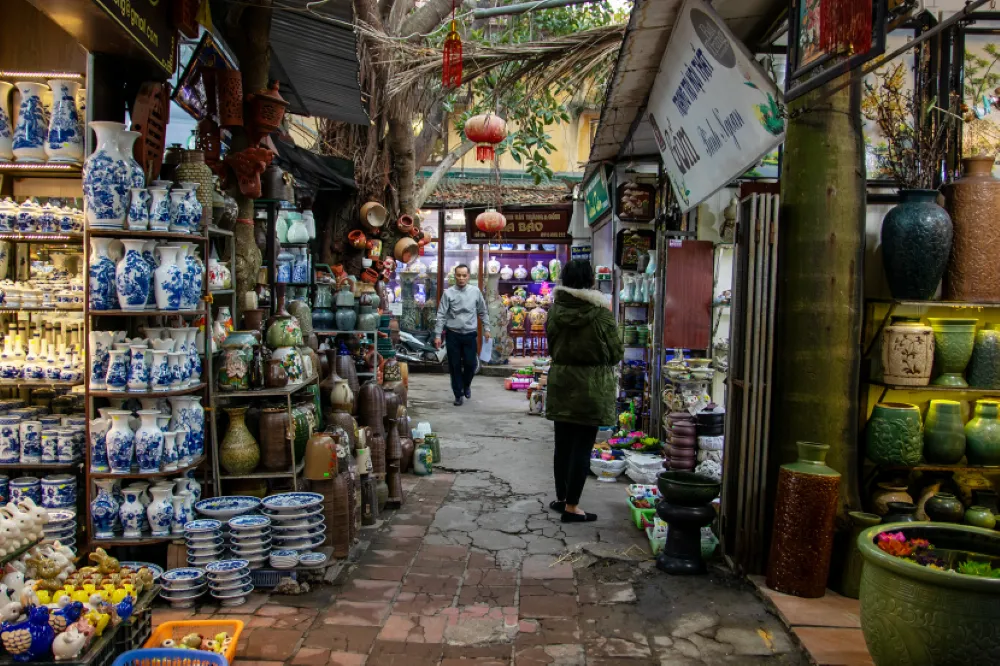
This is an unmissable destination for anyone visiting this famous traditional village dedicated to pottery production. With an area of approximately 6,000 square metres and nearly 300 stalls, the ceramic market is a nerve centre for a wide range of ceramic products from renowned and historic manufacturing companies in the village. The market space is always bustling, clearly reflecting the life and commercial activities characteristic of a traditional craft village.
Here, visitors can easily find a vast range of products, from decorative arts, gifts, and souvenirs to household ceramic items for daily use. All products are crafted with artisanal care, characterised by diverse designs, unique motifs, and the strong artistic imprint of Bat Trang craft village.
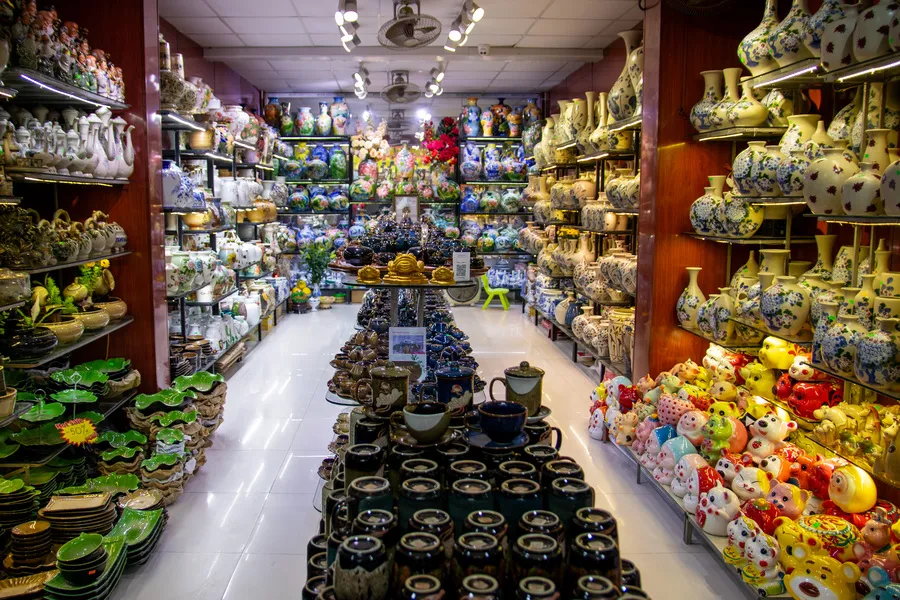
The Bat Trang ceramic market is open daily, creating favourable conditions for visitors wishing to explore and shop. Opening hours are from 7:30 to 17:30 in summer and from 8:30 to 17:30 in winter. With its rich variety of products and lively commercial atmosphere, the market is not just a place of trade, but also a space where visitors can fully appreciate the cultural beauty and spirit of the traditional Vietnamese ceramic craft village.
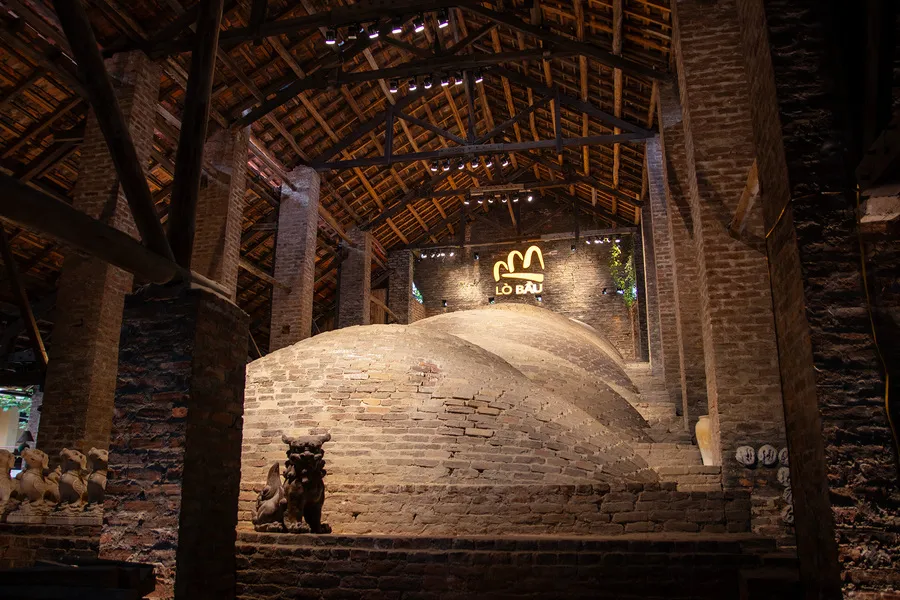
This is the only ceramic firing kiln dating back to the 19th century still in existence, which keeps intact the mark of traditional firing techniques passed down in the Bat Trang craft village through many generations. This ancient kiln not only witnesses the high level of craftsmanship of the artisans of the past but also represents living proof of the long history and continuous development of Bat Trang ceramic art.
Today, the Lò Bầu Cổ has become a destination of great educational and cultural value, capable of attracting numerous Vietnamese and international visitors. Educational programmes, experiential activities, and practical learning paths are regularly organised here, allowing visitors to delve into the traditional ceramic production process, from the modelling phase to complex firing techniques. Through these experiences, the ancient kiln contributes to the preservation, dissemination, and enhancement of national traditional handicrafts, while evoking deep respect for Vietnam's cultural heritage.
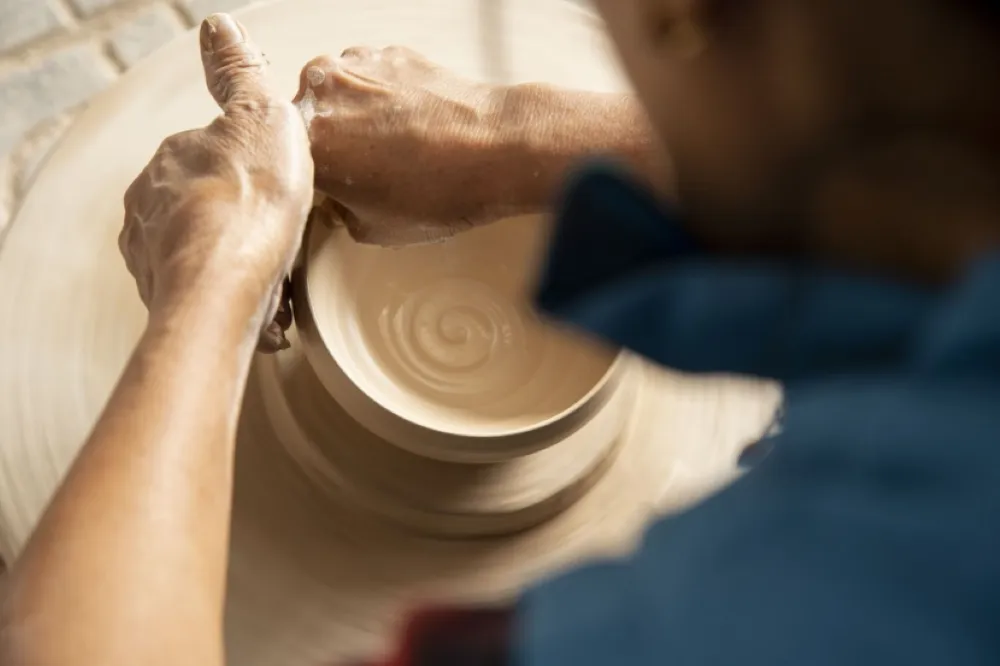
Visiting Bat Trang Ceramic Village means immersing yourself in a world of creativity, tradition, and centuries-old craftsmanship. One of the most exciting and popular experiences for visitors is undoubtedly making ceramics, which allows you not only to observe the work of artisans but also to become a protagonist in the creative process. Under the careful guidance of expert potters, adults and children can learn basic techniques, from kneading the clay to modelling on the wheel, through to finishing and decorating the items. Each stage offers new and exciting sensations, helping to understand more deeply the value and meticulousness of traditional ceramic art, closely linked to the Bat Trang community for hundreds of years. Once completed, the products are fired and carefully packed, so they can be taken home as unique souvenirs or gifts with strong symbolic value. The cost of this experience generally varies between 70,000 and 100,000 VND.
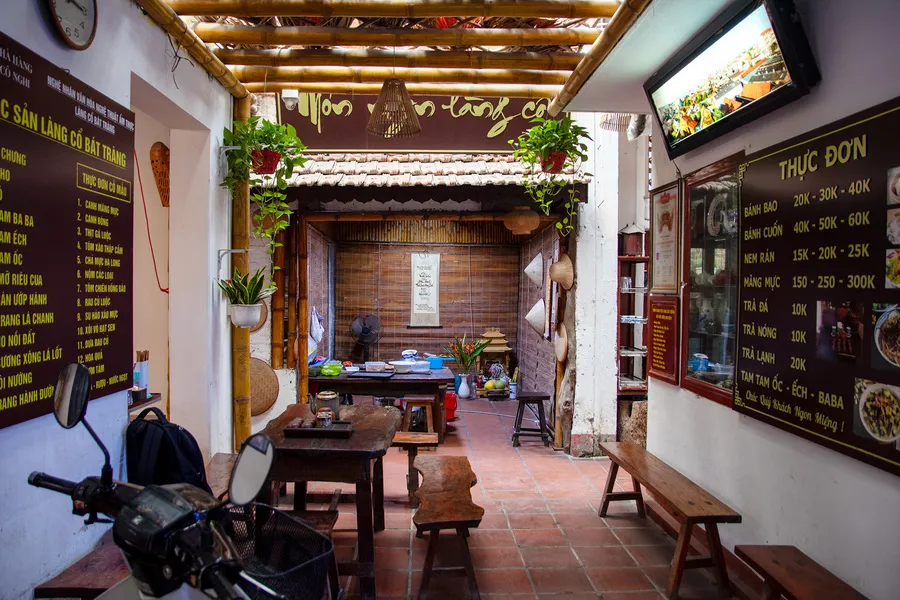
Bat Trang Ceramic Village is not only famous for its refined ceramic products but also fascinates visitors with its rustic cuisine, rich in traditional flavours. Here you can taste many delicious and unique dishes, local specialties closely linked to the daily life of the local population.

Thanh Bi bamboo shoots from Yen Bai are selected and combined with dried squid from Thanh Hoa, a type of squid with sweet flesh and a natural aroma. The bamboo shoots are soaked and boiled several times to remove the bitter taste, then cut into strips. The squid is cleaned with ginger wine, grilled over charcoal until golden, then shredded and stir-fried. The broth is simmered with pork bones, chicken, and shrimp, giving it a sweet and rich flavour.
Grated radishes are combined with dried squid, which is crunchy and chewy. The radishes are peeled, shredded, and then squeezed to maintain crunchiness. The dried squid is cleaned, grilled until golden, shredded, and then stir-fried until crispy. Other ingredients are added and stir-fried with seasonings such as salt, sugar, and pepper to create a dish with a crunchy texture and characteristic aroma. Additionally, the dish can be served with fried eggs, boiled lean meat, chicken, sausage, and shiitake mushrooms.
Fresh river shrimp are the main ingredient of this dish, along with minced meat, betel leaves, and seasonings such as shallots, pepper, and fish sauce. The mixture is placed on the betel leaves and wrapped tightly, then grilled over charcoal. Serve with a sweet and sour sauce or a toasted sesame sauce.
Clean the pigeon, remove the meat, and mince it finely. Accompanying ingredients include wood ear mushrooms, shiitake mushrooms, carrots, onions, potatoes, vermicelli, spring onions, and coriander, wrapped in rice paper. Mix the minced pigeon meat with the vegetable mixture and seasonings. Wrap the filling in rice paper sheets, rolling them evenly and neatly, then fry them until 70% cooked and drain the oil. When ready to eat, fry them a second time until crispy and golden.
Bat Trang Ceramic Village is located about 15 kilometres south-east of Hoan Kiem Lake and is easily accessible thanks to several transport options.
Additionally, several types of organised tours are available, including:
Bat Trang Ceramic Village is an ideal destination for those who love and wish to explore traditional Vietnamese handicrafts. Visitors here not only have the opportunity to witness the intricate and meticulous process of ceramic making by artisans but can also select and take home beautiful ceramic objects as meaningful souvenirs, preserving the memory of their journey to discover the centuries-old cultural heritage of the village.
See more:





 TRAVELERS' CHOICE 2026