
Hmtvroxv PXQRizitour.comPXQR iualror ukgewycfk qkfd www.yahoo.com/tr1
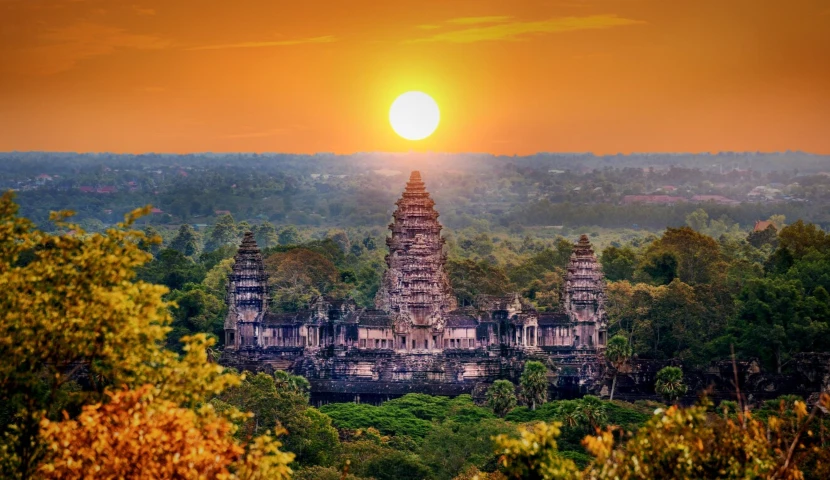
Located in northwestern Cambodia, on the banks of the romantic Tonlé Sap lake, Siem Reap is one of the most fascinating destinations in Southeast Asia. The city is world-renowned for the majestic Angkor temple complex, including the famous Angkor Wat, a UNESCO World Heritage site. Today, Siem Reap captivates travellers from the moment they arrive. Beyond its thousand-year-old temples and traditional Asian architecture, the city offers numerous attractions in Siem Reap, ecotourism experiences, and a pleasant atmosphere, perfect for exploring the region and embarking on unique adventures.
In this article, you will discover things to do in Siem Reap, from must-see landmarks to cultural and gastronomic experiences, making your Cambodia trip even richer and more unforgettable.
Siem Reap, the gateway to the mystical Angkor temple complex, is a destination that can be visited year-round. However, the best time to visit Siem Reap largely depends on your travel preferences and the experiences you wish to have.
The dry season is widely considered the best time to visit Siem Reap. During these months, the weather is cooler and more pleasant, with lower humidity and very little rainfall. These conditions are ideal for exploring the vast Angkor Archaeological Park and the many attractions in Siem Reap.
The clear skies also provide excellent lighting for photography, especially for witnessing the famous sunrise at Angkor Wat—one of the essential experiences when wondering what to do in Siem Reap. However, as this period coincides with the peak tourist season, popular sites can be more crowded and accommodation prices higher.
The rainy season in Siem Reap brings regular showers, but these usually occur as short bursts rather than day-long downpours. Although humidity rises, the landscapes become incredibly lush and green, providing a spectacular backdrop for the Angkor temples.
This period offers several advantages: tourist crowds are thinner, hotel prices are often more affordable, and the temples exude a more peaceful, mysterious atmosphere. Photographers particularly appreciate this season as the rain enhances the wild beauty of the jungle surrounding the Angkor ruins.
Note: If visiting during the rainy season, remember to pack an umbrella or raincoat, as some rural roads may become muddy or temporarily flooded.
April and May are the hottest months in Siem Reap, with temperatures sometimes reaching 40°C. This intense heat can make sightseeing more tiring, especially when discovering the vast Angkor temple complexes. However, this period also has perks. The number of tourists drops, allowing you to explore iconic sites like Angkor Wat with fewer crowds. Hotel rates are also generally more competitive.
Note: If travelling during this season, remember to bring sunscreen, a hat, sunglasses, and drink plenty of water during your explorations.
When planning what to do in Siem Reap, exploring the legendary Angkor temple complex is undoubtedly a must. However, beyond this sacred site, the city also offers many attractions in Siem Reap that are well worth the detour. Travellers can discover sites rich in nature and spirituality like the River of a Thousand Lingas and Tonlé Sap lake, visit floating villages such as Kampong Phluk, stroll through the colourful stalls of the Angkor Night Market, and enjoy the lively nightlife of the famous Pub Street. All these experiences make a trip to Siem Reap truly unforgettable.
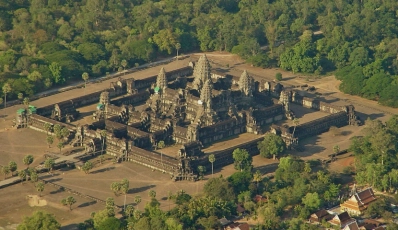
Angkor Wat is the crown jewel of Cambodia and the largest religious monument in the world. Built in the 12th century by King Suryavarman II, the temple was originally dedicated to the Hindu god Vishnu before gradually becoming a Buddhist temple. In 1992, Angkor Wat was listed as a UNESCO World Heritage site, confirming its status as one of the most important archaeological sites in the world.
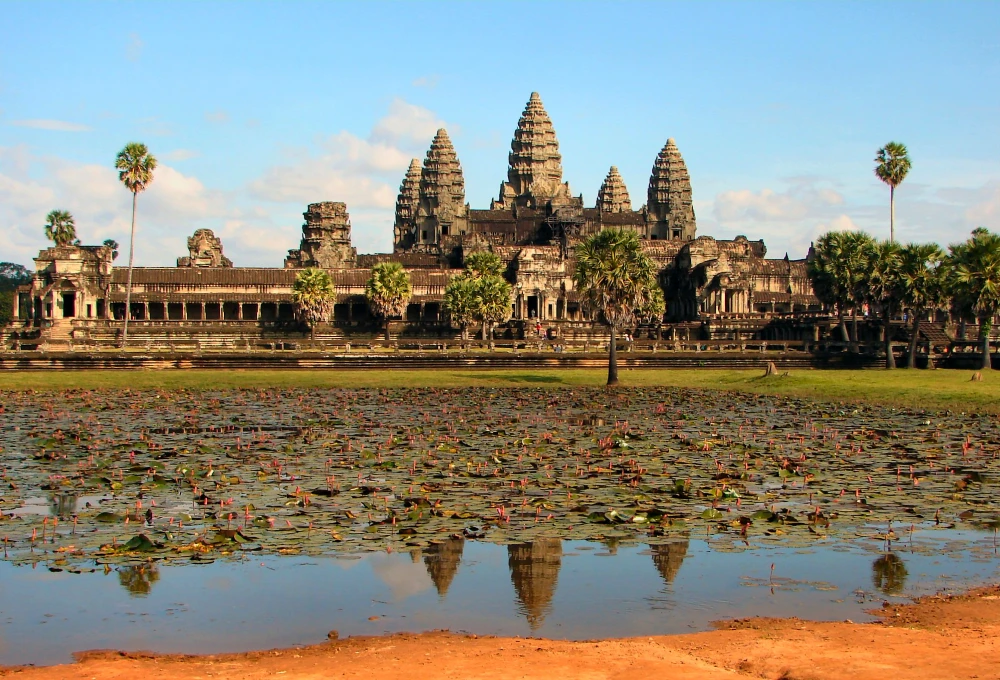
The complex is famous for its spectacular architecture. Immense sandstone blocks were stacked to create towering spires, long galleries, and vast courtyards. The finely carved bas-reliefs on the walls tell mythological tales, religious scenes, and the daily life of the ancient Khmer Empire. Particularly impressive are the detailed carvings of Devatas (female deities) and Apsaras (celestial dancers), which testify to the exceptional skill of Khmer artisans.
Watching the sunrise at Angkor Wat is now one of the most iconic travel experiences in Southeast Asia and a top activity for those deciding what to do in Siem Reap.
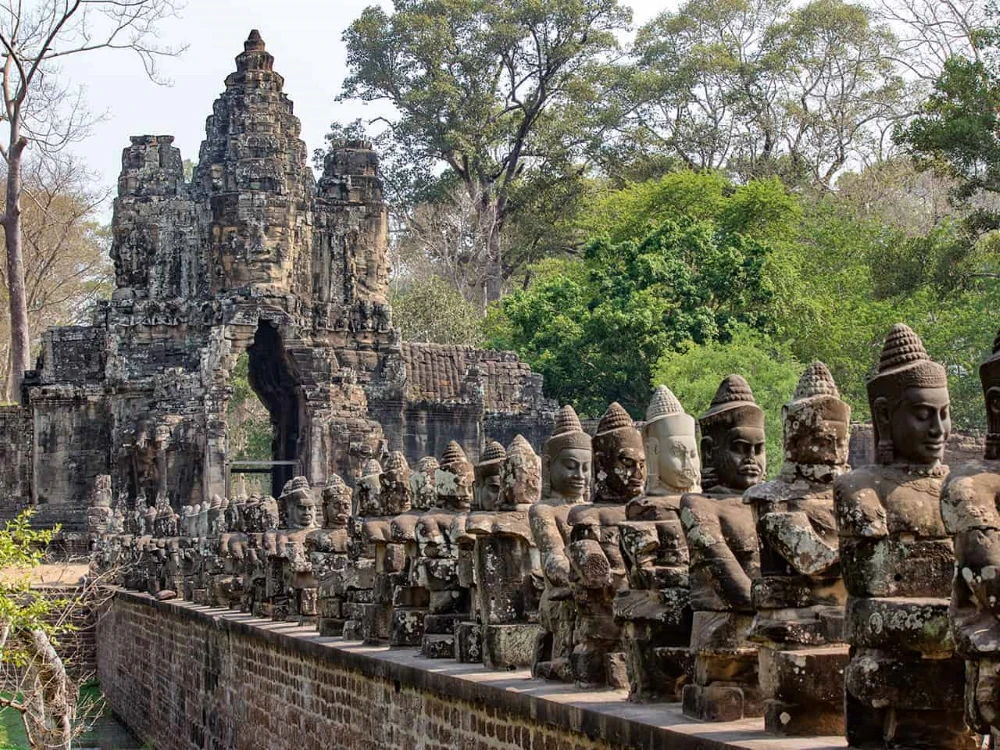
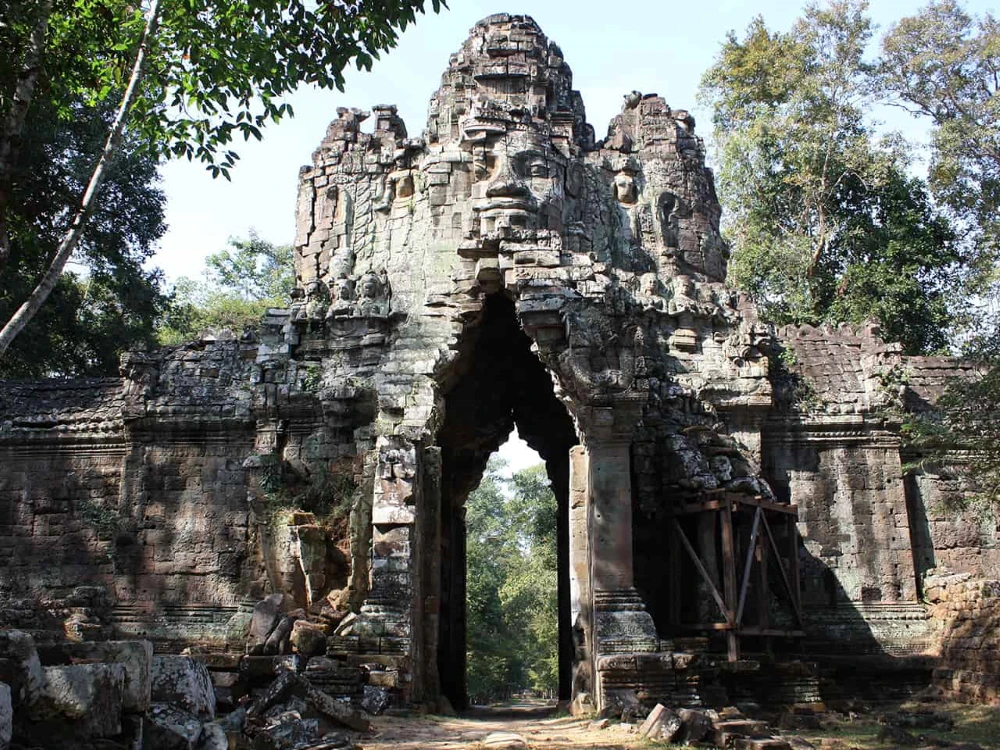
Angkor Thom was the last capital of the Khmer Empire and remains one of the most impressive historical ensembles in Cambodia. This ancient city was built in the late 12th century by King Jayavarman VII and once served as the empire's political and religious centre. The imposing stone gates leading to Angkor Thom are decorated with gigantic statues representing gods and demons pulling a mythological serpent.
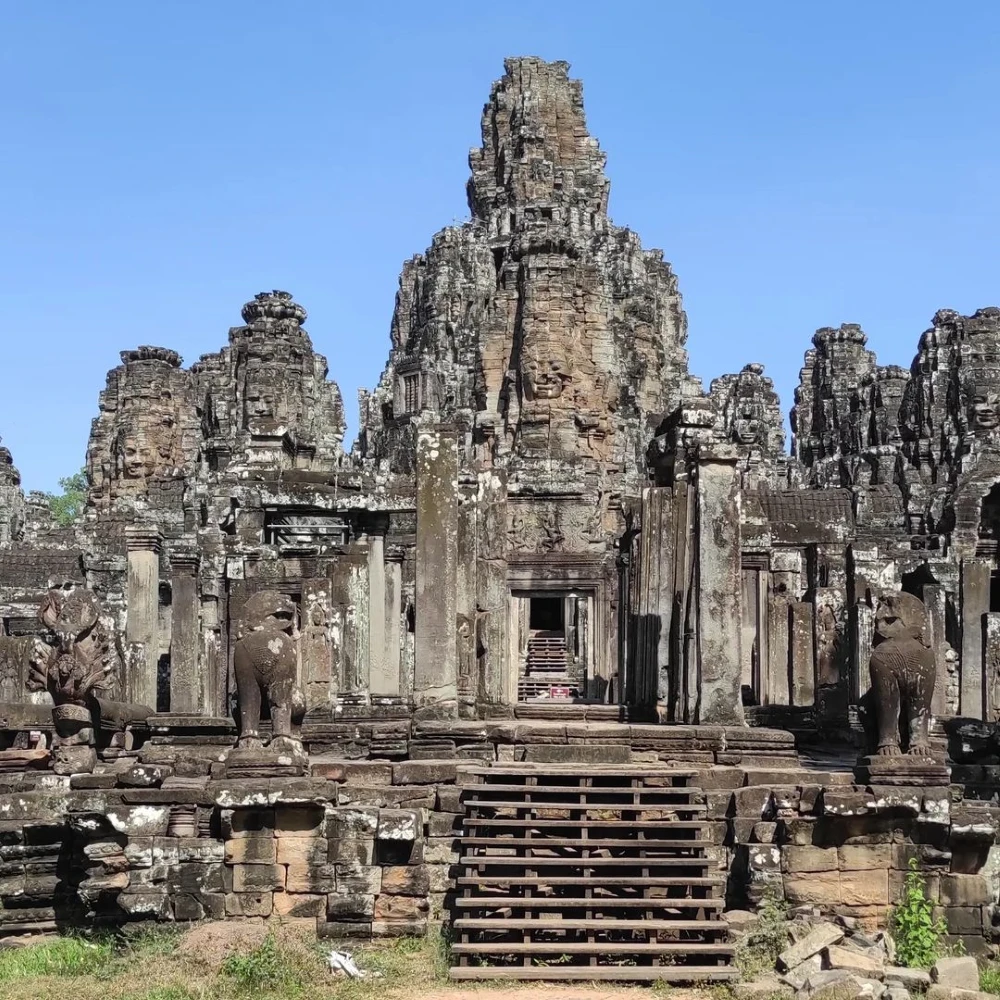
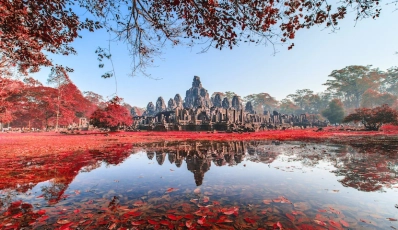
Bayon is famous for its mysterious smiling faces carved into towering stone structures. The temple is distinguished by its 54 towers, each adorned with four gigantic stone faces gazing calmly in different directions. In total, there are 216 serene faces, believed to represent the bodhisattva Avalokiteshvara or King Jayavarman VII himself. Besides these iconic faces, Bayon also features magnificent bas-reliefs depicting scenes from the daily life of the Khmer people: bustling markets, fishing, battles, and religious rituals.
Thanks to its unique architecture and the enigmatic expression of its sculptures, Bayon is considered one of the most fascinating temples in the Angkor complex and is a must-see for those wondering what to do in Siem Reap.
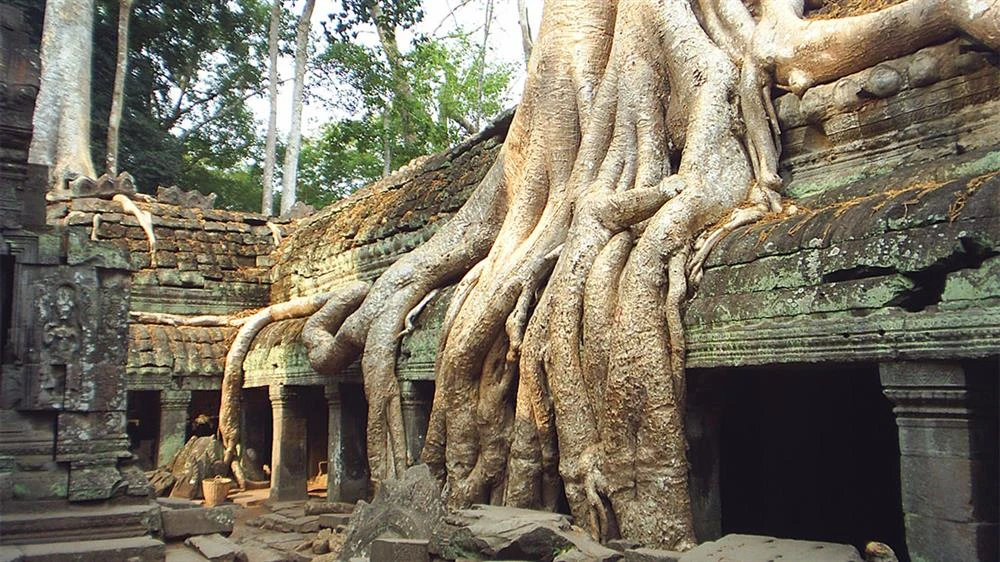
Ta Prohm is arguably the most spectacular temple in Angkor. Unlike many other restored temples, Ta Prohm has been intentionally left in a semi-ruined state.
Immense tree roots wrap around the ancient stone walls, creating an almost surreal landscape where nature and architecture blend harmoniously. Giant silk-cotton and strangler fig trees grow directly from the temple structures, enveloping the ruins in their powerful roots. Walking through Ta Prohm feels like entering a forgotten city in the heart of the jungle—an unmissable experience during a trip to visit Siem Reap.
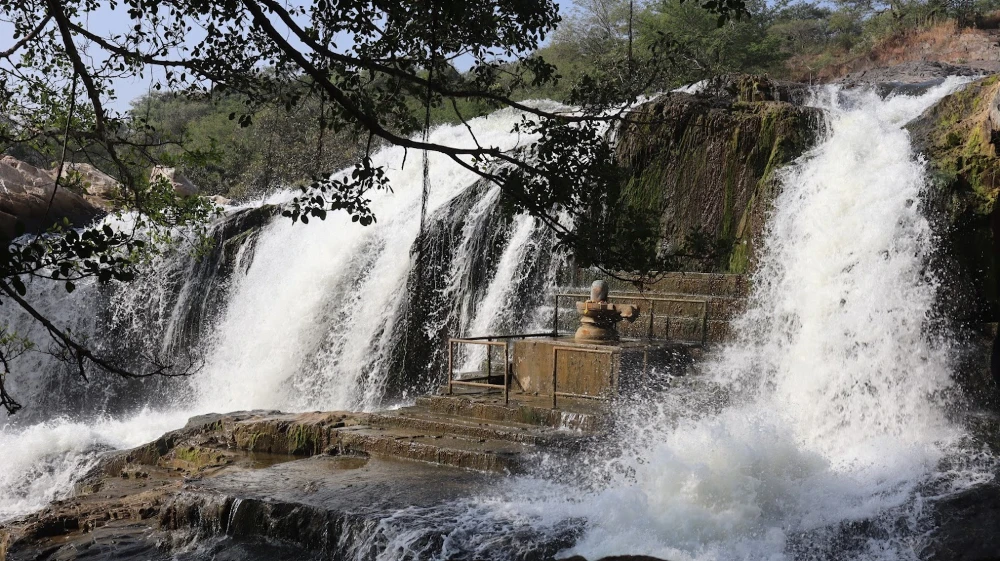
Kbal Spean, located about 50 km north of Angkor, is one of the region's most sacred archaeological sites. Hidden in the jungle, the riverbed is carved with thousands of Linga and Yoni symbols, representing the Hindu god Shiva and the cosmic balance of creation. The carvings were started by King Suryavarman I around the 11th century and completed during the reign of Udayadityavarman II. Ancient Khmers believed these sacred carvings blessed the water that then flowed down to the Angkor temples.
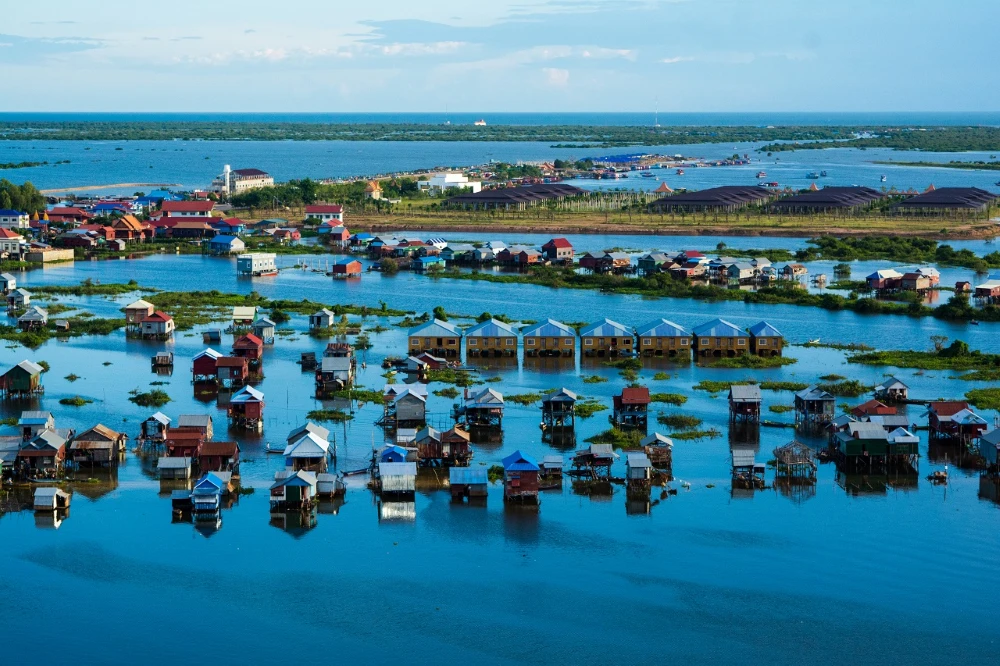
Tonlé Sap is the largest freshwater lake in Southeast Asia and one of Cambodia's most vital ecosystems. A boat trip from Siem Reap to Tonlé Sap lake allows visitors to discover a completely different way of life. Entire communities live on the water, with floating houses, schools, markets, and even churches. Visitors can also explore nearby mangrove forests and visit the Prek Toal Bird Sanctuary, recognized as part of a UNESCO Biosphere Reserve.
Observing daily life on the lake offers a fascinating glimpse into Cambodia's unique culture and is one of the best experiences for those looking for things to do in Siem Reap.
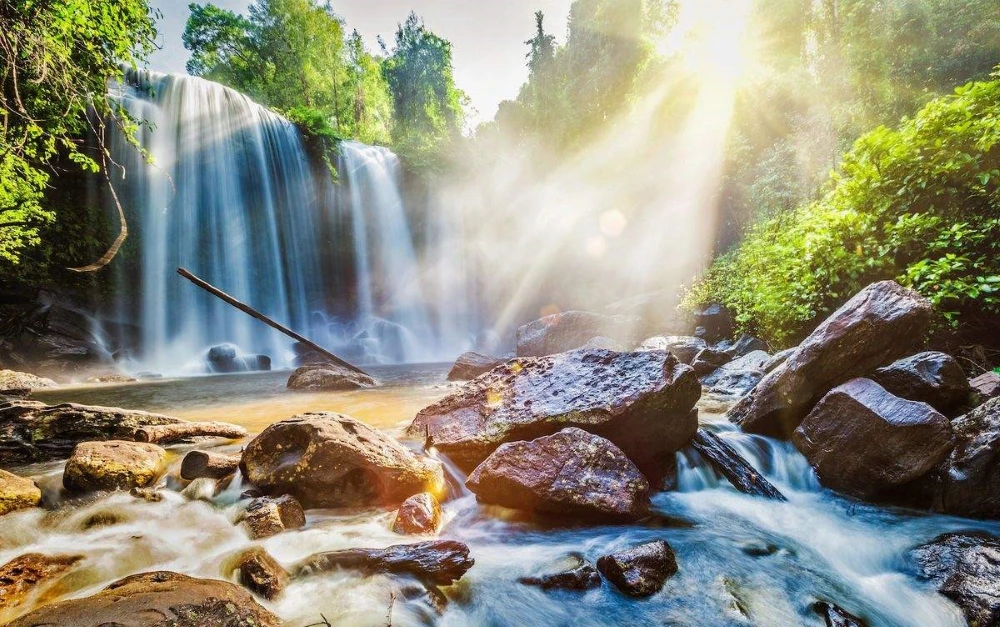
Phnom Kulen National Park is considered one of Cambodia's most sacred mountains. It was here, in 802 AD, that King Jayavarman II proclaimed the birth of the Khmer Empire. Today, Phnom Kulen National Park attracts both pilgrims and nature lovers during a trip to visit Siem Reap. The park is famous for its spectacular waterfalls, jungle trails, ancient temples, and a massive reclining Buddha carved directly into the rock. Many visitors come here to swim under the waterfalls and escape the city heat, making it one of the most popular natural attractions near Siem Reap.
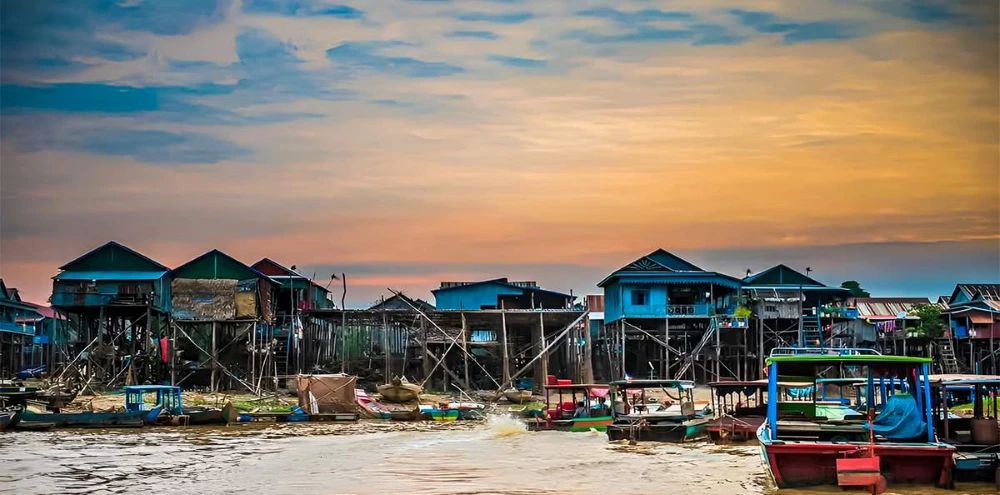
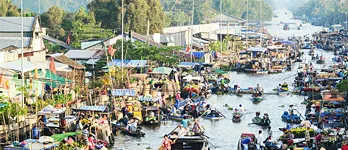
Kampong Phluk is one of the most fascinating floating villages near Siem Reap, located on the shores of Tonlé Sap. The village is particularly known for its tall wooden stilt houses, which rise several metres above the ground to adapt to the lake's seasonal flooding. Visitors can explore the village by boat, meet local families, and navigate through beautiful flooded forests. This experience offers an authentic look at rural Cambodian life and is a key activity for those seeking things to do in Siem Reap.
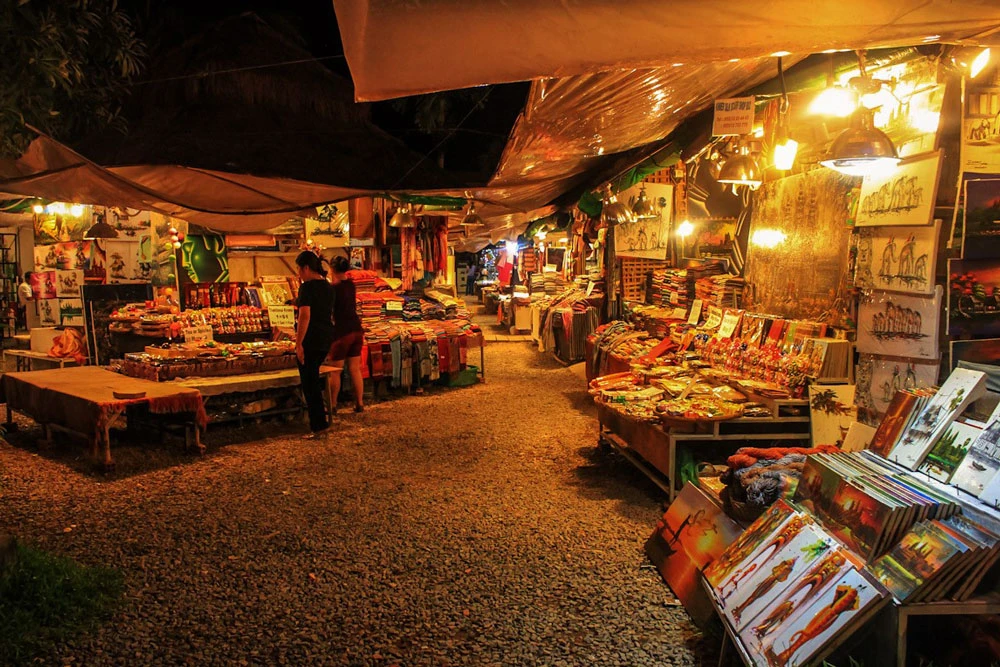
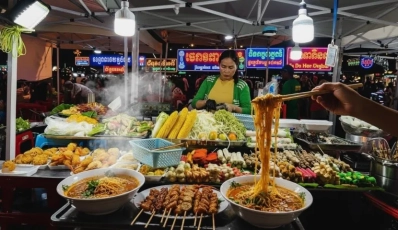
If you're wondering what to do in Siem Reap at night, the Angkor Night Market is the perfect place to start. This bustling market offers a wide variety of souvenirs, local crafts, clothing, jewellery, and traditional snacks. The atmosphere is both lively and relaxed, and prices are generally reasonable for travellers. A highlight of the market is the street food area, where visitors can taste various Cambodian specialties and tropical desserts.
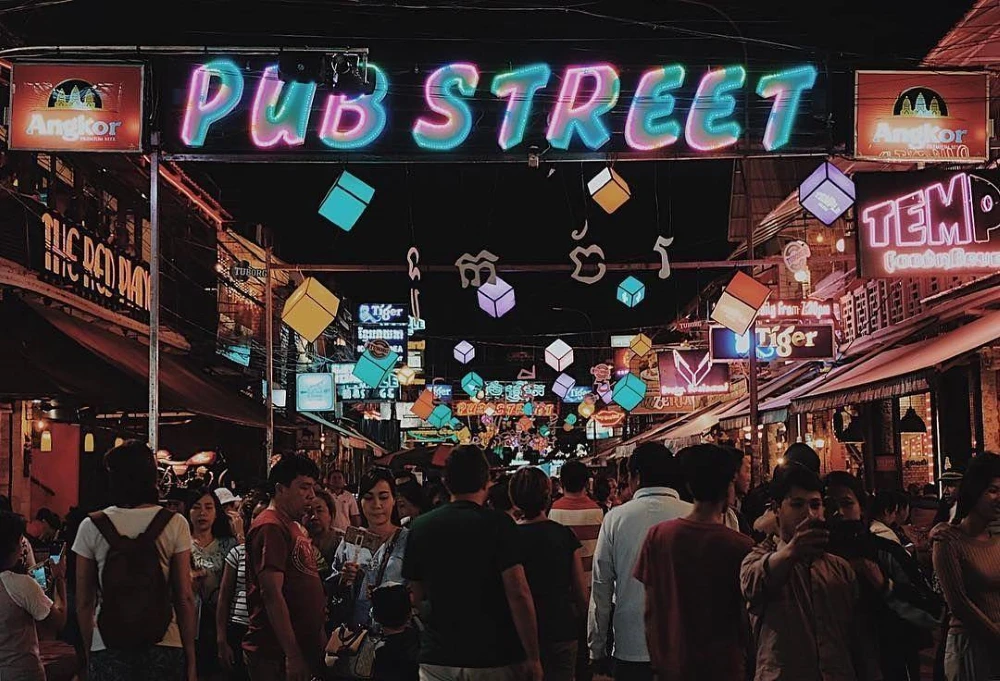
Pub Street is the heart of Siem Reap's nightlife. Located in the city centre, this vibrant street is packed with restaurants, bars, cafes, and clubs. From around 5 PM until midnight, the area comes alive with music, lights, and travellers from all over the world. Visitors can enjoy international cuisine, listen to live music, try the famous fish spas, or simply stroll through the busy streets to soak up the festive atmosphere.
To fully enjoy your trip to Siem Reap, it is helpful to know some practical tips for exploring the city comfortably and efficiently. These recommendations will help you organise your itinerary and easily discover the main attractions in Siem Reap, including the famous Angkor temples.
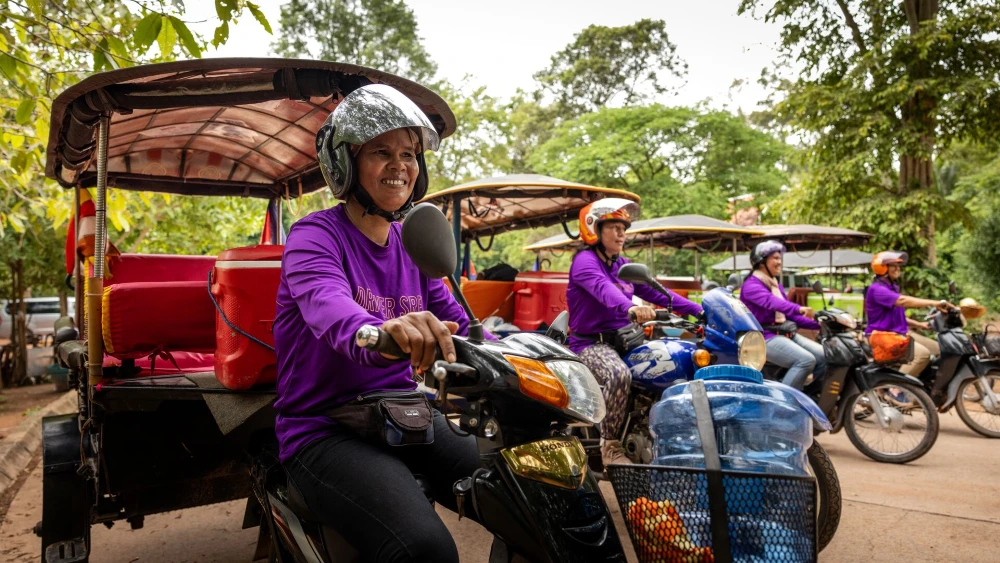
Siem Reap is a relatively small and very traveller-friendly city, making getting around simple and pleasant. Several transport options in Siem Reap are available depending on your budget, travel style, and the distances you wish to cover.
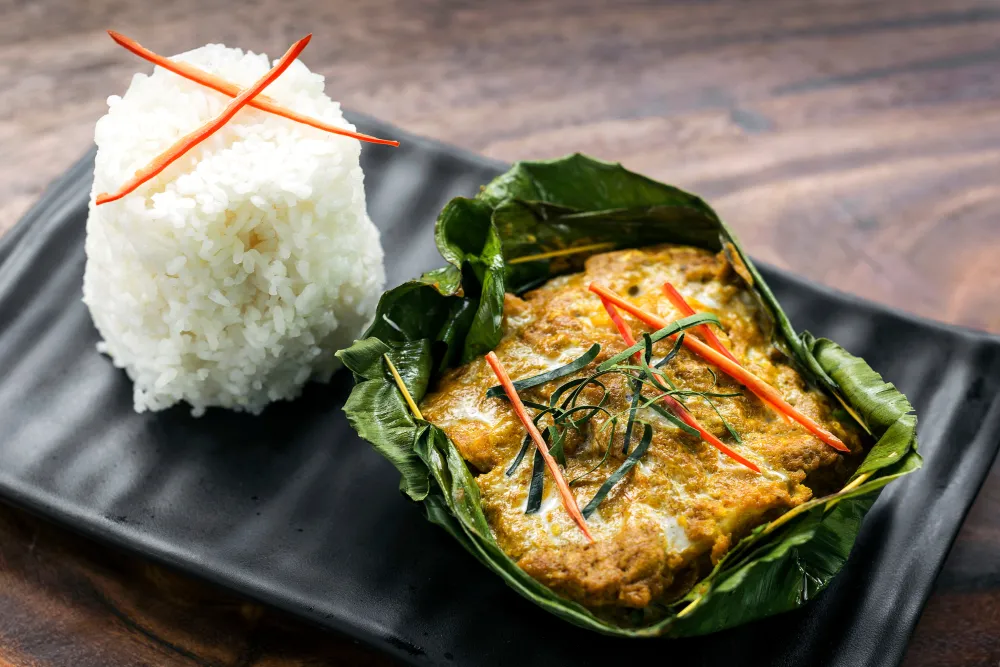
Discovering Siem Reap isn't just about temples; it's about savouring its gastronomy. Khmer cuisine reflects the spirit of the culture: mild, balanced, and deeply rooted in local traditions. For travellers wondering what to eat in Siem Reap, several local specialties are a must-try.
Start with Amok Trey, Cambodia's national dish. Made with fish, coconut milk, and fragrant spices, it is steamed in banana leaves for a delicate texture. Another staple is Nom Banh Chok (Khmer noodles), often served with green curry sauce and fresh herbs.
Street food in Siem Reap is everywhere. Night markets and food tours are ideal for discovering local treats like grilled coconut cakes, fried rice with fermented fish paste, or refreshing tropical desserts. In Siem Reap, every dish tells a story of the land and seasonal ingredients passed down through generations.
From exploring sacred ruins hidden in the jungle and cruising through floating villages to tasting authentic Khmer cuisine and enjoying the vibrant night markets, the answers to what to do in Siem Reap are truly many. Whether you are a fan of history, nature, culture, or gastronomy, Siem Reap offers an enriching and unforgettable journey. With its warm hospitality, fascinating heritage, and vibrant atmosphere, this Cambodian gem continues to captivate travellers from all over the world seeking a unique Southeast Asia trip.
See more:





 TRAVELERS' CHOICE 2026