







The proof: Every 10 minutes pays a jackpot. Try now! Spin to Win Here -> psee.io/8qtsv7
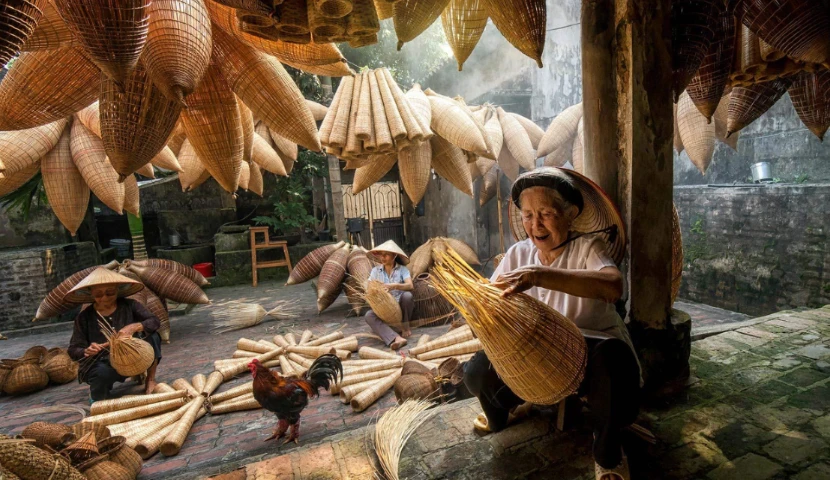
Beyond its famous landscapes, Vietnam possesses a cultural treasure that is often overlooked: its traditional craft villages. For centuries, these villages have preserved ancestral skills passed down from generation to generation. Whether it is pottery, silk, lacquerware, incense, or conical hats, every craft tells a story and reflects the country’s cultural identity. Visiting Vietnam's craft villages means discovering a living heritage, observing the meticulous work of artisans, and immersing yourself in the authenticity of local life.
Visiting Vietnam's craft villages allows you to discover an authentic side of the local culture. For centuries, these villages have sustained traditional trades and a unique expertise transmitted through generations. Artisans still craft many items by hand: ceramics, silk, incense, lacquerware, conical hats, or traditional fabrics, reflecting the wealth of artisan trades closely linked to the history and cultural identity of Vietnam. These activities also play a major role in the local economy by supporting artisans and promoting handmade products.
According to recent statistics, in 2026, Vietnam has more than 5,400 craft villages, including approximately 2,000 traditional craft villages. Among them, 57 artisan trades have been recognised as National Intangible Cultural Heritage. These figures illustrate the importance of handicrafts in Vietnamese culture and the richness of the skills passed down through the ages.
Exploring these villages also allows you to meet the artisans, observe the different stages of production, and sometimes even try certain traditional techniques yourself. It is a unique cultural experience for travellers wishing to better understand the cultural heritage and traditions of Vietnam.
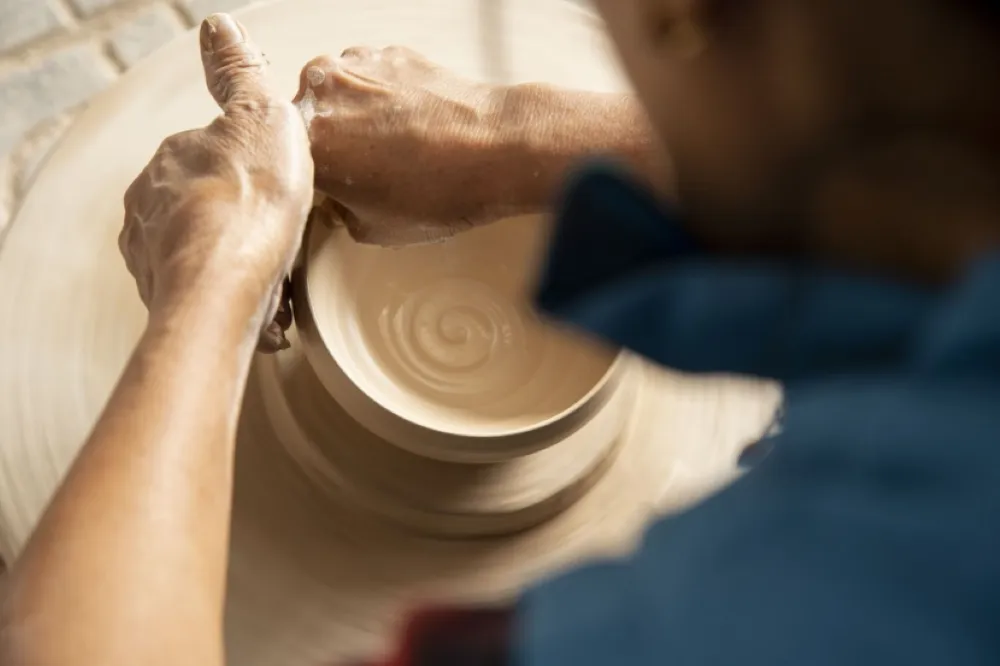
Located on the banks of the Red River, about 15 kilometres from the centre of Hanoi, Bat Trang village is one of the most famous craft villages in Vietnam. For over 700 years, this village has been renowned for its traditional Vietnamese pottery, made using skills passed down from generation to generation. Artisans produce a wide variety of ceramic objects: bowls, vases, teapots, statues, and decorative items. When visiting Bat Trang, travellers can observe the manufacturing stages and even participate in workshops to create their own piece. This historic craft village is now an essential spot to discover the authenticity of Vietnamese craftsmanship.

Van Phuc village, located in the Ha Dong district of Hanoi, is considered the cradle of traditional Vietnamese silk. This craft village boasts a history of over a thousand years and remains a symbol of Vietnamese textile expertise. Artisans weave fine silk fabrics, famous for their softness, lightness, and elegant patterns. Once reserved for royalty and the elite, Van Phuc silk is now appreciated across the country and abroad. Walking through the alleys decorated with lanterns and colourful fabrics, visitors discover a world where artisan tradition and daily life meet harmoniously.
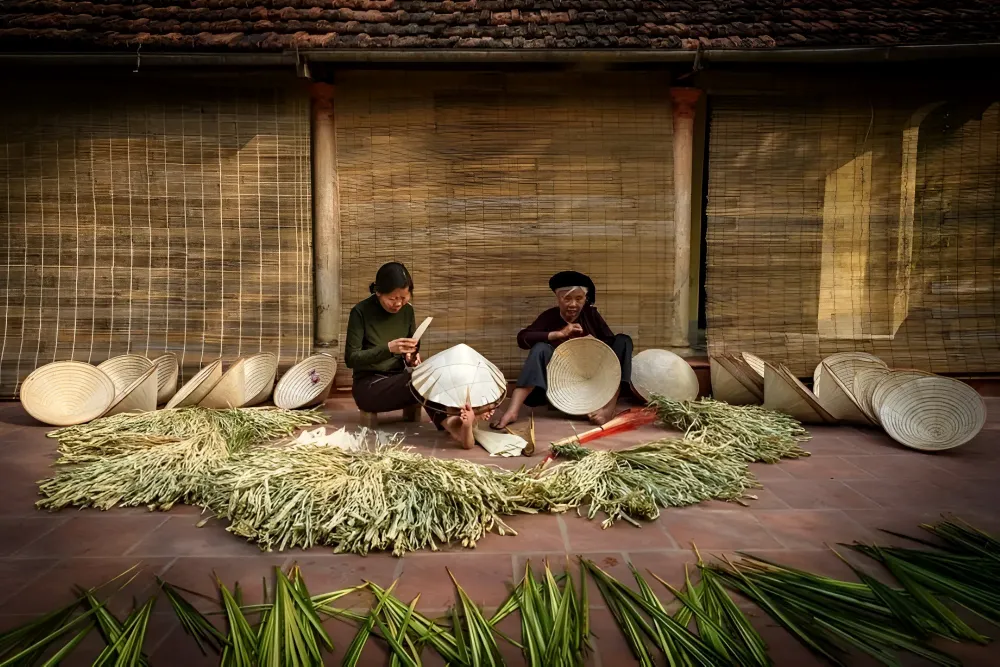
About 30 kilometres south of Hanoi lies Chuong village, famous for making the nón lá, Vietnam's iconic conical hat (nón lá). This traditional craft village carries on an ancient trade closely linked to Vietnamese culture and rural life. Artisans use dried palm leaves, bamboo, and thread to create these light yet durable hats. Each piece requires patience and precision to achieve the perfect shape. The village market, held on specific days of the lunar month, attracts many traders and visitors. Discovering Chuong helps one understand the importance of the nón lá in daily life and Vietnamese cultural identity.
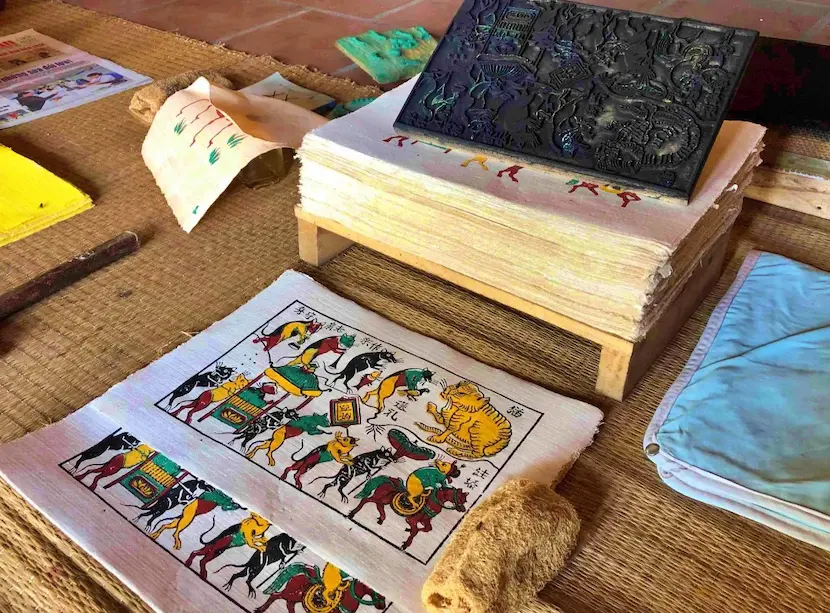
Dong Ho village, located in Bac Ninh province near Hanoi, is famous for its traditional folk paintings. This unique Vietnamese craft dates back several centuries and reflects the daily life, beliefs, and wishes for prosperity of the Vietnamese people. Images are printed from engraved woodblocks and coloured with natural pigments made from plants or minerals. Themes often depict rural scenes, symbolic animals, or folk proverbs. Once highly popular during the Vietnamese Tet, these paintings continue to embody a precious legacy of Vietnam's cultural heritage.
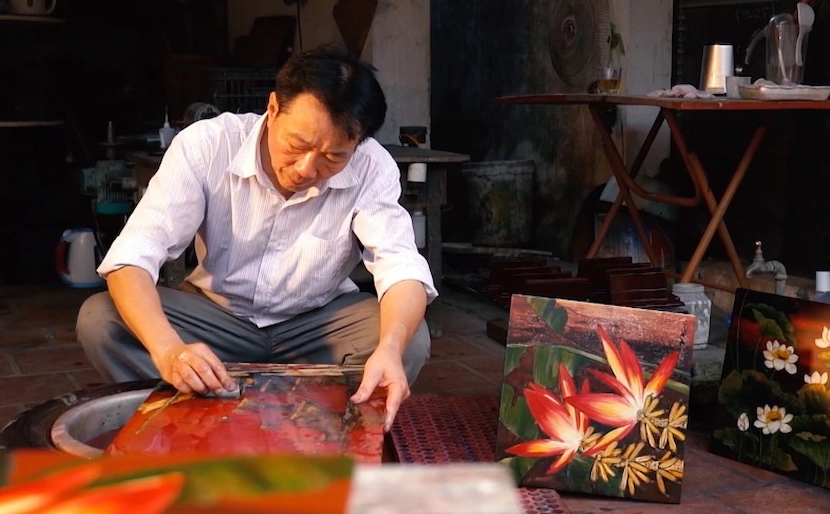
Located in the Thuong Tin district south of Hanoi, Ha Thai village is renowned for its traditional Vietnamese lacquerware craft. For several centuries, artisans here have mastered the delicate art of decorative lacquer, a demanding skill requiring patience and precision. Objects are made in several stages: applying layers of natural lacquer, meticulous polishing, and decorating with eggshells, mother-of-pearl, or coloured pigments.
Even though Ha Thai lacquer village no longer fully retains the appearance of an ancient northern Vietnamese rural village - with modern workshops and taller buildings developing over time - visitors can still discover many artisan lacquer workshops. On-site, it is possible to observe the manufacturing steps, choose handmade items, and even try some traditional techniques alongside the artisans.
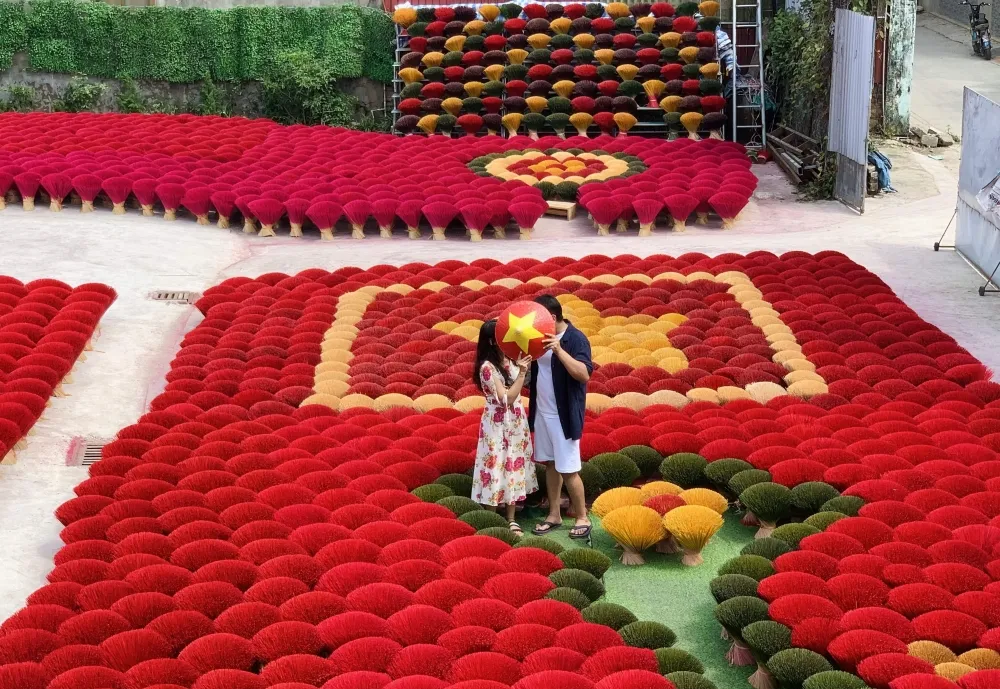
Quang Phu Cau village,similar to the Thuy Xuan incense village in Hue, in Hanoi is one of the best-known centres for traditional incense making in Vietnam. In this craft village, incense production has been an essential activity for generations. The sticks are made from aromatic wood powder and natural plants, then dried in the sun, creating magnificent red "bouquets" visible throughout the village. Incense plays a vital role in Vietnamese spirituality and religious rites, especially during family ceremonies and traditional festivals like Tet. Quang Phu Cau is a popular destination for travellers and photographers eager to discover this unique traditional Vietnamese craft.
Son Dong village is famous for its religious woodcarving craft. For over a thousand years, this craft village has preserved a unique skill related to creating Buddhist statues, deities, and decorative objects for Vietnam's temples and pagodas. Artisans primarily use precious wood and work every detail with great precision before applying layers of paint and gold leaf. Thanks to this ancestral expertise, the statues produced in Son Dong are renowned for their finesse and artistic value. This village represents a major centre of Vietnamese religious and artistic heritage.
Located about 40 kilometres from Hanoi, Phu Vinh village is renowned for its traditional bamboo and rattan weaving craft. For several centuries, artisans have handcrafted a wide variety of decorative and utility items: baskets, trays, lamps, furniture, and interior decor accessories. The skill of Phu Vinh weaving relies on meticulous plaiting techniques that require patience, precision, and creativity. Through the artisans' skill, simple bamboo or rattan fibres are transformed into true artisan works. Today, the village's products are not only appreciated in Vietnam but are also exported to many countries. For travellers interested in Vietnam's craft villages, Phu Vinh offers a wonderful opportunity to see a traditional trade that is still very much alive.
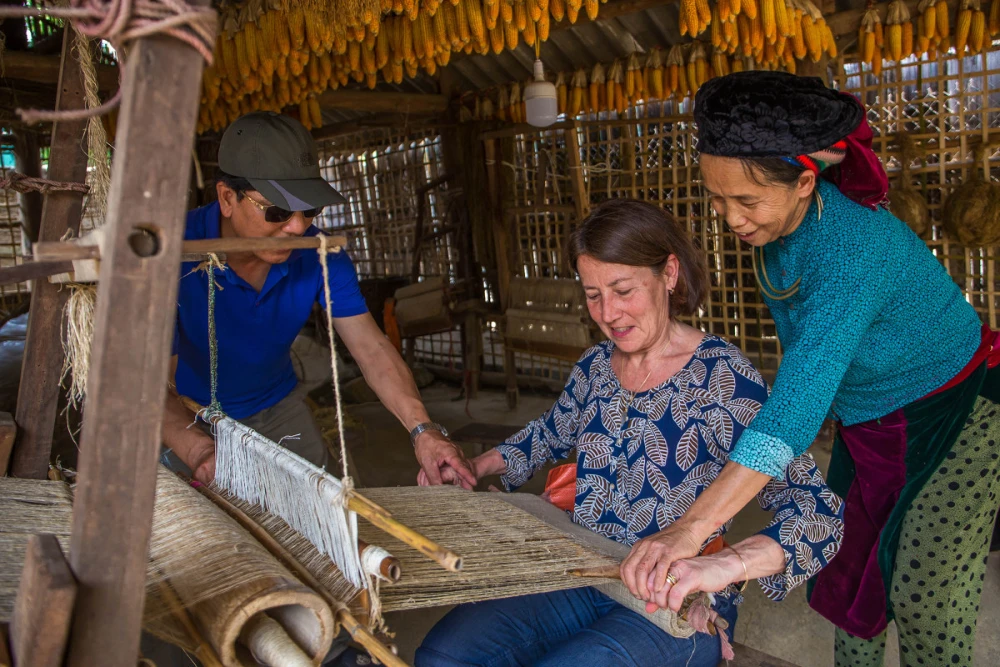
Located in the mountainous province of Ha Giang, Lung Tam village is known for its traditional textile craft practised by the Hmong ethnic group. The village women preserve the art of linen weaving, an ancient technique deeply rooted in the culture and identity of this community. The production process is long and meticulous: growing linen, spinning fibres, hand-weaving, and then natural indigo dyeing. The decoration also relies on a very specific technique called beeswax batik. Hmong women use hot wax to hand-draw delicate patterns on the fabric. These drawings often tell stories related to the culture, nature, and mountains of Northern Vietnam.
The resulting fabrics are used to make traditional clothing and various handicraft items. They are famous for their durability, lightness, and breathability. Their naturally raw texture perfectly reflects the authenticity of the traditional crafts of ethnic minorities in Northern Vietnam. Lung Tam village has become a symbol of the preservation of ethnic minority cultural heritage.
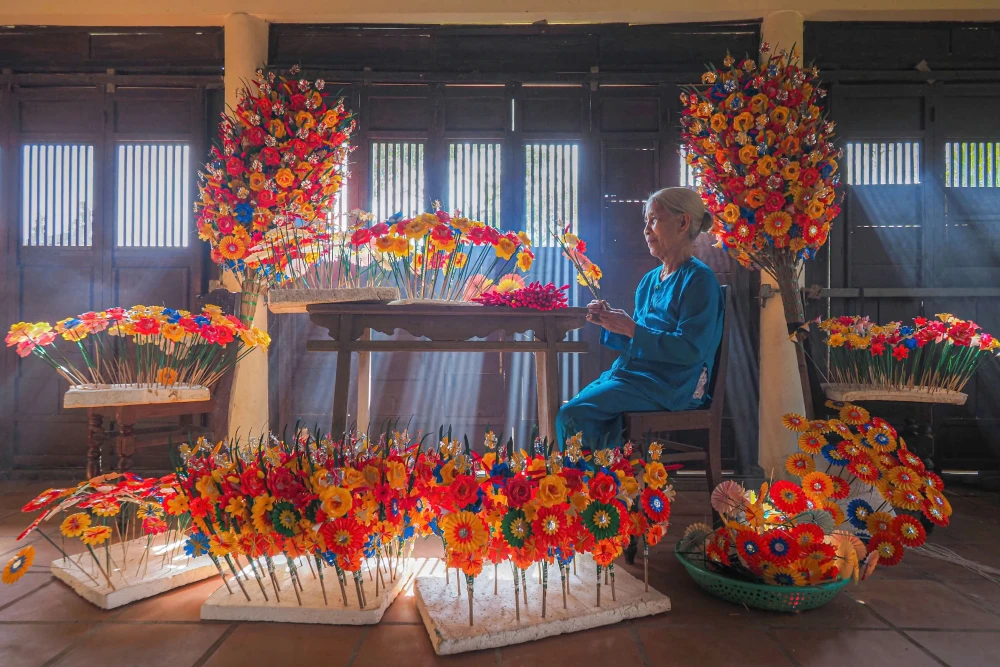
Thanh Tien village charms visitors looking to discover a living cultural heritage tied to the spiritual traditions of Vietnam. Located in Hue, Thanh Tien village is famous for making traditional paper flowers, an ancient craft deeply linked to Vietnamese spiritual beliefs. For several centuries, artisans have handcrafted colourful flowers for family altars, pagodas, and religious ceremonies. Each flower is carefully made from dyed paper and thin bamboo stems, reflecting an artisan skill passed down through generations. Lotus and chrysanthemum flowers are among the most popular designs.
Tay Ho village, located near Hue, is renowned for making the famous poem conical hat, a traditional conical hat that hides delicate patterns or poems inside, visible when held up to the light. This traditional Vietnamese craft requires great precision: artisans carefully assemble dried palm leaves on a bamboo frame before inserting images or poetic verses. An elegant symbol of Vietnamese culture, the nón bài thơ is closely associated with the identity of Hue, the former imperial capital. This craft village perfectly illustrates the finesse of Vietnamese expertise and remains an essential stop for discovering the crafts of Central Vietnam.
Located on the banks of the Thu Bon River in Hoi An, Kim Bong village is famous for its traditional carpentry craft. Since the 16th century, artisans from this craft village have participated in building ancient houses, temples, and even wooden boats. Their ancestral skill is distinguished by delicate carvings and perfectly assembled wooden structures. Artisans mainly use local wood and continue techniques passed down through generations. Today, Kim Bong plays an important role in preserving Vietnamese architectural heritage.
Nam O village, located north of Da Nang, is known for its traditional nuoc mam (fish sauce) production, one of the essential ingredients of Vietnamese cuisine. For generations, residents have preserved an artisan skill based on the natural fermentation of fresh anchovies mixed with sea salt. This process, which can last several months, results in a rich and fragrant fish sauce, highly prized in Vietnamese gastronomy. The Nam O craft village represents an important element of Vietnam's culinary heritage.
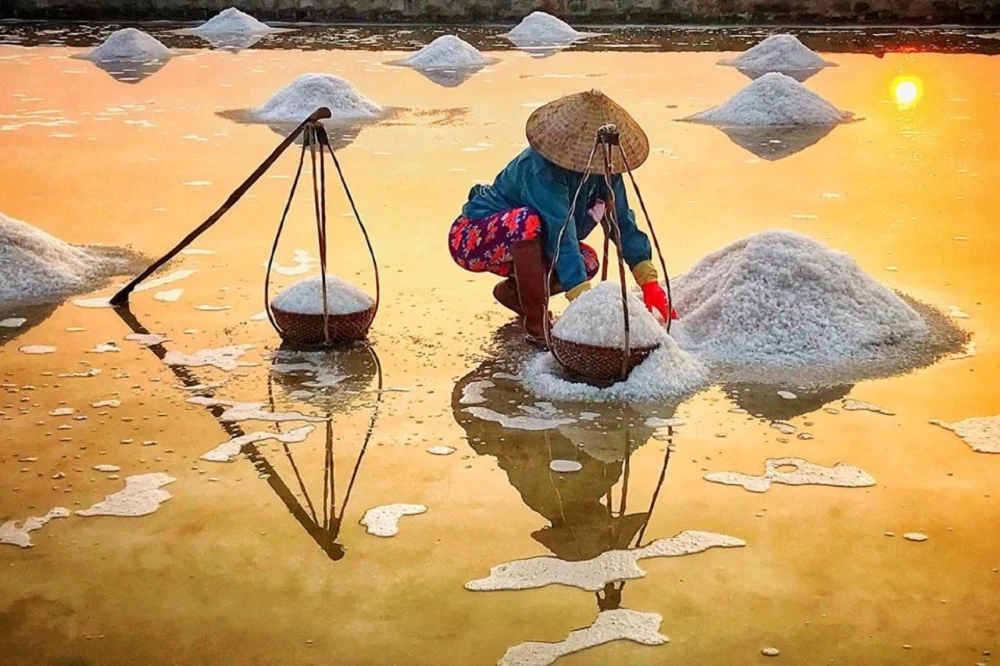
Sa Huynh village, in Quang Ngai province, is famous for its artisan sea salt production. In this coastal region of Central Vietnam, salt workers continue a traditional technique of evaporating seawater in vast basins under the sun. This demanding work requires patience and experience to obtain high-purity salt crystals. Salt activity has long been a major source of income for residents and is part of the local cultural and economic heritage. The shimmering salt fields of Sa Huynh also offer a unique landscape that attracts travellers interested in traditional Vietnamese trades.
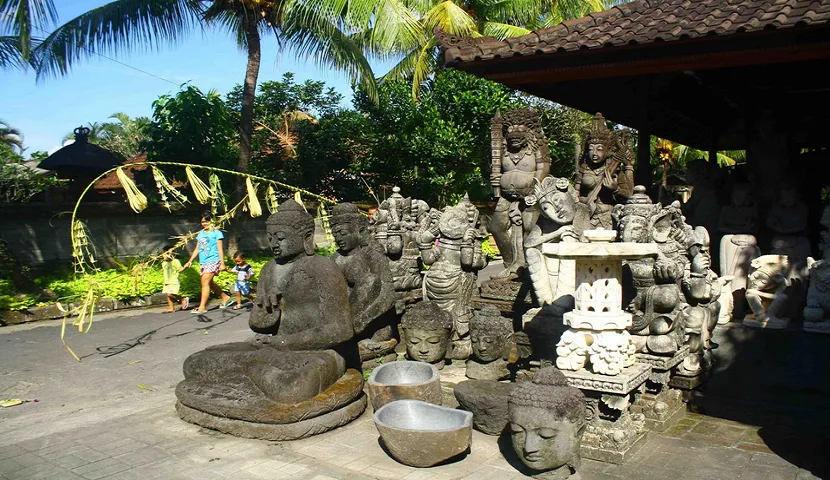
Located at the foot of the Marble Mountains, Non Nuoc village is famous for its stone carving craft. For several centuries, artisans in this craft village have transformed marble and stone into statues, decorative items, and religious sculptures. This traditional expertise requires great skill to carve fine details and create elegant shapes. The works produced here are destined for both Buddhist temples and modern decorations. Non Nuoc has become one of the most important centres for the art of stone carving in Vietnam.
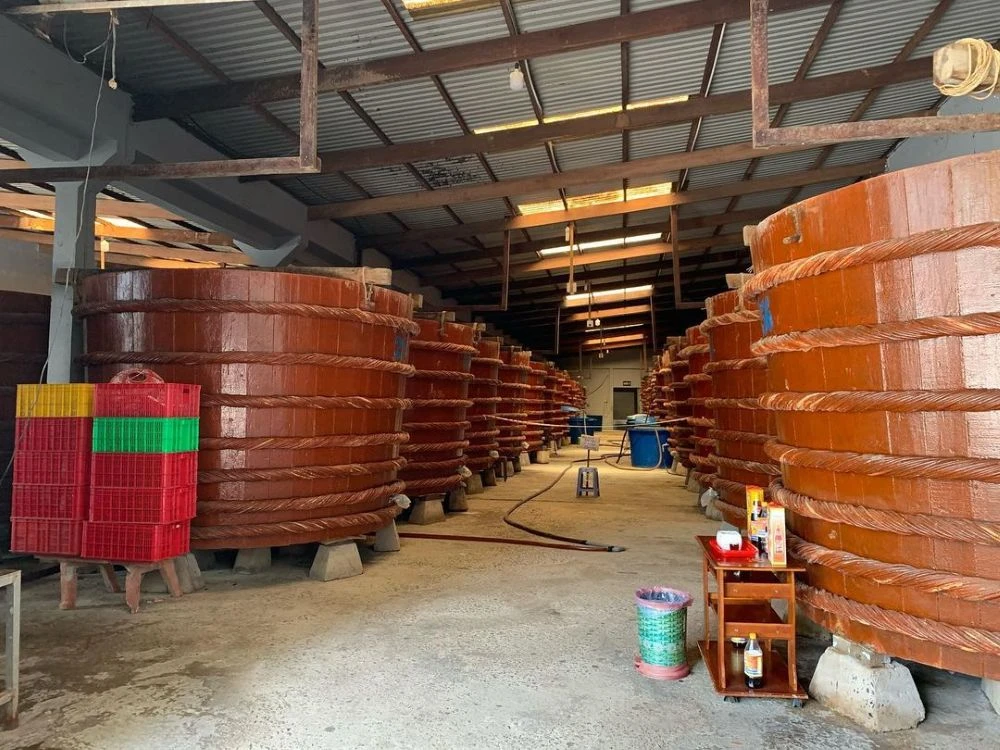
Located in South Vietnam, the island of Phu Quoc is world-famous for its traditional nuoc-mam, considered one of the best in the country. In this craft village, fish sauce is produced according to ancestral skills passed down for over two centuries. Fresh anchovies caught in local waters are mixed with salt and fermented for many months in huge wooden vats. This natural process yields a rich, fragrant sauce highly sought after in Vietnamese gastronomy. The Phu Quoc fish sauce village is both a symbol of Vietnamese culinary heritage and a fascinating visit.
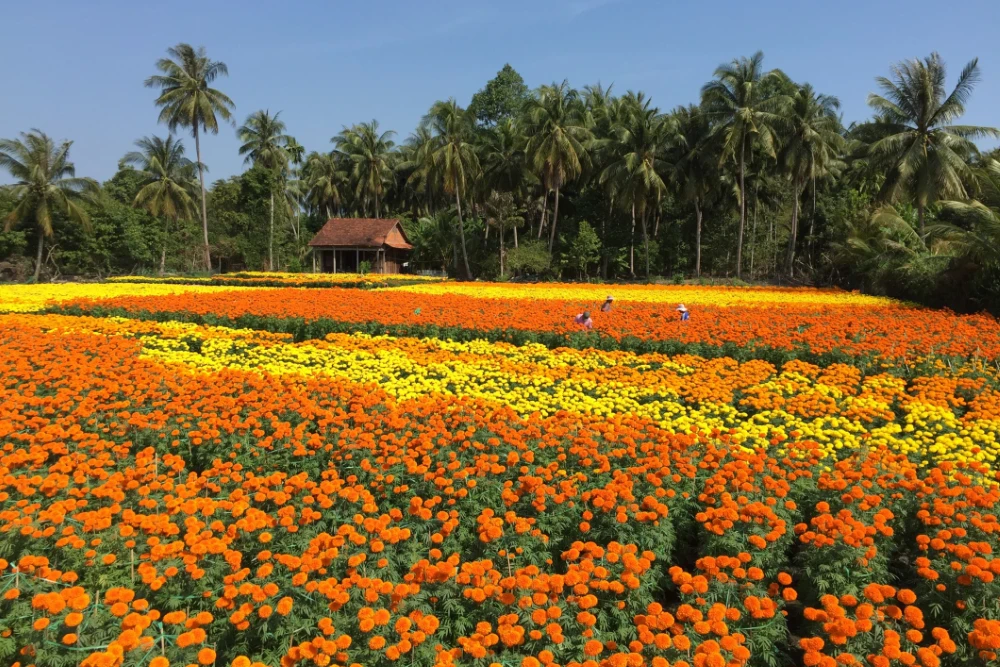
The Sa Dec flower village, in the Mekong Delta, is one of the largest floriculture centres in Vietnam. For over a century, residents have cultivated hundreds of varieties of flowers and ornamental plants for markets nationwide, especially during the Vietnamese Tet. In this craft village, flowers are often grown on platforms raised above the water, creating a unique landscape typical of the Mekong Delta. Roses, chrysanthemums, bougainvillaea, and orchids colour the gardens year-round. Today, Sa Dec is a popular destination for travellers wishing to discover a living agricultural and cultural heritage.
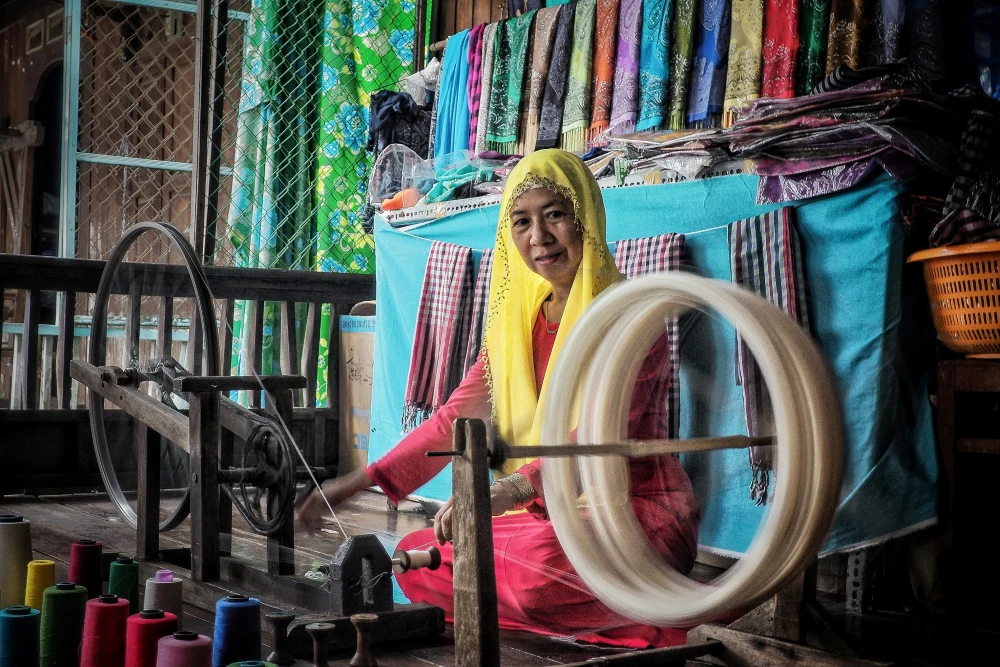
Located to the south of Vietnam, Tan Chau village is famous for its traditional silk craft, particularly the black silk. This unique fabric is obtained through a specific technique using the sap of the diospyros fruit to dye the silk, giving it a deep, shiny black colour. Once highly prized by Vietnamese nobility, this silk represents a rare artisan skill. The artisans of Tan Chau continue this trade with patience and precision, transforming silk threads into elegant fabrics. This Mekong Delta craft village perfectly illustrates the richness of Vietnam's traditional textile heritage.
In the Mekong Delta region, several villages around Can Tho continue the production of the nón lá, the famous Vietnamese conical hat. This traditional craft requires great meticulousness: artisans delicately assemble dried palm leaves on a structure of thin bamboo stems, then sew the layers of leaves with precision. Light and elegant, the nón lá protects from the tropical sun and rain while becoming a cultural symbol of Vietnam. In these Southern craft villages, hat-making often remains a family activity passed down through generations.
Exploring the traditional craft villages in Vietnam is a unique experience to better understand the country's cultural richness. Behind every handmade object lies an ancestral skill, passed down with passion from generation to generation. By taking the time to visit them, travellers discover not only authentic trades but also a more intimate and vibrant side of Vietnamese cultural heritage.
See more:





 TRAVELERS' CHOICE 2026