






Earlier I thought differently, many thanks for the information.
__________
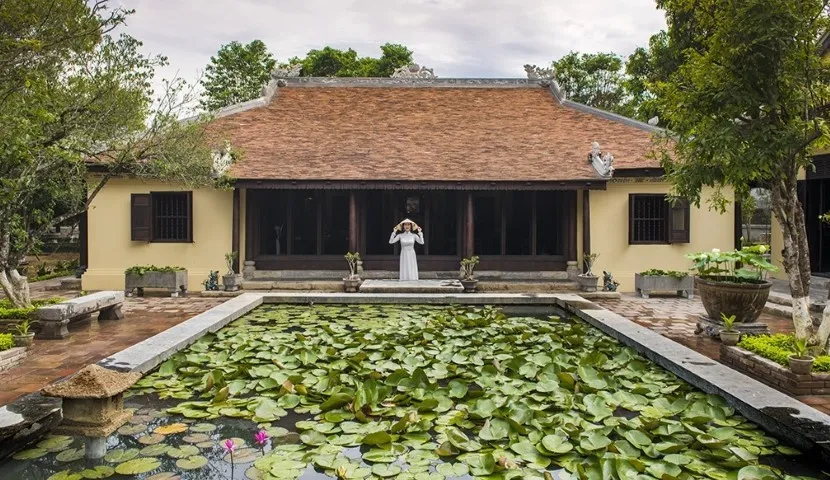
Beyond the breathtaking landscapes and vibrant cuisine, Vietnam captivates visitors with its traditional houses, which stand as living witnesses to daily life. From the stilted houses of the northern highlands to the ancient dwellings in bustling towns and quiet countrysides, each architectural style reflects a unique way of living and adapting to the Vietnamese typography.
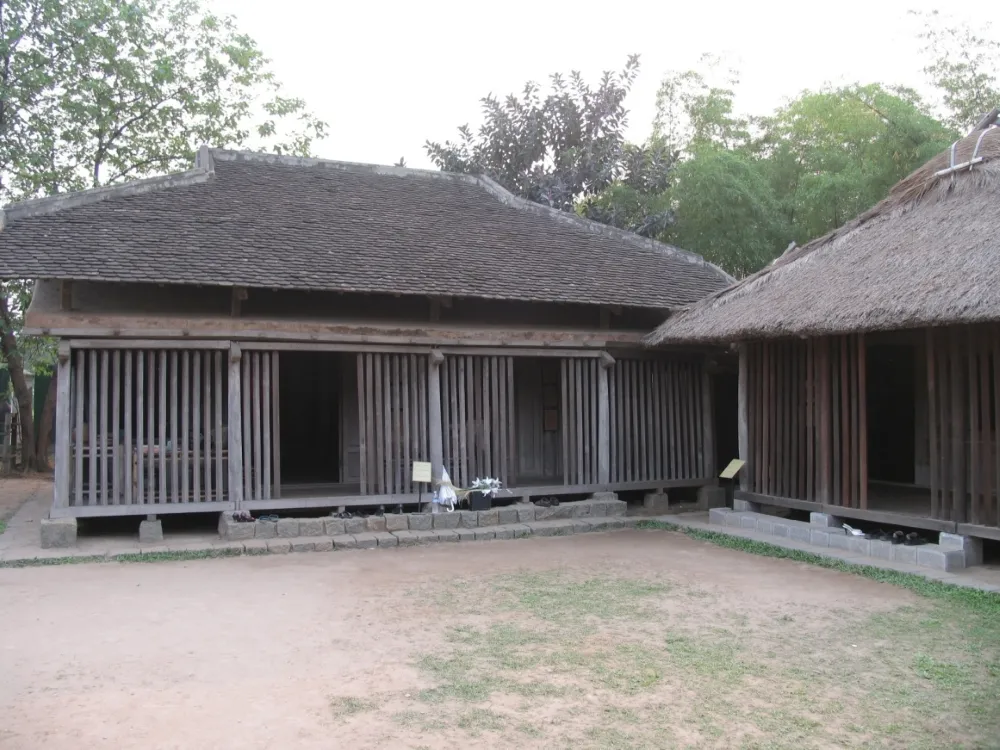
One of the most widespread styles is the ground-level house. This model is common among the Viet (Kinh) people, as well as the Hoa, Khmer, and Cham communities. These homes line riverbanks and mountain slopes, forming close-knit village communities.
These houses sit on large plots surrounded by fences and lush gardens. A typical complex includes a main house, outbuildings, a courtyard, and often a pond or vegetable garden. The central space is dedicated to ancestor worship and receiving guests, while other rooms serve daily needs. Built with bricks, intricately carved wooden frames, and tiled or thatched roofs, these homes combine functionality with a cooling atmosphere.
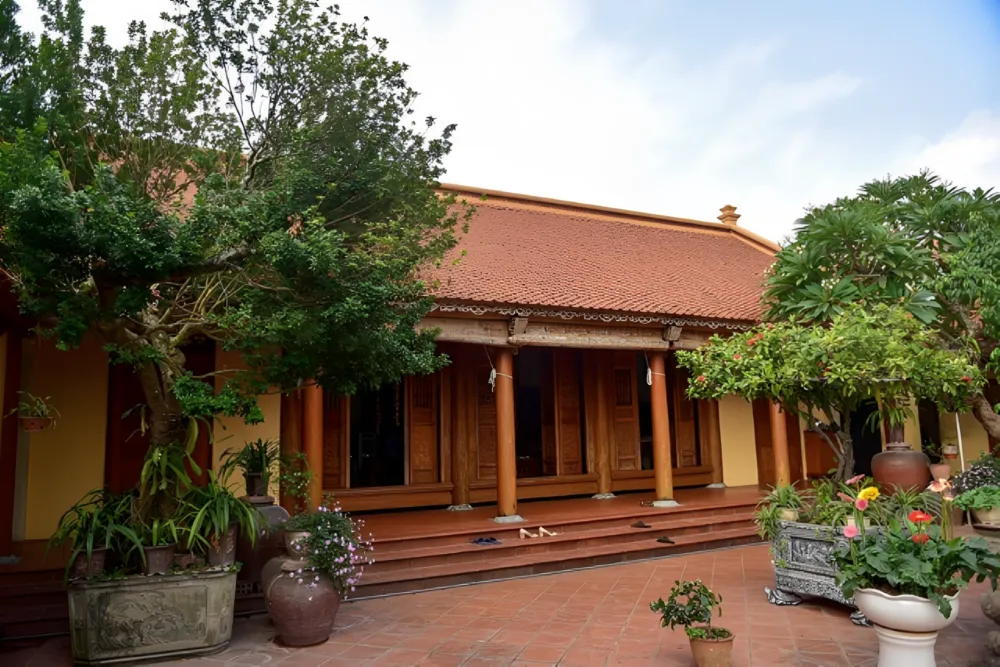
The "three-compartment and two-wing" house is an iconic symbol of rural Vietnam, particularly in the North and Central regions.
Constructed from timber, brick, and clay, the steep roof allows for quick rainwater drainage, while wide openings ensure excellent natural ventilation.
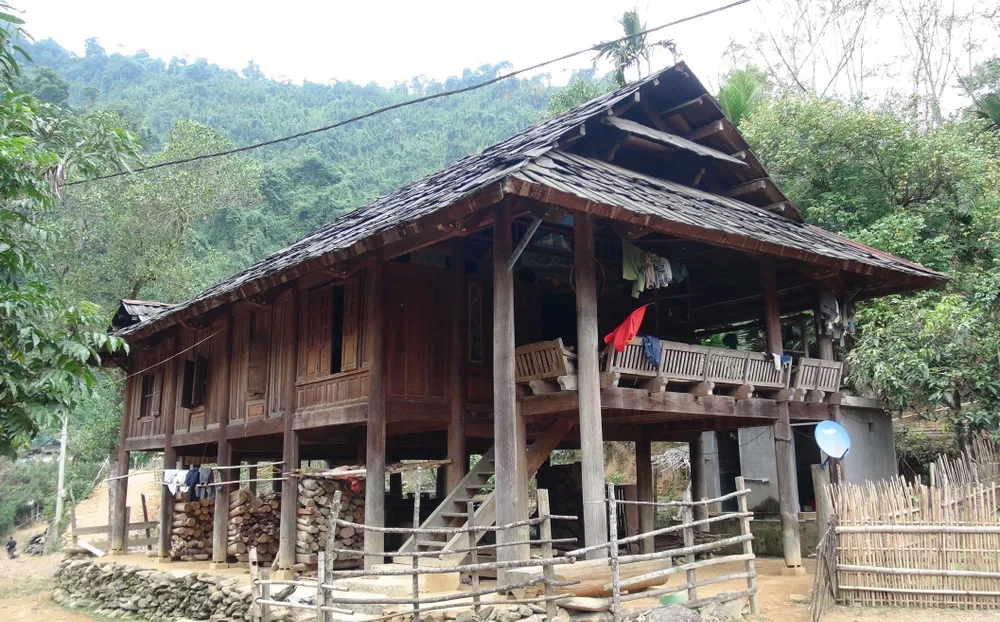
The stilted house is one of the most iconic forms of traditional habitat in Vietnam. Found in both rugged mountainous terrains and vast riverine areas, it is utilised by a diverse range of ethnic minority groups as well as the majority population. While designs vary based on local customs and geography, they share a common principle: a dwelling elevated on wooden posts two to three metres high, firmly anchored into the ground, topped with a roof designed for maximum cooling and protection.
Tracing its origins back to the Dong Son culture, the stilted house has survived for centuries by adapting to the challenges of terrain and climate. Whether built on steep mountainsides, near rivers, or in marshy swamplands, they are crafted from readily available natural materials such as timber, bamboo, rattan, and palm leaves.
The structure is supported by robust pillars, these homes usually feature one or two external staircases. The interior is highly functional, typically consisting of a gallery (porch), bedrooms, and a central room used as a parlour or reception area. Multiple openings ensure excellent natural ventilation. Depending on the area, roofs may feature two, three, or four sloped sides.
In the Northern Highlands, Central Highlands, and Mekong Delta, the stilted house remains prevalent. For ethnic groups like the Thai, Tay, Nung, and Dao, this architecture serves a dual purpose: in the mountains, it keeps residents safe from wild animals and provides a space for livestock beneath the floor; in low-lying areas, it acts as vital flood protection.
Two main categories of stilted houses
Vietnam distinguishes between two primary types of stilted dwellings, based on size and social structure:
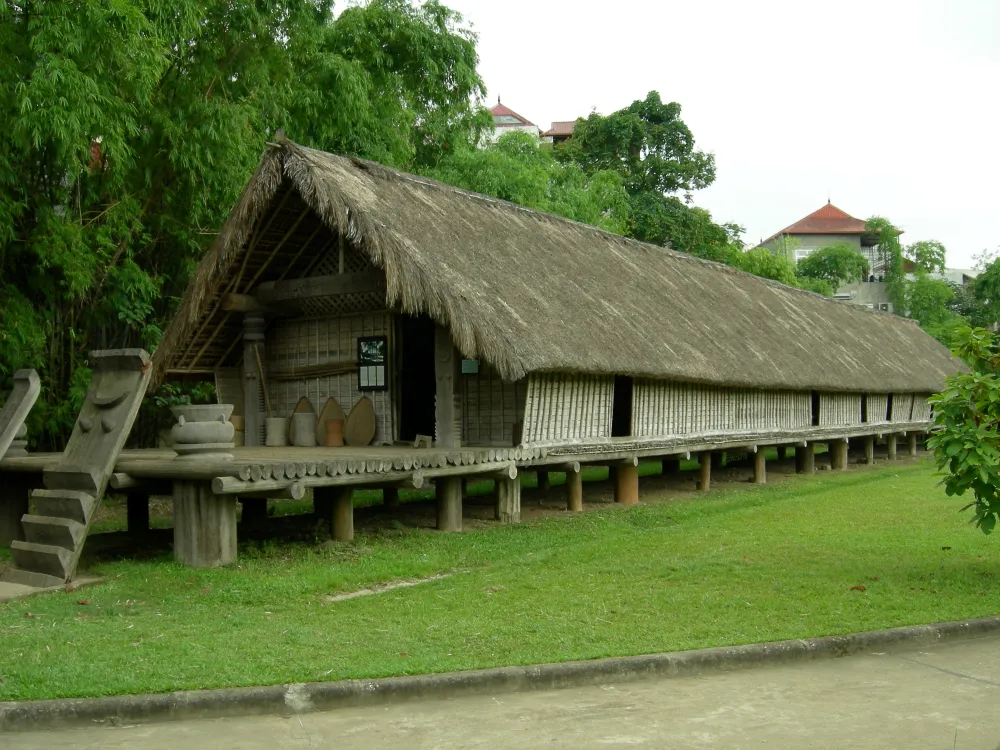
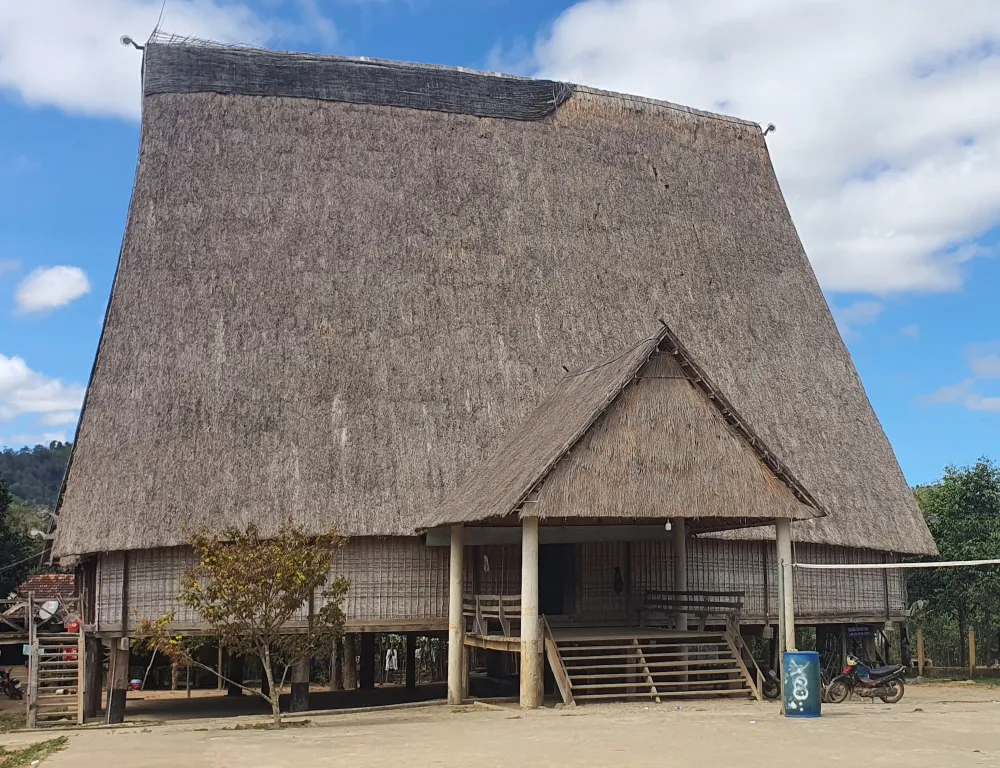
The Rong house is a magnificent variation of the stilted house, used exclusively for communal purposes. Serving as the social and cultural heart of villages in the Central Highlands (primarily among the Gia Rai and Ba Na peoples in Gia Lai and Kon Tum), it is comparable to the Dinh (communal house) of the Kinh people.
Erected on a vast central square, the Rông house is famous for its imposing dimensions and its signature towering roof. The roof is steeply pitched and sharp, resembling the blade of a giant axe reaching toward the sky. It is built from forest materials—massive timber pillars, bamboo, and dried thatch.
More than just a building, the Rông house is a venue for village meetings, welcoming guests, and making collective decisions. It is also the stage for spiritual ceremonies, traditional festivals, and the passing down of ancestral knowledge. Inside, one can find sacred cultural artefacts such as bronze gongs, drums, and ritual trophies, which serve as proud witnesses to the local cultural identity.
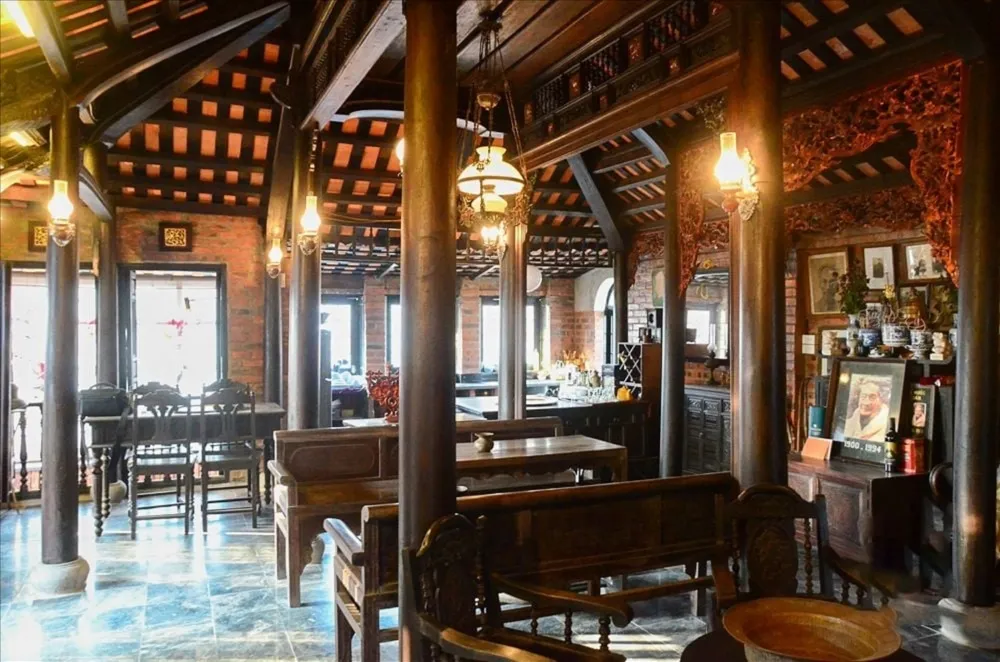
A symbol of Central Vietnamese elegance, the nhà rường embodies a blend of imperial sophistication and folk tradition.
The most remarkable feature is the solid timber frame, joined entirely without nails. These houses feature high roofs covered in yin-yang tiles and are decorated with exquisite carvings of the four sacred animals. Often surrounded by meticulously manicured gardens, these "garden houses" offer a serene retreat from the tropical heat.
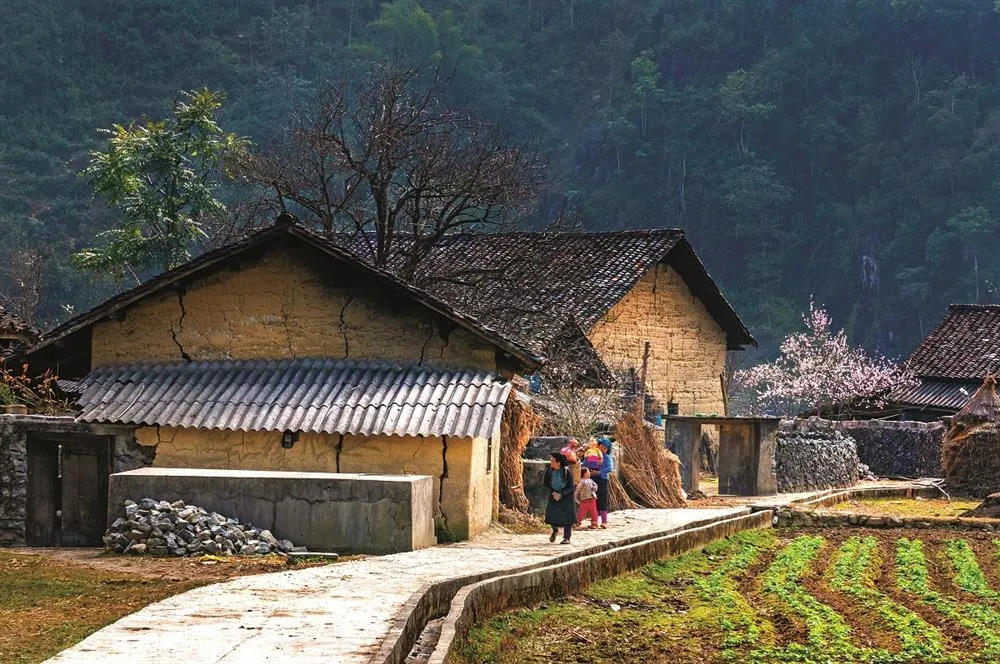
In the rugged northern borderlands, the Mong and Ha Nhi people build fortified earth-walled houses. These structures are made of rammed earth, with walls 40–60 cm thick. This provides incredible natural insulation—keeping the interior cool in summer and warm during the biting mountain winters. The stone fences surrounding these homes are often built over several years, piece by piece.
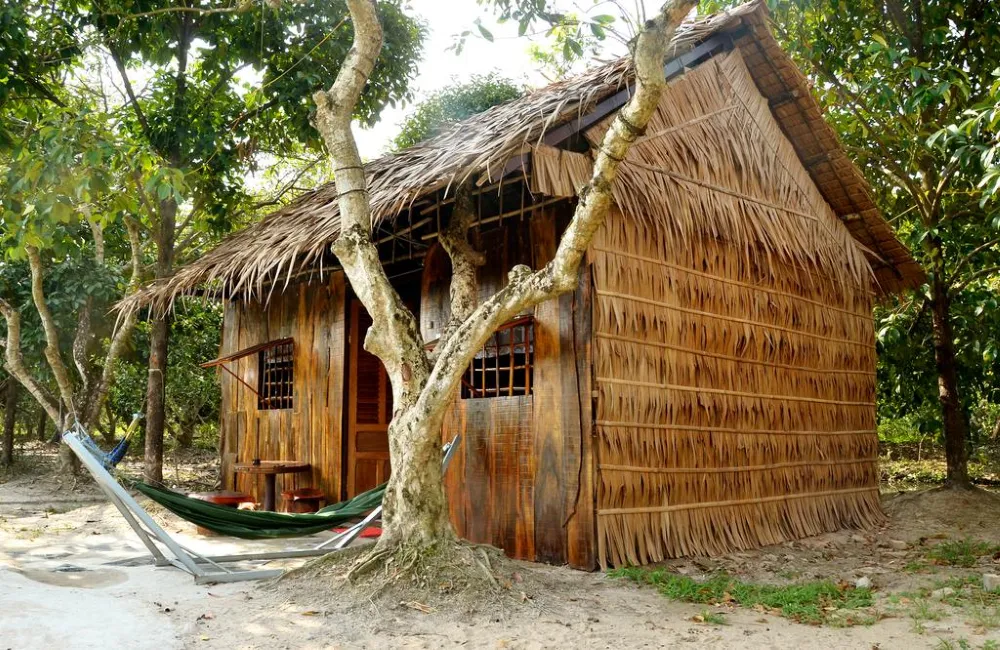
In the sun-drenched Mekong Delta, the palm leaf house is king. Built along canals and hidden within fruit orchards, these simple dwellings use nipa palm leaves for roofing and walls. This lightweight material is perfect for the humid riverside environment, offering a breathable and rustic living space that defines the peaceful soul of Southern Vietnam.
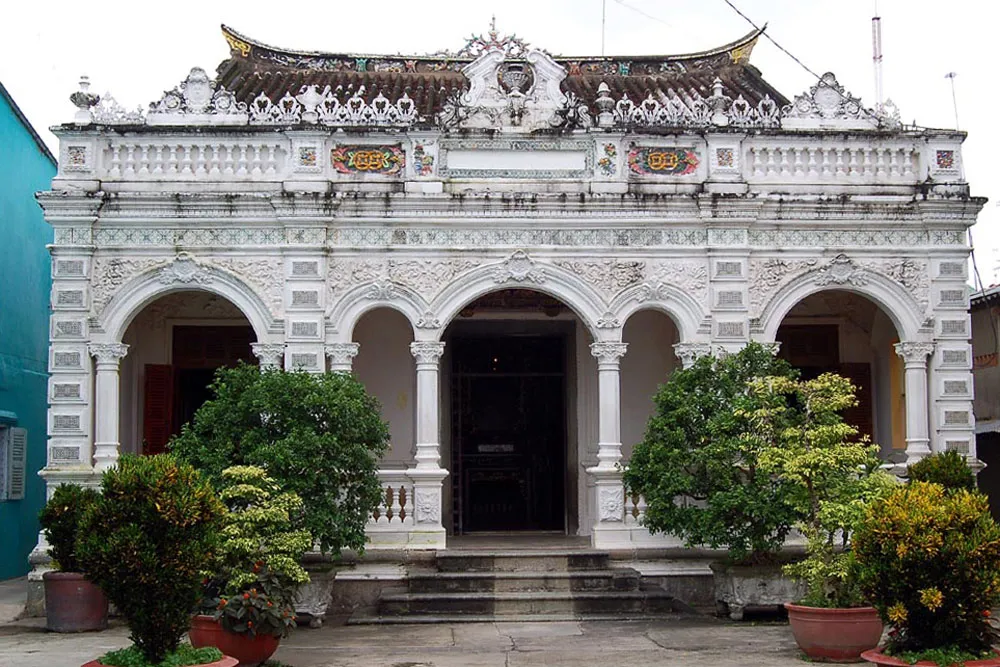
The ancient houses in Mekong Delta reflect the opulent lifestyle of wealthy families in the region during the late 19th and early 20th centuries. Built directly on the ground, these residences are distinguished by their vast floor plans, a layout centred around a grand main hall, and sophisticated décor.
These homes showcase a unique aesthetic fusion of Vietnamese, Chinese, and Western influences, illustrating the region's historical commercial and cultural dynamism. One of the most iconic examples is the Huynh Thuy Le Ancient House in Sa Dec, world-renowned for its elegant architecture and its romantic history deeply woven into the memory of Southern Vietnam.
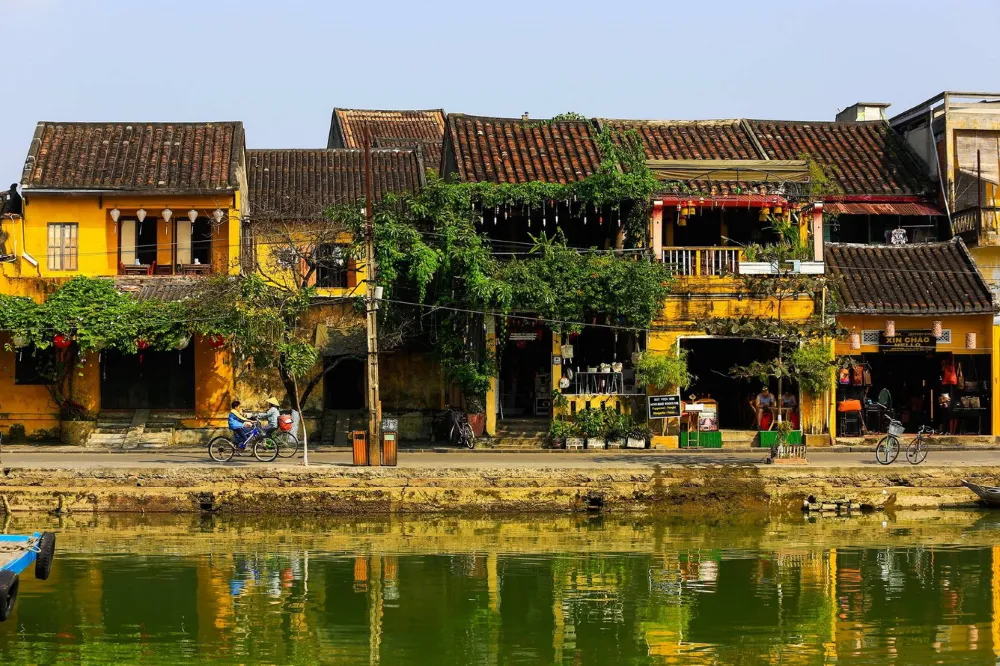
The ancient houses of Hoi An are quintessential examples of traditional Vietnamese urban architecture. Typically rising one or two storeys high, they are characterised by a "tube house" style—featuring a narrow façade but extending deep into the block, a layout perfectly suited for merchant families.
Designed to balance commercial trade with domestic life, these dwellings are a beautiful tapestry of Vietnamese, Chinese, and Japanese influences. The use of traditional materials like timber, brick, and clay tiles, combined with open internal courtyards, facilitates natural ventilation and maintains a cool interior—an essential adaptation to the tropical climate of Central Vietnam.
In the modern time, traditional Vietnamese architecture continues to inspire numerous contemporary projects. You will find these heritage elements reinterpreted in boutique homestays, luxury resorts, and eco-farmstays, where ancient designs are blended with modern comforts to offer travellers an authentic cultural experience.
Through the incredible diversity of its traditional houses, Vietnam reveals a deep-rooted relationship between people, nature, and culture. Whether it is a stilted house, a rammed-earth dwelling, a leaf-thatched cottage, or an ancient urban mansion, every structure tells a story of adaptation, craftsmanship, and regional identity.
Travelling to Vietnam is not just about the destinations; it is about taking the time to observe these unique forms of habitation—living witnesses to the daily life and the soul of the country's diverse regions.
See more:





 TRAVELERS' CHOICE 2026