

Hmtvroxv PXQRizitour.comPXQR iualror ukgewycfk qkfd www.yahoo.com/tr1
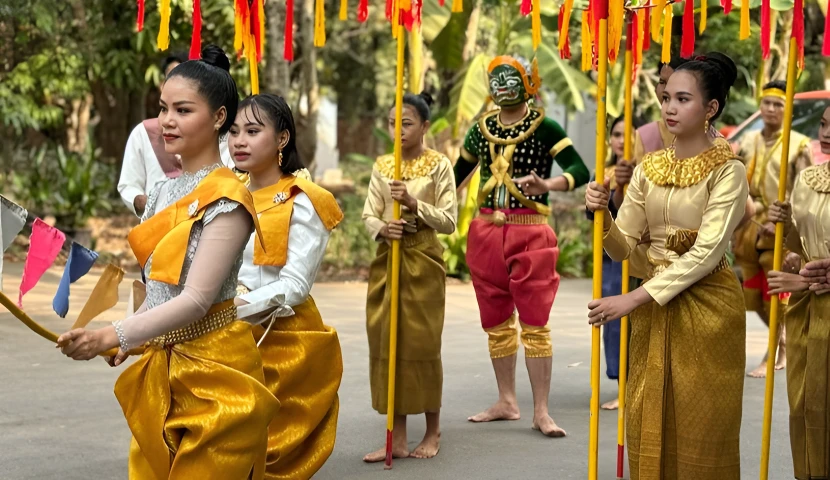
Every year in April, Khmer New Year transforms Cambodia into a massive nationwide celebration. As the most significant traditional festival in Khmer culture, this vibrant event marks the end of the harvest and the beginning of a fresh year. For several days, Buddhist temples, rural villages, and bustling cities come alive with sacred rituals, traditional games, and joyful community gatherings. For international travellers, it is the ultimate opportunity to immerse yourself in the authentic traditions and world-renowned hospitality of the Cambodian people.
Khmer New Year, locally known as Chol Chnam Thmay, is celebrated annually in Cambodia between the 13th and 16th of April. This period signals the end of the dry season and the transition into a new year according to the Khmer calendar, coinciding with the start of the agricultural cycle as the rainy season approaches. During these days, the pace of life slows down across the country: government offices close, families reunite, and every corner of the kingdom prepares for the Cambodian New Year festivities.
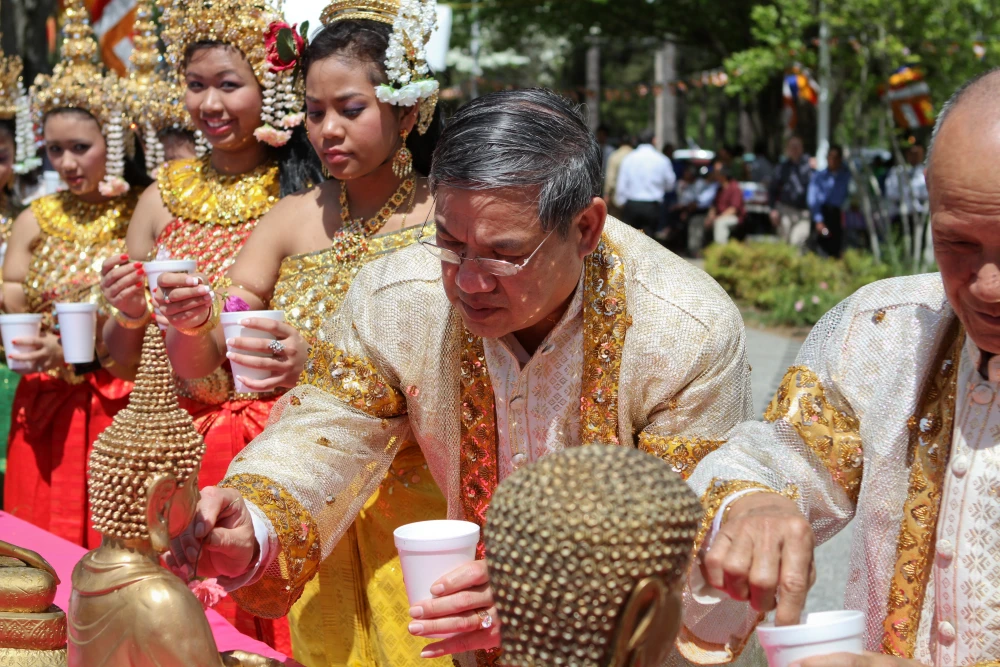
The celebrations typically last three days, each holding a specific meaning rooted in Buddhist rituals and ancient Indian astronomical wisdom. The name Chol Chnam Thmay carries deep symbolism:
While the dates are fixed in April, the specific timings remain closely tied to traditional lunar phases and ancestral calculations.
The origins of Chol Chnam Thmay are rooted in a fascinating legend reflecting the transition from Hinduism to Buddhism. The story tells of a brilliant young boy named Thom Ma Bal, believed to be an earlier incarnation of the Buddha. His wisdom was so profound that it sparked the jealousy of Kabul Maha Prum, a powerful deity.
The god challenged the boy with three riddles, with their lives at stake. Thanks to overhearing a conversation between two eagles, Thom Ma Bal solved the enigmas. True to his word, the god decapitated himself, but before doing so, he instructed his seven daughters to keep his head on a golden tray. They were tasked with carrying it around the sacred Mount Prasume every year to protect the world from destruction. According to Khmer tradition, the annual descent of these celestial daughters marks the start of the Cambodian New Year.
As the traditional festival approaches, Cambodian families meticulously prepare. Houses are cleaned and decorated, and everyone dons their finest attire—children often receive brand-new clothes. Families stock up on festive essentials like rice, fruit, fish, and meat. Many city dwellers return to their home provinces, creating a joyous and expectant atmosphere throughout the country.
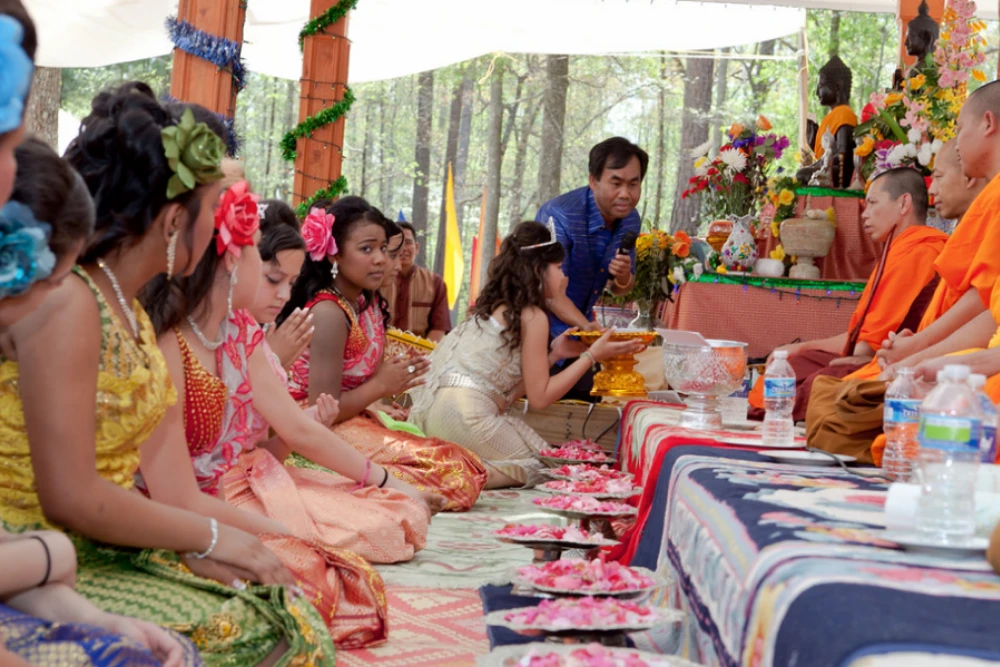
Unlike the Western midnight countdown, the exact moment of the new year depends on the symbolic descent of the presiding celestial daughter. Achas (respected laymen) in Buddhist temples calculate this precise time and announce it to the community. Families set up elaborate altars with candles, incense, flowers, and offerings to welcome the protecting spirits and ancestors, praying for prosperity and happiness.
Maha Sangkran officially welcomes the new year. Cambodians dress in their best clothes and head to the pagodas. A key ritual is the Maha Sangkran procession, where a symbolic tray is carried three times around the temple’s main sanctuary to welcome the new year and ward off the misfortunes of the past.
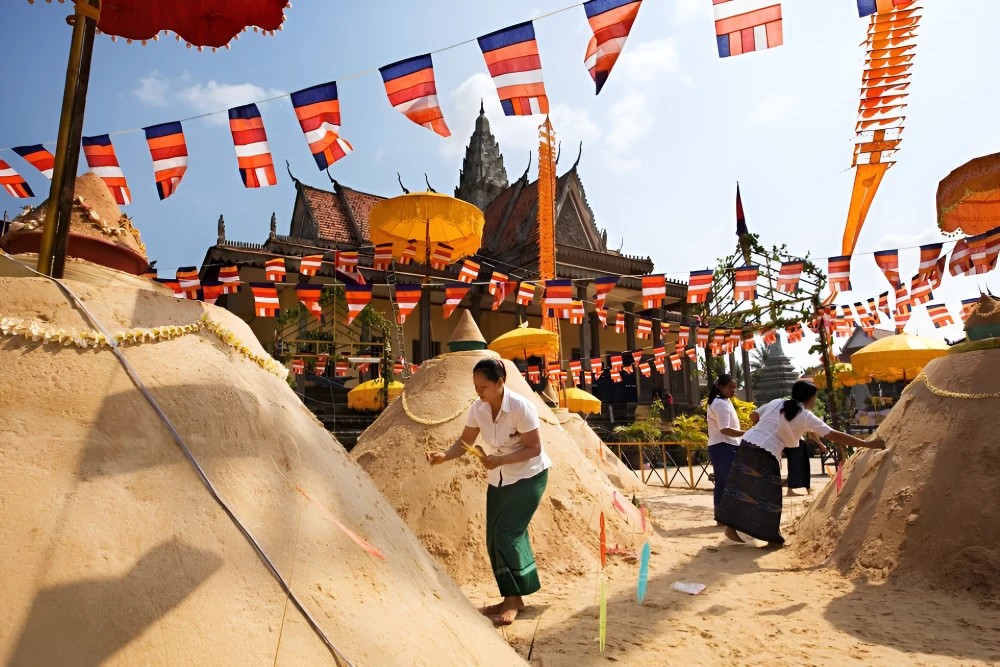
This day focuses on charity and solidarity. Families offer food to monks at the temples and build sand stupas (mountains of sand) in the pagoda courtyards. Each grain of sand represents a good deed, intended to purify past mistakes. In some regions, rice is used instead of sand to help support the temple or the underprivileged.
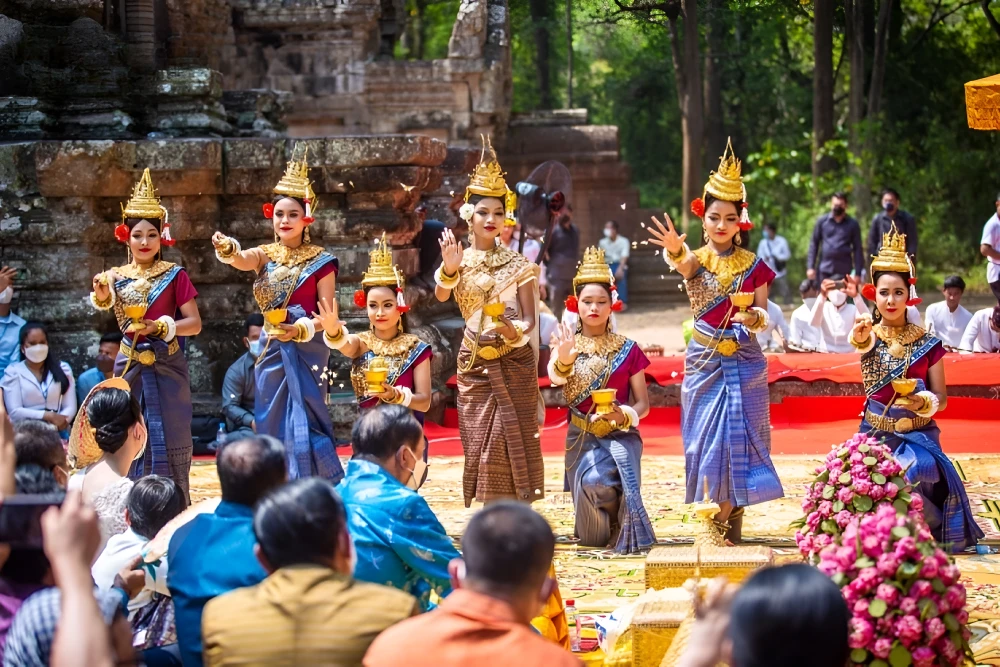
The final day is dedicated to purification. The highlight is the Bathing of the Buddha ceremony, where sacred statues are washed with scented water and flowers. This ritual symbolises the cleansing of the soul. Families also perform this at home, bathing their elders to show respect and receive blessings.
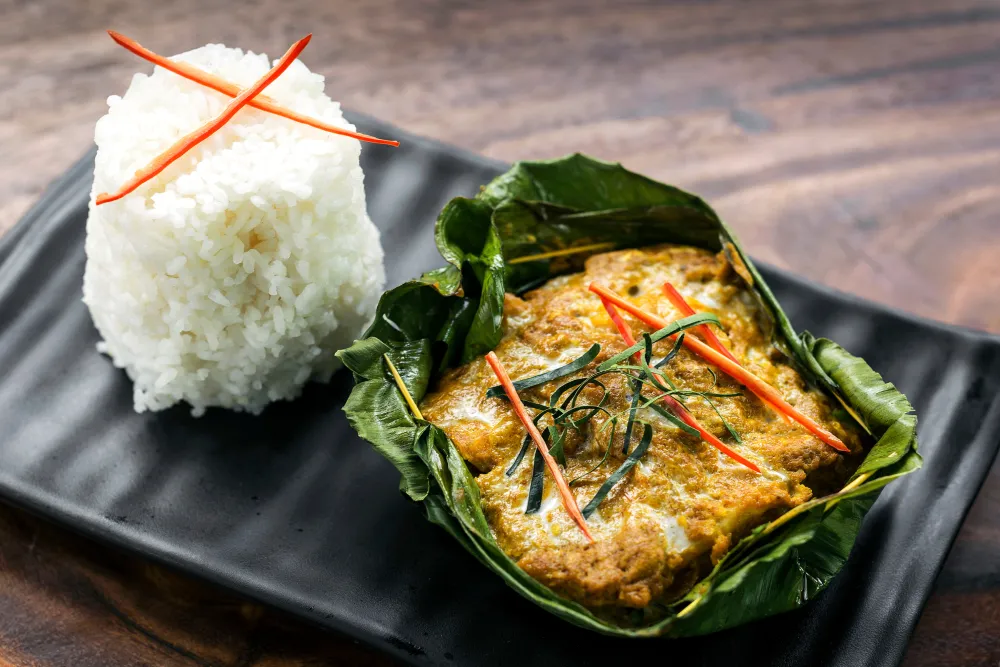
Food plays a central role in Khmer culture. During Chol Chnam Thmay, specific delicacies are prepared for both family feasts and temple offerings:
The Cambodian New Year is the heartbeat of the nation’s spiritual life. It is, above all, a time for family. It reinforces the core values of Khmer culture: respect for elders, generosity, and Buddhist devotion. The rituals allow people to start the year with a "clean slate" and renewed hope for a prosperous future.
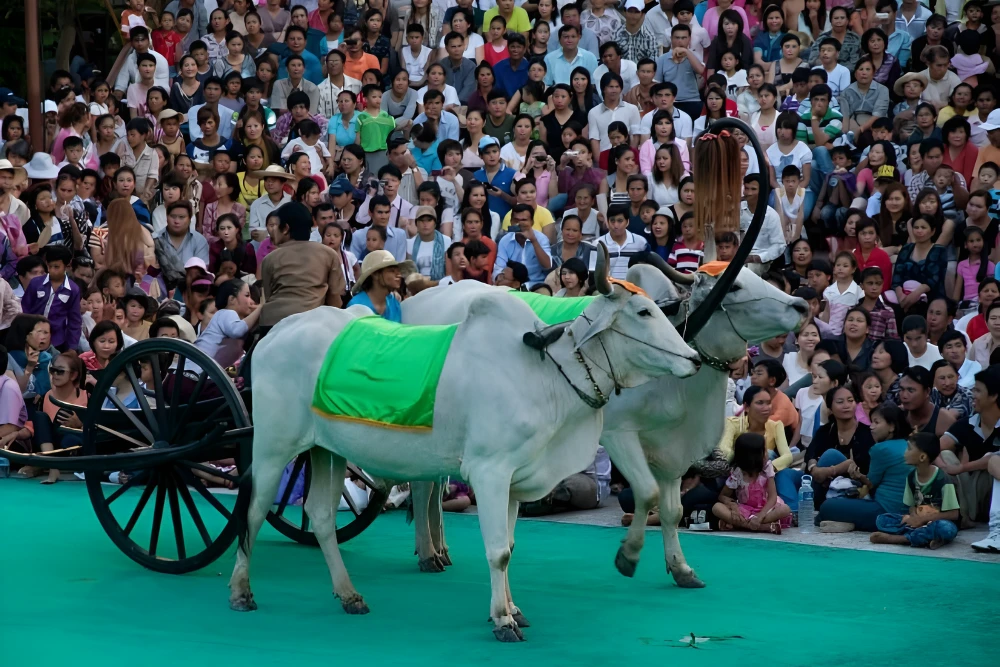
Participating in the Khmer New Year is a once-in-a-lifetime chance to see the soul of the country. If your trip coincides with these dates, the New Year in Cambodia promises a truly authentic and memorable cultural journey.
See more:




 TRAVELERS' CHOICE 2026