



Reel Cash Vault’s latest payout: 2.5M. Your turn is today! Start Spinning Here -> psee.io/8rh3d2
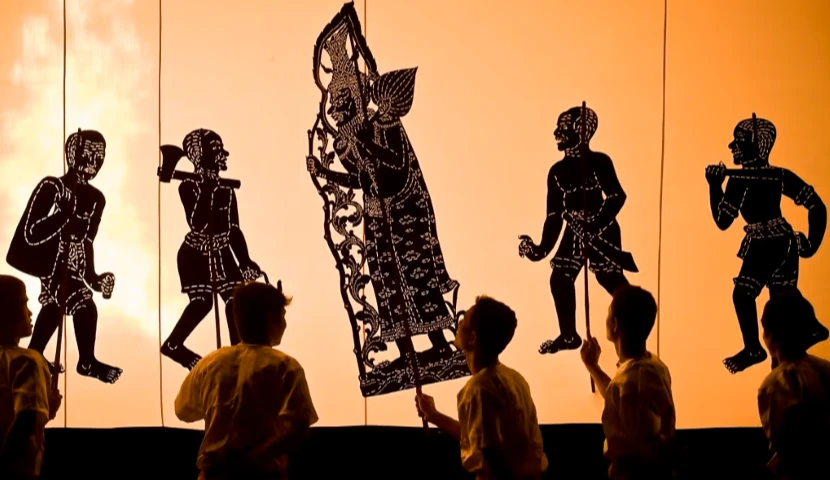
Plays of light and shadow, traditional Khmer music, and legendary tales… Sbek Thom, the famous Khmer shadow theatre, is one of the most fascinating art forms in Cambodia's cultural heritage. Inherited from the Angkorian era of the Khmer Empire, this ancestral spectacle blends Buddhist spirituality, traditional craftsmanship, and cultural transmission. Inscribed on the UNESCO Intangible Cultural Heritage list, this sacred art continues to bring Cambodia's great epics and cultural identity to life through poetic and impressive performances.
Appearing long before the Angkor period, Khmer shadow theatre, known as Sbek Thom in Cambodia, is a traditional art form based on a subtle play of light and shadow. This performance features large, meticulously hand-carved cowhide puppets representing mythological characters, deities, or heroes from Khmer legends.
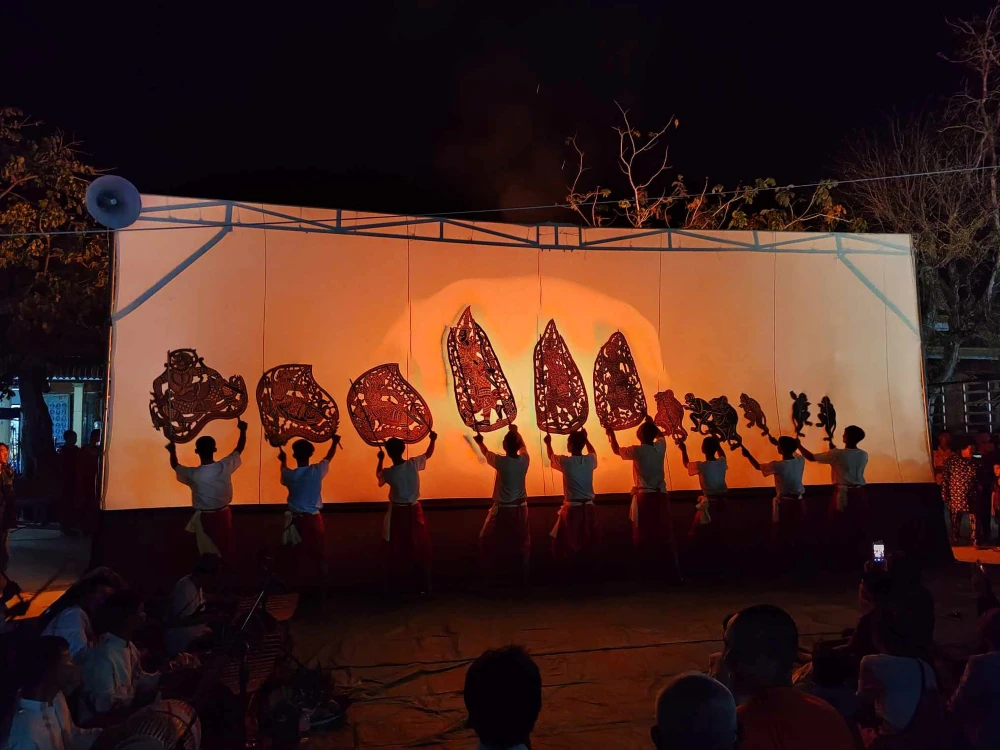
Projected onto a large white screen illuminated by a light source, these figures come to life through the movements of the artists, accompanied by traditional Khmer music, chants, and narrations. Sbek Thom was considered a sacred art, on par with the Royal Ballet of Cambodia or traditional masked dances. In the past, performances were dedicated to deities and were only held a few times a year during major occasions, such as the Khmer New Year, royal celebrations, or ceremonies honoring respected figures.
Sbek Thom traces its origins back to the ancient Khmer Empire, predating the Angkor era. Influenced by Hindu traditions and later by Buddhist spirituality, this sacred art was historically associated with religious ceremonies, spiritual rituals, and major festivals held in temples. The stories told during the shows often stem from the Reamker, the Khmer version of the Indian Ramayana—a grand mythological epic deeply rooted in the cultural heritage of Cambodia. For centuries, this ancestral art has been passed down from generation to generation by master artisans and traditional troupes, helping to preserve the Khmer cultural identity and the craftsmanship linked to shadow theatre.
Khmer shadow theatre mainly comprises two major forms: Sbek Thom, which focuses on the tales of the Reamker, and Sbek Touch, which uses smaller puppets to stage a variety of everyday stories. Another rarer form, called Sbek Por, stands out for its coloured leather puppets.
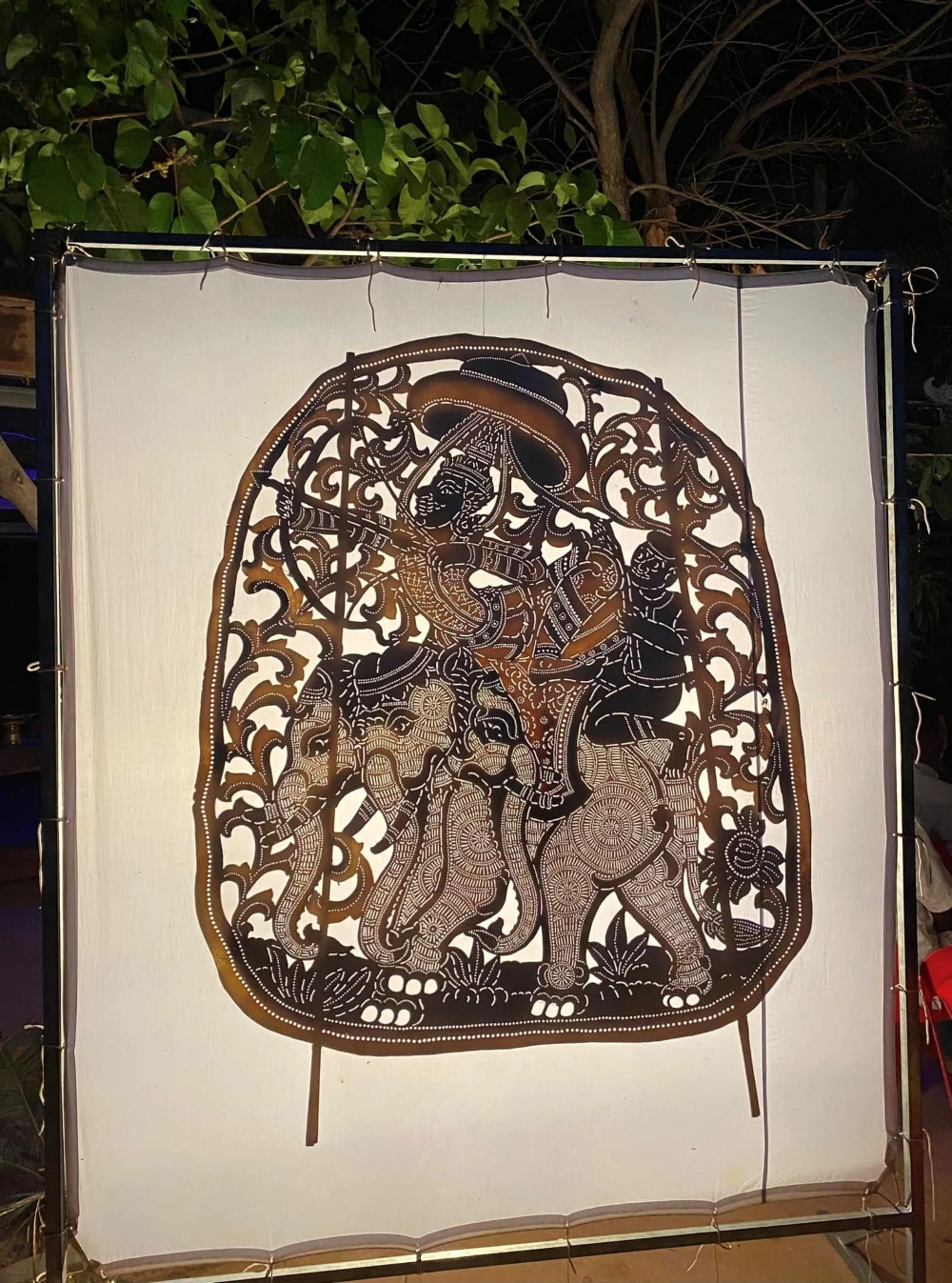
The silhouettes of Sbek Thom are crafted from a single piece of cowhide, meticulously worked by hand. Often large in size (1.5 to 2 metres), they depict complete scenes featuring characters, backdrops, and symbolic elements. Unlike Javanese shadow puppetry, traditional Cambodian puppets generally do not have joints, giving their movements a more stylised and ceremonial dimension.
This artisanal work requires genuine traditional expertise. Artisans first draw the patterns on treated leather before cutting, perforating, and sometimes painting it with great precision. The figures are then attached to bamboo poles, allowing the artists to manipulate them during performances.
Performances traditionally take place at night, outdoors, often near pagodas or rice fields. A large white screen is stretched between two bamboo poles in front of a light source—historically a bonfire, and today, spotlights. Thanks to the play of light and shadow, the silhouettes come to life through the precise movements of the puppeteers, accompanied by traditional Khmer music and narrated stories.
Inspired by the Reamker, these ancestral shows stage mythological episodes and sacred legends deeply tied to Buddhist spirituality and Cambodian cultural identity. Some performances can last several nights and require more than 150 puppets to tell the entire epic.
In Cambodia, Khmer shadow theatre is not merely a form of entertainment; it is a true symbol of the cultural and spiritual heritage of the Khmer people. For centuries, Sbek Thom has accompanied religious ceremonies, traditional festivals, and major community events. This sacred art was once considered an offering to the gods and played a vital role in spiritual practices related to Buddhism.
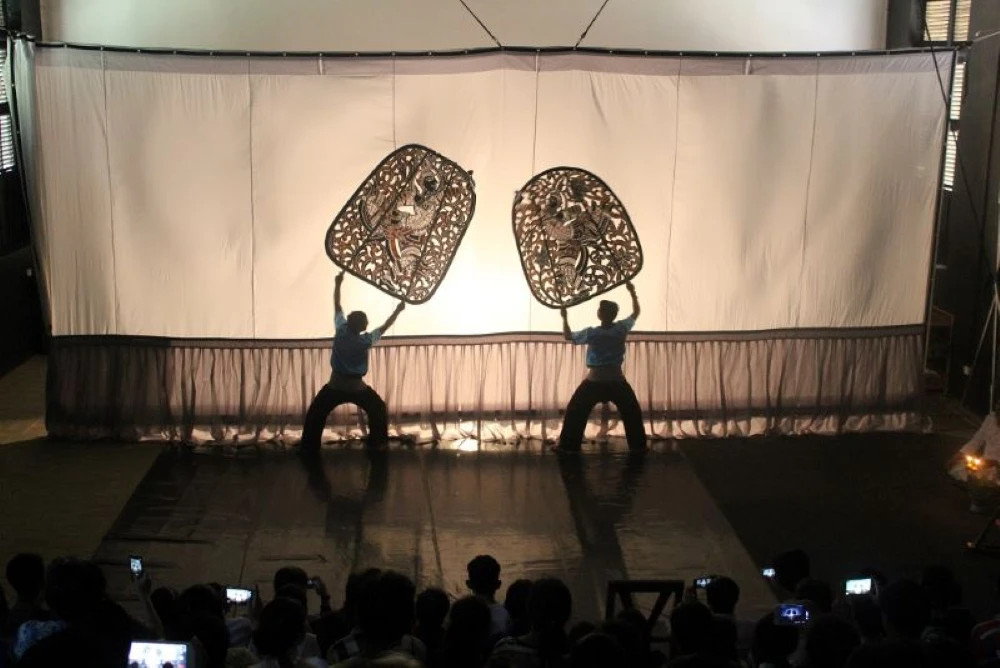
Through the stories of the Reamker and ancestral legends, the shadow theatre transmits moral values, beliefs, and a collective memory deeply rooted in Cambodian cultural identity. The heroic characters, the symbolic battles between good and evil, and the religious references help preserve the traditions and grand narratives of the Khmer world.
Sbek Thom also serves as a precious medium for intergenerational transmission. Leather carving techniques, traditional Khmer music, chants, and puppet movements are still taught today by master artisans and cultural troupes. Despite the challenges of modernisation, this ancestral art continues to embody the richness of Cambodia's cultural heritage and the Khmer people's deep attachment to their traditions.
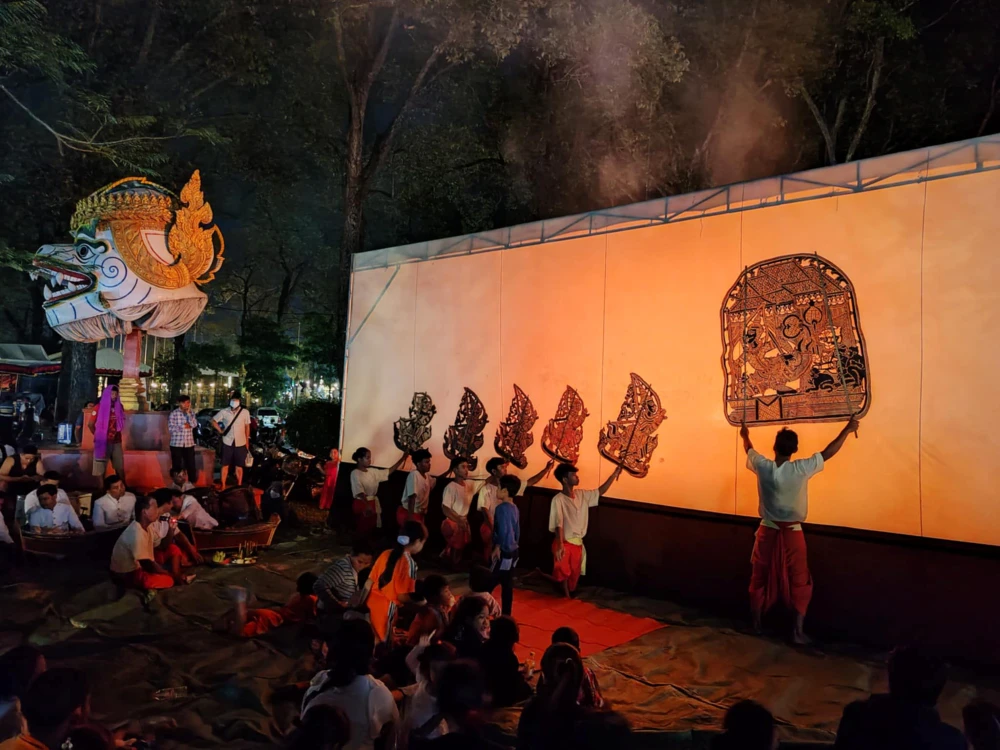
Khmer shadow theatre can be discovered in several regions of Cambodia, particularly in major cultural hubs like Phnom Penh and Siem Reap. These cities regularly host traditional shows showcasing Khmer cultural heritage and tales of the Reamker. In Siem Reap, close to the temples of Angkor Wat, several cultural centres and artistic troupes offer performances tailored for both locals and international travellers wishing to discover traditional Cambodian arts.
Top venues and ticket prices
Between traditional craftsmanship, spirituality, and captivating spectacles, Khmer shadow theatre remains one of Cambodia's most precious cultural treasures. Through its plays of light and shadow, Sbek Thom has continued to transmit the legends, beliefs, and identity of the Khmer people for centuries. Attending a performance not only allows you to discover a unique ancestral art but also offers a deeper understanding of the richness of Cambodia's cultural heritage.
>> Find out more:




 TRAVELERS' CHOICE 2026