





The proof: Every 10 minutes pays a jackpot. Try now! Spin to Win Here -> psee.io/8qtsv7
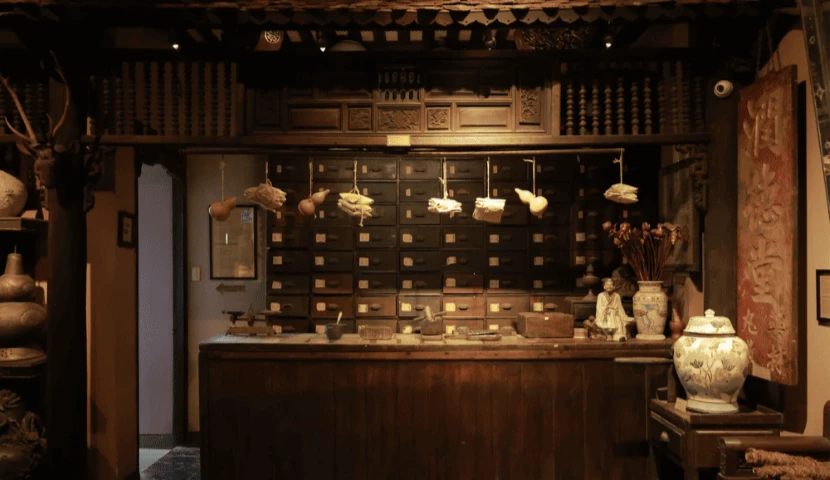
Amidst the modern landscape of Saigon, with its soaring skyscrapers, heavy traffic, and urban bustle, few travellers expect to discover a tranquil haven where time seems to stand still to honour ancient medical wisdom. This is the FITO Museum, also known as the Museum of Traditional Vietnamese Medicine, a true cultural treasure in the heart of Ho Chi Minh City. If you are seeking a destination that offers more than just a standard sightseeing tour—an immersive experience into the Vietnamese heritage and the roots of local culture—the FITO Museum absolutely deserves your attention.
Saigon is famous for its vibrant energy: the roar of motorbikes, bustling markets, streets in perpetual motion, and the intense rhythm of urban life. Yet, the moment you step into the FITO Museum, that agitation seems to fade away.
The FITO Museum in Saigon appears as a sanctuary outside of time, a place where the pace slows down to invite contemplation, serenity, and the discovery of traditional Vietnamese medicine. FITO is among the first private museums in Vietnam. Its creation was not driven by commercial objectives, but by a profound cultural mission: to preserve, protect, and pass on the legacy of Vietnamese - Eastern medicine.
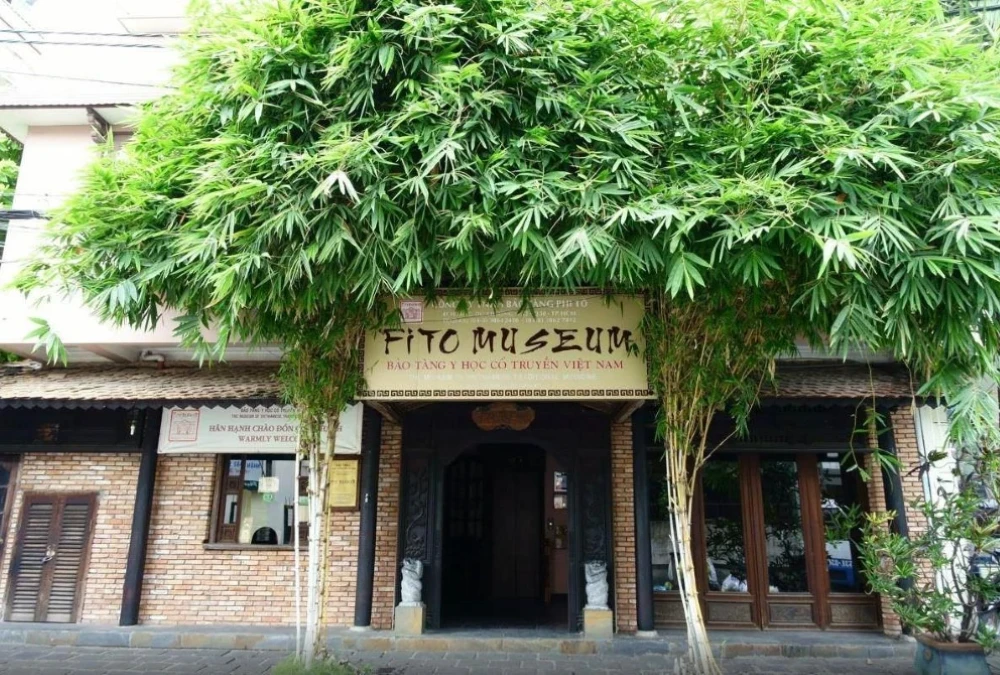
At a time when modern medicine dominates daily life, the existence of a space dedicated to Vietnamese pharmacopoeia, medicinal plants, natural remedies, and ancient instruments represents exceptional heritage value. However, what makes a visit to the FITO Museum truly special is not just observing the exhibits. It is, above all, the feeling of well-being and inner harmony one experiences from the very first moments.
True to the philosophy of traditional Eastern medicine—founded on the balance between body, mind, and soul—the museum has been designed to offer an almost therapeutic experience. The subtle scent of medicinal herbs in the air, the warm, golden light of ancient wood, and the silent atmosphere create a form of healing that is invisible yet deeply soothing.
Visiting the Museum of Traditional Vietnamese Medicine in Ho Chi Minh City is, therefore, not just about exploring a museum; it is about living a truly sensory and cultural experience.
Practical information for your visit to FITO museum:
Construction of the FITO Museum began in 2003, and it was officially inaugurated in 2007. The birth of this exceptional site is closely linked to the name of Mr. Le Khac Tam, a visionary deeply committed to the preservation of traditional Vietnamese medicine. To him, Vietnamese - Eastern medicine was not merely a treatment method but the very soul of Vietnamese culture—the result of thousands of years of ancestral knowledge passed down from generation to generation.
According to his vision, traditional medicine is not limited to natural remedies or medicinal plants; it embodies a philosophy of life, a balance between man and nature, and between body and spirit. For several decades, he travelled throughout Vietnam to collect thousands of objects related to Vietnamese pharmacopoeia: ancient tools for preparing remedies, medicinal teapots, stone mortars, traditional scales, diagnostic instruments, and precious ancient manuscripts written in Hán and Nôm characters.
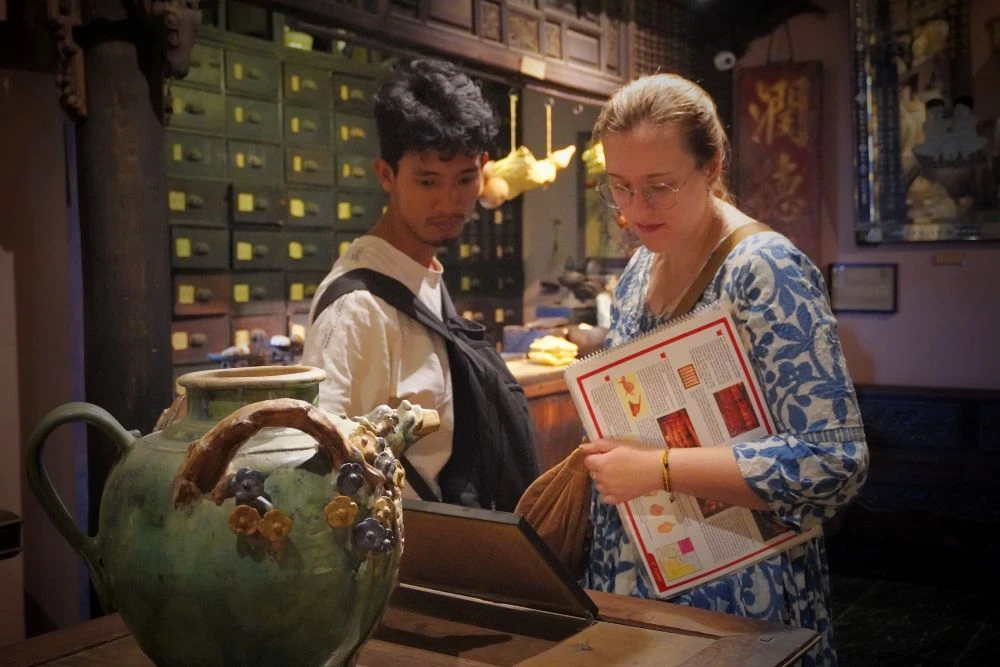
A visitor shared: “This is the first time I have seen traditional medical instruments and herbs with my own eyes that I had previously only heard of. This museum is truly one of a kind.”
These treasures have been brought together to create a true "house of memory," a place where the history of ancestral Vietnamese medicine can be preserved and transmitted to future generations.
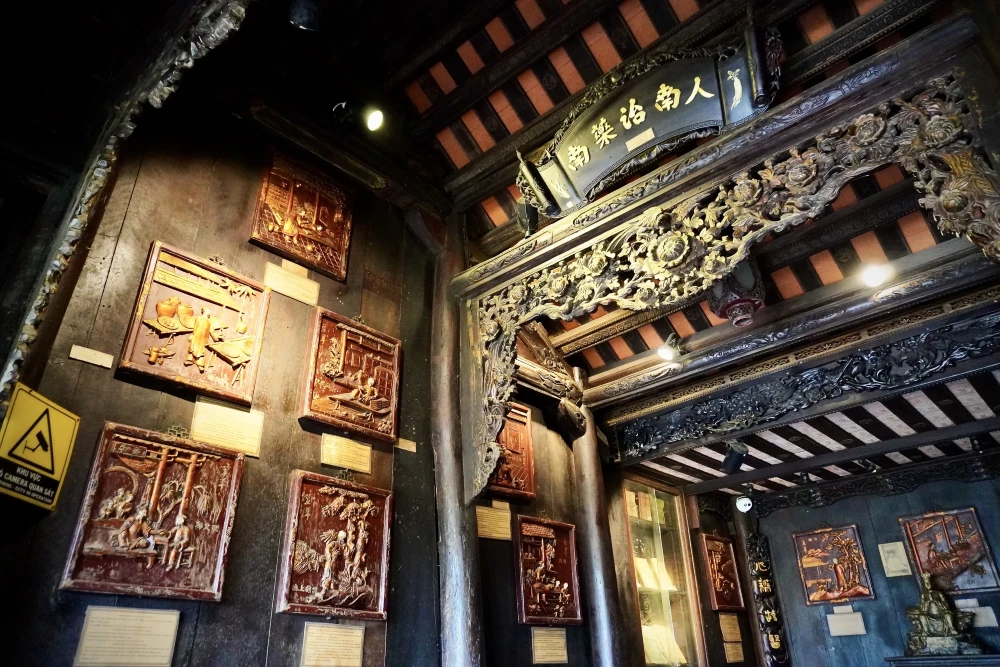
What immediately impresses visitors to the FITO Museum in Ho Chi Minh City is its exceptional architecture. Despite being located in the centre of Saigon, the museum evokes the atmosphere of ancient wooden houses from Northern Vietnam, offering a striking contrast to the surrounding modern buildings. The museum spans 6 floors and includes 18 exhibition rooms, dedicated to Vietnamese cultural heritage and traditional Asian medicine. The interior is built entirely from precious woods such as jackfruit wood, lim wood, and other noble species traditionally used in Vietnamese architecture. Columns, beams, staircases, and decorative panels are meticulously hand-carved by talented artisans, reflecting exceptional craftsmanship and artistic richness.
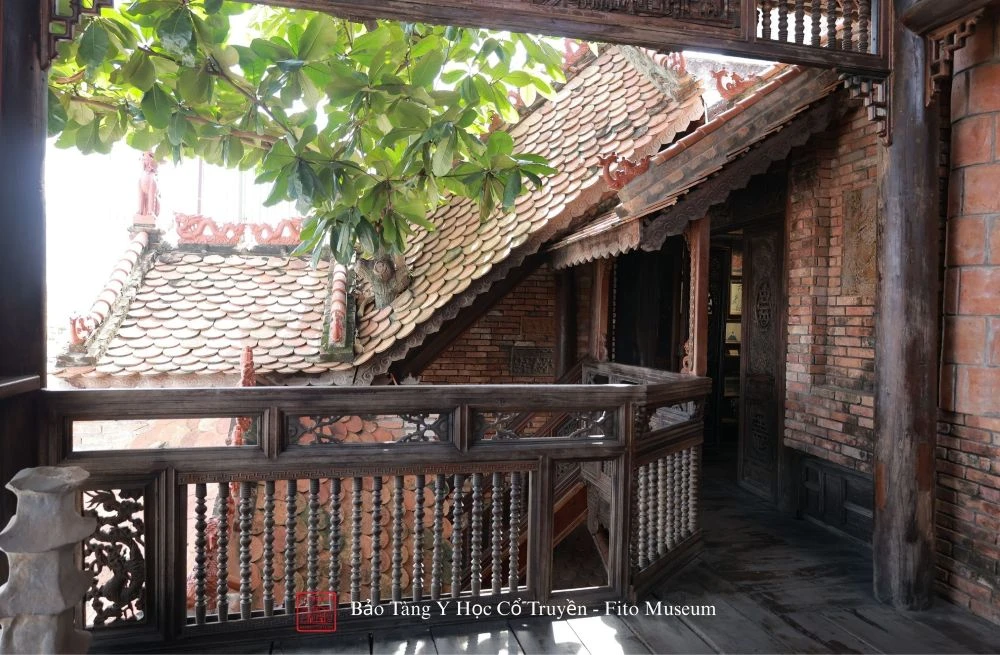
A particularly fascinating detail is that some ancient doors, columns, and architectural elements were transported directly from Northern Vietnam. This helps recreate an authentic space where visitors truly feel as though they have travelled back in time.
The museum’s architecture is not limited to a single regional influence. One can also find touches of Hue’s imperial architecture as well as inspirations from Cham art, creating a harmonious, refined, and deeply symbolic whole. This architecture is not just aesthetic; it perfectly reflects the healing philosophy of traditional Vietnamese medicine, founded on balance, nature, and harmony.
A typical visit to the FITO Museum in Saigon usually begins on the ground floor before moving progressively to the upper levels. This layout has been designed as a journey of discovery, moving from the historical origins of traditional Vietnamese medicine to its concrete applications in daily life.
The starting point for this cultural immersion is a small screening room, where visitors can watch a short documentary available in several languages. This film offers a visual narrative tracing the birth and development of traditional Vietnamese medicine, from the era of the Hung Kings, through periods of Chinese influence, to its peak under the Le and Nguyen dynasties.
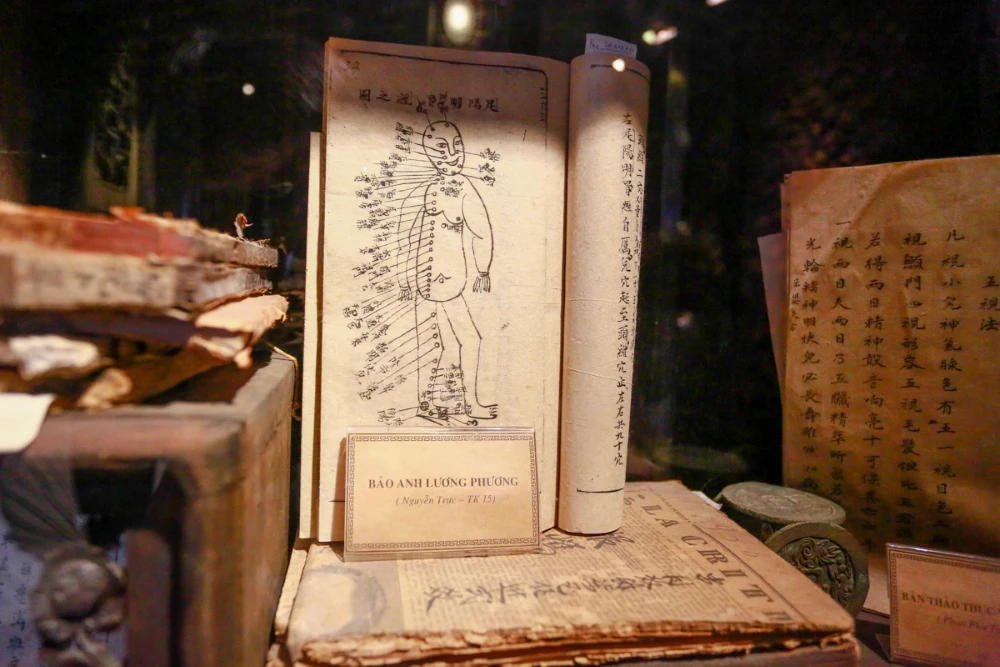
For history and research enthusiasts, the FITO Museum also holds a massive documentary treasure: nearly 100,000 pages of ancient manuscripts in Han and Nom characters. These original, extremely rare documents serve as an exceptional heritage resource for understanding the medical history of Vietnam.
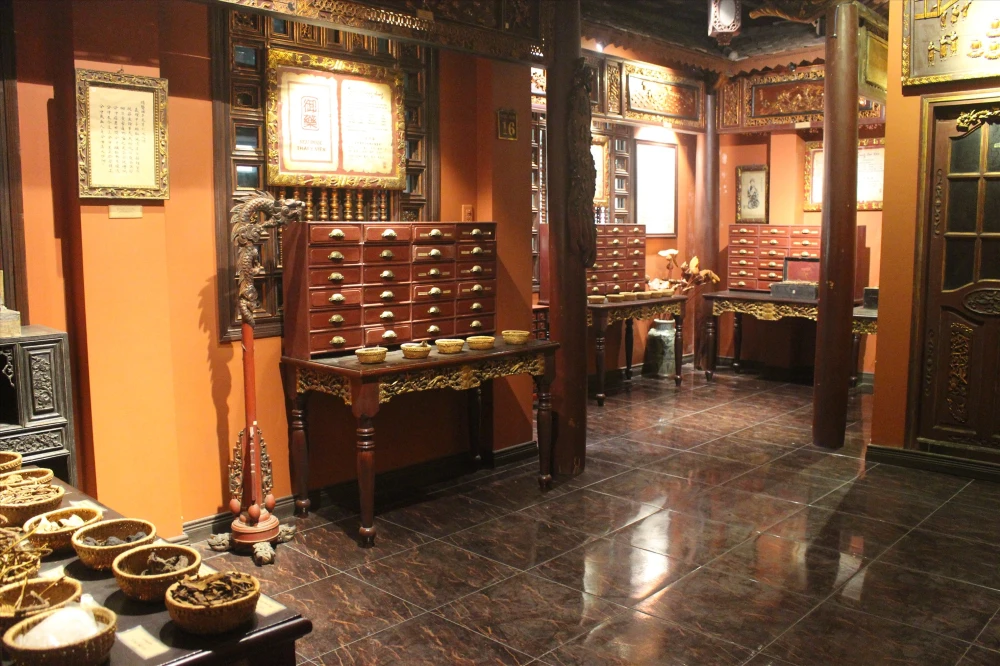
The Royal Institute of Medicine, was once the body responsible for the health of the King and the imperial family in ancient Vietnam. At the FITO Museum, part of this prestigious space has been reconstructed with remarkable care. Visitors can discover solemn, richly decorated altars, finely carved antique furniture, lacquered and gilded panels, portraits of famous imperial physicians, and medical objects used at the court.
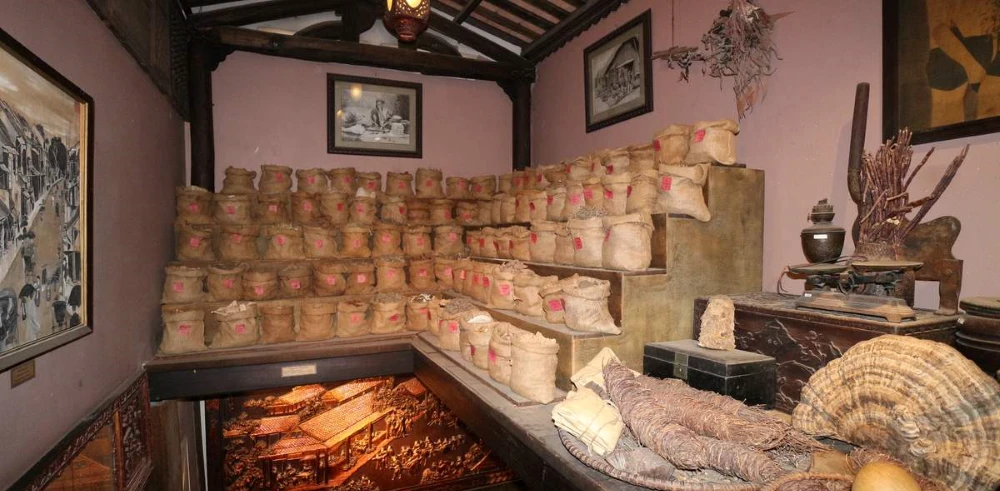
This gallery places Vietnam in a cultural dialogue with other great Asian medical traditions, such as those of China, Korea, and Japan. Through ancient documents and artefacts, the gallery highlights similarities—such as the fundamental principle of the balance between Yin and Yang—while also underlining the specificities of Vietnam: the importance of folk remedies, the use of local medicinal plants, and empirical experience passed down through generations in rural communities.
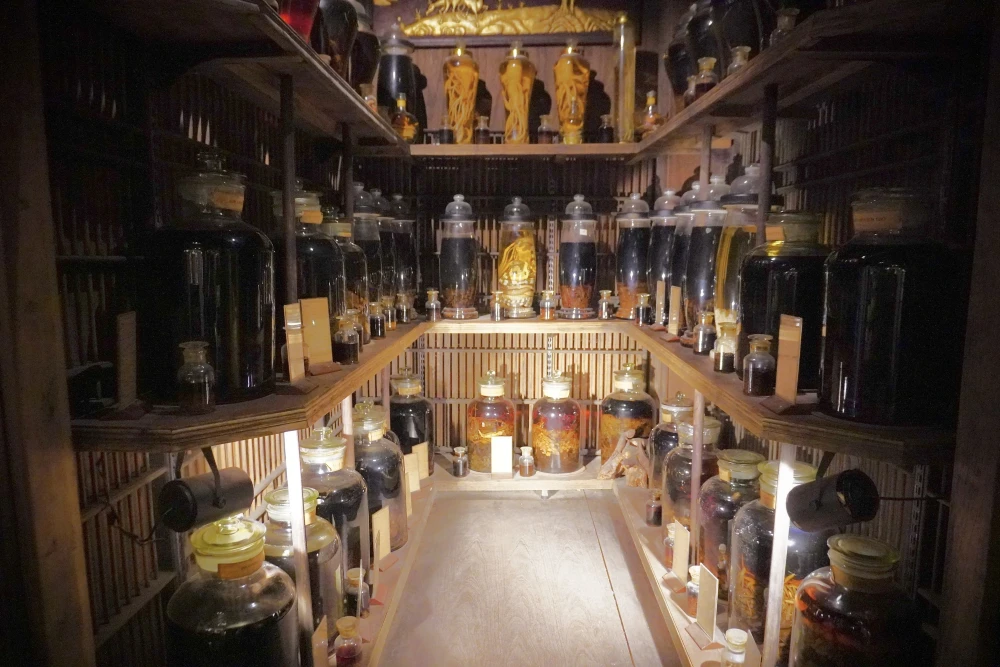
Medicinal alcohol has long been part of traditional care practices in Vietnam. At the FITO Museum, the gallery dedicated to medicinal alcohols and therapeutic herbs is arranged with great finesse. Visitors discover hundreds of bottles containing various preparations: medicinal roots, ginseng, rare herbs, dried plants, and animal-based preparations. Each bottle tells a specific story about ingredient combinations and the traditional beliefs associated with natural care.
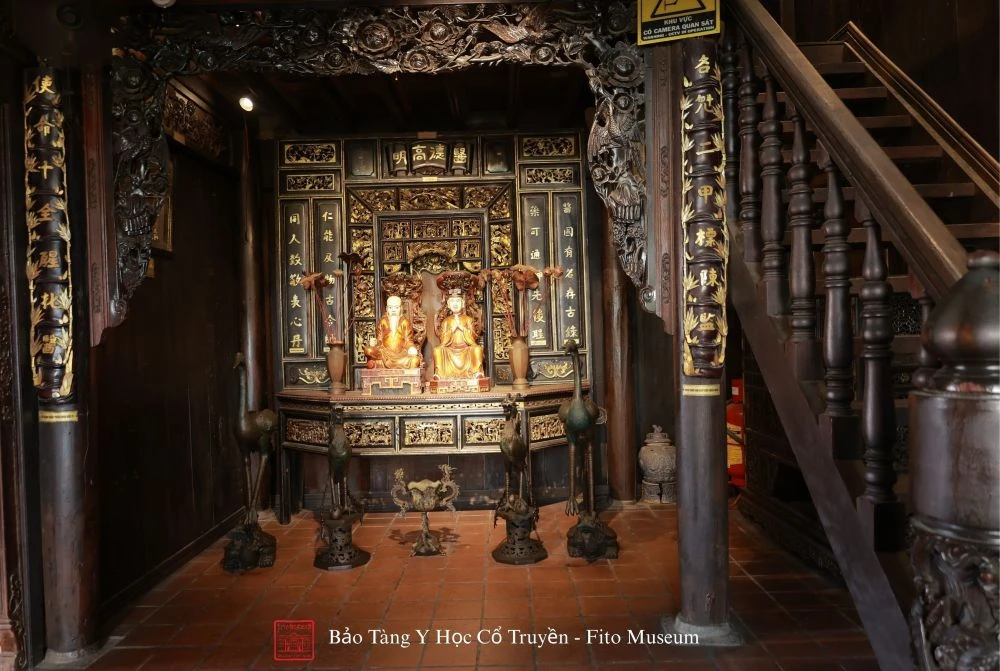
In the most solemn part of the FITO Museum, visitors discover the Y Mieu, a sacred space dedicated to the worship of the great masters of traditional Vietnamese medicine. This altar pays tribute to two iconic figures: Tue Tinh, often considered the father of Vietnamese pharmacopoeia, and Le Huu Trac (also known as Hai Thuong Lan Ong), a famous physician and scholar who profoundly marked the history of Eastern medicine in Vietnam.
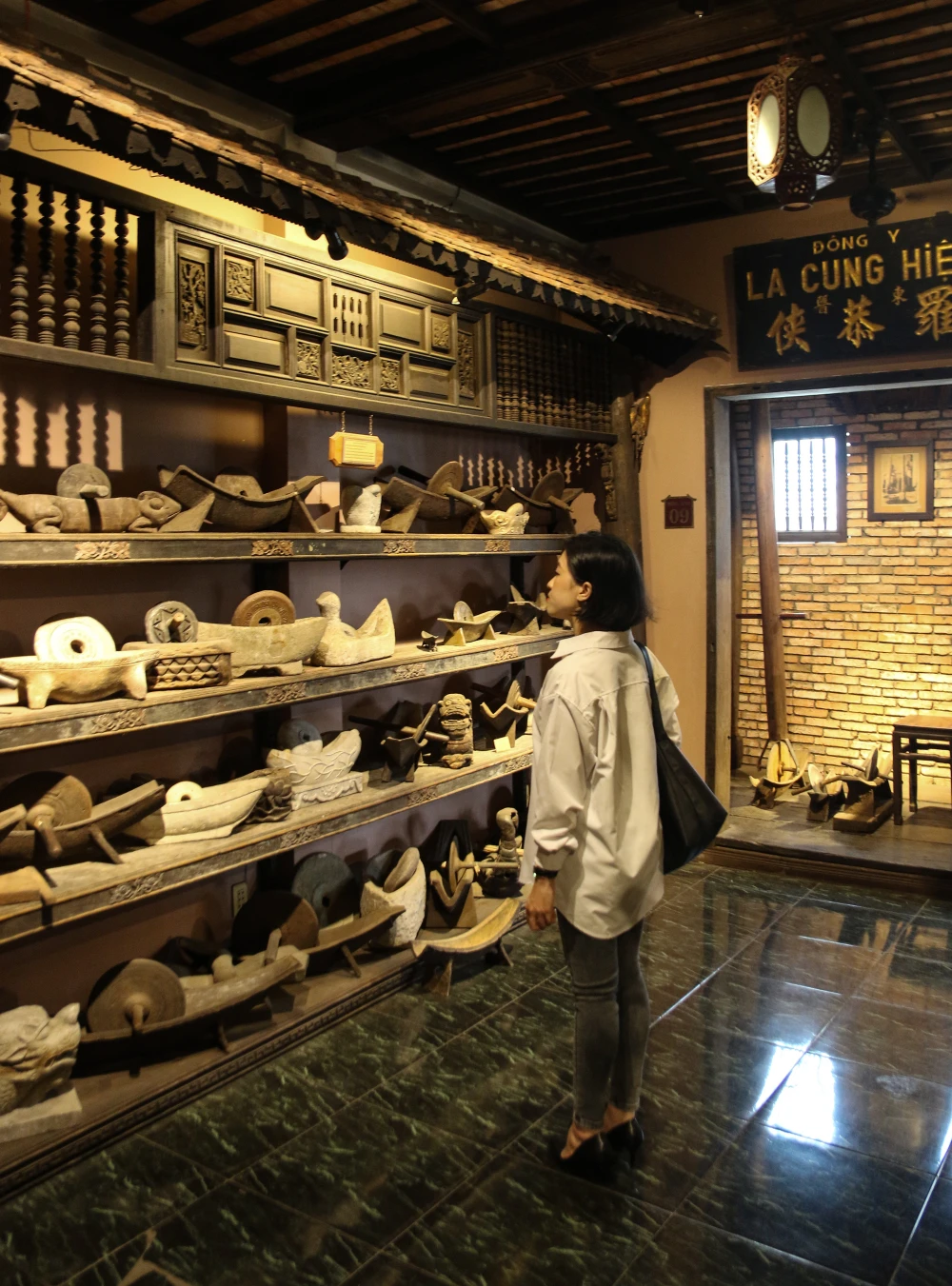
On the lower floors, the museum offers a fascinating look at the process of manufacturing traditional remedies through a vast collection of ancient tools. Visitors can observe:
Ancient weighing systems, ranging from precise scales for gold and silver to those specifically designed for medicinal herbs.
Traditional knives, mortars, and pestles made of iron or wood used to cut and grind plants.
A remarkable collection of ceramic pots intended for storing medicines, decorated with refined patterns.
Reaching the FITO Museum from Ho Chi Minh City centre is simple and convenient.
More than just a museum, the FITO Museum has preserved the very essence of traditional Vietnamese medicine and the deep values of national culture for generations. Taking the time to visit this place during your stay in Saigon allows you to experience much more than a simple tourist discovery; it is an immersion into the history, memory, and cultural roots of Vietnam.
See more:





 TRAVELERS' CHOICE 2026