
Earlier I thought differently, many thanks for the information.
__________
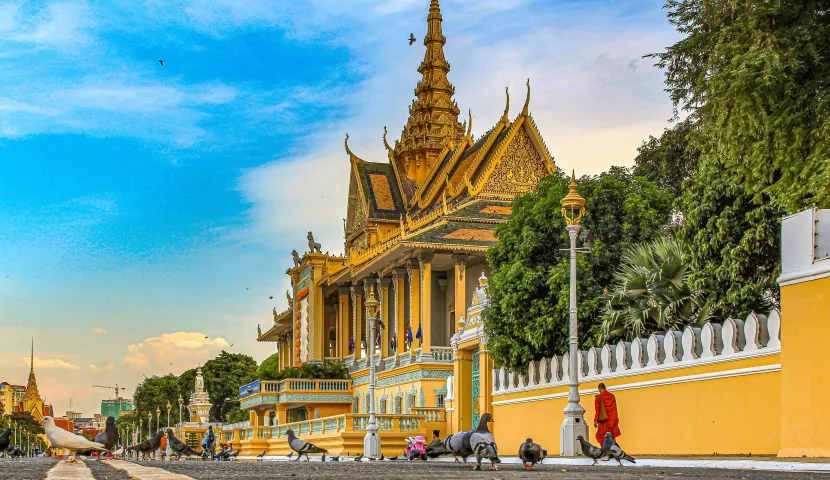
As a vibrant gateway to Southeast Asia, Phnom Penh stands as a testament to Cambodia's incredible resilience and cultural depth. Nestled at the confluence of the Mekong and Tonle Sap rivers, this bustling capital offers a unique blend of French colonial charm, glittering royal architecture, and a poignant modern history. Whether you are seeking an authentic cultural immersion, world-class street food, or a deep dive into the kingdom's heritage, a Phnom Penh city tour is an essential chapter of any Cambodian holiday.
For the most comfortable experience, the best time to visit Phnom Penh is during the dry season, specifically from November to March. During these months, the weather is pleasantly cool with low humidity, making it ideal for exploring outdoor monuments and bustling markets. December and January are particularly popular with travellers looking for a winter sun escape.
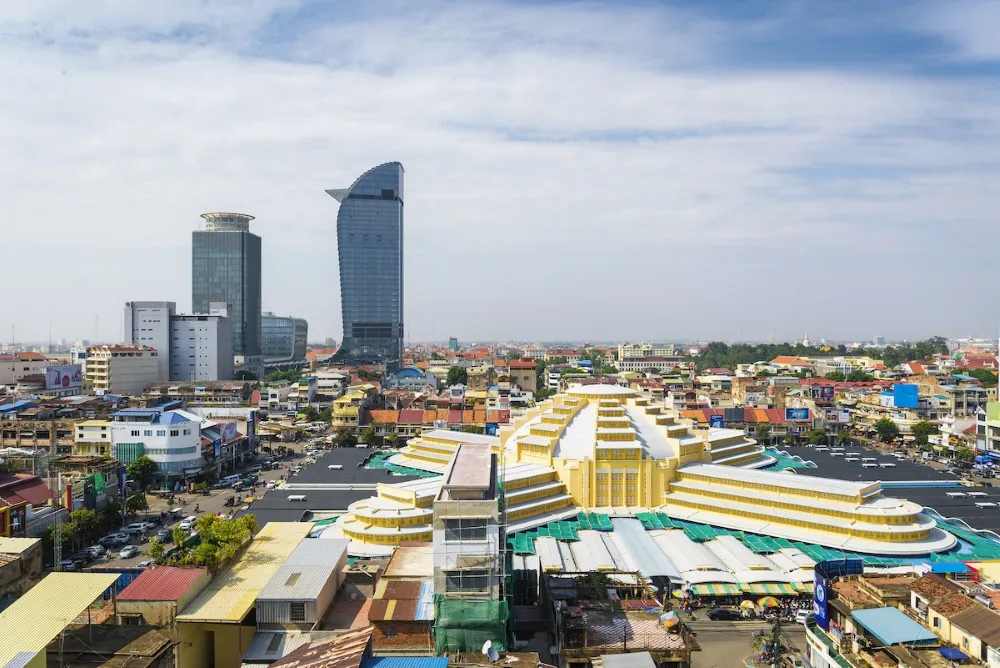
Alternatively, the wet season (May to October) transforms the landscape into a lush green paradise. While tropical downpours are frequent, they are often short-lived, and you will enjoy fewer crowds and better value on accommodation.
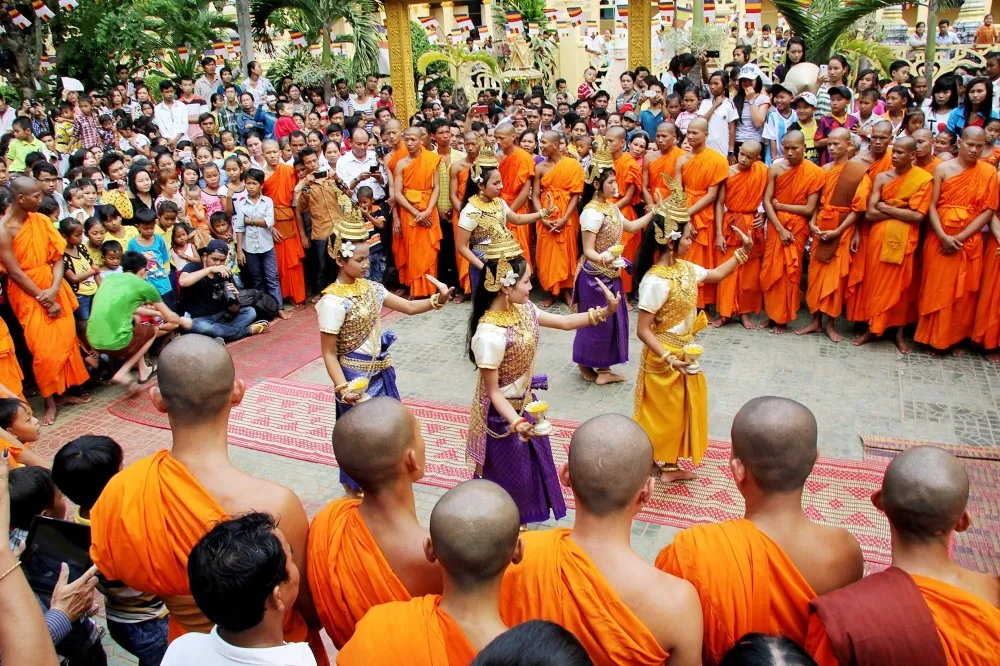
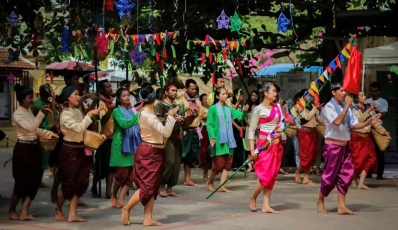
April hosts Chol Chnam Thmay (Khmer New Year). It is a fantastic time to witness traditional festivities, though do note that the city becomes very busy and travel costs typically rise.

The Royal Palace of Phnom Penh, with its classic Khmer gables and gilded roofs, is the city’s crowning jewel. Serving as the official residence of King Norodom Sihamoni, this sprawling complex mirrors the grandeur of the Grand Palace in Bangkok.
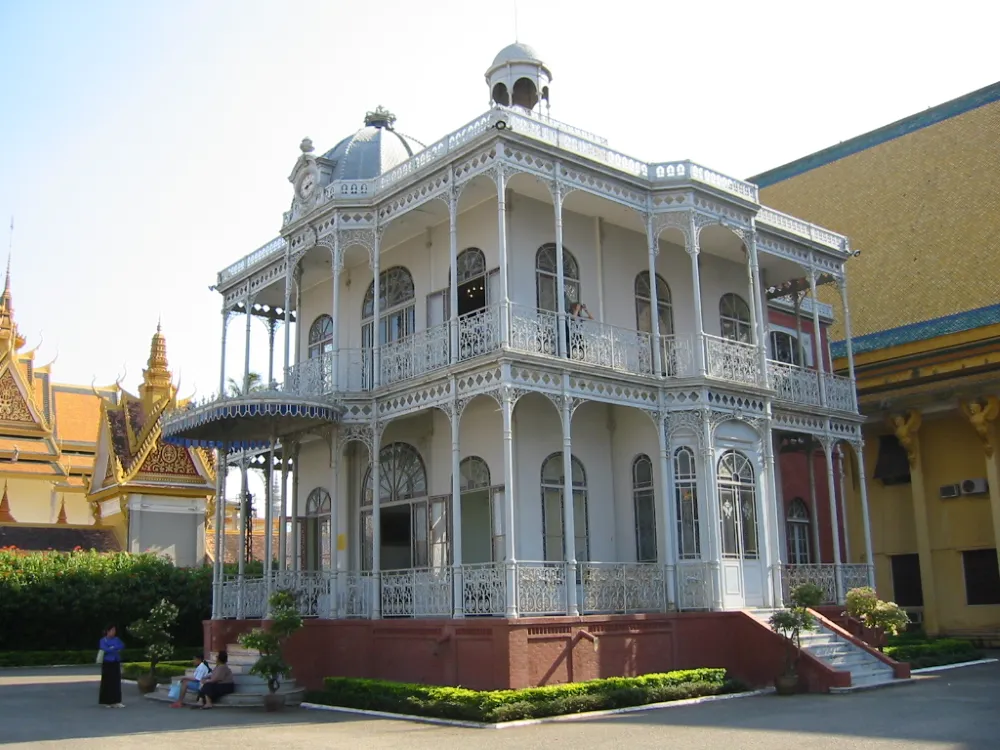
Must-see spots include the Throne Hall, topped by a 59-metre spire inspired by Bayon, and the Napoleon III Pavilion, an unusual iron structure gifted by France in 1869.
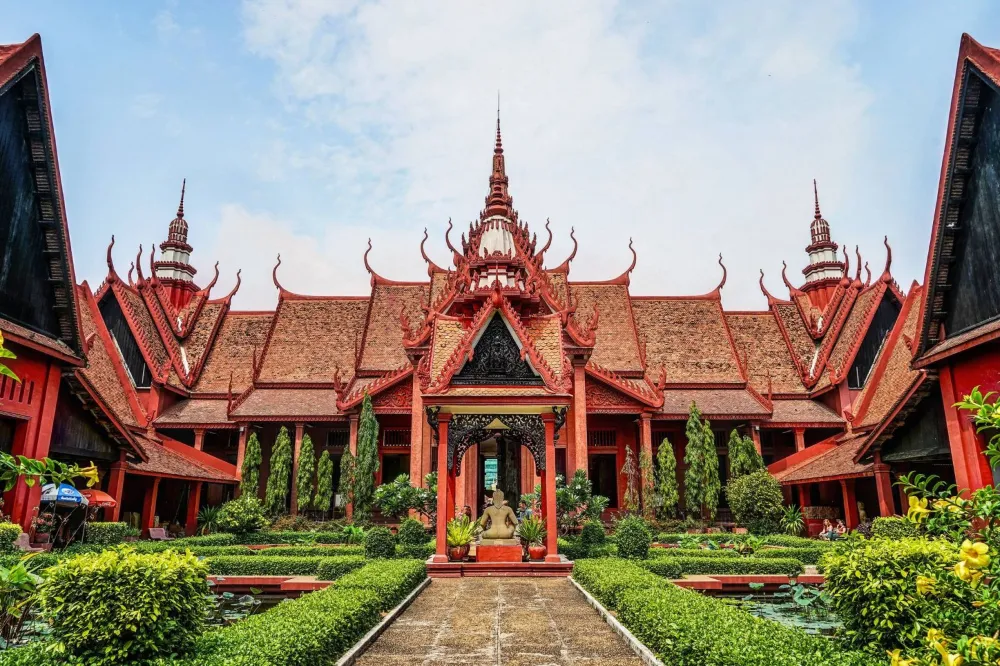
Located just north of the palace, the National Museum is home to the world’s finest collection of Khmer sculpture. Housed in a stunning terracotta building, the galleries showcase over a thousand years of history, including iconic statues of Vishnu and the famous Jayavarman VII. The peaceful courtyard is the perfect spot for a quiet moment away from the city's hum.
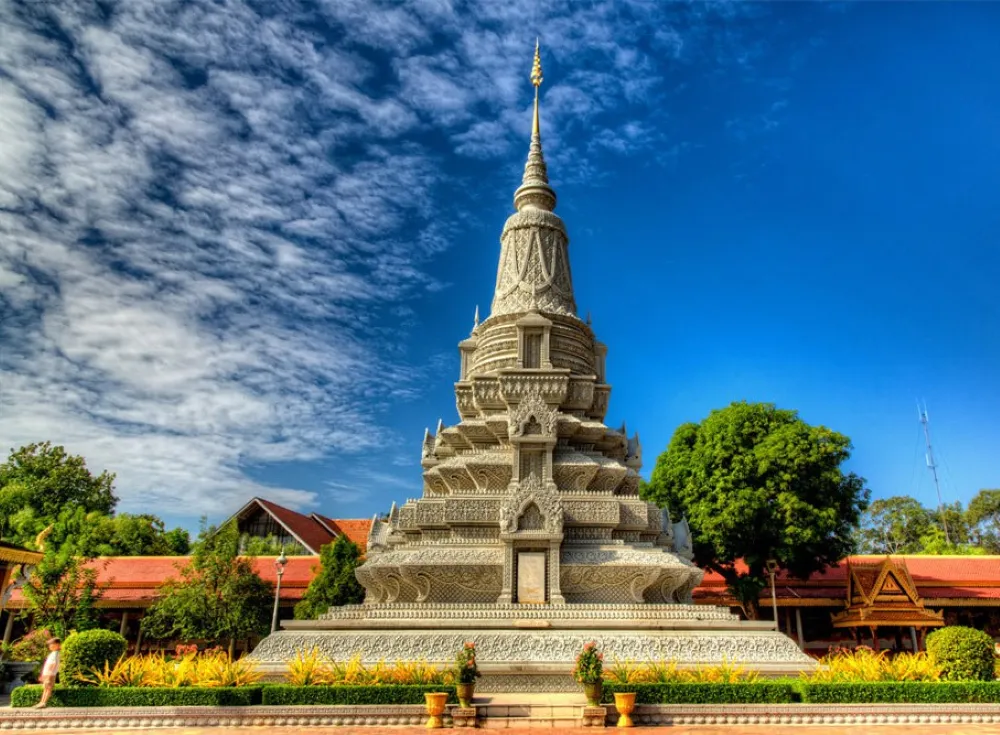
Situated within the Royal Palace grounds, the Silver Pagoda earns its name from its floor, which is tiled with five tonnes of shimmering silver. Inside, you will find Cambodia's most sacred treasures, including the Emerald Buddha and a life-sized solid gold Buddha encrusted with over 2,000 diamonds.

Wat Phnom is one of the most iconic landmarks in the city, perched 27 metres high on the only natural hill in the capital. According to legend, the temple was founded in 1372 to house four Buddha statues discovered in the Mekong River by a woman named Penh. It is from this story that the capital derives its name, literally meaning "Penh’s Hill".
Access to Wat Phnom is via a grand staircase on the eastern side of the hill, guarded by statues of lions and nagas (mythical serpent-like creatures). The vihara, or main sanctuary, has been rebuilt several times, notably in 1434, 1806, 1894, and 1926. To the west of the vihara stands a large stupa containing the ashes of King Ponhea Yat, the last ruler of the Khmer Empire.
In a pavilion within the southern corridor, between the vihara and the royal stupa, sits the statue of Madame Penh, recognisable by her benevolent smile. To the north, below the vihara, lies a syncretic shrine dedicated to Preah Chau, Confucius, and the scholars Tang Cheng and Tang Thay.
Today, Wat Phnom is a popular place of pilgrimage where visitors come to pray for good luck, success in exams, or professional prosperity. When wishes are granted, it is customary to return and offer symbolic gifts, such as a jasmine garland or a bunch of bananas.
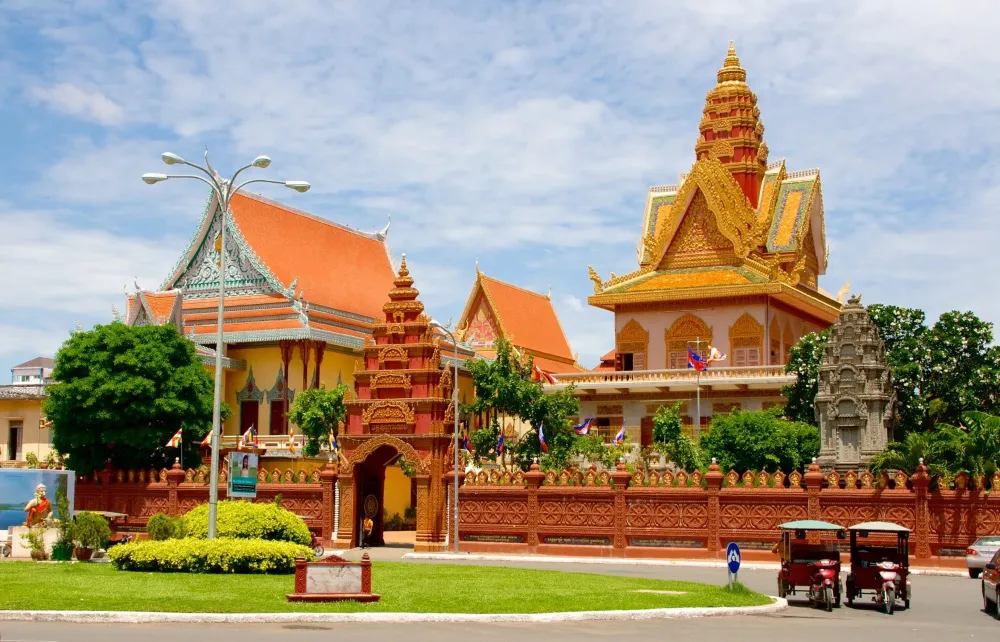
As the seat of Cambodian Buddhism, Wat Ounalom is a vital spiritual hub. Exploring this temple immerses travellers in a solemn and peaceful atmosphere within a vast complex comprising no fewer than 44 unique architectural structures. Wat Ounalom is not only home to refined artistic works but also serves as the residence of the Supreme Patriarch of Cambodian Buddhism and numerous monks.
On the second floor of the main building stands the statue of Huot Tat, one of the four great patriarchs of Buddhism in Cambodia. This statue is regarded as a powerful symbol of survival and rebirth following the dark era of the Khmer Rouge regime. Upon ascending to the third floor, visitors will discover a small Buddha statue originating from Burma, as well as a remarkable panoramic view of the Mekong River.
Behind the main sanctuary stands a sacred stupa containing a hair from the Buddha's eyebrow, accompanied by Pali inscriptions engraved on the entrance portal, which enhance the site's profound spiritual character. Having experienced a remarkable renaissance after decades of hardship, Wat Ounalom is today a singular destination for travellers wishing to better understand the spirituality and history of Cambodian Buddhism.
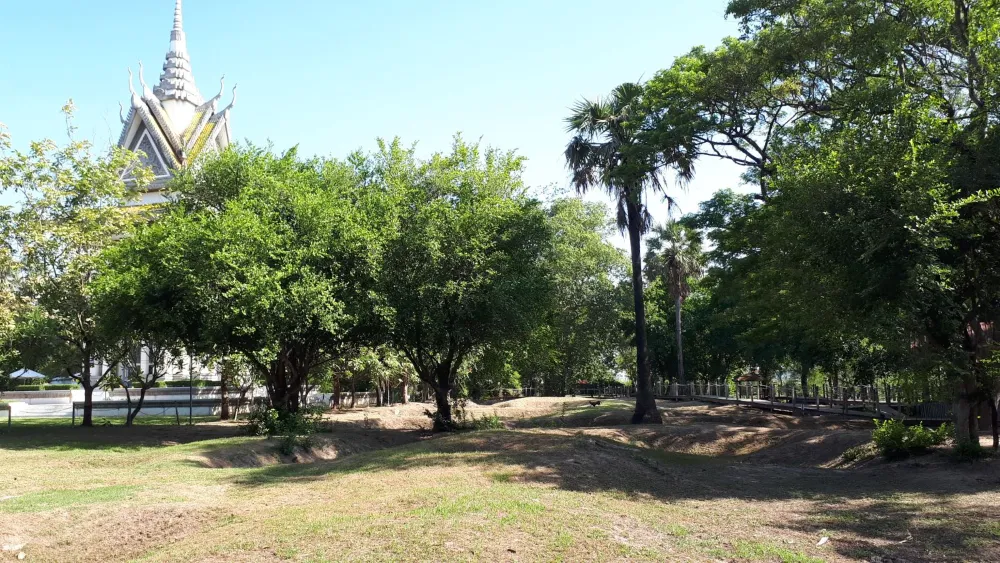
A sombre but essential visit, Choeung Ek is located 15km outside the centre. This former orchard served as a mass grave site during the Khmer Rouge regime. Today, a memorial stupa housing thousands of skulls stands as a powerful tribute to the victims. We recommend taking a tuk-tuk and using the excellent audio guide to fully grasp the site's significance.
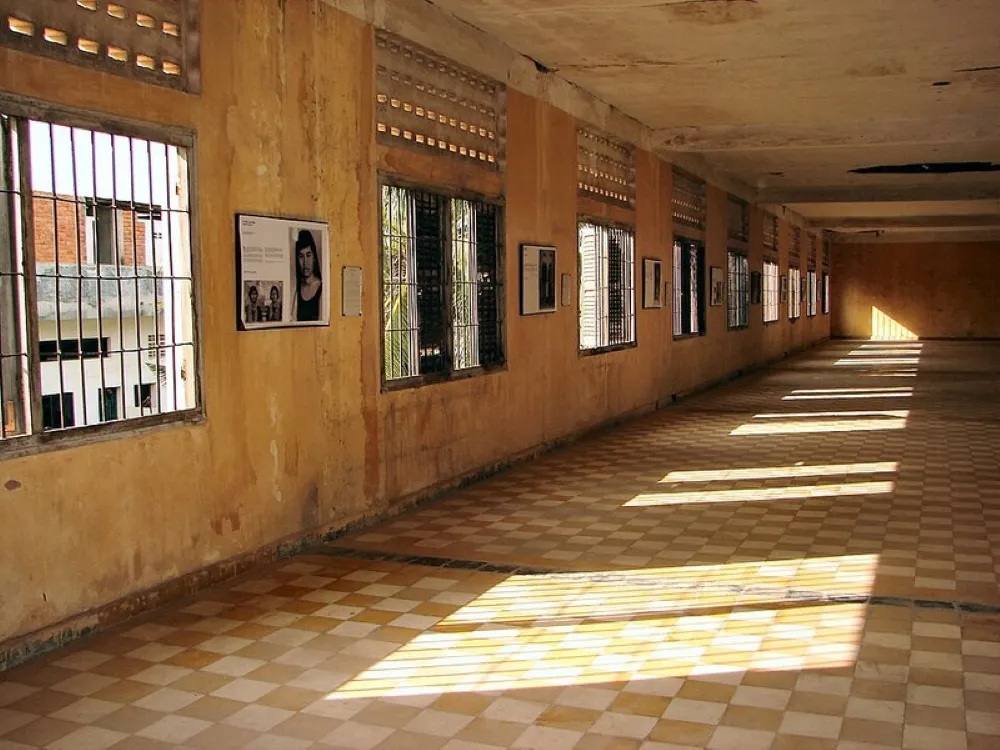
The Tuol Sleng Genocide Museum, formerly the Tuol Svay Prey High School, is a chilling testament to the crimes committed by the Khmer Rouge. In 1975, the establishment was requisitioned by Pol Pot's security police and transformed into the S-21 high-security prison, becoming the country’s primary centre for detention and torture.
Up to 20,000 prisoners, both Cambodians and foreigners, were held there. Every detainee was systematically photographed before and after interrogations, assigned an identification number. Today, visitors can hire a guide or use an audio guide to better understand the tragic stories hidden behind these black-and-white photographs.
When visiting Tuol Sleng, one feels the full horror of a dark era concealed behind a seemingly ordinary setting: school buildings and a leafy courtyard, contrasting with rusted metal beds, instruments of torture, and a multitude of deeply moving photographs. For these reasons, the Tuol Sleng Museum is not suitable for sensitive individuals. It is recommended to think carefully before visiting this site, as well as the Choeung Ek Killing Fields.
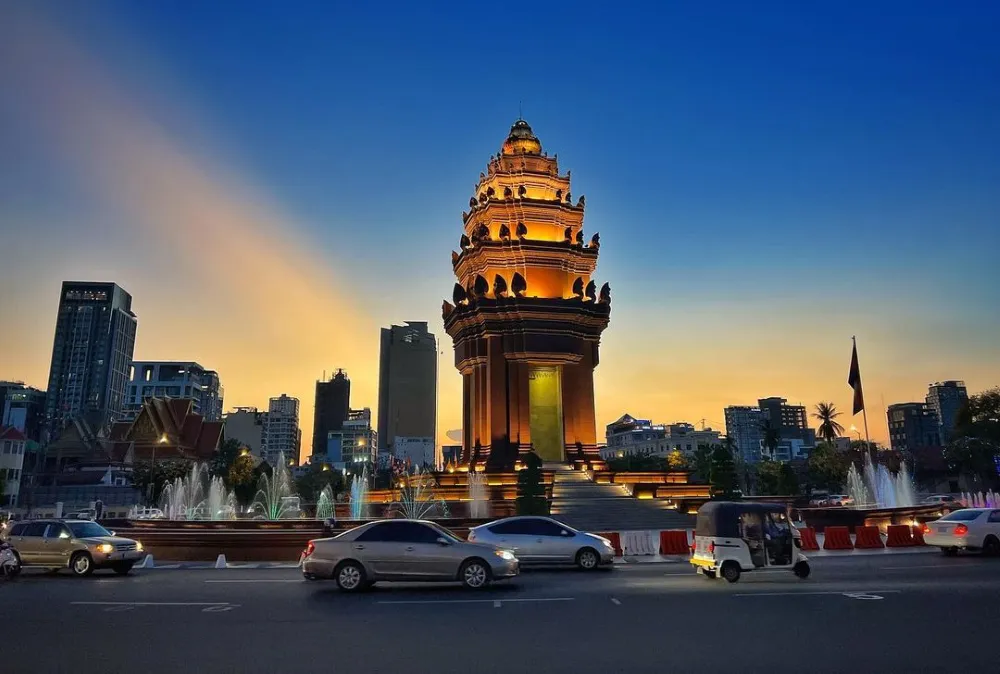
Standing tall at the heart of the city, the Independence Monument was built in 1958 to celebrate Cambodia's liberation from French rule. Its lotus-shaped design is a modern take on Angkor Wat architecture. At night, the monument is beautifully lit up, and the surrounding park is a popular spot for locals to exercise and socialise.
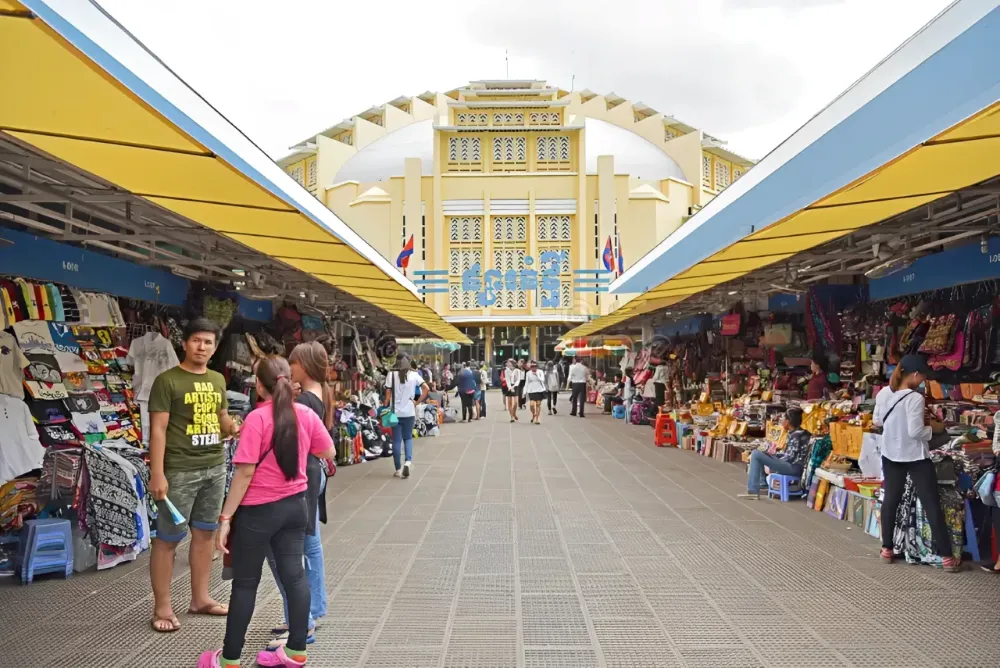
Phsar Thmei, also known as the Central Market, is one of the most remarkable buildings in Phnom Penh. Built in an Art Deco style, the market is often compared to a Tower of Babel and ranks among the ten largest domes in the world. Its ingenious design allows for excellent ventilation, ensuring a bright and relatively cool interior, even on the hottest days.
Recently renovated with the support of the French government, the market has maintained an almost brand-new appearance. Organised around four main wings corresponding to different commercial zones, Phsar Thmei offers a wide variety of products: jewellery, watches, clothing, accessories, and many other items. It is also an ideal place to buy souvenirs and sample delicious Cambodian street food.
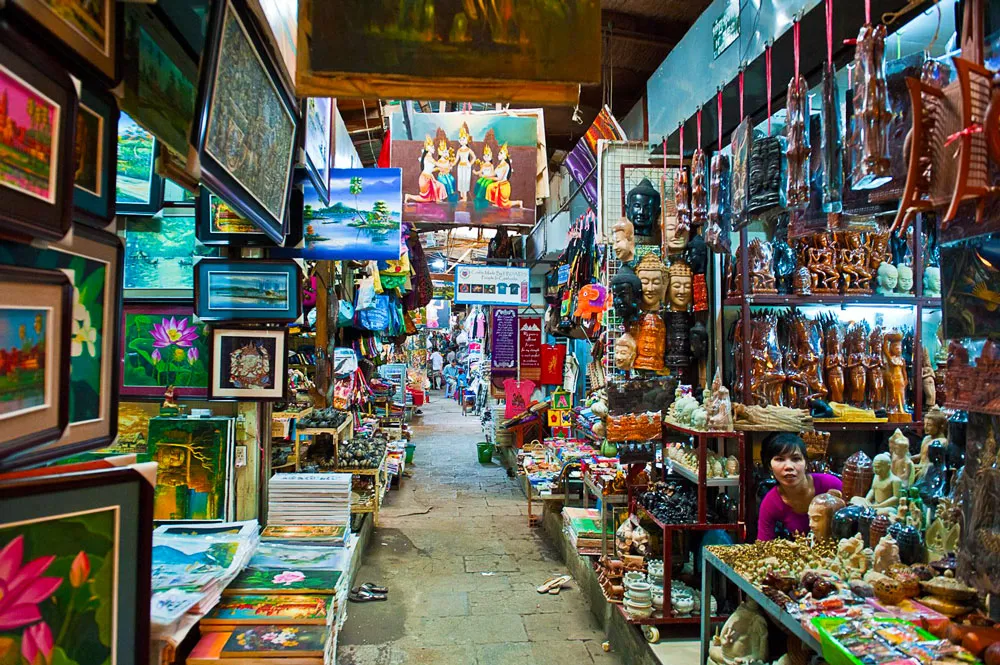
For travellers seeking a lively and authentic atmosphere, the Russian Market is an unmissable stop in Phnom Penh. Located in the south of the city, Psah Toul Tom Poung is a vibrant and colourful market, highly popular with visitors for both shopping and photography.
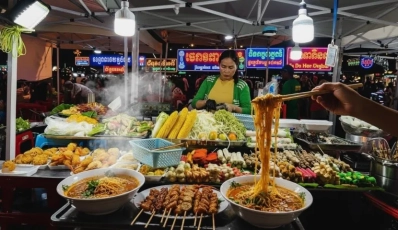
The nickname "Russian Market" dates back to the 1980s, when the local Russian community would regularly shop here. Today, the market is renowned for its wealth of handicrafts and antiques: small Buddha statues, wooden carvings, betel nut boxes, silks, silver jewellery, musical instruments, and many other treasures. It is also an excellent place to discover local gastronomy, with numerous specialities to taste on-site, such as pork and rice (bai sach chrouk), chicken amok, Phnom Penh kuy teav, nom pang meat skewers, or even fried insects for the more curious.
Phnom Penh is a city of contrasts, where poignant history sits alongside vibrant urban energy and a deeply rooted culture. Between royal palaces, sacred temples, bustling markets, and memorial sites, the Cambodian capital offers a rich and memorable travel experience. Taking the time to discover Phnom Penh means gaining a better understanding of Cambodia's soul, its past, its resilience, and its future. An essential stop for any curious traveller in South East Asia.
See more:




 TRAVELERS' CHOICE 2026