

Earlier I thought differently, many thanks for the information.
__________
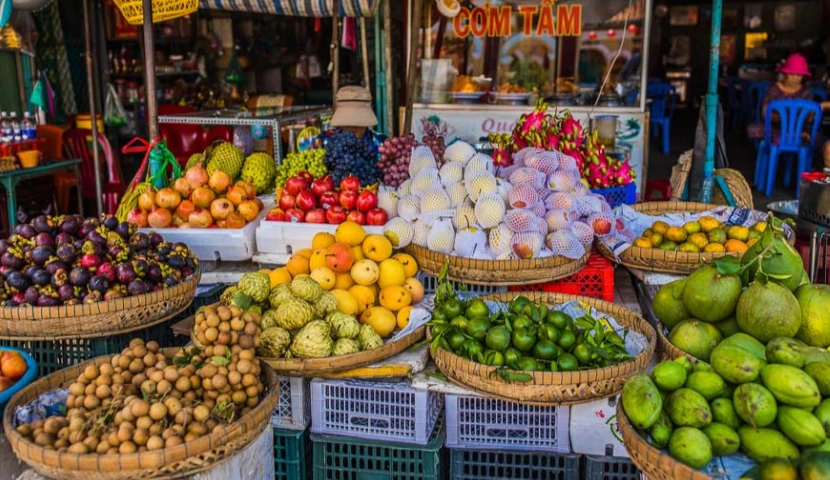
Thanks to its tropical climate and fertile lands, Vietnam is today considered one of the true tropical fruit paradises in Asia. From juicy mangoes and vibrant red rambutans to the powerful aroma of durians and the striking colours of dragon fruit, tropical fruits are an integral part of the daily landscape. From the floating markets of the Mekong Delta to the small street stalls of major cities, travellers discover an incredible diversity of exotic flavours and freshly picked produce everywhere. Discover in this article some of the iconic fruits of Vietnam as well as several tips to fully enjoy them during your trip.
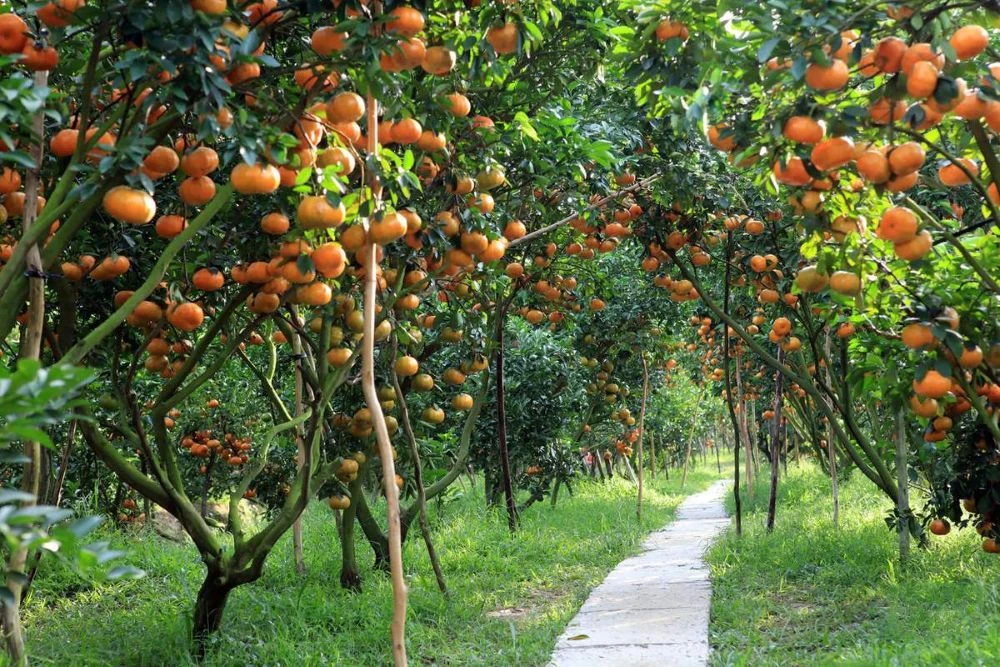
Vietnam benefits from ideal natural conditions for the cultivation of tropical fruits. With its hot and humid climate throughout the year, numerous rivers, and particularly fertile soils, the country produces an impressive variety of exotic fruits. Furthermore, each region possesses its own fruit specialties, influenced by the local climate and agricultural traditions.
South Vietnam, especially the Mekong Delta, is considered the country's primary fruit-growing region. Thanks to the abundance of water and nutrient-rich alluvial soils, orchards there produce fruit year-round: mangoes, coconuts, pomelos, rambutans, jackfruit, and mangosteens. This diversity makes Vietnam an ideal destination for travellers wishing to discover new tropical flavours.
Fruits also occupy an important place in Vietnamese culture. They are omnipresent in traditional markets, floating markets, desserts, fresh drinks, and even spiritual offerings. Many travellers thus consider tasting fresh Vietnamese fruits to be an essential experience during a stay in Vietnam.
Mango
The mango is one of the most popular tropical fruits in Vietnam. Sweet, juicy, and fragrant, it can be enjoyed both ripe and green (unripe) with chilli salt. Thanks to the tropical climate, it is available almost all year round, particularly in the Mekong Delta.
Dragon fruit
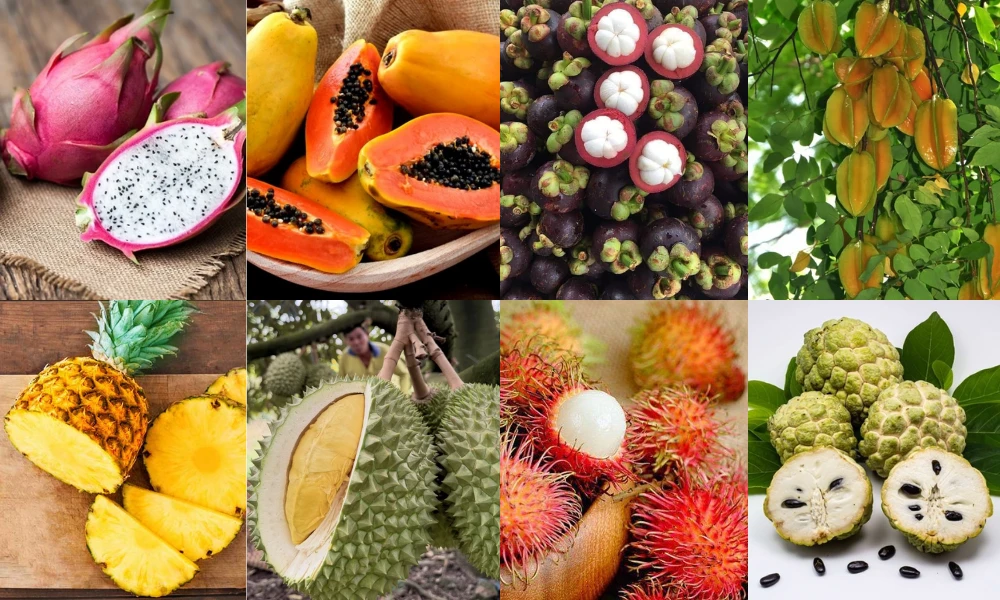
With its bright pink skin and white or red flesh dotted with black seeds, the dragon fruit (Thanh Long) is one of the iconic exotic fruits of Vietnam. Light, refreshing, and low in sugar, it is often enjoyed as juice, a smoothie, or simply fresh.
Pineapple
The Vietnamese pineapple delights with its particularly sweet and fragrant taste. Very common in local markets, it is often sold already carved and sliced on Vietnamese streets. Refreshing and slightly tangy, it is ideal during hot days.
Papaya
Papaya is widely consumed in Vietnam, both ripe and green. Its sweet, soft orange flesh is appreciated as a dessert, while green papaya is used in the preparation of certain Vietnamese salads and specialties.
Durian
The durian is famous for its very powerful smell which often surprises travellers. However, its creamy and rich flesh is considered a true delicacy by many Vietnamese. It is one of the most iconic fruits of Southeast Asia.
Mangosteen
Nicknamed the "Queen of Fruits", the mangosteen has white, tender, and delicately sweet flesh. Very refreshing, it is highly consumed during the hot season in South Vietnam.
Jackfruit
The jackfruit impresses with its gigantic size and intense fragrance. Its yellow flesh has a dense texture and a sweet taste reminiscent of banana or mango. It is often consumed fresh or dried.
Rambutan
With its red shell covered in small filaments, the rambutan immediately catches the eye. Its white, juicy, and sweet flesh slightly resembles lychee, making it a very popular tropical fruit in Vietnam.
Longan
The longan, nicknamed "Dragon’s Eye", has translucent, juicy, and very sweet flesh. Extremely popular in Vietnam, it is often enjoyed fresh during the summer or used in certain traditional drinks.
Ambarella (June Plum)
The cóc is a crunchy and tangy fruit very popular in Vietnamese street food. Often enjoyed green with chilli salt, it offers a unique flavour favoured by locals.
Star Apple (Milk Fruit)
Called "vú sữa" in Vietnam, the star apple has sweet and creamy flesh. When cut, its interior forms a characteristic star shape. Its delicate taste pleasantly surprises many travellers.
Pomegranate
The pomegranate is known for its juicy, slightly tangy red seeds. Refreshing and rich in vitamins, it is often consumed fresh or processed into juice in Vietnamese markets.
Kumquat
The kumquat is a small citrus fruit deeply embedded in Vietnamese culture. Its taste blends sweetness, acidity, and a slight bitterness. It is often used in fresh drinks and Lunar New Year decorations.
Custard Apple (Cherimoya)
The custard apple has white, creamy, and very fragrant flesh. Its soft texture resembles a natural dessert cream. Less known to tourists, it nonetheless charms with its delicate and sweet flavour.
Vietnamese Plum
Very popular in the mountainous regions of North Vietnam, the Vietnamese plum has a tangy and refreshing flavour. Locals often enjoy it with chilli salt during the summer season.
Star Fruit
The star fruit (Carambola) is a tropical fruit recognisable by its star shape when sliced. Its yellow, juicy, and slightly tart flesh is very refreshing. In Vietnam, it is often enjoyed fresh, in juice, or in drinks due to its original and photogenic appearance.
Lychee
The lychee is highly prized in Vietnam for its white, juicy, and fragrant flesh. Grown mainly in the north of the country, notably in Bac Giang, this small tropical fruit has a delicately sweet and very refreshing flavour during summer.
Sugar Apple
The sugar apple, called "na" in Vietnam, has white, sweet, and fragrant flesh. Its sweet taste and melting texture make it a highly appreciated tropical fruit during the summer. It is generally consumed fresh by delicately separating the flesh from the numerous black seeds.
Sapodilla
The sapodilla has brown, tender, and very sweet flesh. Its taste slightly recalls caramel and ripe pear. Widely consumed in South Vietnam, this tropical fruit is generally eaten very ripe to fully enjoy its melting texture.
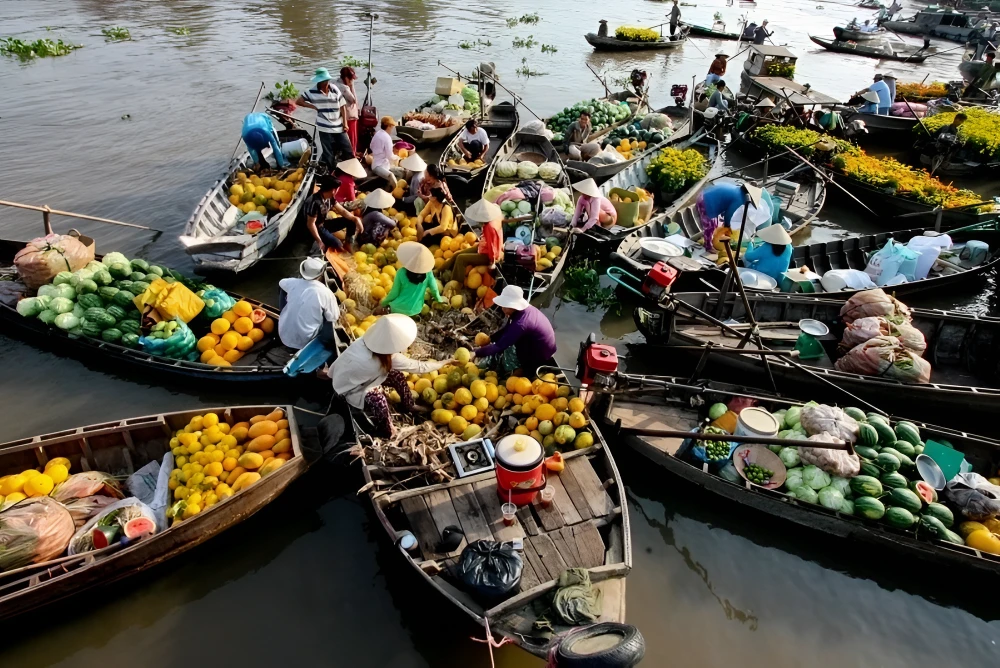
Thanks to its tropical climate, Vietnam produces fruit all year round. However, the richest and most varied period is generally between May and August, when many tropical fruits ripen at the same time.
South Vietnam, particularly the Mekong Delta, is the main fruit region. During this period, the orchards of Can Tho, Ben Tre, Tien Giang, or Vinh Long are bursting with freshly harvested mangoes, rambutans, mangosteens, durians, and longans. The floating markets and fruit gardens then offer a particularly colourful and delicious experience.
Even outside this season, travellers can easily taste tropical fruits in local markets thanks to the climatic diversity of different Vietnamese regions.
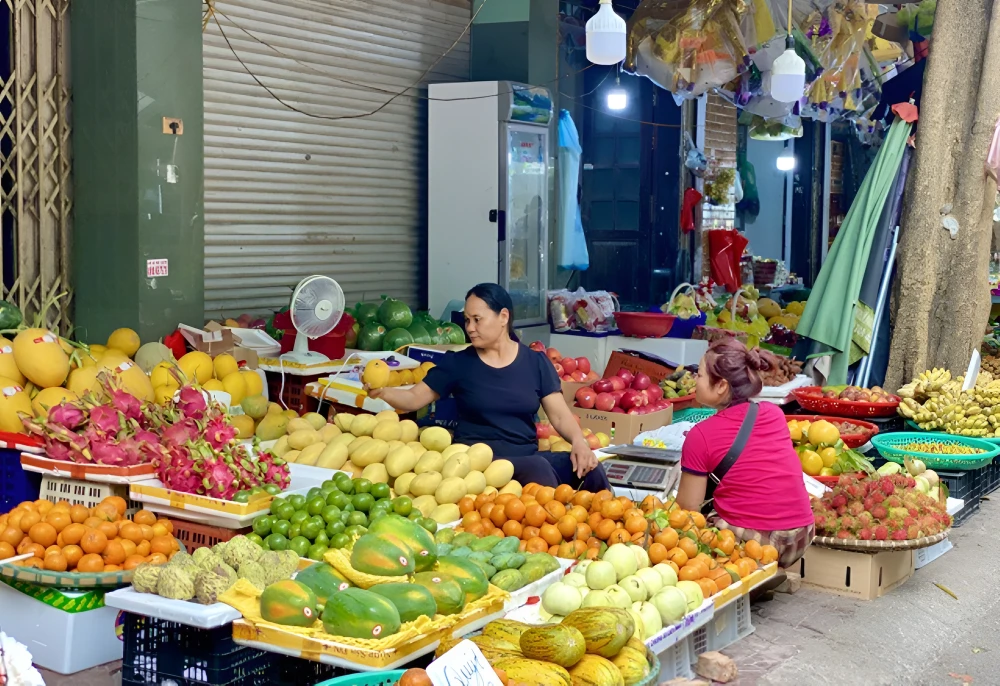
Traditional Vietnamese markets remain one of the best places to discover the diversity of the country's tropical fruits. From early morning, stalls are filled with freshly harvested produce. These markets allow you not only to taste seasonal fruits at affordable prices but also to observe the bustling daily life of the inhabitants.
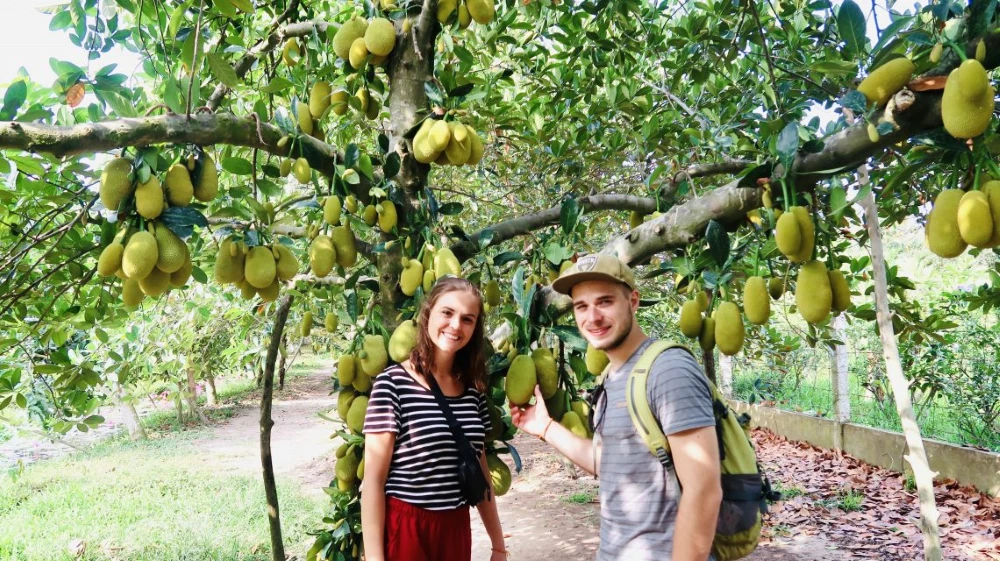
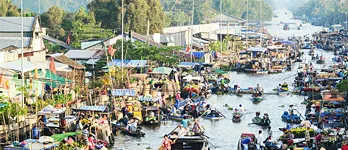
In South Vietnam, the floating markets of the Mekong Delta offer an even more immersive experience. On boats laden with tropical fruits, vendors offer freshly picked products coming directly from the surrounding orchards. The Cai Rang or Long Xuyen floating markets are among the most famous for discovering this typical Mekong fruit culture. For an even more authentic experience, it is also possible to visit tropical orchards in Can Tho, Ben Tre, or Tien Giang. Many fruit gardens welcome visitors who can taste fruits picked directly from the trees, often accompanied by honey tea or local specialties.
Finally, it is impossible to miss the many fruit juices and street smoothies found everywhere in Vietnam. Prepared to order with fresh fruit, they are a refreshing and tasty way to discover the tropical flavours of the country.
From the floating markets of the Mekong Delta to the small street stalls of big cities, tropical fruits hold an essential place in daily Vietnamese life. Discovering these exotic flavours not only allows you to taste fresh and varied products but also to better understand the local culture and traditions. During a trip to Vietnam, tasting tropical fruits thus becomes a gourmet, colourful, and deeply authentic experience.
See more:





 TRAVELERS' CHOICE 2026