




Earlier I thought differently, many thanks for the information.
__________
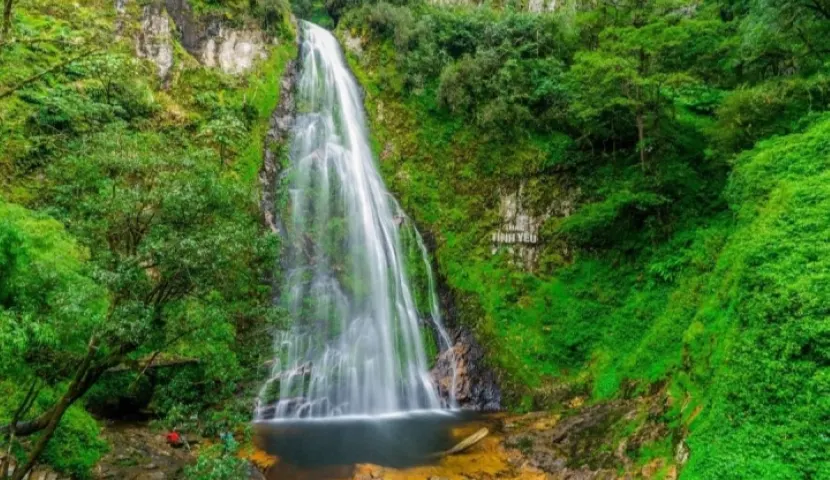
There's a certain kind of magic that happens when mist, mountains, and moving water collide — and nowhere in Vietnam captures that magic quite like Sapa. Thanks to its steep terrain and countless mountain streams, this misty valley in Lao Cai province is home to some of Northern Vietnam's most breathtaking waterfalls, each with its own character and legend, from the romantic Love Waterfall to the shimmering curtains of Silver Waterfall. Whether you're planning a serious trekking adventure or simply want a scenic stop between Sapa's main attractions, this guide walks you through the 4 most stunning waterfalls in Sapa, the best time to visit each one, and practical tips to make your trip smooth and memorable.
Timing your visit right can make the difference between a trickle and a true spectacle. Here's what to expect season by season:
March to May (Spring): This is arguably the sweet spot. The weather is mild, skies are clearer than in summer, and the waterfalls are flowing steadily thanks to melting snow and spring rains higher up in the mountains. It's also prime trekking season, so trails are in good condition without the mud of the wet months.
June to August (Summer): This is when Sapa's waterfalls are at their most powerful. The rainy season swells the streams, and places like Silver Waterfall turn into full-throttle curtains of white water. The trade-off? Trails can get slippery and muddy, and sudden downpours are common, so sturdy shoes and a flexible schedule are a must.
September to November (Autumn): A close second favorite among locals and repeat visitors. The rains have eased off, the terraced fields turn golden, and the waterfalls still carry decent volume from the summer months. Cooler, drier air also makes hiking far more comfortable.
December to February (Winter): Waterfalls slow down considerably during the dry, cold months, and some smaller streams — like the one feeding Love Waterfall — can look noticeably thinner. That said, if you're chasing misty photos over dramatic water flow, this quieter season has its own charm.
About 14 kilometers from Sapa's main square, Love Waterfall is where most people start their trek toward Fansipan — though it's a stunning destination in its own right, not just a stepping stone.
The water here traces its origins all the way back to the glaciers of Fansipan, Vietnam's highest peak, before tumbling down to form a 10-meter cascade tucked between the trees. Getting there takes about 30 minutes of walking along a well-maintained stone staircase and pathway, so while it counts as a hike, it's an approachable one — no technical climbing skills required. Because of the extra time and effort involved compared to Sapa's more accessible spots, Love Waterfall stays refreshingly free of crowds, making it a great pick for travelers who want nature without the tour-bus traffic.
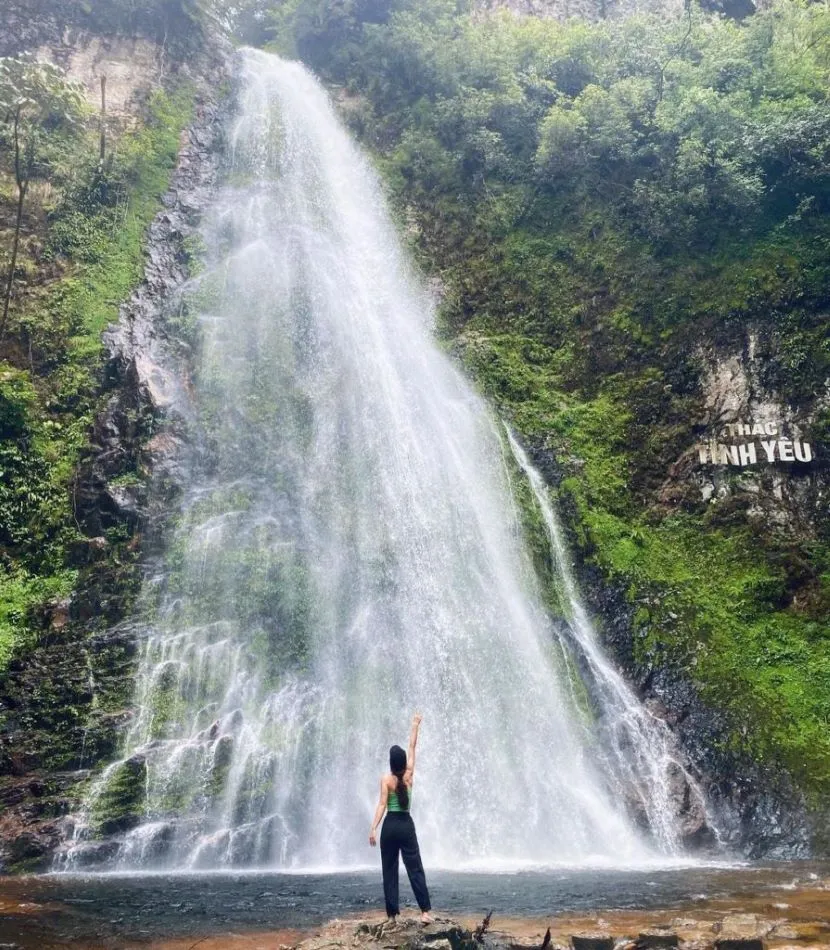
As you climb, the forest scenery only gets better — layers of green, dappled light, and the sound of water growing louder with every turn. The waterfall itself drops a dramatic 100 meters, and while it may not be the most powerful or photogenic on this list, there's something quietly moving about how untouched the whole area still feels.
The name carries its own charm too. Local legend tells of O Quy Ho, a woodsman who fell in love with a fairy, and together the two are said to have shaped this very landscape — which is also how Love Waterfall got its name.
Good to know:
If Love Waterfall rewards you for the extra effort, Silver Waterfall rewards you for barely any effort at all — and that's exactly why it's one of the most visited spots in Sapa.
Easily reached right from the 4D Highway, Silver Waterfall marks the point where the upper channel of the Muong Hoa stream comes crashing down from an elevation of 1,800 meters, just below the O Quy Ho Pass. At a towering 200 meters tall, it's by far the biggest waterfall on this list — and the steepness of the mountain means the water falls almost straight down, catching the light in a way that genuinely earns its "Silver" name.
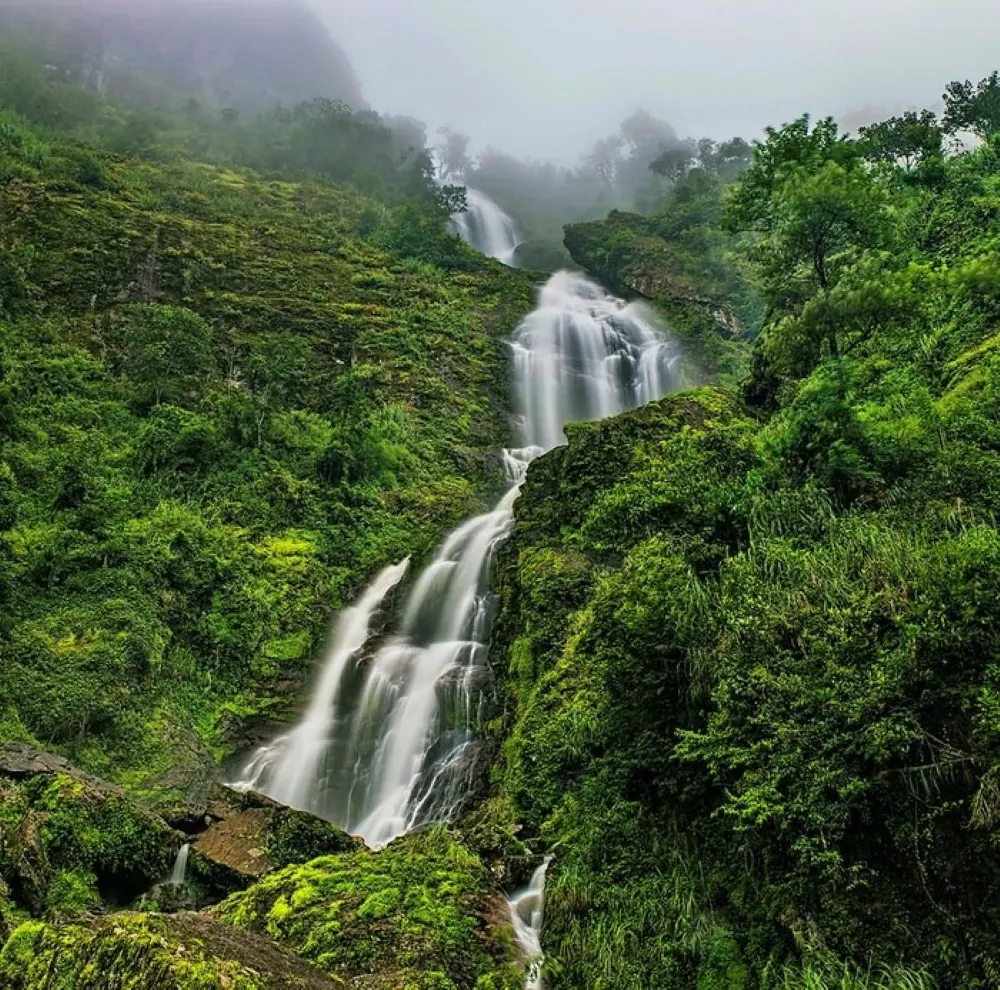
Because it draws its flow from a stream rather than a river, Silver Waterfall has a more delicate, seasonal beauty than you might expect from something so tall — thundering and full during the rainy months, softer and more lyrical in the dry season. Either way, it's easy to see why it draws thousands of visitors every year, especially those looking for a quick but rewarding hike.
Reaching the top used to be a serious workout, but a staircase system now makes the climb far more manageable, so you can take in the view from above without needing to be an experienced trekker. If you have time, renting a motorbike to explore the surrounding O Quy Ho area is well worth it — the road here is considered one of the most scenic mountain passes in Northern Vietnam, waterfall views included.
There's also something to be said for what this place does for you beyond the photos. Standing beneath the falls, dwarfed by the surrounding forest and the sheer scale of the mountain, has a way of putting the noise of everyday life into perspective — which might be reason enough on its own to add Silver Waterfall to your Sapa itinerary.
Good to know:
Not every waterfall in Sapa needs to be a serious trek — and Cat Cat Waterfall is proof of that. Located in Cat Cat hamlet, just about 3 kilometers from Sapa town, this is the most accessible of the four, making it a favorite for travelers who want a scenic outing without committing to a full hike.
Also known as Tien Sa Waterfall, it sits at the far end of Cat Cat village, reached by crossing a small bridge before the stream disappears into a narrow, tree-lined canyon. To be fair, Cat Cat has become one of Sapa's busiest tourist spots over the years, and it has lost some of its original, untouched charm as a result. Stalls selling food, drinks, and handicrafts from local ethnic communities now line the path right up to the waterfall.
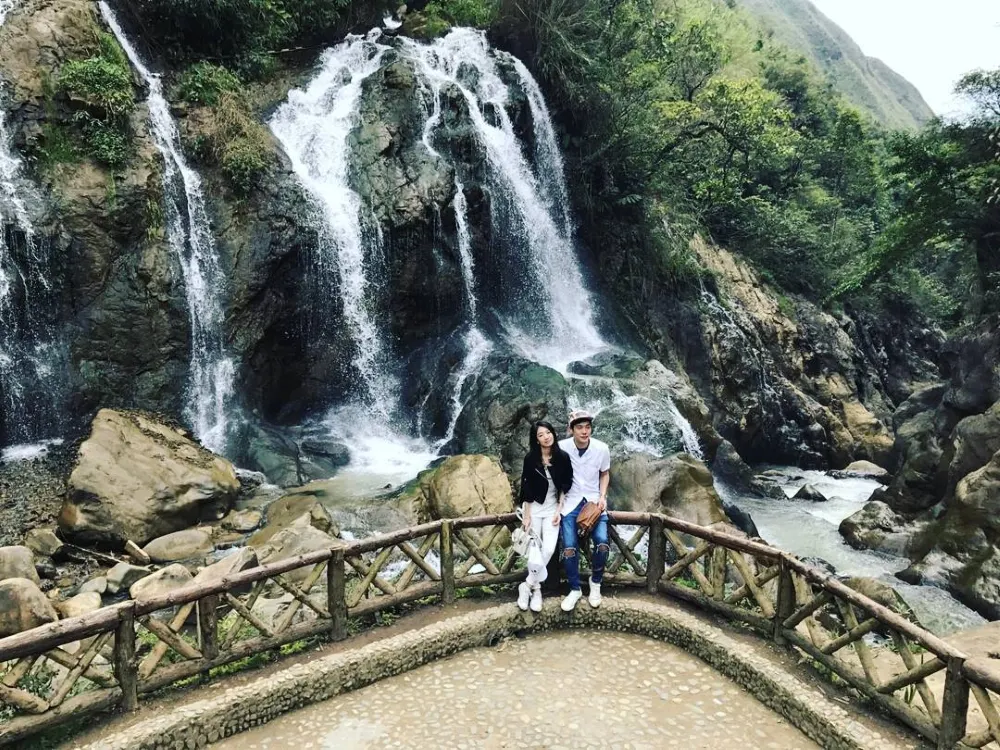
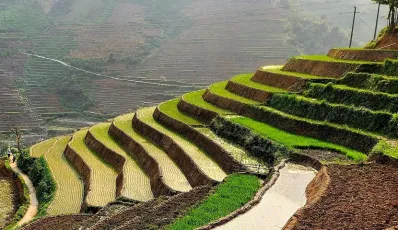
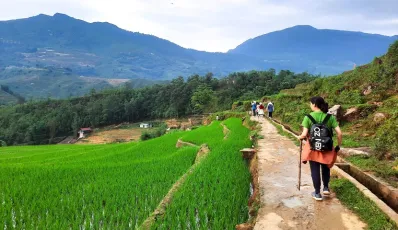
That said, don't let the crowds put you off entirely — the walk itself is what makes this stop worthwhile. The trail winds past some of Sapa's famous terraced rice fields, offering some of the most photogenic views in the area, waterfall aside. Some travelers cover the roughly 2.5-kilometer walk from the town center in about 40 minutes, though a quick taxi ride to the village entrance is an easy option if time is tight.
Think of Cat Cat less as a wilderness escape and more as a cultural stroll — a chance to get a taste of H'Mong village life, pick up a handmade souvenir, and enjoy a gentle waterfall view, all within easy reach of town.
Good to know:
Save this one for last — Ta Lam Waterfall is the wild card of the group, and it's exactly the kind of place that rewards travelers willing to go the extra mile, literally.
Tucked along the Nam Thi River and wedged dramatically between two mountain peaks, Ta Lam has a striking presence that's earned its own local imagery: as if two dragons had touched down here, tails first, right among the evergreens. Unlike the other three waterfalls on this list, Ta Lam sees very few visitors, largely because reaching it requires a full day of hiking and mountaineering rather than a short walk from a parking lot.
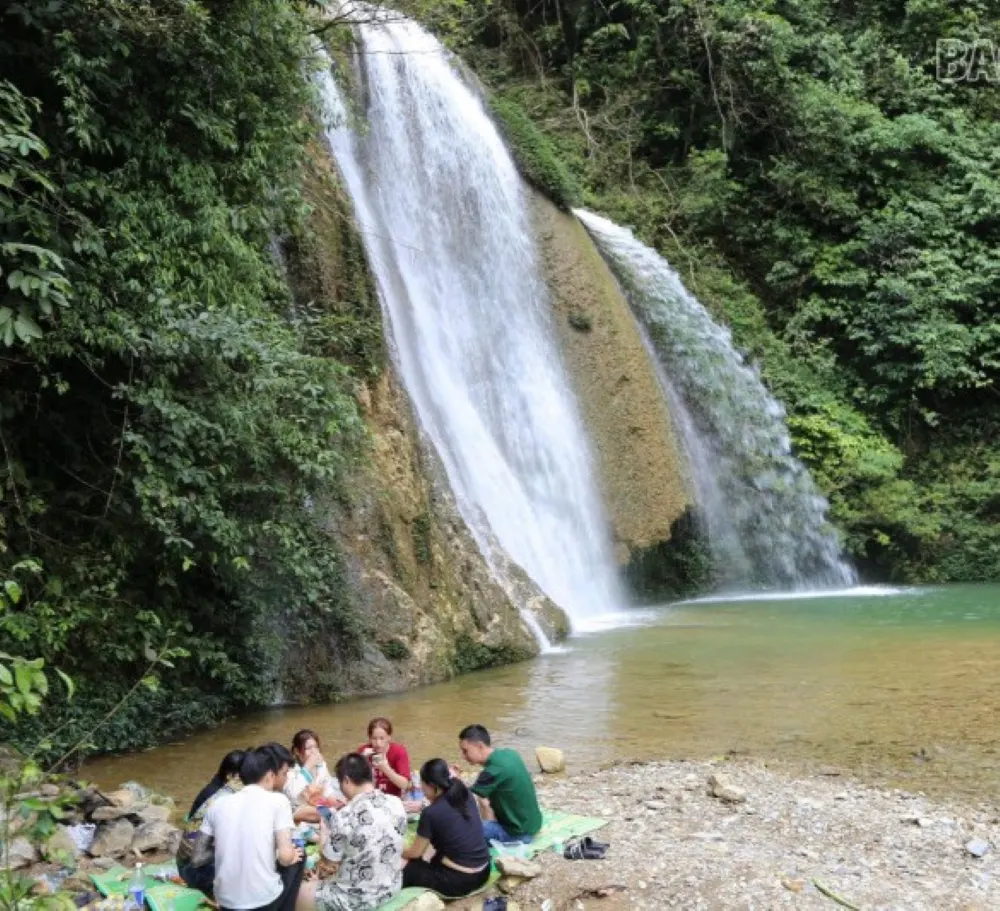
That distance is exactly the point. By the time you reach Ta Lam, the noise of daily life feels far behind you, and the reward is a waterfall that still feels genuinely undiscovered — no crowds, no souvenir stalls, just the sound of falling water and mountain air. It's the kind of stop that's less about ticking a box and more about the journey itself: the trail, the scenery, and the quiet along the way.
One practical upside — there's no entrance fee here, so once you've made the trek, the experience is entirely free to enjoy at your own pace. Just be sure to bring a camera (or a good phone), because this is one spot you'll want to remember long after you've left.
Good to know:
Sapa's waterfalls may not get the same spotlight as its rice terraces or hill-tribe markets, but it's still worth seeking out. Each one offers a different way to experience the raw, mist-covered beauty of Northern Vietnam and together, they make for one of the most rewarding day trips you can build around Sapa.
Ready to chase waterfalls in Sapa? Let IZITOUR's local experts design a personalized itinerary around your pace, your interests, and your travel dates. Contact us and let's start planning your unforgettable Sapa adventure.
See more:
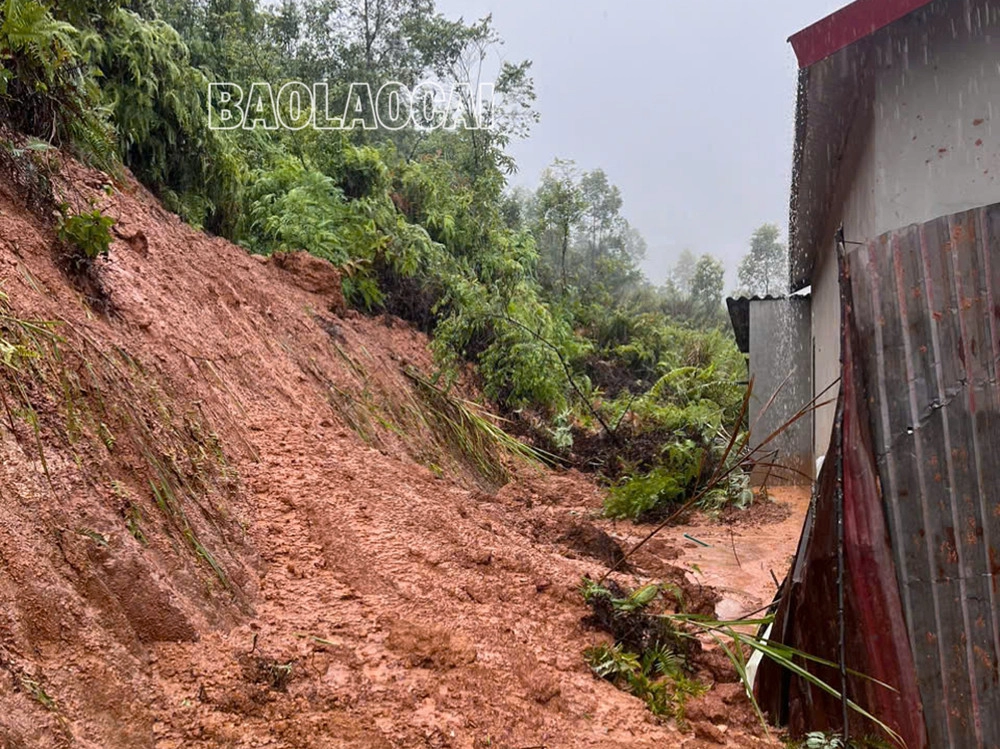
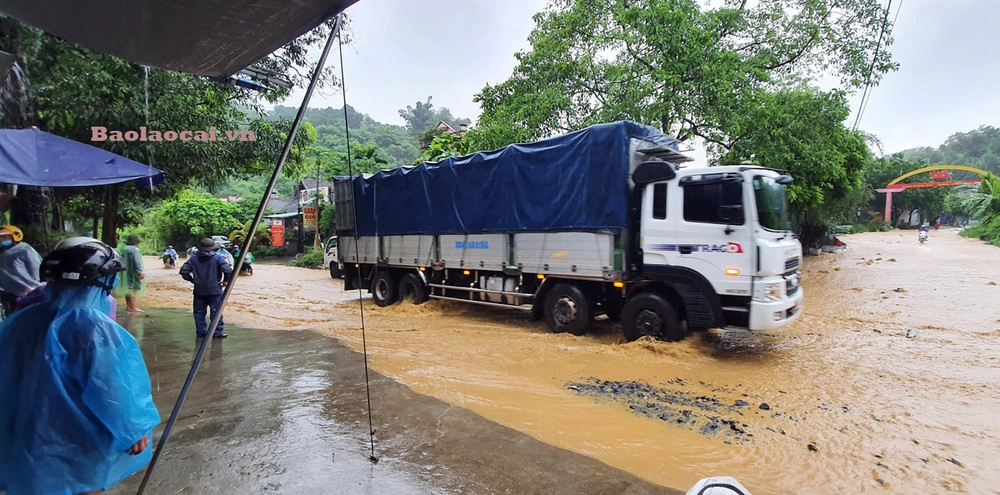
After a temporary closure due to adverse weather conditions, Sa Pa town has announced the reopening of several tourist attractions. The reopening comes as weather conditions have stabilized and the transportation system has been secured.
The Fansipan Legend Cable Car resumed operations on September 13th. Silver Waterfall, Ta Phin Stone Garden, Green Valley, Dreamy Rose Garden, Golden Stream, Love Waterfall, Ham Rong, and Cat Cat reopened on September 14th.
However, Ancient Rose Hill, Muong Hoa Valley, and Sin Chai will remain closed until further notice as authorities continue to monitor the situation.
On September 8, the People's Committee of Sa Pa town announced the suspension of outdoor tourism activities and visiting relics and scenic spots in the area until further notice. Due to the impact of Typhoon Yagi, many roads and spillways in Sa Pa are currently damaged, not ensuring traffic safety.





 TRAVELERS' CHOICE 2026