
The proof: Every 10 minutes pays a jackpot. Try now! Spin to Win Here -> psee.io/8qtsv7
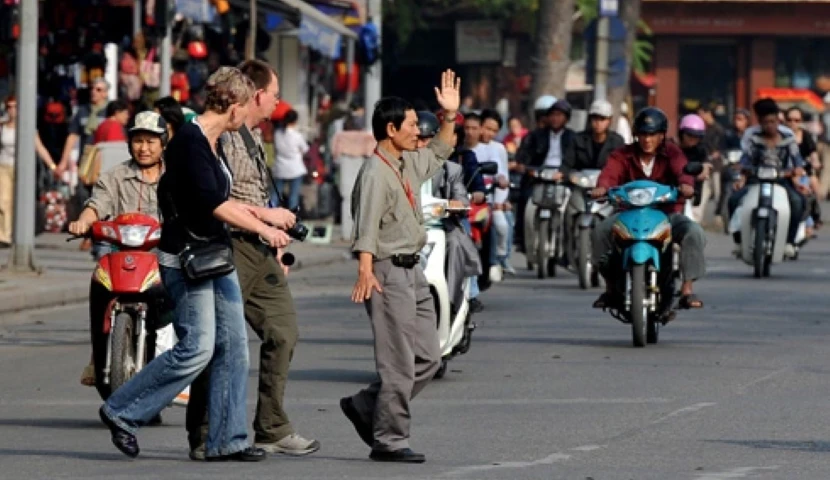
If you are visiting Hanoi or Ho Chi Minh City for the first time, there is a moment that almost every tourist experiences: standing frozen on the pavement, watching the relentless flow of traffic, and wondering: "How do I get to the other side of the road and... stay in one piece?"
Vietnam traffic is much more than just a means of transport; it is a vibrant, noisy, and challenging entity. Crossing the road here isn't simply moving from point A to point B; it is an art form, a test of courage, and a rite of passage for anyone wanting to explore this S-shaped country.
To understand how to cross the road, you must first understand the obstacles you will encounter. Why does Vietnam traffic intimidate even the bravest?
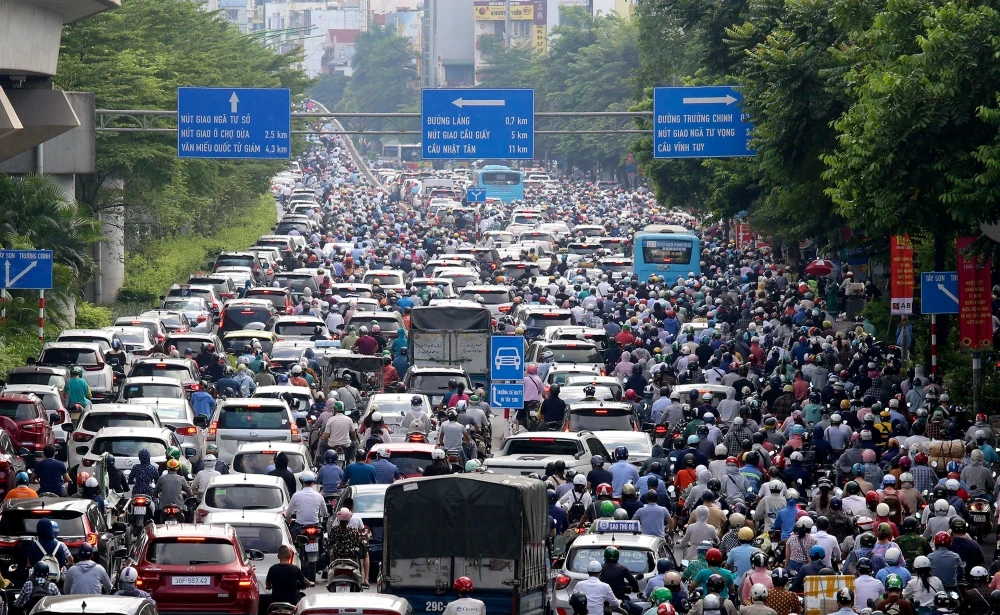
In Vietnam, especially in major cities, motorbikes reign supreme. In Hanoi alone, there are approximately 7 million motorbikes for a population of 8 million. This means nearly every adult owns a "steel horse". When the traffic light turns green, hundreds of motorbikes accelerate simultaneously, creating a characteristic roar and an incessant flow of movement.
Although Vietnam has a clear system of road traffic laws, road users in reality often prioritise flexibility over rigid rules. You will see:
While cities are investing in building footbridges and pedestrian crossings, the habit of prioritising pedestrians is not yet widespread. Vehicles rarely stop before the white line to give way. Rather, they expect you to find a way to "weave" into the flow of traffic.
Don't let fear hold you back. Crossing the road here is a rite of passage. By following this process, you will transform from a lost tourist into a confident pedestrian in the urban jungles of Hanoi or Saigon.
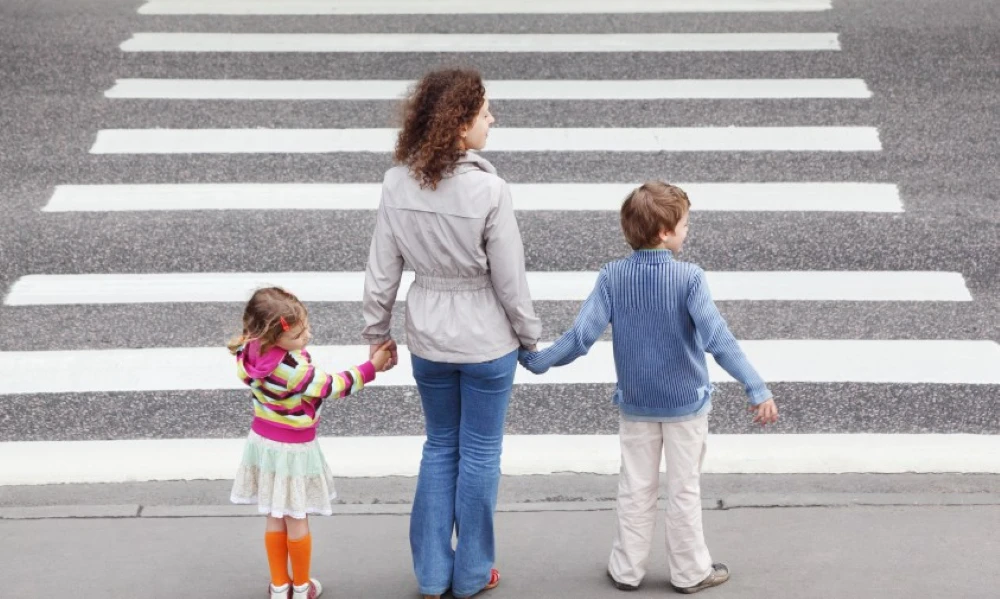
Before stepping off the pavement, take a moment to tune in to the environment. It’s not chaos; it’s a flow with its own frequencies.
360-degree vision: In Vietnam, people drive on the right, but expect bikes travelling against the flow near the edge of the road. Always look both ways, regardless of the official direction of travel.
Identify the "giants": Spot buses and trucks immediately. These vehicles have high inertia and vast blind spots. While a bike can swerve around you with a flick of the handlebars, a bus cannot. The golden rule: if you see a heavy vehicle, stop and let it pass.
You don't have to face the challenge alone. If the junction intimidates you, look for a natural "guide" among the locals.
Choose your leader: Look for an elderly person carrying groceries or a student.
Tactical positioning: Stand beside them, but slightly "shielded" from the direction the vehicles are coming from. Walk in perfect sync with them: if they slow down, you do too. Observing their unperturbed calm is the best survival lesson you can receive.
This is the moment of truth. Once you have set foot on the carriageway, you have entered into a silent pact with the drivers.
The psychology of calculation: Vietnamese drivers don't stop, but they constantly recalculate their trajectory based on your position. If you stop suddenly or turn back, you destroy their mental map and increase the risk of collision.
Be like water: Imagine you are a fixed stone in a stream: the water (the vehicles) will flow around you without ever hitting you, as long as your position is predictable.
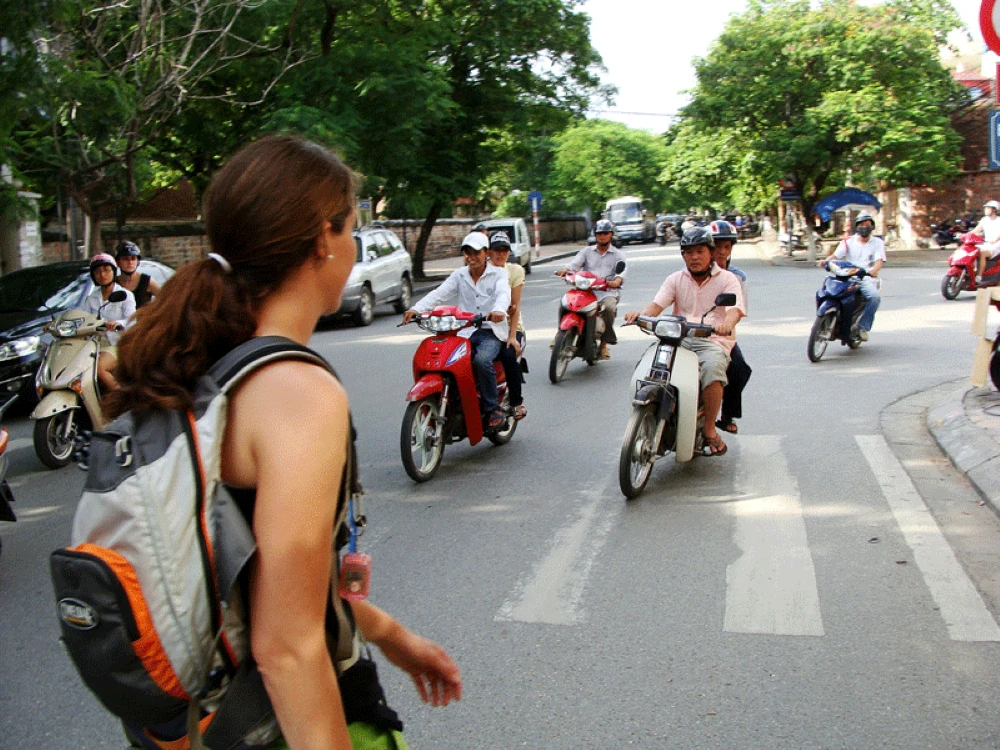
Haste is the enemy of safety. Many tourists make the mistake of running, making it impossible for drivers to understand where you will be three seconds later.
Rhythm, not speed: Walk at a slow but steady pace. This gives motorcyclists the necessary time to manoeuvre smoothly in front of or behind you.
Straight lines: Avoid walking diagonally. A straight line perpendicular to the pavement is the shortest path and, most importantly, the easiest for drivers to predict.
The road is a place of silent conversation. Don't look at your feet; look at those coming towards you.
The power of the gaze: Establishing eye contact communicates to the driver: "I see you, and I know you see me." This mutual recognition drastically reduces uncertainty.
The palm signal: Slightly raise one arm towards the direction of traffic with an open palm. It is not a command to stop, but a gentle signal saying: "I am passing, please take note." It is the most effective gesture in a pedestrian's survival kit.
Remember that the "dance" we mentioned works almost exclusively with motorbikes due to their agility.
Firmness with heavy vehicles: A car or taxi takes up too much space to swerve around you at the last moment. If you see a car heading towards you, slow down or stop for a moment to let it pass. With buses, caution must be absolute: they effectively have the right of way, always.
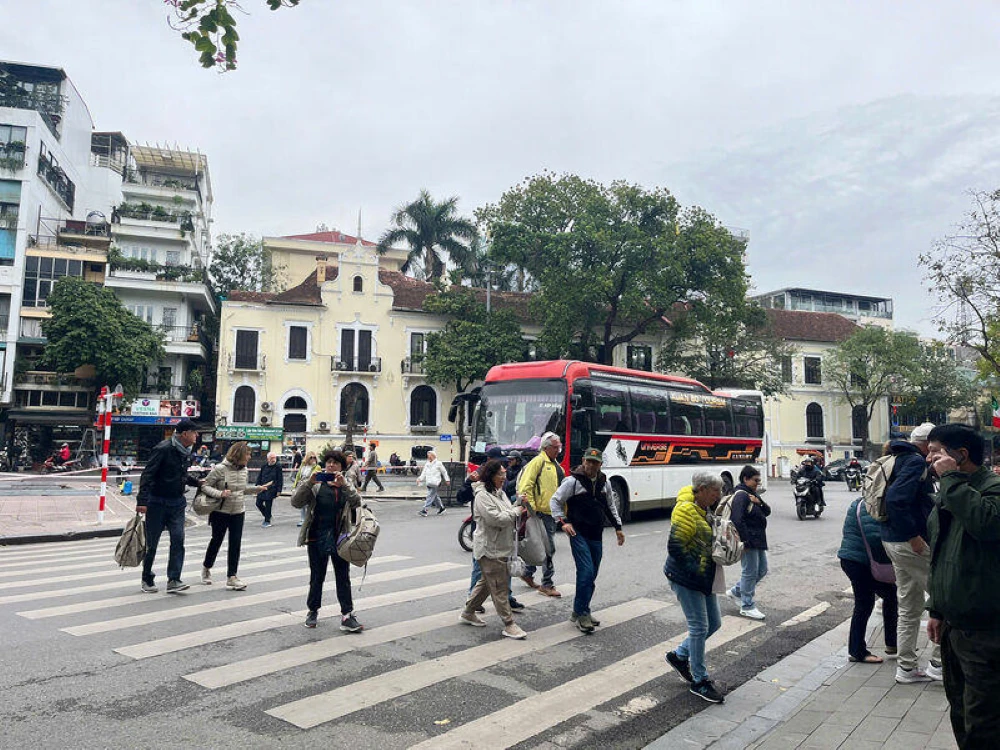
The sound of horns can be frightening, but do not interpret it as aggression.
An urban sonar: Horns are just a way of saying "Hey, I'm here, I'm passing close to you." Don't panic or flinch.
The finish line: Take a deep breath and maintain a confident expression. When your feet finally touch the opposite pavement, you will feel an indescribable sense of triumph. Welcome to the ranks of Vietnam traffic professionals!
If, after all, crossing the road still seems like an impossible feat, or if you simply wish to move more comfortably under the scorching tropical sun, Vietnam offers many interesting alternatives.
Cyclo
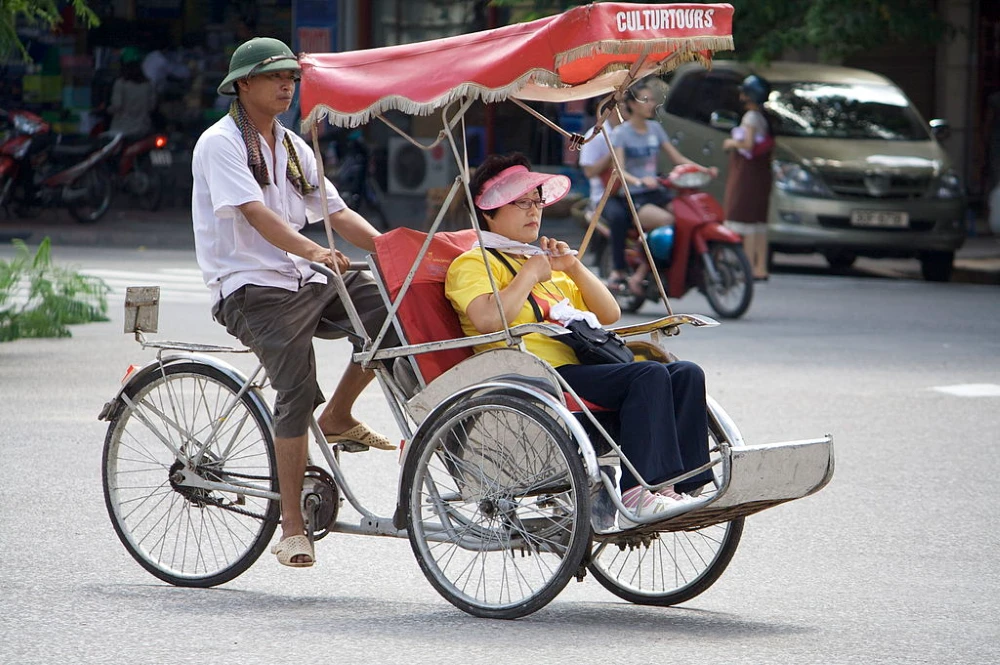
In ancient cities like Hanoi or Hoi An, cyclos (rickshaws) are an iconic mode of transport.
Ride-hailing apps (Grab, Gojek, Be, Xanh SM)
These are the modern "lifesavers" for every traveller. Instead of struggling to walk, you can book:
Vietnam traffic is not just about getting around; it reflects the character of its people: patient, flexible, and full of vitality.
Many tourists get frustrated because motorbikes don't stop at pedestrian crossings. However, if a bike stops abruptly, dozens of bikes behind it will crash into it. In this system, continuous movement (even if slow) is safer than a complete stop.
Don't be surprised if a local sees you struggling and beckons you to cross the road together. The warmth of the Vietnamese people is often most evident in everyday moments like these.
You will be amazed to see motorbikes carrying entire families of four, or carts loaded with towering goods, manoeuvring with dexterity through narrow alleys. It is part of life—a unique touch in the Vietnamese cultural landscape.
Crossing the road in Vietnam may initially seem like a struggle for survival, but once you learn the rules, it becomes an enjoyable part of the journey. That is when you appreciate the rhythm within the external chaos, the skill of the drivers, and the warmth of the locals, always ready to help you cross the street.
Read more:





 TRAVELERS' CHOICE 2026