
The proof: Every 10 minutes pays a jackpot. Try now! Spin to Win Here -> psee.io/8qtsv7
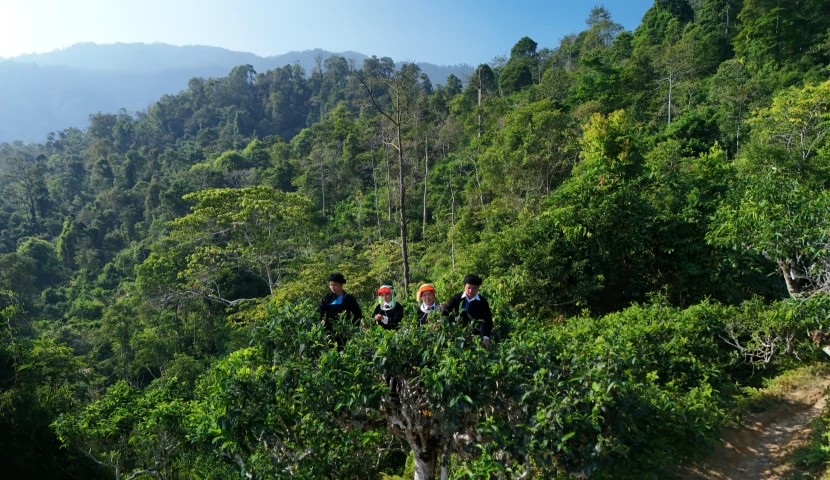
Just a short drive from Ha Giang Ward lies Lung Vai Village, a peaceful mountain community where centuries-old Shan Tuyet tea trees, terraced rice fields, and the traditions of the Dao people have been quietly preserved. Unlike many destinations that have become increasingly popular with tourists, Lung Vai still feels remarkably authentic. Mornings begin with mist drifting across the hills, villagers harvest tea by hand, and visitors are welcomed into a slower rhythm of life. If you're looking to experience a lesser-known side of Ha Giang beyond the famous mountain passes, this offers an unforgettable combination of nature, culture, and local hospitality.
Lung Vai Village is located about 12 kilometers southwest of Ha Giang Ward, making it one of the easiest authentic ethnic villages to reach from the former provincial capital. While many visitors head north toward the famous Ha Giang Loop, Lung Vai lies in a quieter mountainous area where traditional village life has remained largely unchanged.
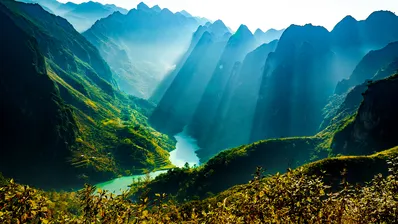
The village sits on the lower slopes of the Tay Con Linh mountain range, one of Northeast Vietnam's highest and most biodiverse regions. Thanks to its elevation, cool climate, and frequent mountain mist, the surrounding hills provide ideal conditions for growing Shan Tuyet tea, a prized variety harvested from ancient wild tea trees.
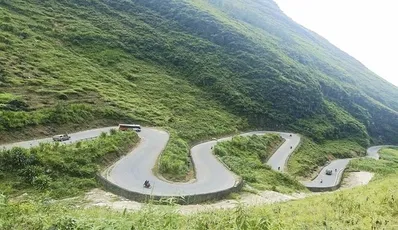
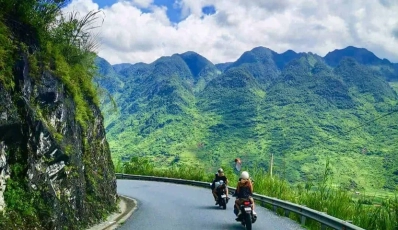
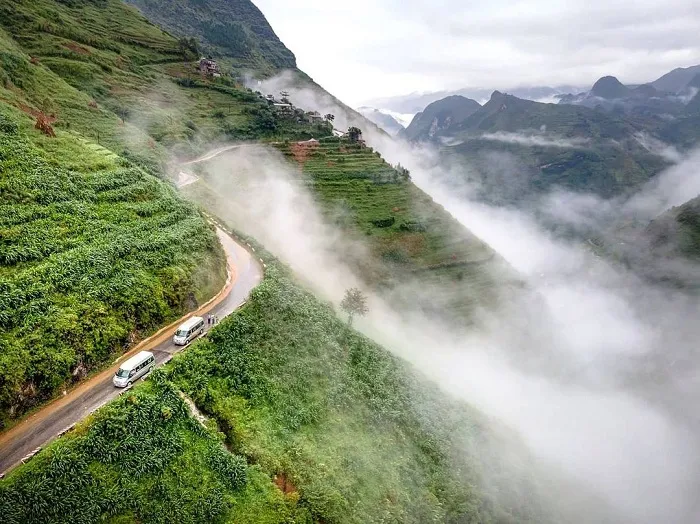
The journey from Ha Giang Ward typically takes 30 to 40 minutes by car or motorbike. As you leave the city behind, the scenery quickly changes from busy streets to winding mountain roads lined with rice terraces, forested hills, and scattered Dao villages. The drive itself becomes part of the experience, offering beautiful viewpoints and a glimpse into rural life in northern Vietnam.
The greatest treasure of Lung Vai is its remarkable ancient Shan Tuyet tea trees. Unlike commercial tea plantations where neatly planted bushes stretch across rolling hills, these trees grow naturally across the mountainsides, some reaching several meters in height and believed to be many decades—if not centuries—old.
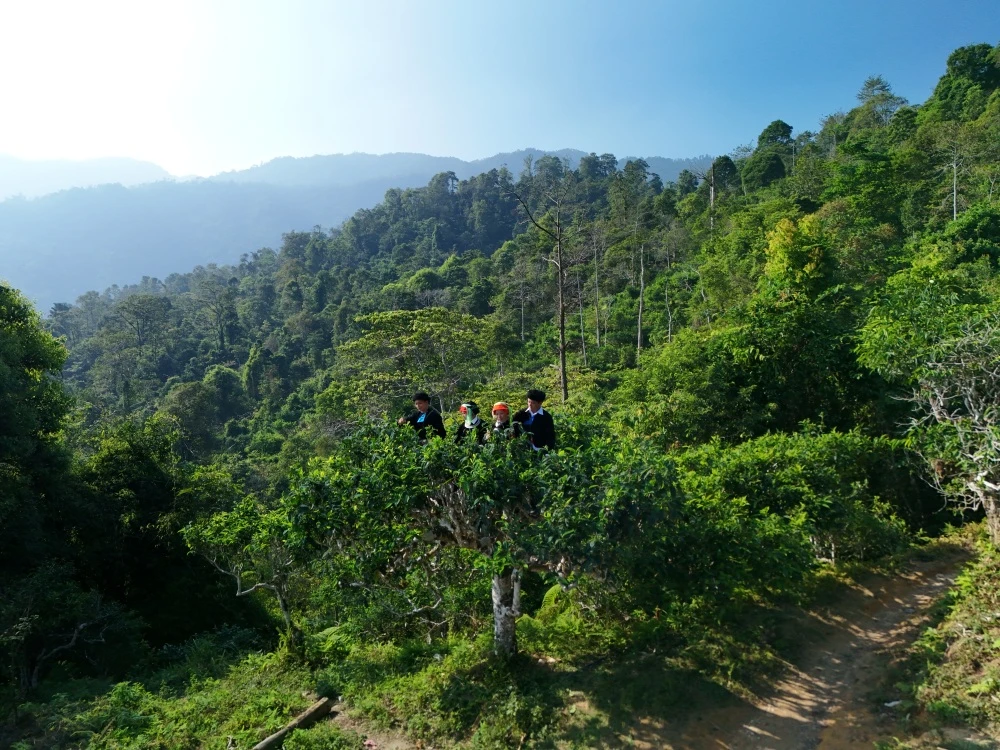
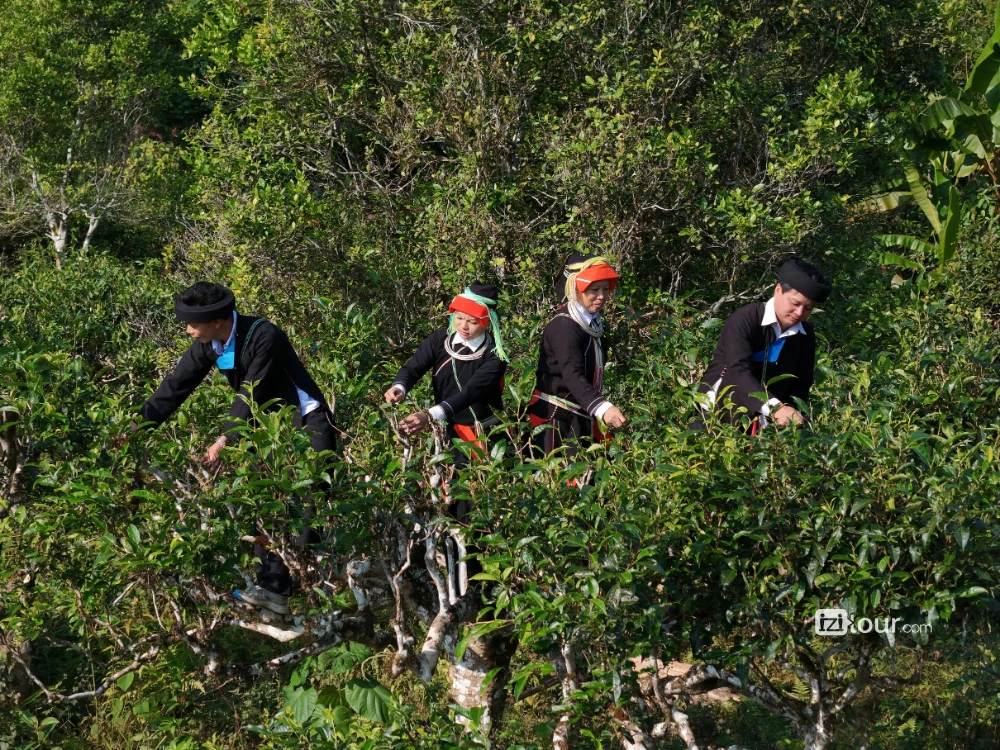
Covered in pale white buds that give Shan Tuyet its name, these ancient trees thrive in the cool mountain climate and absorb moisture from the surrounding mist. Every spring, local families carefully climb ladders or even the trees themselves to hand-pick only the youngest leaves, preserving techniques passed down through generations.
Walking through these forests feels more like exploring a natural woodland than visiting a tea plantation. Moss-covered trunks, dense mountain vegetation, and birdsong create an atmosphere that is both peaceful and timeless.
For tea lovers, photographers, and anyone interested in Vietnam's agricultural heritage, the tea forests alone make Lung Vai worth visiting.
Lung Vai is home primarily to the Dao people, one of Vietnam's 54 officially recognized ethnic groups. Their culture remains connected to the surrounding mountains, with traditional farming, tea cultivation, and ancestral customs continuing to play an important role in everyday life.
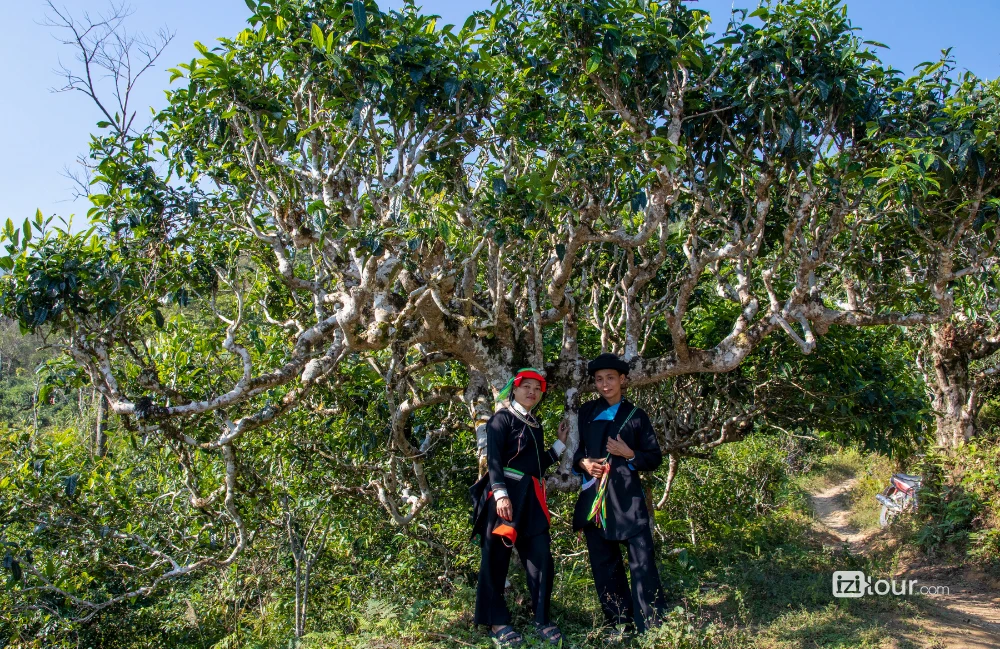
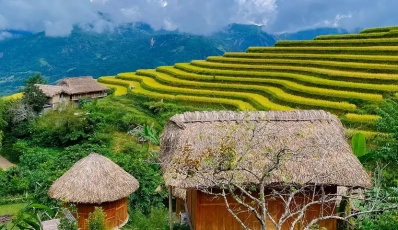
Visitors may notice women wearing beautifully embroidered traditional clothing, wooden homes built to suit the mountain environment, and carefully maintained family altars that reflect the community's spiritual traditions. If you have the chance to visit with a knowledgeable local guide, you'll gain a much deeper understanding of the stories, customs, and their traditions.
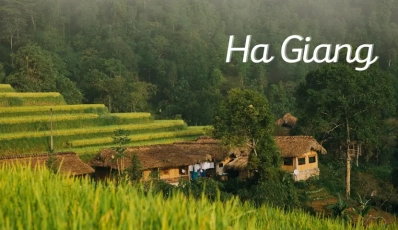
Although Lung Vai is best known for its tea forests, its surrounding terraced rice fields add another layer of beauty throughout the year.
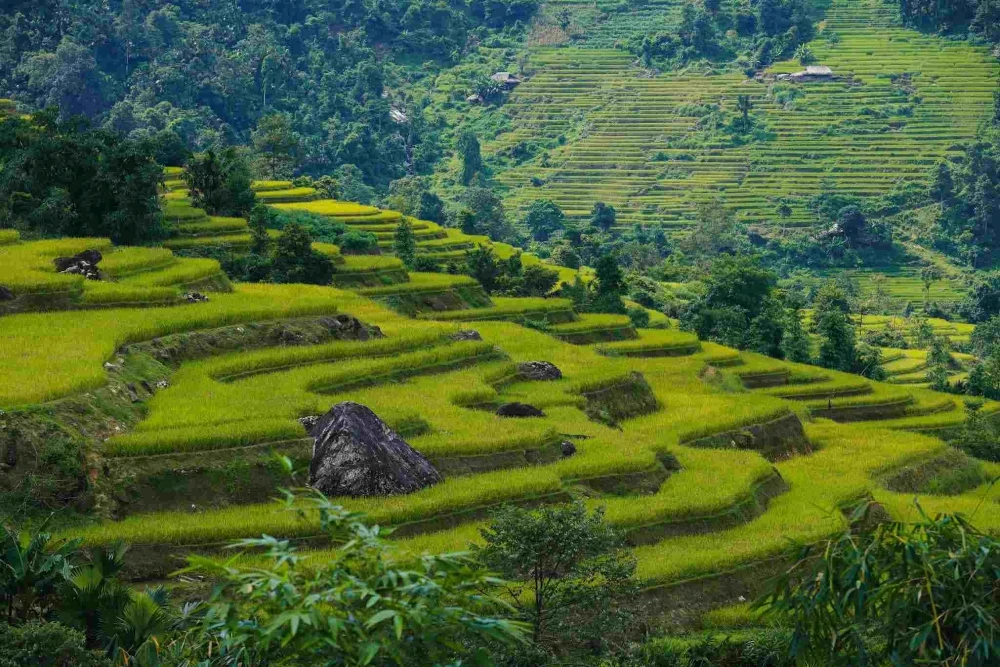
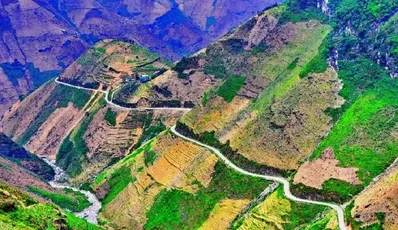
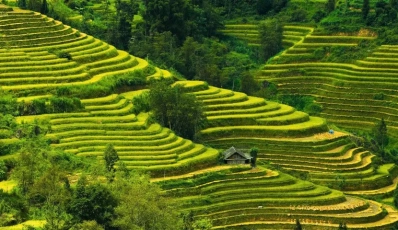
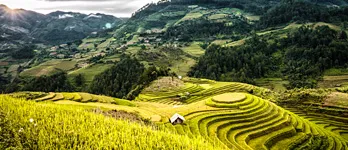
During late spring and early summer, freshly planted rice creates brilliant green terraces that ripple across the hillsides. By early autumn, the landscape transforms into a patchwork of golden fields ready for harvest, offering spectacular scenery for photographers.
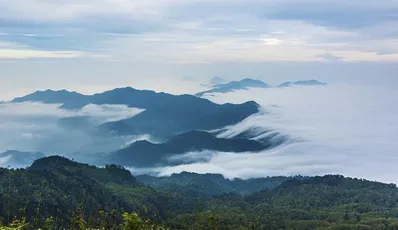
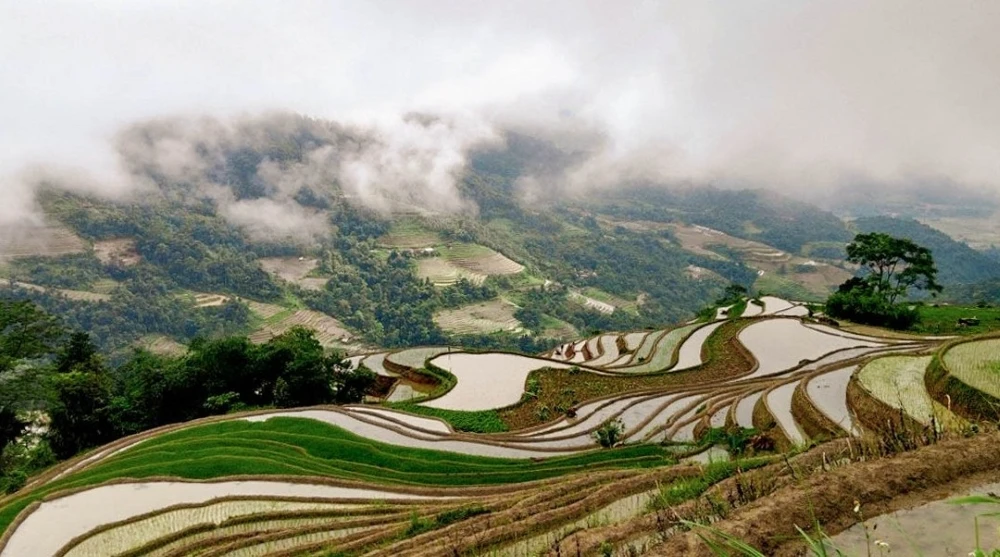
Morning mist often drifts gently through the valleys before sunrise, adding an almost dreamlike atmosphere to the landscape. Even on cloudy days, the combination of tea forests, rice terraces, and mountain peaks creates endless opportunities for memorable photographs. Visitors often have these peaceful viewpoints almost entirely to themselves.
For many travelers, the spectacular mountain roads are what first bring them to Ha Giang. But beyond the iconic passes lies another equally rewarding experience. In Lung Vai, the journey slows naturally. Visitors can relax, walk through tea forests, chat with local families, enjoy freshly brewed Shan Tuyet tea, and appreciate the rhythm of village life.
A visit to Lung Vai adds another dimension to the region. It offers the opportunity to experience not only Ha Giang's dramatic landscapes, but also the people, culture, and tea heritage that make this mountainous corner of northern Vietnam so distinctive.
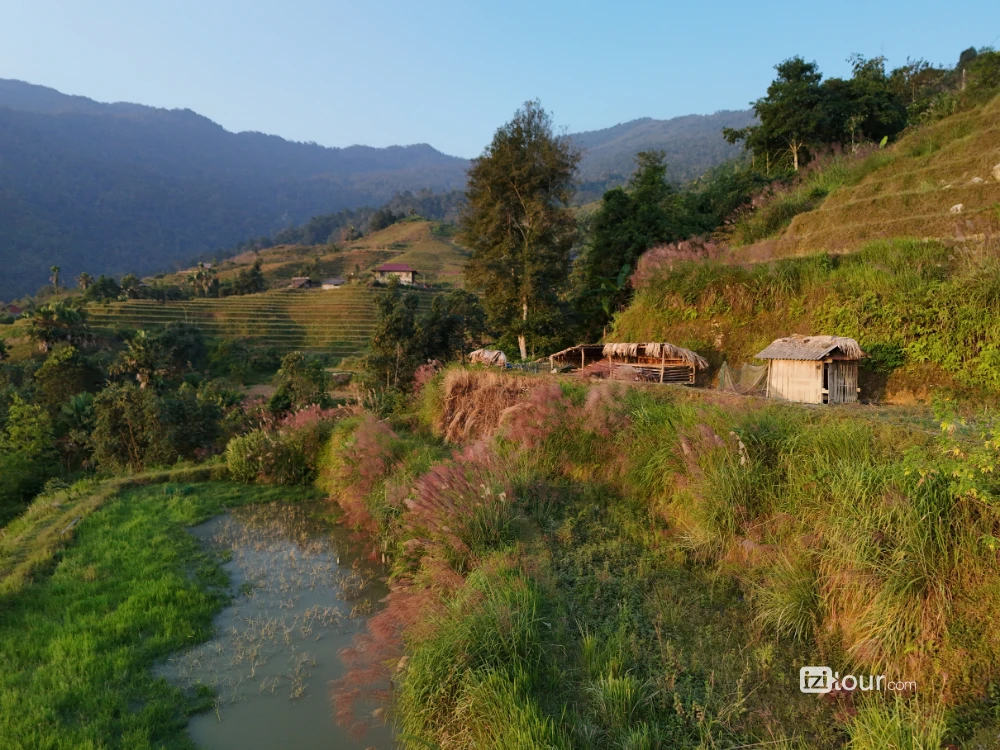
Lung Vai is a destination that changes beautifully with the seasons, making it worth visiting at almost any time of the year.
Spring (February to April) is one of the most rewarding seasons to explore the village. The weather is pleasantly cool, the surrounding mountains are fresh and green, and ancient Shan Tuyet tea trees begin producing their first tender buds of the year. Plan your visit between late March and late April, when the main Shan Tuyet tea harvest is in full swing. It's also an excellent time for hiking, walking, and enjoying clear mountain views before the summer arrives.
As summer (May to August) unfolds, Lung Vai becomes even greener. Rice terraces fill with vibrant shades of green, creating spectacular landscapes that harmonize with the surrounding forests. Short afternoon showers are common, but they often bring cooler temperatures and dramatic clouds drifting through the valleys, adding a magical atmosphere for photography.
Of all the seasons, autumn (September to October) is the most picturesque season. The rice terraces gradually turn brilliant shades of gold as harvest approaches, transforming the hillsides into stunning landscapes. The comfortable temperatures and relatively stable weather also make this an ideal time for walking, sightseeing, and exploring the village at a relaxed pace.
During winter (November to January), Lung Vai reveals a quieter and more tranquil side. Early mornings are often wrapped in mist, creating an almost ethereal setting around the ancient tea forests. Although temperatures can be chilly, especially before sunrise, the peaceful atmosphere and fewer visitors make winter an appealing season for travelers seeking solitude and authentic mountain scenery.
To make the most of your visit, keep these practical tips in mind before heading into the mountains.
Lung Vai is easy to combine with several other destinations around Ha Giang, making it a worthwhile addition to a broader northern Vietnam itinerary.
Tay Con Linh Mountain Range
Towering above the surrounding landscape, the Tay Con Linh mountain range is home to dense forests, exceptional biodiversity, and some of Vietnam's oldest Shan Tuyet tea trees. The cool climate and dramatic scenery make it one of the defining natural features of the region.
Ha Giang
Located just a short drive away, Ha Giang serves as the gateway to the province's spectacular mountain landscapes. Before or after visiting Lung Vai, travelers can explore local markets, enjoy regional cuisine, or prepare for further adventures across northern Vietnam.
Thon Tha Village
Only a few kilometres from Ha Giang, Thon Tha Village offers another opportunity to experience ethnic minority culture. Home to the Tay people, the village is known for its traditional stilt houses, palm-covered roofs, peaceful rice paddies, and welcoming community-based tourism.
Quan Ba Heaven Gate
If you're continuing your journey along the Ha Giang Loop, Quan Ba Heaven Gate is one of the first iconic viewpoints you'll encounter. From here, visitors can admire sweeping mountain panoramas and the famous Twin Mountains, making it a perfect next stop after exploring Lung Vai.
For travelers looking beyond the famous mountain passes, Lung Vai Village offers a different experience—one shaped by ancient tea forests, rich cultural traditions, and the quiet beauty of everyday life in Vietnam's northern highlands. Beneath centuries-old Shan Tuyet tea trees, sharing a cup of freshly brewed tea with a local family, or simply enjoying the peaceful mountain scenery, Lung Vai invites you to experience a side of Ha Giang that many visitors never see.
See more:





 TRAVELERS' CHOICE 2026