





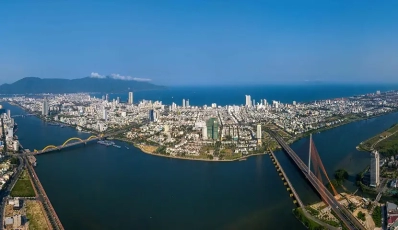






The Da Nang Museum of Cham Sculpture is home to the largest collection of Cham sandstone sculptures in the world, over 300 artifacts, some of them national treasures, dating as far back as the 5th century. Standing in front of pieces like the Tra Kieu altar, it's hard not to feel a quiet sense of awe: this is stone that's been carved, worshipped, buried, and rediscovered across more than a millennium.
For history lovers, art enthusiasts, or anyone who wants their Da Nang trip to go beyond beaches and Ba Na Hills, this museum is one of the most meaningful stops you can make.
Table of Content[Hide]
1. The brief history of Cham Sculpture Museum Da Nang
Between 1895 and 1915, a wave of Cham sculpture artifacts was unearthed across Da Nang, Quang Nam, and the surrounding provinces, remnants of a kingdom that once flourished for centuries along Vietnam's central coast. These findings were gradually gathered at a site known back then as Tourane Park, laying the groundwork for what would eventually become the Da Nang Museum of Cham Sculpture - one of Vietnam's most important cultural institutions.
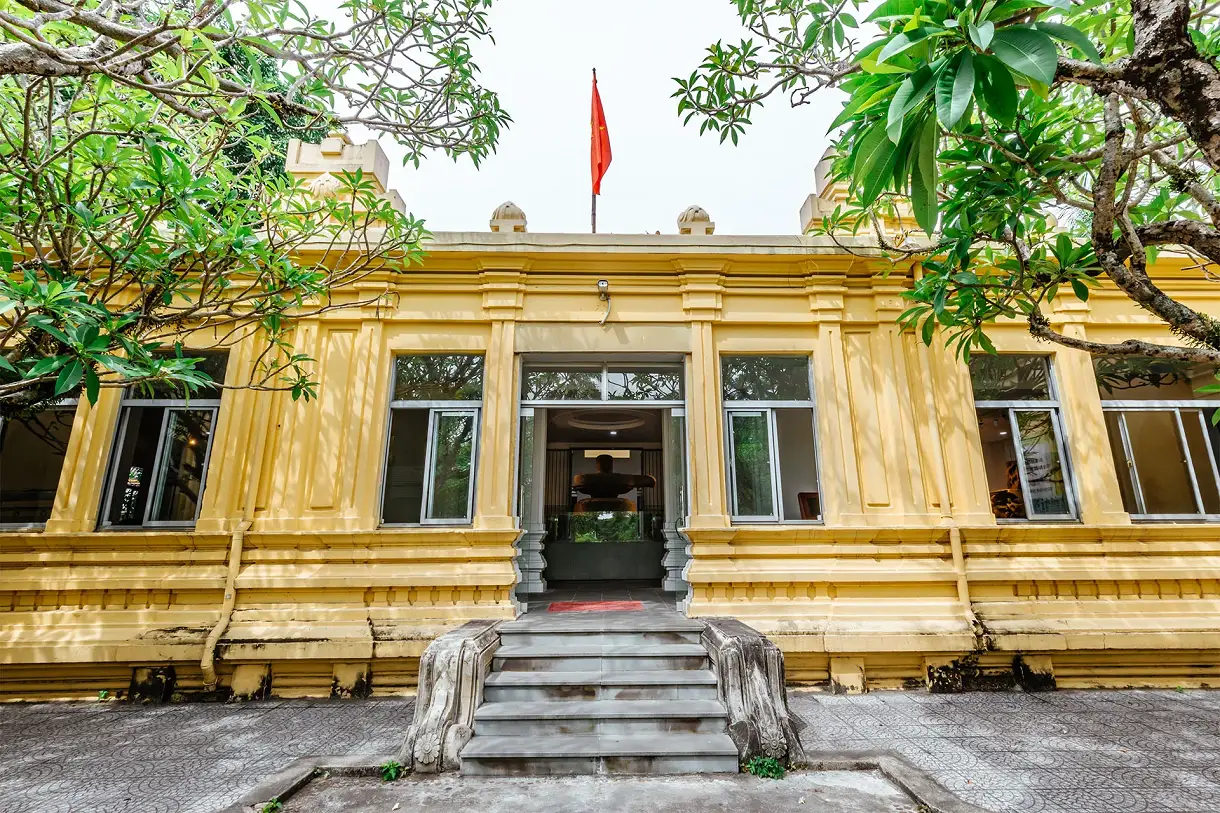
The idea to build a proper museum took shape in 1902, but it wasn't until 1915 that construction actually began. The first building was completed a year later and officially opened to the public in 1919 — a project made possible largely thanks to the efforts of French archaeologists from the École Française d'Extrême-Orient (EFEO). While some sculptures were shipped off to France, and others relocated to museums in Hanoi and Ho Chi Minh City, the majority of the most significant pieces remained right here in Da Nang, where they belonged.
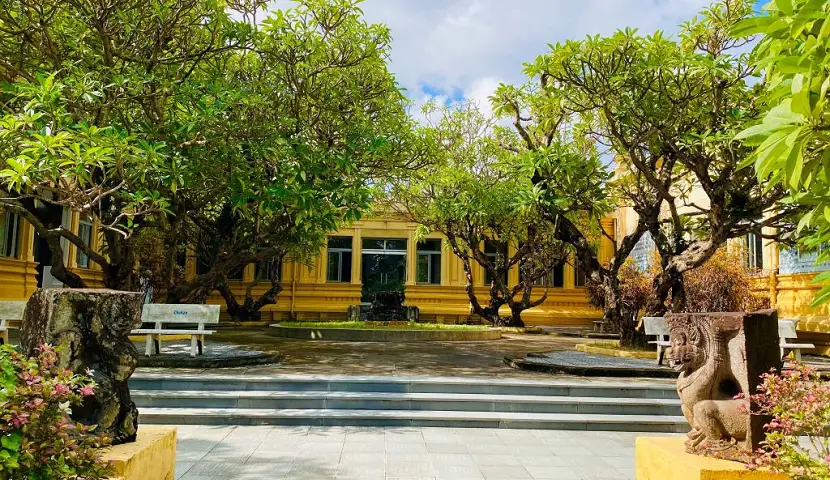
Architecturally, the museum is a piece of history in itself. Its original design came from two French architects, Delaval and Auclair, based on ideas proposed by Henri Parmentier, then head of EFEO's Department of Archaeology. Despite going through several rounds of expansion over the past century, the building has remarkably preserved much of its original character, making a visit here feel like stepping into two different eras at once: colonial-era architecture housing treasures from a kingdom that predates it by a thousand years.
People also read: Da Nang Seafood Restaurants: The Taste of The Sea in Central Vietnam
2. The design diagram of the Cham Museum Da Nang
Covering nearly 1,000 square meters, the museum is organized into distinct galleries named after the archaeological sites where each collection was discovered: Tra Kieu, My Son, Dong Duong, and Thap Mam — along with connecting corridors representing Quang Nam, Quang Ngai, Binh Dinh, and Kon Tum. This layout isn't just for display purposes; it actually mirrors the geographic spread of Champa civilization itself, giving visitors a sense of how the kingdom's art and influence evolved across different regions and time periods.
In 2016, Da Nang City invested in a major restoration project that fully renovated the buildings and reorganized the galleries into a single, connected visiting route, making it far easier for guests to explore the museum in a logical flow rather than backtracking between disconnected rooms.
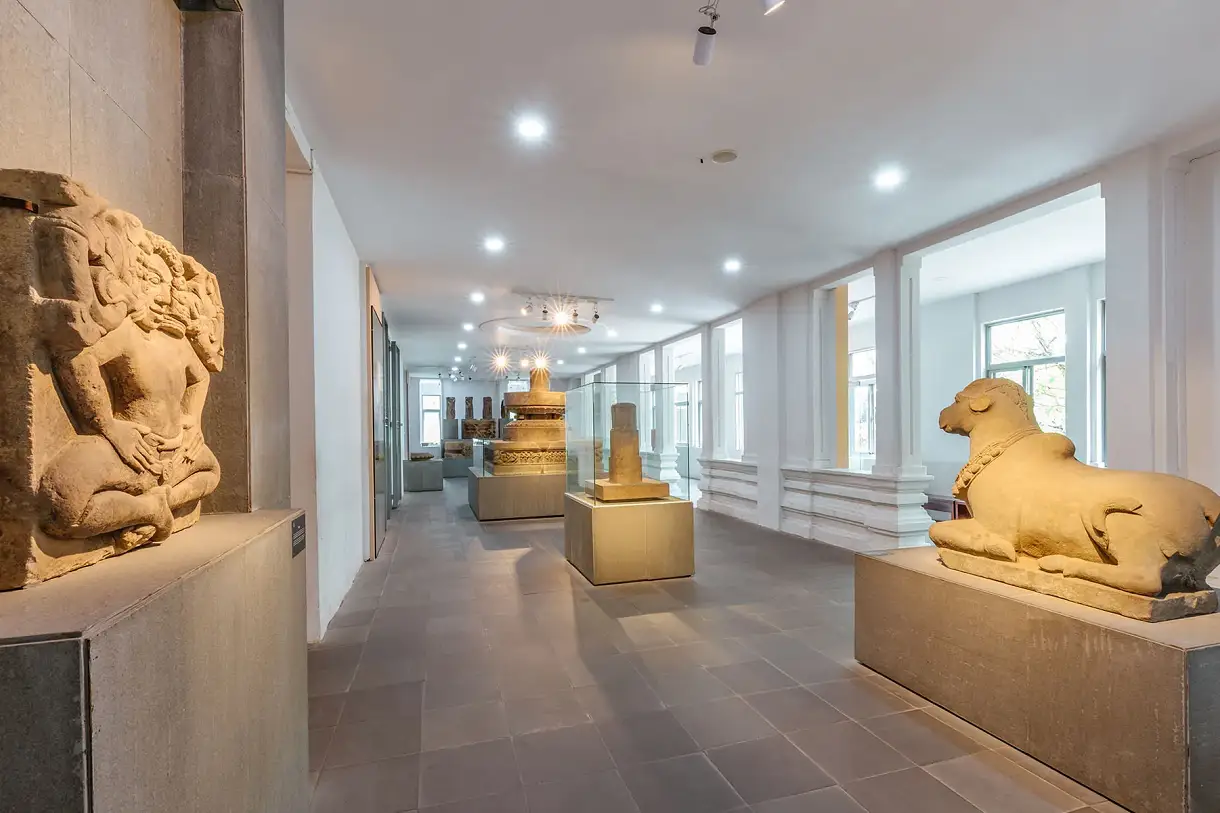
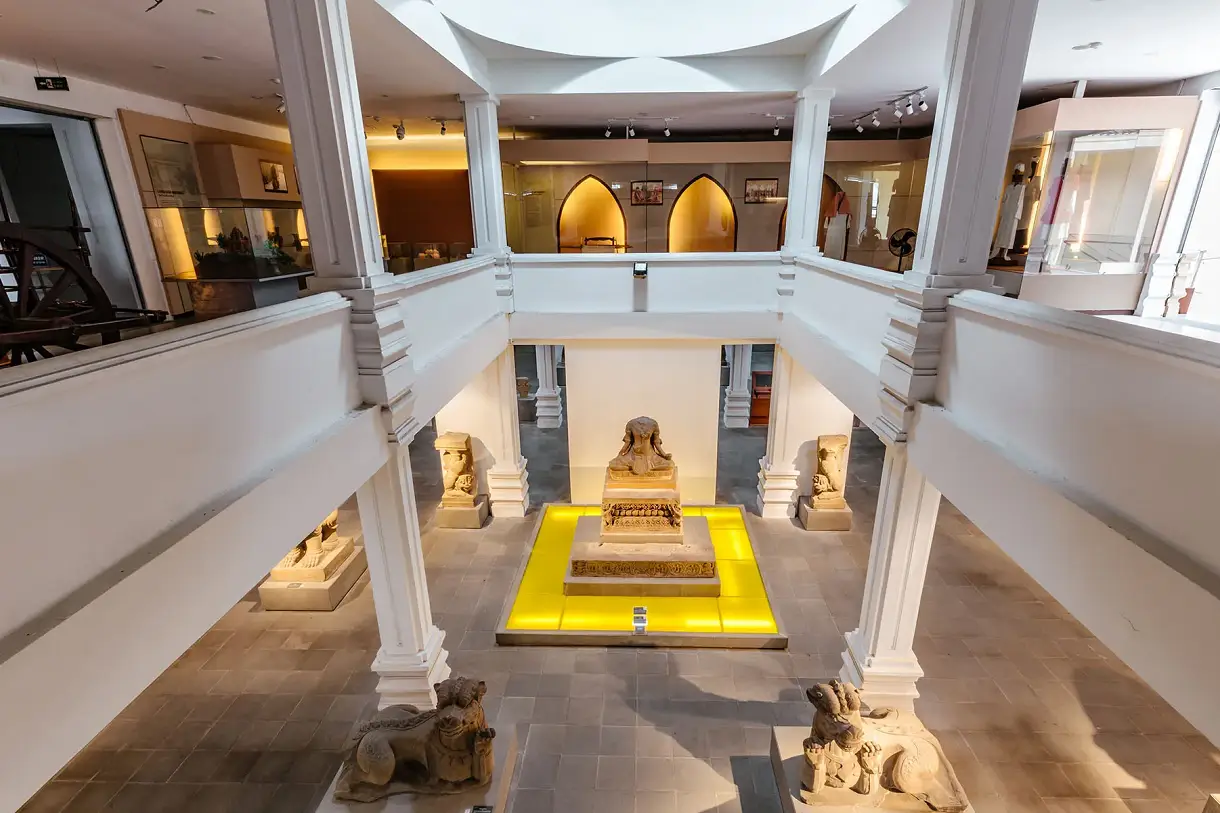
The main exhibition hall houses the core collection of Cham sculptures, while adjoining rooms showcase inscriptions, ceramics, traditional music, festivals, and Cham craftsmanship. Upstairs, the second floor is dedicated to performances and educational activities, while a newly renovated service area sits within the garden space — a pleasant spot to pause and take in the surroundings before continuing the visit.
In 2011, the Da Nang Museum of Cham Sculpture was officially recognized as a first-class museum in Vietnam - a title that reflects its ongoing role in preserving and promoting the cultural heritage of both the Champa Kingdom and Vietnam as a whole.
3. What's inside The Da Nang Museum of Cham Sculpture
With more than 300 artifacts on display, the Da Nang Museum of Cham Sculpture holds some of the finest examples of Champa sculpture art ever created, spanning roughly the 5th to the 15th centuries. Among the highlights are depictions of Hindu and Buddhist deities, fertility symbols, guardian figures, and intricate architectural carvings, many of which are classified as national treasures.
The collection is divided into 12 rooms corresponding to the geographical areas where parts of the collection were discovered, including Tra Kieu, My Son, Dong Duong, Quang Binh, Quang Tri, Thua Thien Hue, Da Nang, Quang Nam, Quang Ngai, Thap Mam, Binh Dinh, Kon Tum; and 04 thematic galleries are Champa Inscriptions, Sa Huynh - Champa Pottery, Festivals and Traditional Crafts of Cham people in Ninh Thuan, Introducing Archaeological results at Champa Phong Le relic (Da Nang City).
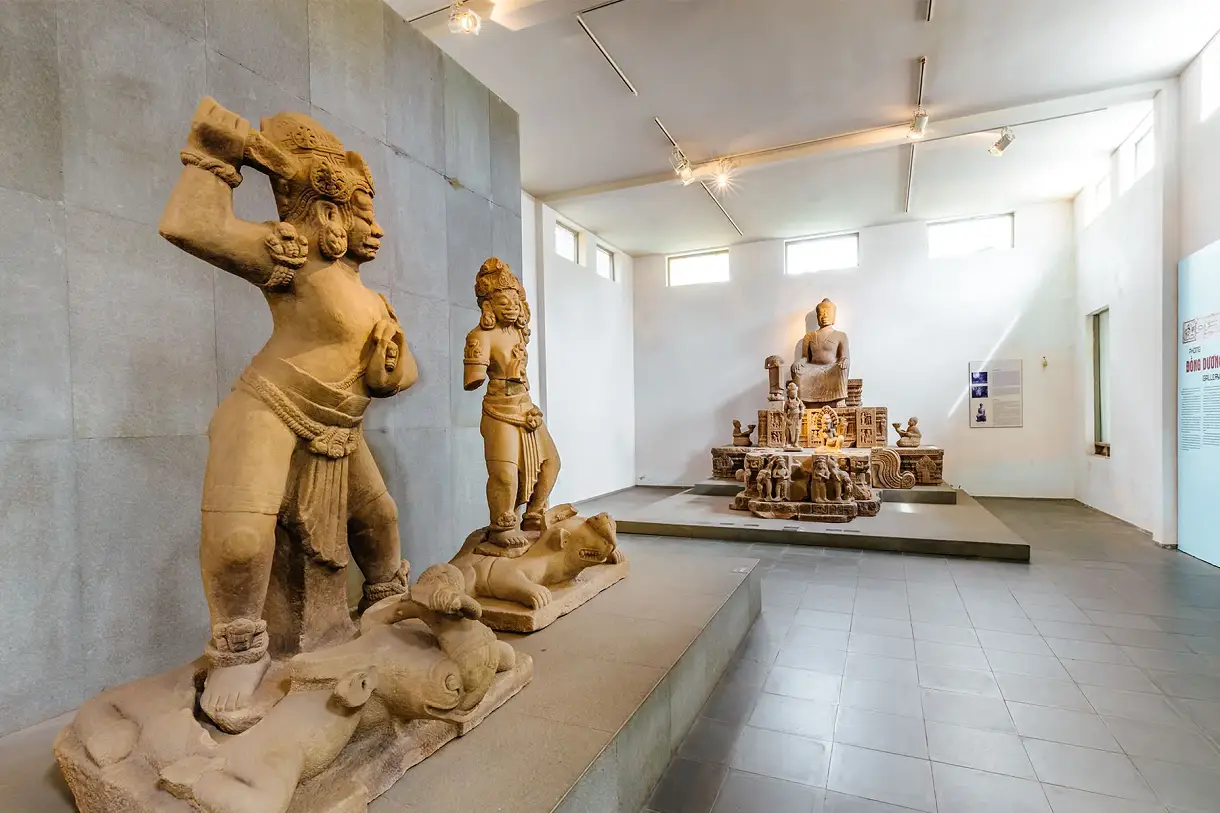
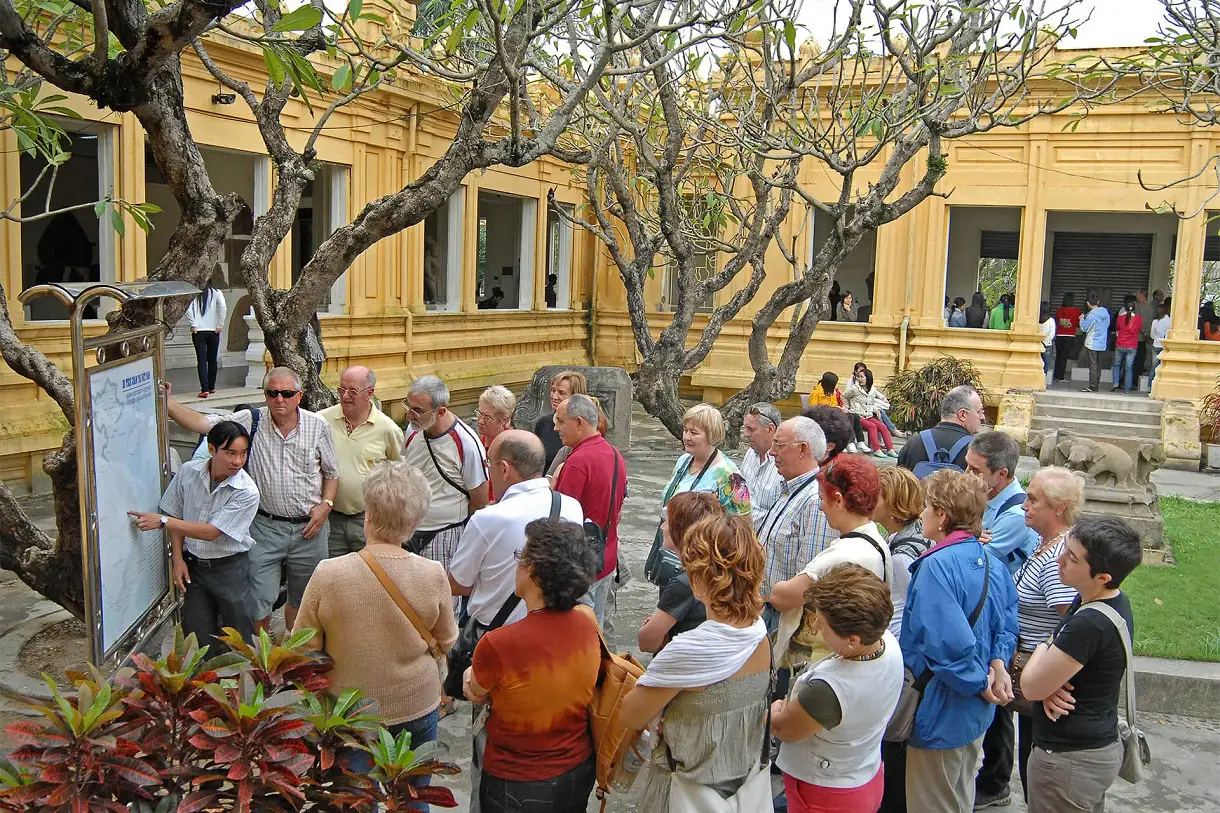
For a more immersive experience, tech-savvy travelers will appreciate the museum's 3D scanning initiative, piloted by the Da Nang Tourism Promotion Center back in September 2020. Visitors can now explore four of the main galleries: Tra Kieu, My Son, Dong Duong, and Thap Mam through a 360-degree virtual viewing experience, available at scan3d.danangfantasticity. It's a great option for getting a closer look at delicate details that might be hard to see from behind the display glass.
People also read: 12 Things To Do in Da Nang at Night You Should Never Miss Out
Audio guide service
Tourists can access the audio service at Cham Sculpture Museum by:
Step 1: Access the wifi system at the Museum.
Step 2: Open a web browser and visit the address: https://chamaudio.com
Step 3: Select the language (Vietnamese, English, or French) and the object you want to listen to. Visitors can scan the barcodes attached next to the artifacts or follow the tour sequence introduced in the app.
Tour guide service
Da Nang Museum of Cham Sculpture also provides tour guide service for:
Groups of 5+ people, in languages: Vietnamese, English, French.
Service hours: From 7:30 a.m. to 11:00 a.m. and 2:00 p.m. to 5:00 p.m. daily
Groups with accompanying guides or requiring English/French-speaking guides, please contact at least 3 days in advance.
Contact: Education and Demonstration Department
- Phone number: (84-236) 3572935
- Email: [email protected] or [email protected].
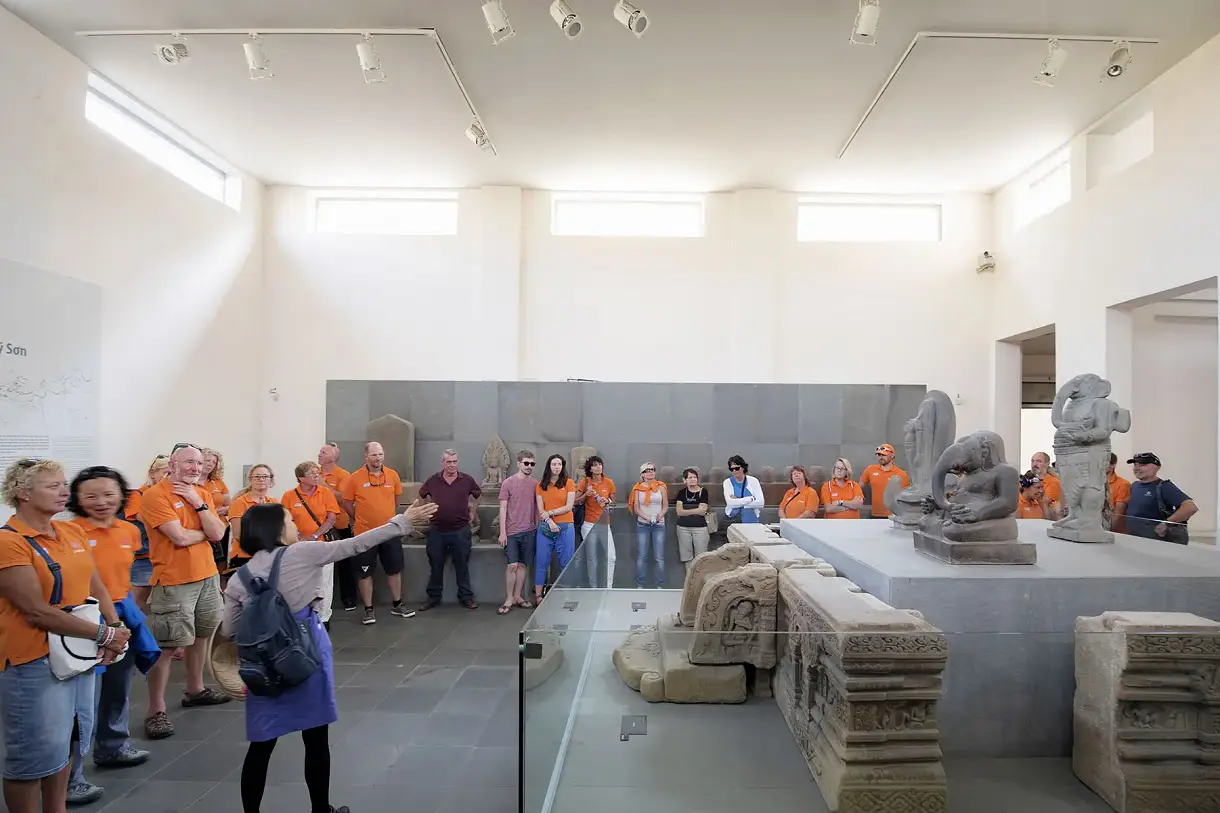
In addition, the museum also has a coffee shop and souvenir shop that operate according to the Museum's opening hours.
4. Ticket price and opening hours of Da Nang Museum of Cham Sculpture
- Address: No. 02, September 2 Street, Phuoc Ninh Ward, Danang
- Electronic news website: chammuseum.vn
- Opening hours: From 7:30 a.m. to 5:00 p.m. daily
- Ticket price: 60.000 VND (approx. 2.50 USD) per person
Note: Ticket prices and opening hours are accurate as of publication but may change, so it's always a good idea to double-check on the museum's official website before your visit.
To make the trip more convenient, it's also worth thinking about the best time to visit Da Nang before locking in your itinerary — this way, you can pair your museum visit with other outdoor activities.
5. Tips for visiting the Da Nang Museum of Cham Sculpture
Like most heritage sites in Vietnam, the museum asks visitors to follow a few basic guidelines to help preserve its artifacts and maintain a respectful atmosphere for everyone:
- Show your ticket before entering the exhibition areas.
- Dress modestly and appropriately, just as you would when visiting any other sacred places in Da Nang.
- Weapons, explosives, flammable materials, acids, and other hazardous substances are strictly prohibited.
- Large luggage isn't allowed inside — bags over 3 kg should be left at the baggage counter (only bring money and valuables with you).
- Smoking, eating, drinking, and wearing raincoats inside the galleries are not permitted. Please help keep the space clean, and note that street vending is not allowed on museum grounds.
- Banners and pets are not permitted inside, and visitors are asked to keep noise to a minimum while exploring.
- Avoid touching the artifacts or their display pedestals.
- Tripods and flash photography aren't allowed. Any filming or photography for commercial purposes requires prior approval from museum management.
- Visitors are responsible for any damage caused during their visit.
See more:


 TRAVELERS' CHOICE 2026


02 Comments
Croatia
How long should we plan to spend at the museum if we want to see everything without rushing?
Vietnam
Write Reply