
Earlier I thought differently, many thanks for the information.
__________
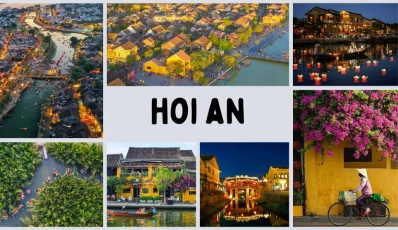
Hoi An is not just about moss-covered ancient streets and nostalgic hues. Just minutes from the centre, you will encounter a lush, tranquil Hoi An where rural life still maintains its simple rhythm: from the rice paddies and daily routines of locals to the long-standing traditional craft villages. If you are looking for a peaceful journey close to nature and wish to fully immerse yourself in Vietnam's rice culture, the Hoi An countryside is the ideal choice.
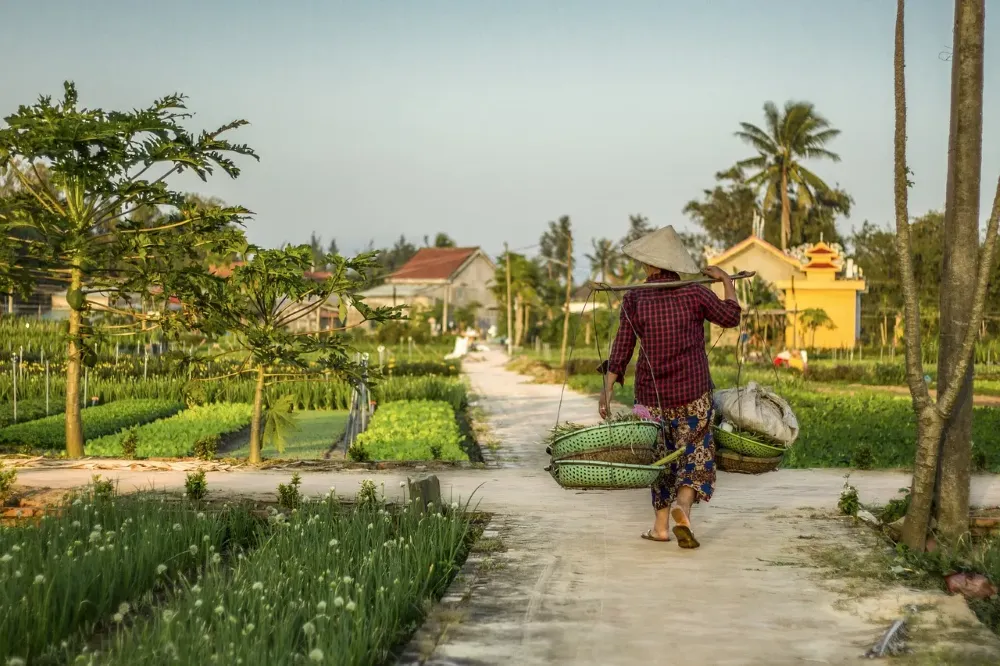
The rural area of Hoi An is composed of three main regions:
Just 2 km from the Ancient Town, this area stretches from Ly Thai To Street to the De Vong River. It is home to verdant rice paddies, shrimp and fish farms, the famous Tra Que vegetable village, and the peaceful An My village.
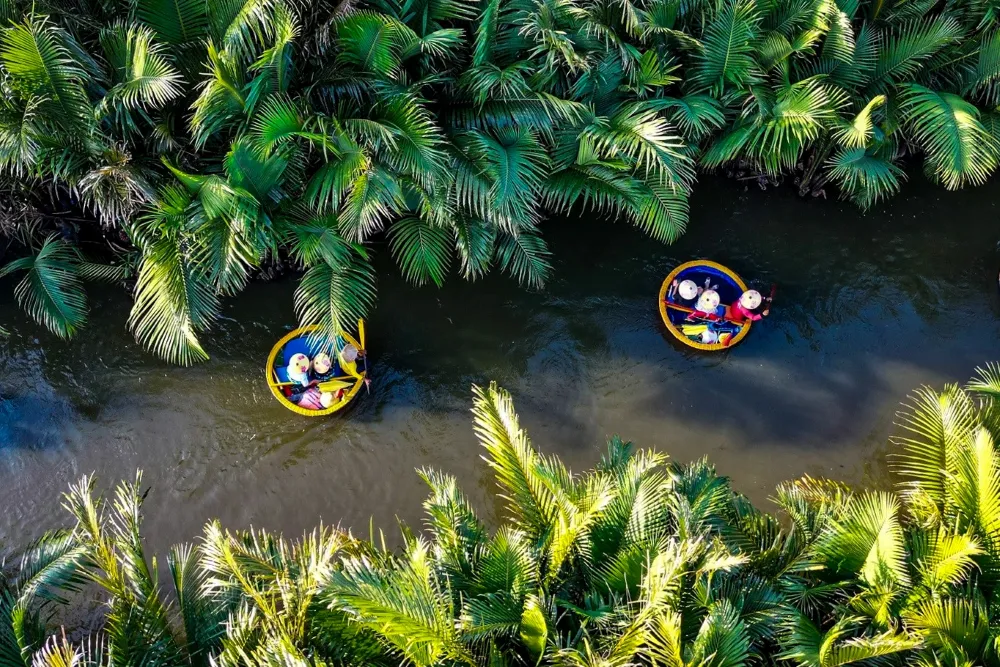
Only 3 km from the Ancient Town, Cam Thanh is bordered by three rivers: the Do River to the west, the De Vong River to the east, and the Thu Bon River to the south. It boasts a rich ecosystem with rice fields, shrimp ponds, coconut forests, small streams shaded by coconut palms, and rustic villages. The most notable attractions are Cam Thanh Coconut Village and Bay Mau Coconut Forest, where visitors can take a thúng boat ride (basket boat), watch a 'thúng running' performance, or attend a cooking class.
Situated between the Thu Bon River and about 3 km from the Ancient Town, Cam Kim Island includes the communes of Cam Kim and Duy Vinh. Visitors can admire rice paddies, corn, peanut, sweet potato fields, vegetable gardens, pagodas, reed beds, herds of cattle, water buffalo, and ducks, fishing boats, and traditional craft villages. The most notable are the Kim Bong carpentry village and Tra Nhieu fishing village, both accessible by boat from central Hoi An. Besides farming, locals also engage in fishing, mat weaving, wine making, rice paper production, boat building, and wood carving.

Tra Que Vegetable Village
Dated back the 16th century and located about 3 km northeast of Hoi An Ancient Town, the Tra Que Vegetable Village sits on a unique piece of land—a small 'island' between the river and the sea. Surrounded by the Co Co River and Tra Que Lagoon, the area benefits from a temperate climate and fertile soil, ideal conditions for the people to maintain and develop traditional organic vegetable cultivation for hundreds of years.
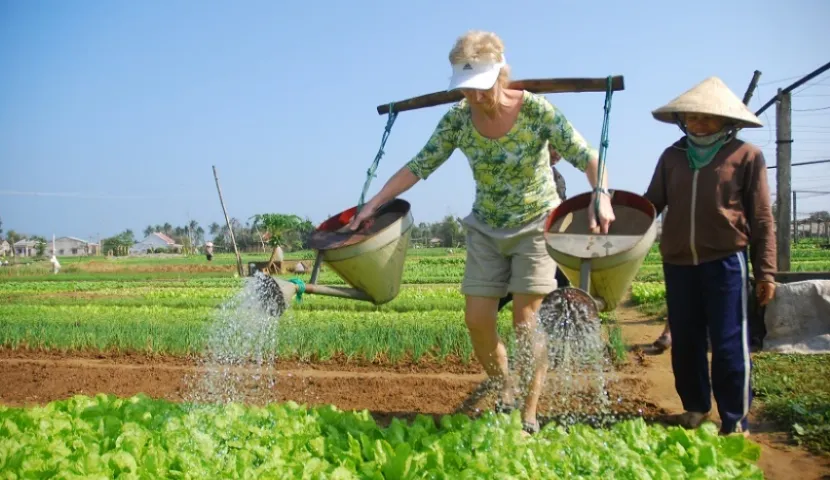
Once you arrive in Tra Que, visitors can join the “A Day as a Vegetable Farmer” experience, the most popular activity here. You will transform into a real farmer, donning straw sandals and conical hats, working alongside locals to till the soil, plant vegetables, fertilise, catch pests, and water the lush gardens.
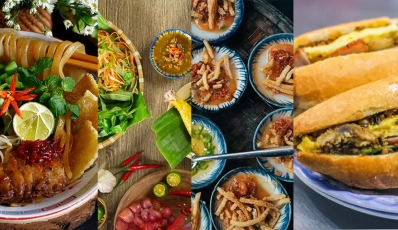
After hours of fun and rewarding work, you will be offered a glass of cool water, relax with an herbal foot bath, and then cook and enjoy famous local specialities with the locals, accompanied by the village’s fresh vegetables, such as: banh dap (rice cracker), banh vac (rice flour cake), hen tron (mixed clams), tam huu (prawns), cao lau (noodles), mi Quang (Quang noodles)...
Cam Thanh Coconut Village
Mentioning Hoi An, people often think of the moss-tiled roofs and ancient charm of the old town. But just a few kilometres from the centre, you will encounter a very different Hoi An: green, tranquil, and full of life. This is Cam Thanh Village, where the Bay Mau Coconut Forest stretches along the riverbank, closely associated with generations of Quang inhabitants.
The Bay Mau Coconut Forest tourist area is about 3 kilometres from the Ancient Town and 31 kilometres from Da Nang. With its tropical climate and distinctive brackish water features, this area provides an ideal environment for coconut palms to thrive. All of this blends with the picturesque river scenery, creating a simple but captivating natural landscape.
Visiting the Bay Mau Coconut Forest, tourists can not only admire unique natural scenery but also have the opportunity to experience exploring the coconut forest aboard a thúng basket boat. As the boat gently glides in the shade of the green coconut palms, you can enjoy the fresh air and listen to interesting stories about this land. Visitors can choose between two types of thúng boats: a small boat for two people and a large boat for four people. Notably, during the journey, you can also listen to rustic Quang Nam folk songs, making the trip lively and rich in local character.
See more: What to know about basket boat ride in Hoi An, Vietnam
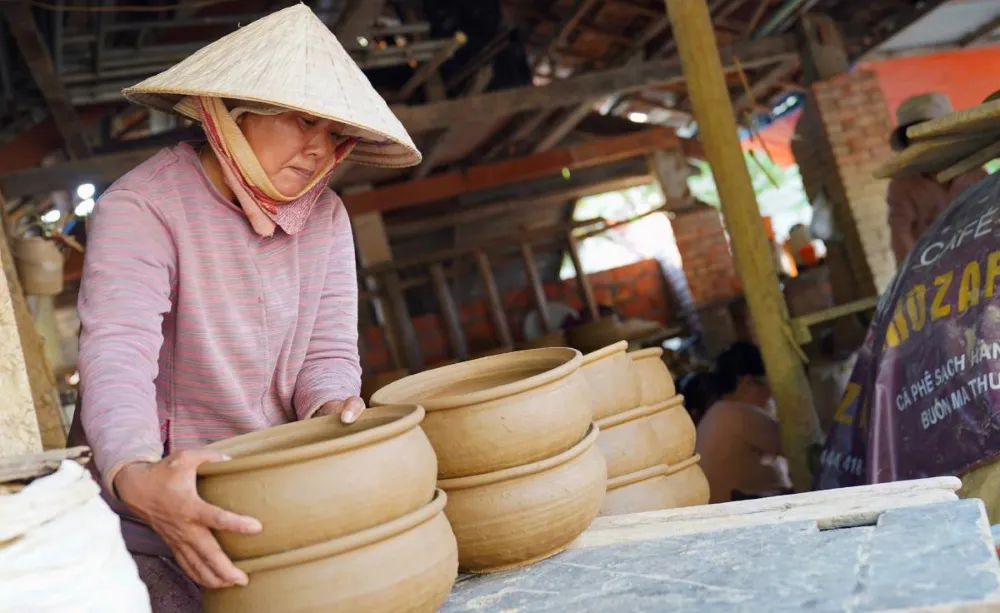
Thanh Ha Pottery Village
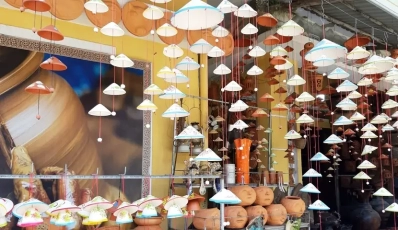
Located about 3 km west of the Hoi An Ancient Town, Thanh Ha Pottery Village is one of the oldest traditional craft villages in Hoi An, having preserved its traditional craft culture almost intact for over 500 years. Once a ceramics supply centre for the central region and coastal areas, this place is likened to a "living museum" of traditional pottery art, attracting thousands of visitors every year.
Visitors to the Pottery Village can not only explore the pottery production process—from raw clay, kneading, shaping, to finishing the product—but also try their hand at making pottery under the guidance of skilled artisans. You will also have the opportunity to chat with talented craftsmen, hear stories about the traditional pottery trade, and learn about the village's architecture and lifestyle.
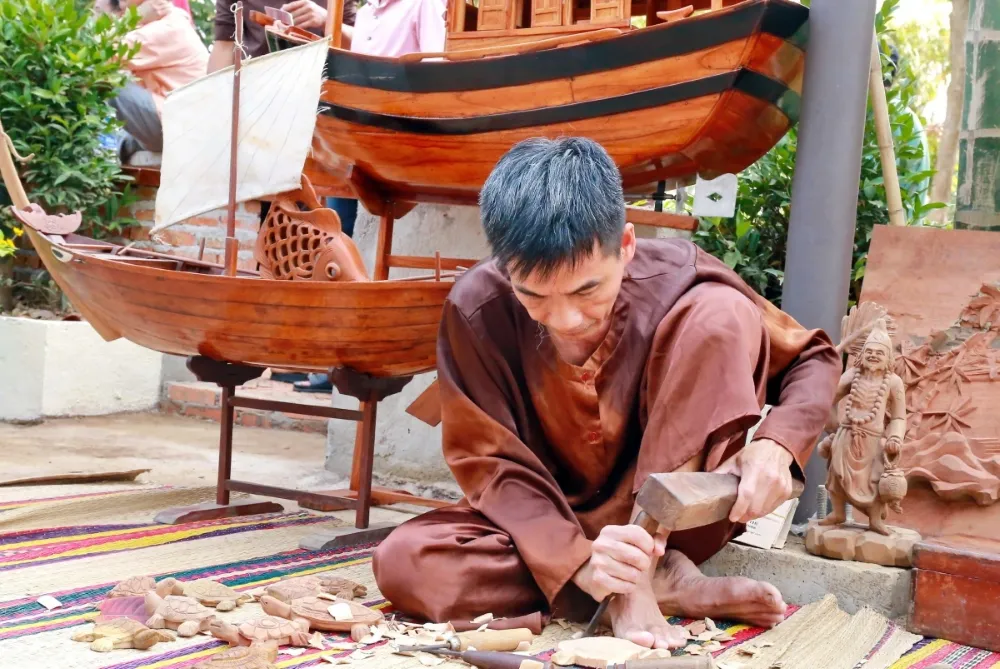
Kim Bong Carpentry Village
Situated next to the peaceful Thu Bon River in Cam Kim commune (Hoi An, Quang Nam), Kim Bong Carpentry Village is one of the oldest and most famous traditional craft villages in Central Vietnam. Since the 16th century, Kim Bong has been known as a centre for carpentry and craftsmanship, contributing to the construction of many grand structures like ancient houses, pagodas, and sailing ships.
What makes Kim Bong unique is the masterful craftsmanship of its artisans and their commitment to preserving traditional cultural values through generations. The wooden products here are exquisitely made, durable, and rich in artistic expression, reflecting meticulous attention to detail and creativity in every carving.
Visiting the village, tourists can admire unique wooden works, learn about the history of the craft village, and observe the elaborate production process. This journey helps to gain a deeper understanding of the local rice culture, while offering an authentic and meaningful experience.
Furthermore, don't forget to stop by the woodworking area, the "heart" of Kim Bong, where large and small artisan workshops are located. Here, you can see how a complete wooden product is created, from simple pieces of wood to refined works of art.
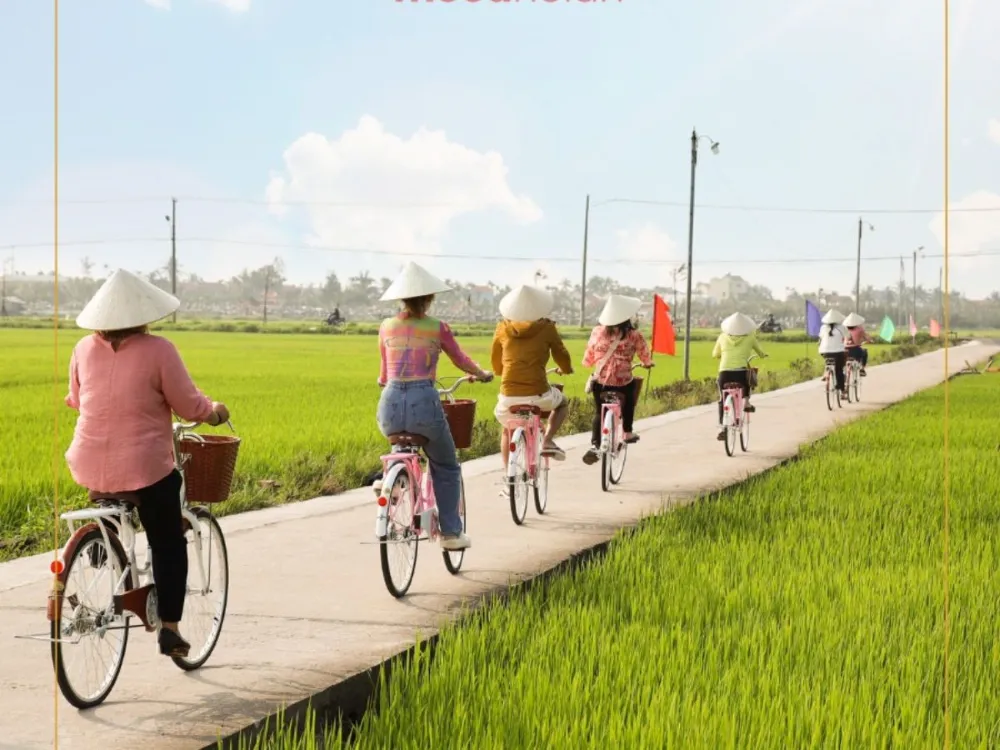
Walking or cycling through the Hoi An rice paddies rice paddies
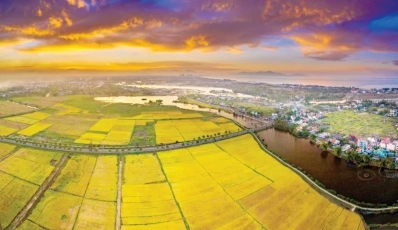
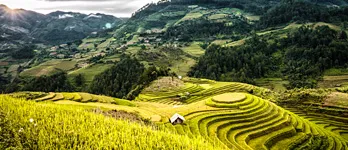
This is one of the most beloved sceneries for visitors to Hoi An. Depending on the season, the rice fields can be lush green or turn a golden yellow when the rice is ripe, creating a stunning backdrop for viewing and photography. During tours, especially cycling tours, guides often provide insights into how to sow, care for, and harvest rice—a staple food closely linked to Vietnamese rice culture.
The easiest way to admire the rice fields is by walking or cycling along Hai Ba Trung Street, the road connecting the Ancient Town to An Bang beach. On the way to My Son Sanctuary, visitors will also encounter vast rice paddies in the Cam Kim Island area. Additionally, Tong Van Suong route, the road connecting Hoi An to Cam Thanh Coconut Village, also features long stretches of rice fields interspersed with ancient tombs, creating a unique landscape.
In the Hoi An rice paddies, besides sightseeing and photography, visitors can also participate in many exciting experiences such as: riding water buffalo, cycling on small paths through the fields, learning to plant rice (early season), learning to harvest rice (late season), watching the sunrise or sunset, or flying kites for outdoor relaxation.
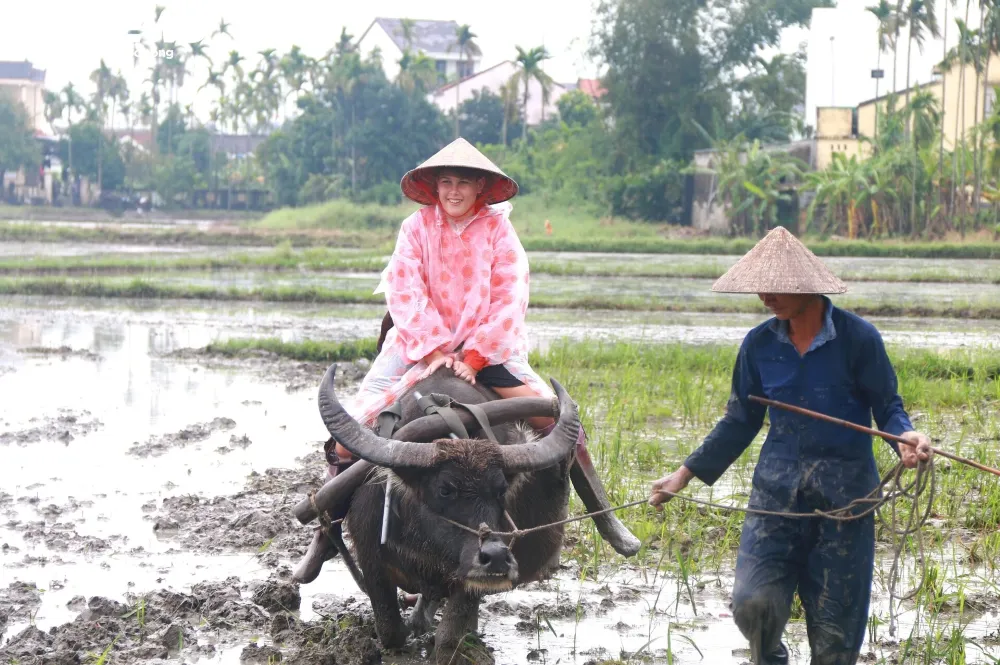
Water buffalo riding water buffalo
This experience has long been a symbol of Vietnam’s rice civilisation. They are not only the farmers' 'daily bread' but are also deeply intertwined with cultural life, appearing in folk songs, proverbs, and many traditional activities. In Hoi An, the image of green fields with herds of water buffalo grazing peacefully has become a distinctive and tranquil feature that delights visitors.
Riding a water buffalo is one of the most entertaining experiences when exploring the Hoi An countryside. Sitting on the buffalo’s back, leisurely crossing the small paths along the fields, visitors can enjoy the rustic scenery of the countryside while sensing the slow pace of local life. Some tours even allow visitors to take photos with the buffalo, feed them, and learn how farmers care for and train these gentle animals.
However, while water buffalo are generally quite docile, approaching or riding them without the guidance of their owner still carries risks. Each buffalo has its own personality, and only those that have been trained and are accustomed to carrying passengers are suitable for this experience. Therefore, visitors should book a professional tour or go with a local guide to ensure safety. Here, you will be taught how to mount and dismount the buffalo, maintain balance, and enjoy a complete, worry-free experience.
Water buffalo riding not only brings joy but also helps visitors better understand the agricultural rice culture, the foundation of Vietnamese life. This is definitely a must-try experience when visiting the Hoi An countryside.
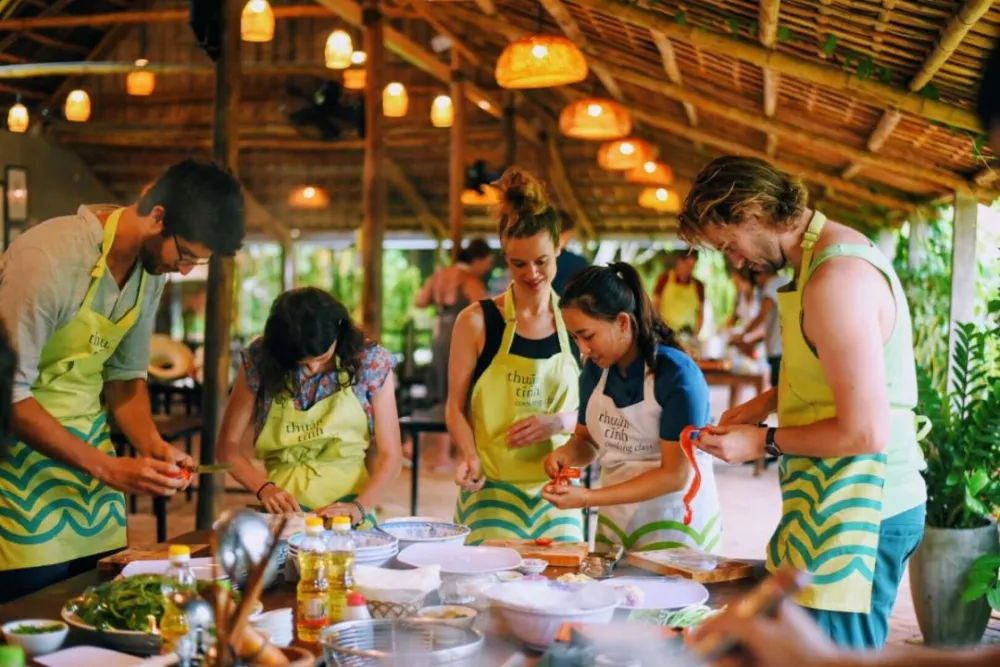
Try cooking Vietnamese cuisine
If you visit Tra Que Vegetable Village or Cam Thanh Coconut Village, do not miss the cooking classes—a fun activity that helps visitors discover the richness of Vietnamese cuisine. Within a few hours, local chefs will introduce you to fresh ingredients, local herbs, and characteristic spices that bring traditional flavours to life. As you prepare each dish with your own hands and savour its aroma, many visitors describe it as “the most unforgettable moment of the trip.”
The classes are suitable for all ages, especially families. Afterwards, you get to enjoy the fruits of your labour: a meal rich in authentic Vietnamese cuisine flavours.
At Tra Que Vegetable Village, the journey often combines cycling through the rice paddies and farming experiences. The classroom, set amongst lush rows of vegetables, offers a rare sense of tranquillity. The class is paired with a basket boat ride along the coconut groves. Immersed in the peaceful river setting, you will begin your culinary journey in an intimate, rustic, and charming atmosphere.

The rice paper making experience rice paper
This is an indispensable ingredient in Vietnamese cuisine. In Hoi An, rice paper is found in many dishes such as grilled meat rolls, fresh spring rolls, fried spring rolls, served with Quang noodles, stir-fried clams, or banana flower salad.
To create a thin, chewy, and fragrant rice paper, locals must follow many meticulous steps: soaking the rice overnight, fine-grinding it, spreading the batter on a thin cloth stretched over a pot of boiling water, and then skilfully removing the paper with a bamboo stick to dry it. The paper can be used fresh, made into noodles, or sun-dried to produce crispy crackers.
By personally performing each step, visitors can appreciate the sophistication of this traditional craft and understand why rice paper is so deeply rooted in Vietnamese cuisine.
Visitors can easily choose the most suitable means of transportation to explore the Hoi An countryside:
The Hoi An countryside is the perfect picture of harmony between nature and traditional rice culture. From experiences like water buffalo riding and cycling through the rice paddies to exploring ancient pottery and carpentry villages, every activity brings peace and a profound sense of connection.
See more:





 TRAVELERS' CHOICE 2026