 Start/End: Hanoi/Hanoi Route: Hanoi
 Duration: 01 Day
  Travel style: Family, Handicraft
  Tour type: Private tour
  Tour guide in:
English, Français, Español, Italiano
Tour guide in:
English, Français, Español, Italiano An excursion to the traditional handicraft villages on the outside of the Hanoi capital, immerse yourself into the daily life of the local citizens and enjoy the rural countryside.
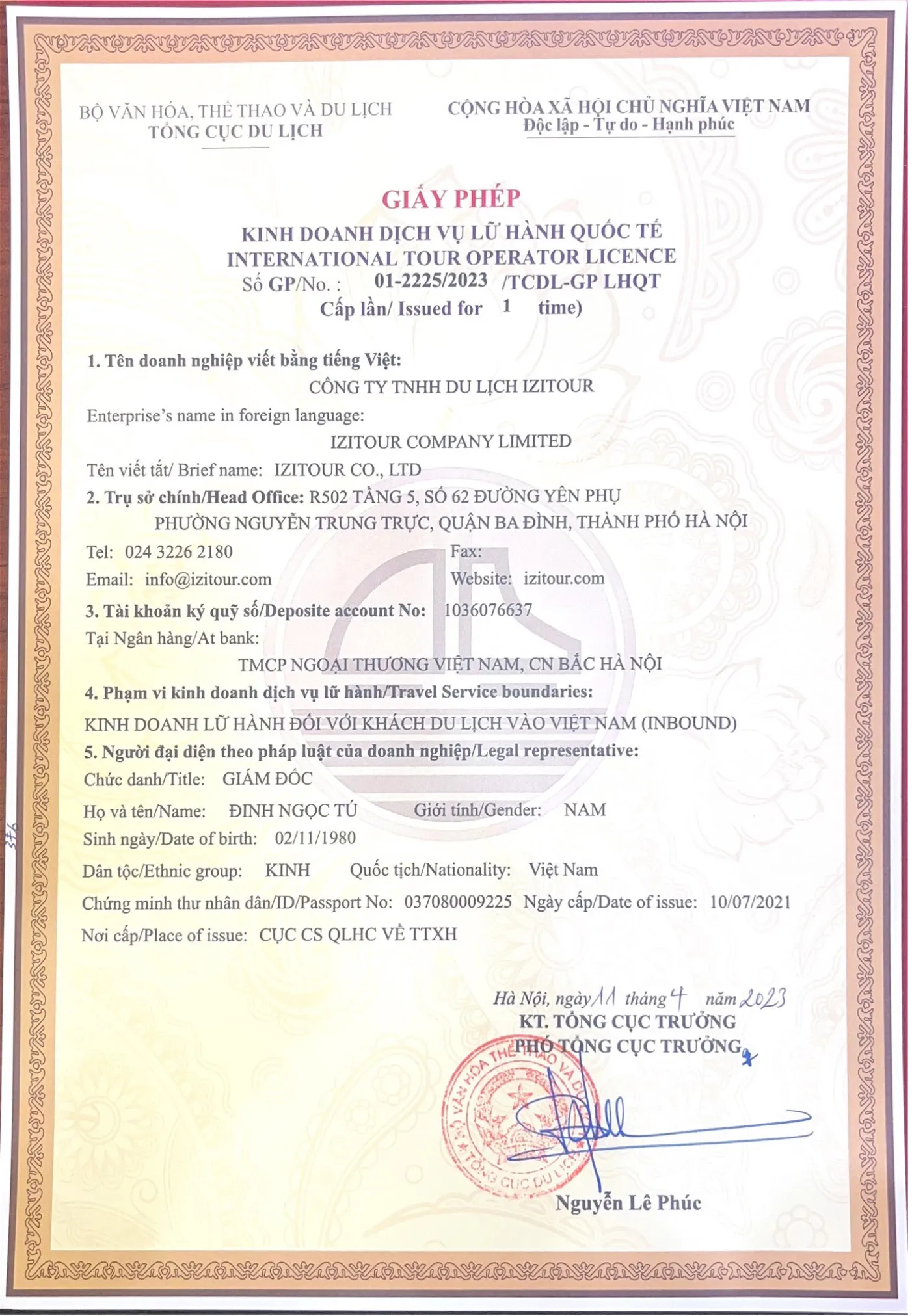
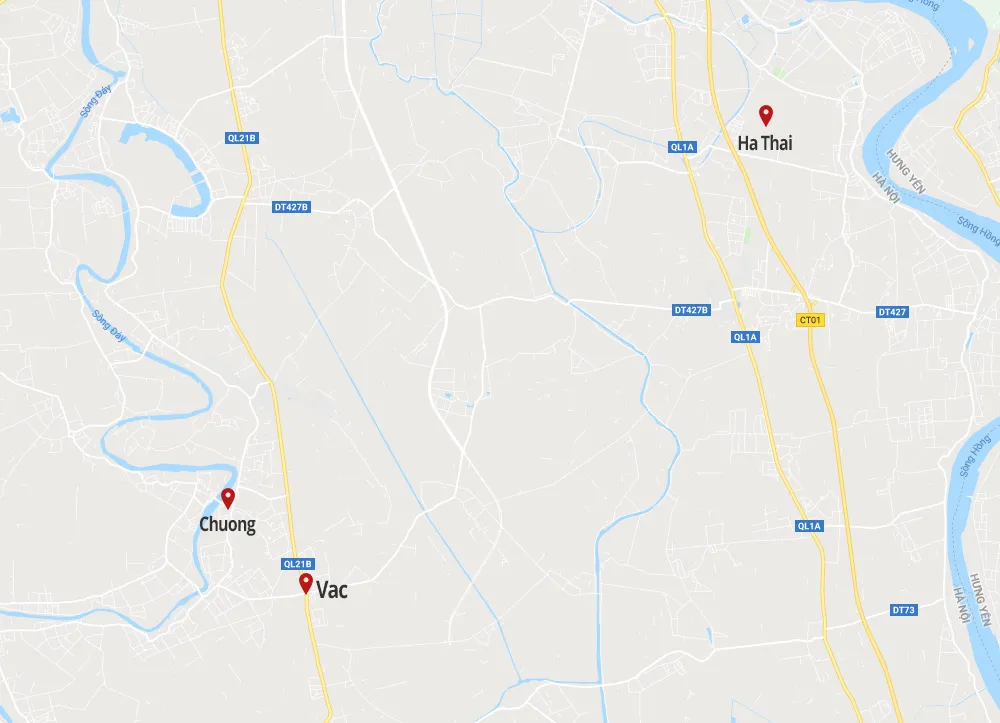
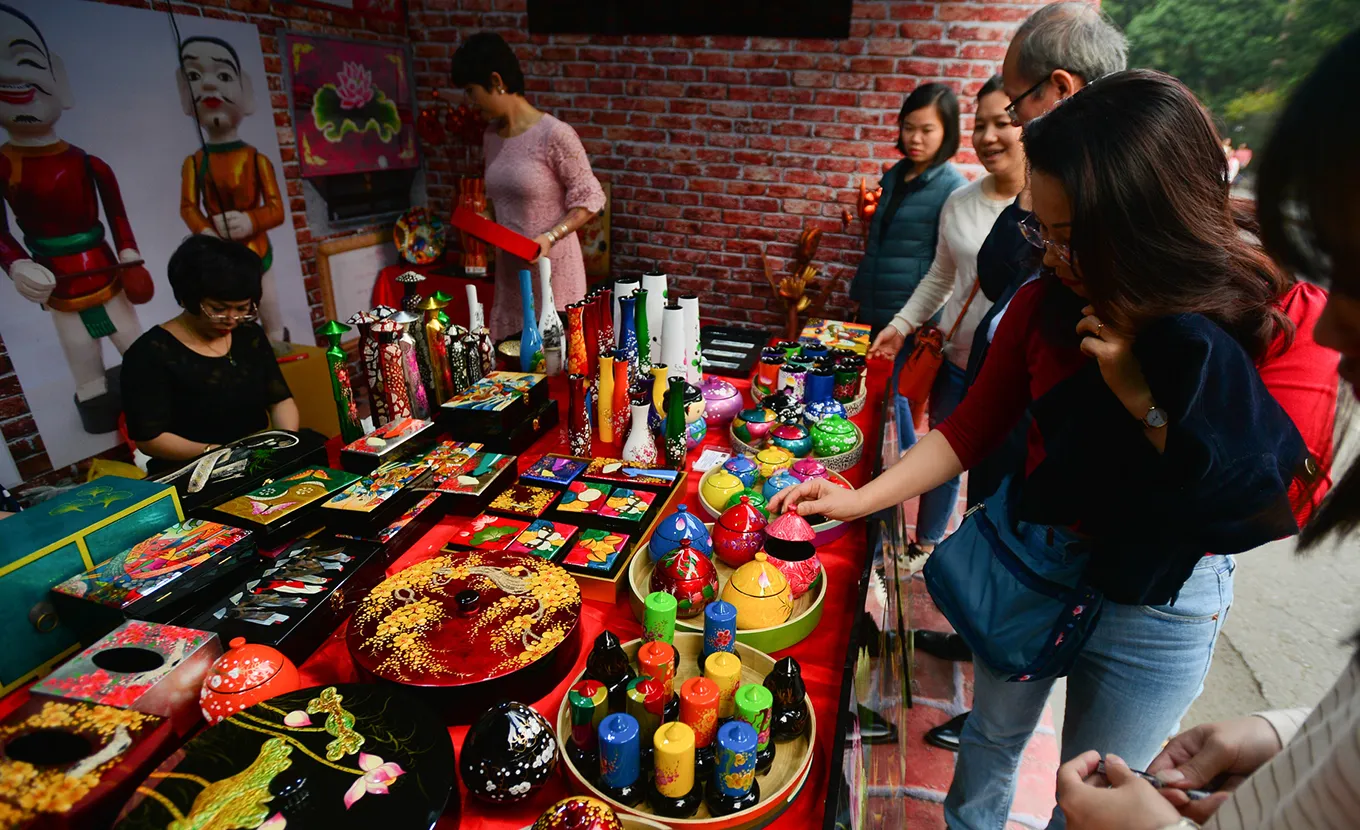
8:00 AM: Depart to Ha Thai Lacquer Village, located about 25 km south of Hanoi, is one of Vietnam’s most renowned traditional craft villages, with a lacquer-making heritage spanning more than 200 years. This trip offers rare insight into a meticulous art form using natural Vietnamese lacquer, eggshells, and mother-of-pearl.
After a one-hour drive from Hanoi through peaceful rural landscapes, you arrive at Ha Thai, where lacquer remains part of daily village life.
You explore the village on foot with a local guide, visiting family workshops and discovering the key stages of lacquer production.
At a local lacquer studio, you join a hands-on session guided by a resident artisan, creating your own lacquer piece as an authentic souvenir.
Before returning to Hanoi, you have free time to browse locally made lacquer works, directly supporting village artisans and helping preserve this living craft tradition.
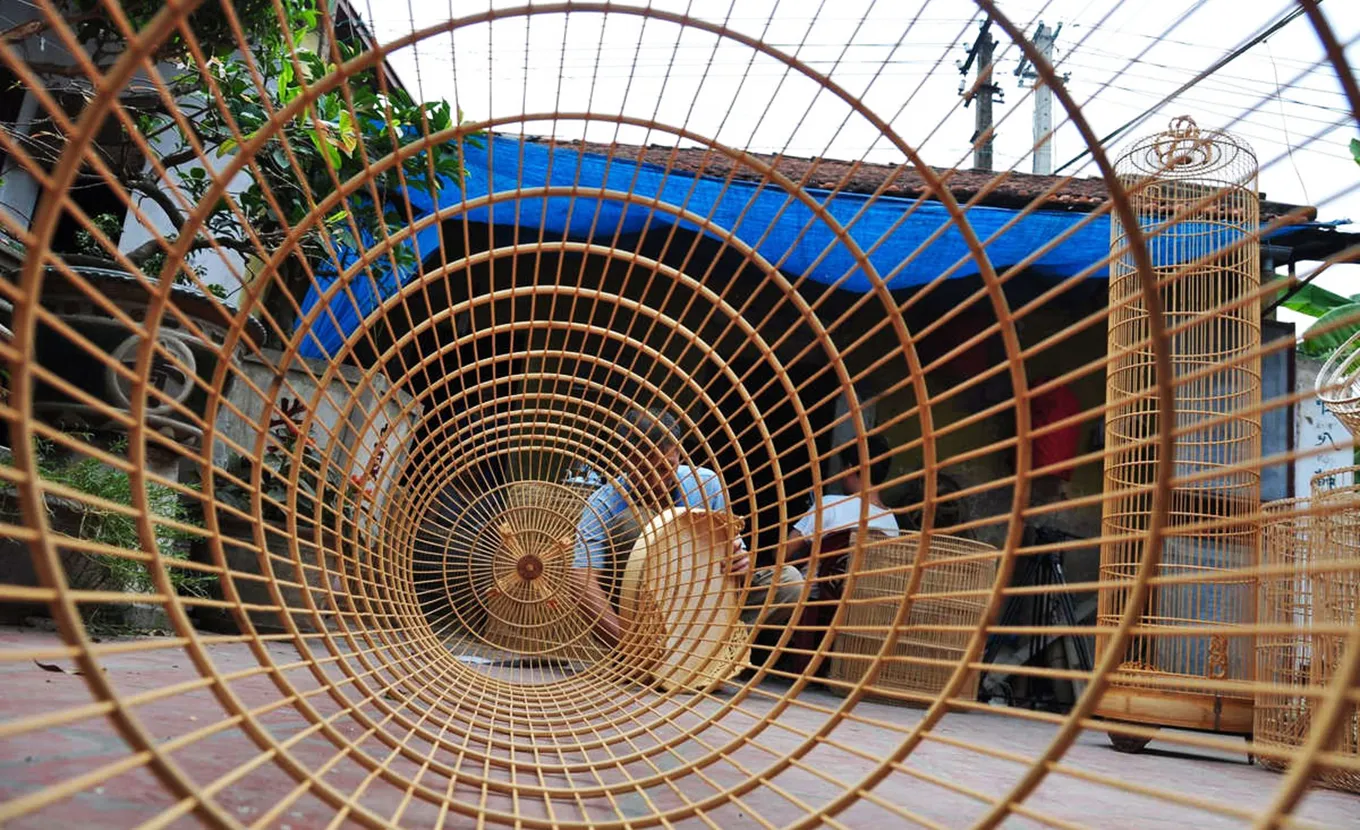
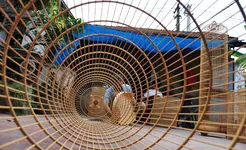
Continue to Vac bird cage making village which is well-known all over Vietnam, located about 35km away from Hanoi’s center. On the way break your trip to take photographs of the idyllic villages and the surrounding landscapes. On arrival, meet the craftsman Mr. Nghe who is the 3rd generation of a family that makes these bird cages. His ancestors learnt the skills from Chinese then introduced them to the local villagers.
The traditional skills of selecting bamboo, treating material, knitting and decorating the high quality products have been passed through many generations. Try some steps of the crafting process for yourself while they tell you about their life. Enjoy a stroll around the village, interacting with the friendly local people. It will be your great memories.
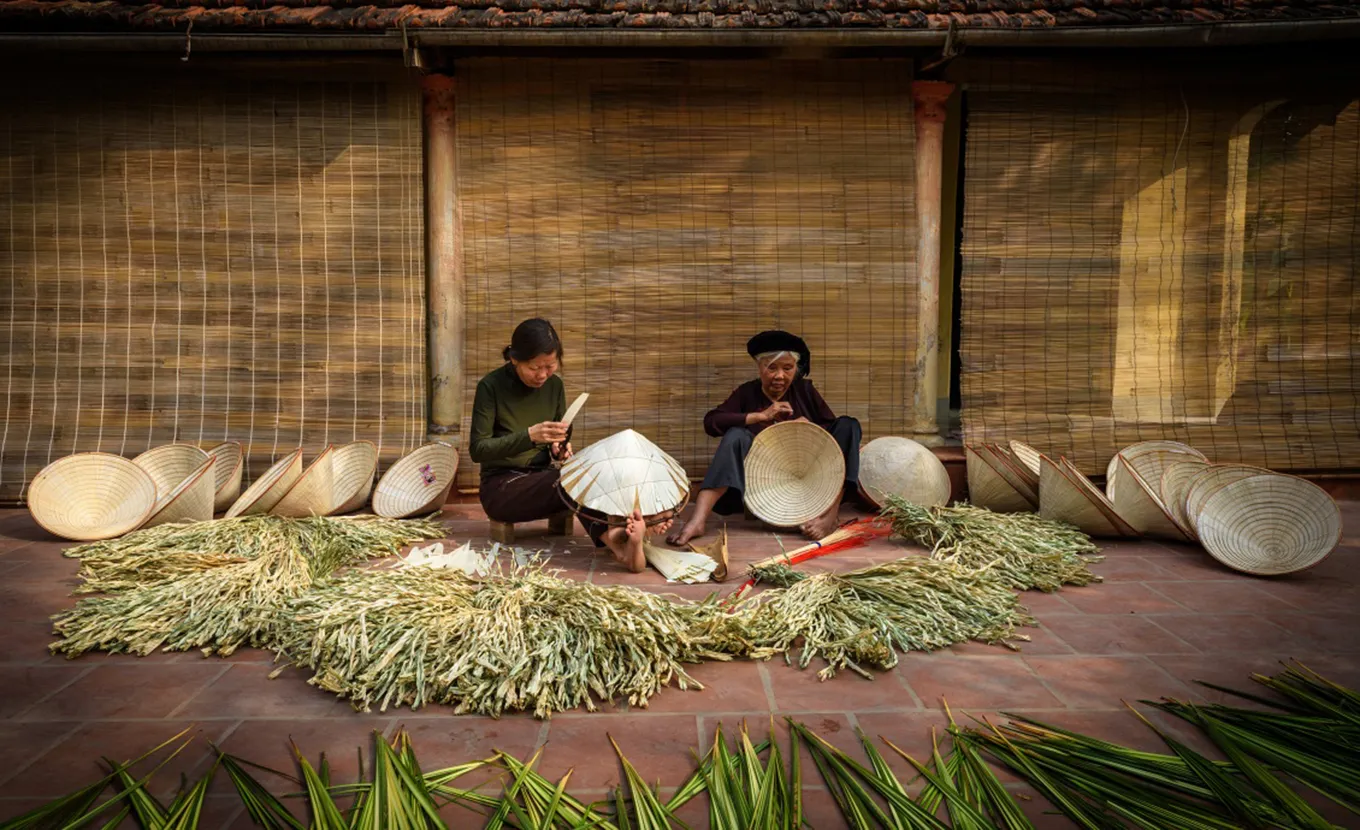
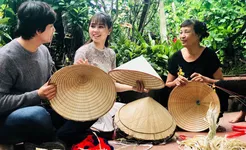
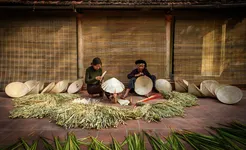
Take a short drive to Chuong Village, a traditional craft village renowned for its iconic Vietnamese conical hats. Here, you can discover the story behind one of Vietnam’s most recognizable cultural symbols — not simply as a souvenir, but as a craft that remains part of everyday life.
Upon arrival, if your visit coincides with a market day, explore the lively Chuong Market, which opens early in the morning from 5:00 AM to 7:00 AM on the 4th, 10th, 14th, 20th, 24th, and 30th days of the lunar calendar. Otherwise, visit the historic Chuong Communal House, an important gathering place for the local community.
Take a leisurely walk through the village and experience the rhythm of local life. Visit a local family's home to learn about their daily routines and discover a few simple stages of making a traditional nón lá. Rather than a demonstration arranged for visitors, you will see a craft that local people continue to practise as part of their everyday lives.
Get a transfer back to your hotel later in the afternoon.
Traveling with more than 8 people? You can select a different group size in the next step.
Group Size 9+


Your passport must be valid for at least six months beyond your date of arrival in Vietnam and contain a minimum of two blank pages.
French citizens, as well as nationals of 12 other countries (including Japan, South Korea, the United Kingdom, Germany, Italy, and Spain), may enter Vietnam without a visa for stays of up to 45 days. If you plan to stay longer, or if your nationality is not eligible for this exemption, please check with the nearest Vietnamese embassy or consulate, or feel free to contact us for further information.
International flights are not included in the price of our tours. You are free to choose and book the flights that best suit your needs and schedule. If you wish, our travel consultants can assist you in finding the best available options.
Valid travel insurance is mandatory to participate in the tour. It must cover the following:
Before departure, please provide us with the following information:
Please check whether your credit card already provides coverage and consider purchasing additional insurance if necessary.
Spring (February to April) and autumn (September to December) are the most pleasant seasons to visit Vietnam, with mild weather and limited rainfall. However, the country stretches over more than 1,600 km, and weather conditions vary significantly. Vietnam can be visited year-round:
Please pack clothing suitable for each region according to your itinerary.
Vietnam operates on GMT+7 year-round. There is no seasonal time change.
The local currency is the Vietnamese Dong (VND). US dollars and euros are sometimes accepted in hotels, but this is not guaranteed.
Tip: Avoid using old, damaged, or torn banknotes, as they are often refused for payment.
If your tour includes domestic flights, the exact schedules, flight numbers, and relevant details will be provided in your travel documents.
Please arrive at the airport at least 2 hours before departure, bringing your passport and electronic ticket (or booking reference).
Baggage: Checked baggage allowance generally ranges between 20 kg and 23 kg, depending on the airline. Cabin baggage is usually limited to 7 kg.
Attention: Additional fees may apply if you exceed the permitted limits. We recommend checking the specific conditions of each airline (Vietnam Airlines, VietJet Air, Bamboo Airways, etc.) before your flight.
Flight schedules are subject to change by the airline. We will keep you informed in case of any updates.
If you have a connecting domestic flight in Vietnam, please follow these steps upon arrival:
Airport staff are generally available to assist you if needed. Do not hesitate to ask for help.
Recommended connection time: minimum 2 hours 30 minutes
This allows sufficient time for possible flight delays, queues at immigration and customs, and transfers between terminals.
Practical tip: At major airports such as Hanoi (Noi Bai) or Ho Chi Minh City (Tan Son Nhat), domestic and international terminals are not always located in the same building. Please allow ample time and follow the signs upon arrival.
No mandatory vaccinations are required to enter Vietnam.
However, health authorities recommend the following vaccinations, especially for long stays or travel in rural areas:
If you are undergoing regular medical treatment, please ensure you bring a sufficient supply of medication for the entire duration of your stay.
Do not forget to carry your prescription, preferably in English, to facilitate any checks or medical consultations on site.
The risk of malaria is very low in Vietnam’s main tourist areas, including Hanoi, Ha Long Bay, Ninh Binh, Mai Chau, Pu Luong, Hue, Hoi An, Da Nang, Ho Chi Minh City, and the tourist areas of the Mekong Delta. No malaria prophylaxis is generally recommended for these regions.
However, if you plan to travel to remote rural, forested, or mountainous areas (for example, Muong Te in Lai Chau, certain border or isolated areas of the northern highlands, or deep areas of the Mekong), you should consult a doctor or a travel medicine clinic to assess the need for preventive treatment.
Tips to protect yourself from mosquito bites
Upon your arrival in Vietnam, our driver will be waiting for you at the airport exit, holding a sign displaying: “IZITOUR – [Your name]”.
Please take a moment to carefully check the signs at the arrival exit. If you have any difficulty locating our driver, do not hesitate to contact our assistance team, available 24/7, at the following number:
+84 382 536 266 (direct call or WhatsApp available).
Practical tip: Make sure your phone is activated for international calls or internet access upon arrival to facilitate communication if needed.
Note: At some airports, several drivers may be waiting at the exit. If you do not immediately find our representative, please remain in the meeting area and contact us — we will assist you promptly.
Our small-group tours generally bring together between 4 and 7 participants. You will travel alongside people from diverse backgrounds, with different nationalities, cultures, and ages. This is a great opportunity to share experiences, exchange perspectives, and build meaningful connections throughout the journey.
To ensure that all planned activities run smoothly, punctuality is essential. Please respect the schedules communicated by your local guide to guarantee an enjoyable and seamless experience for the entire group.
For group tours, room allocation is based on the gender indicated on your passport. By default, you will share a twin room with a traveler of the same gender.
You will be accommodated in a single room in the following cases:
In both cases, a single supplement applies. Please contact your travel consultant to check availability and the exact supplement amount.
Note: This supplement does not apply to train cabins, which include four berths per compartment.
 Start/End: Hanoi / Hanoi Route: Hanoi
 From $13 /Person
 Start/End: Hanoi / Hanoi Route: Hanoi
 From $15 /Person
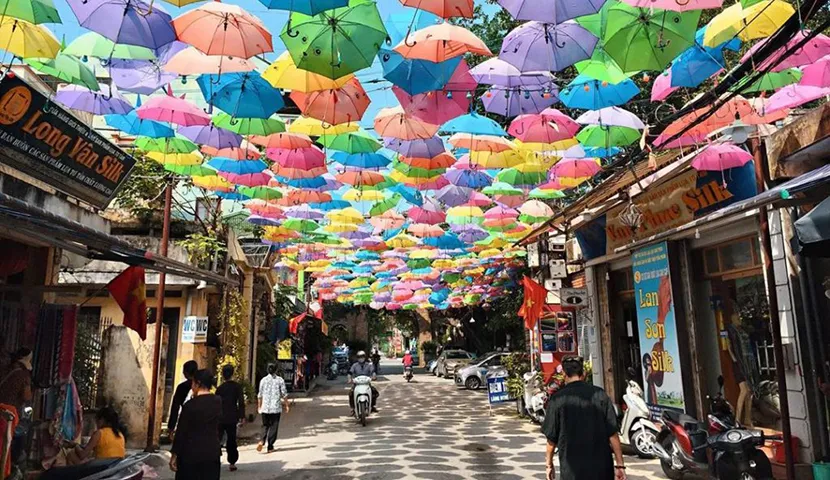 Start/End: Hanoi / Hanoi Route: Hanoi
 From $21 /Person
 Start/End: Hanoi / Hanoi Route: Halong Bay
 From $32 /Person
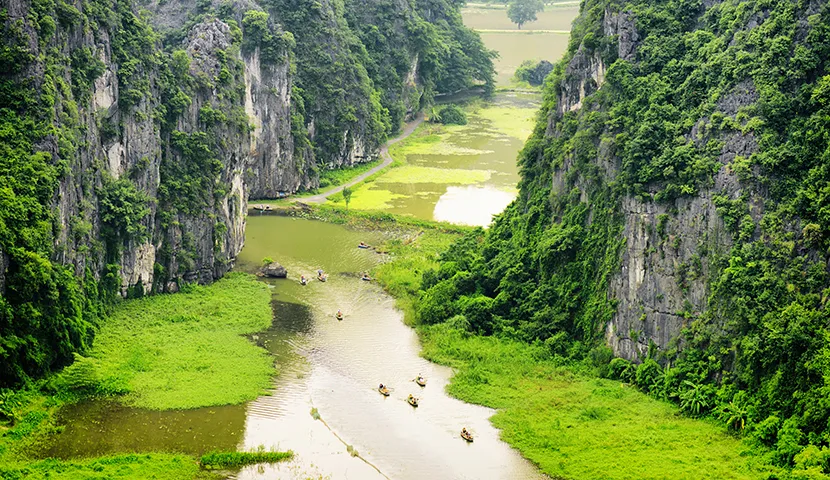 Start/End: Hanoi / Hanoi Route: Ninh Binh
 From $27 /Person


 [email protected]
 +84 382 536 266 (Whatsapp)
 www.izitour.com


 +84 382 536 266 (Whatsapp)

 English
 Français
 Español
 Deutsch
 Italiano
 Português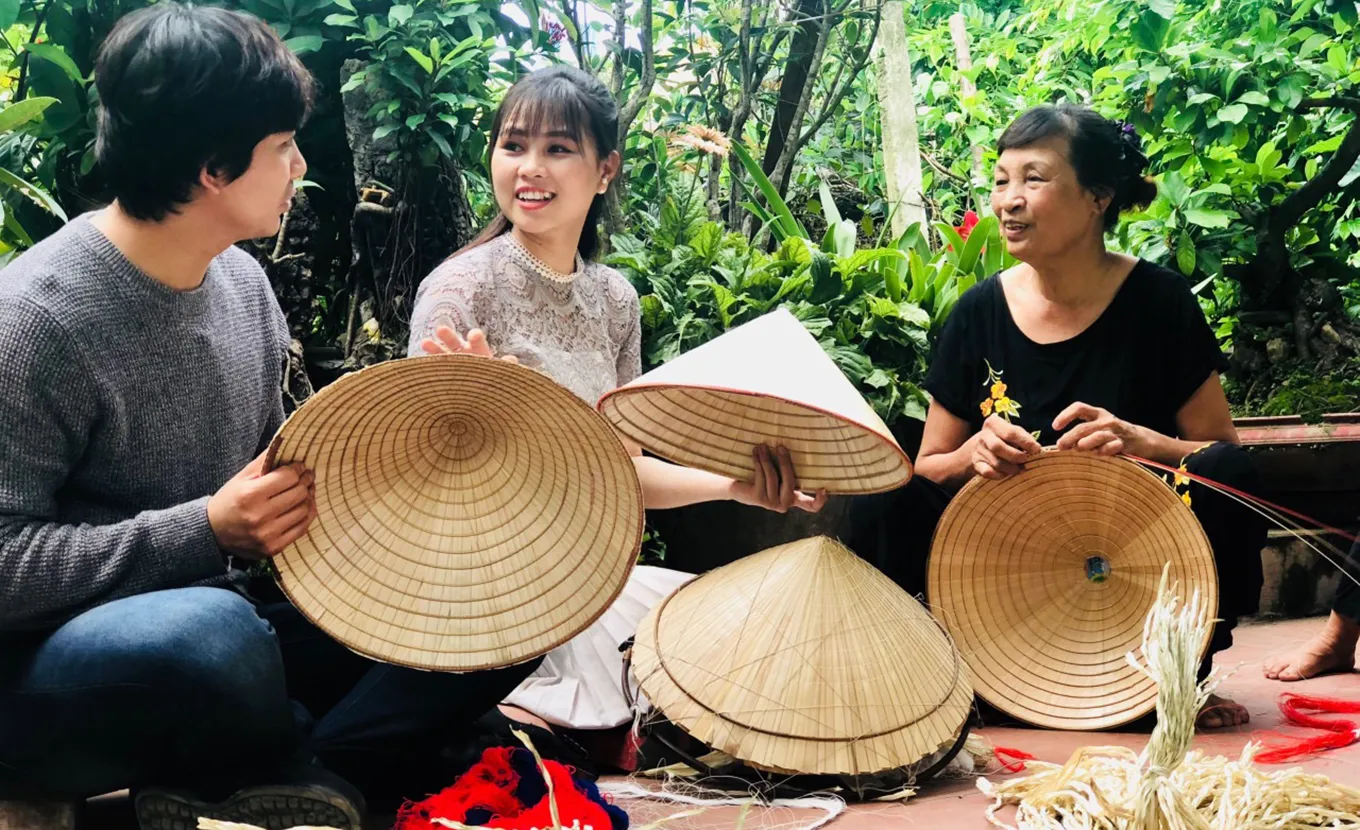



 TRAVELERS' CHOICE 2026